Picture this: I was standing in a cramped kitchen, the scent of burnt garlic still clinging to the air, when my friend dared me to create a salad that could outshine a Michelin‑star dish. I laughed, but the challenge was real. I grabbed a handful of vegetables that looked like they’d survived a war and thought, “If I can turn this into a masterpiece, I’ll prove that a salad can be a showstopper.” The result? A vibrant, crunchy, flavor‑laden bowl that left my friends begging for the recipe. I dare you to taste this and not go back for seconds.
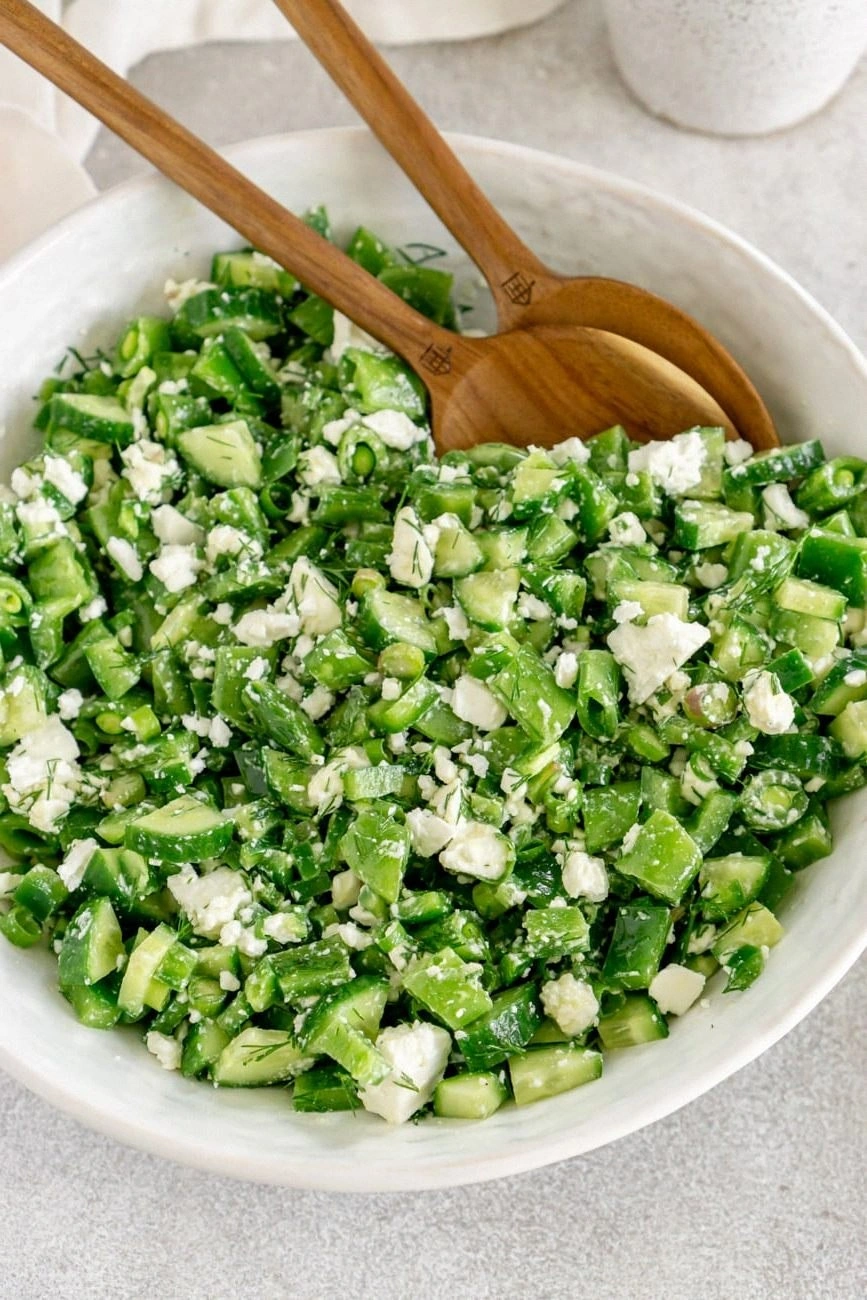
From the moment I sliced the green bell peppers, the kitchen filled with a peppery perfume that danced with the sharp, citrusy scent of lemon zest. The sound of the knife gliding through the crisp veggies echoed like a drumbeat in a silent room, each slice a tiny percussion. The colors—emerald green, fiery red, and pale cucumber—created a visual symphony that made my eyes water with anticipation. I could already taste the bright, tangy bite that would explode on the tongue, followed by the creamy whisper of feta. The texture was a layered masterpiece: the snap of sugar snap peas, the tender crunch of asparagus, and the silky drizzle of olive oil. If you’ve ever struggled with bland salads, you’re not alone—this is the fix you’ve been craving.
What makes this version stand out is that it’s not just a salad; it’s an experience. I’ve combined the heat of jalapeños with the coolness of mint, and the saltiness of feta with the subtle sweetness of maple syrup. The dressing isn’t a simple vinaigrette; it’s a marriage of Dijon mustard’s piquancy and lemon’s bright acidity, all balanced by a touch of maple that turns the dressing into a velvety coating. The result is a salad that feels like a full meal, not just a side dish. Most recipes get this completely wrong—here’s what actually works. I’ll be honest, I ate half the batch before anyone else got to try it.
Picture yourself pulling this out of the fridge, the whole kitchen smelling incredible, and watching as the ingredients mingle in a bowl that feels like a work of art. The crunch of fresh veggies will crack like thin ice, the feta will crumble like a fine snowflake, and the dressing will coat everything like velvet. The moment the lemon slices hit the pan? Absolute perfection. And now, the fun part: the dressing will lift the entire dish, giving it a depth that feels both simple and sophisticated.
Okay, ready for the game‑changer? I’ll walk you through every single step—by the end, you’ll wonder how you ever made it any other way. I’ve tweaked the classic chopped salad recipe to create a version that’s hands down the best you’ll ever make at home. The secret? A dash of maple syrup that sweetens the bite, a handful of mint that brightens the palate, and a generous sprinkle of dill that ties everything together. Let’s dive in.
Before we start, here’s a micro‑challenge: try adding the dressing while the veggies are still cold; the texture will stay crisp, and the flavors will mingle like a well‑orchestrated choir. Trust me, this will elevate the whole dish. And remember—if you’re thinking this is just another salad, think again. I’ve got the proof in the pudding (or in this case, the bowl).
Now, let’s break down exactly what goes into this masterpiece. From the first chop to the final drizzle, every step is designed to maximize flavor, texture, and visual appeal. The ingredients are fresh, the technique is simple, and the result is a dish that will become your go‑to for parties, picnics, or a quick weeknight dinner. Get ready to become the host everyone remembers.
What Makes This Version Stand Out
- Bold Flavor: The combination of jalapeños, mint, and lemon creates a punch that wakes up the palate. The heat is balanced by the coolness of mint, making each bite a new adventure.
- Texture Harmony: Every component is chosen for its unique mouthfeel—crunchy asparagus, tender cucumbers, and snap peas that pop like tiny fireworks. The feta adds a creamy contrast that melts in the mouth.
- Visual Appeal: The vibrant colors of green bell peppers, red jalapeños, and pale cucumbers turn the salad into a painting. The arrangement feels intentional, like a chef’s final flourish.
- Health‑Friendly: With low fat, high protein from feta, and a generous dose of fresh herbs, this salad is a balanced meal that satisfies without guilt.
- Make‑Ahead Potential: The dressing can be prepared in advance, and the vegetables can be chopped ahead of time, saving you precious minutes on busy days.
- Ingredient Quality: Each element is selected for its peak freshness—think garden‑grown peppers, locally sourced feta, and herbs that still carry their full aroma.
- Quick Assembly: No cooking required; the salad is ready in under 15 minutes, making it the perfect solution for spontaneous gatherings.
- Party‑Friendly: The dish scales effortlessly, whether you’re feeding four or forty. It’s a crowd‑pleaser that invites conversation over shared flavors.
Alright, let’s break down exactly what goes into this masterpiece…
Inside the Ingredient List
The Flavor Base
At the core of this salad lies a dressing that feels like a light, airy cloud. The Dijon mustard brings a sharp bite that cuts through the richness of feta, while the lemon juice adds a bright, citrusy lift. The maple syrup is the secret sweetener that balances the heat of the jalapeños and the tang of the lemon, creating a harmony that’s both unexpected and deeply satisfying. Skipping the mustard would leave the dressing flat, and ditching the maple would make the lemon taste harsh.
The Texture Crew
Crunch is king in any great salad. The green bell peppers provide a satisfying snap that echoes the crispness of the cucumbers. Sugar snap peas, with their naturally sweet flavor, add a playful bite that pops against the softer asparagus. The asparagus stalks, when blanched just right, offer a tender yet firm texture that holds up against the dressing. If you prefer a softer bite, lightly steam the asparagus instead of blanching; it will still hold its shape but lose a bit of that satisfying snap.
The Unexpected Star
Feta cheese is the creamy anchor that keeps the salad from feeling too light. Its briny tang balances the sweetness of the maple syrup and the heat of the jalapeños. The feta also melts slightly when tossed with the dressing, creating pockets of creamy richness that cling to each bite. If you’re vegan or lactose‑intolerant, a firm tofu crumbled to mimic feta’s texture works surprisingly well, though the flavor profile will shift.
The Final Flourish
Fresh herbs are the finishing touch that turns a simple salad into a gourmet experience. Dill, with its sharp, almost citrusy flavor, complements the lemon and brings a bright note that cuts through the richness of the feta. Mint offers a cool, refreshing contrast that lightens the overall dish. The green onions add a mild oniony crunch that rounds out the flavor profile. If you’re looking for a different herb, try basil for a sweet, aromatic twist.
Everything's prepped? Good. Let's get into the real action…
The Method — Step by Step
- Begin by washing all the vegetables thoroughly. The green bell peppers should be free of any wax or dirt, and the cucumbers should be rinsed under running water. Trim the stems and slice the peppers into bite‑size dice, ensuring each piece is roughly the same size for even dressing distribution. This step is crucial; uneven cuts can lead to uneven flavor absorption.
- Next, chop the jalapeños. Remove the stems and seeds for a milder heat, or keep them for extra kick. Slice them into thin rings that will melt into the dressing. The heat should be just enough to give the salad a lively edge without overpowering the other flavors.
- Dice the cucumbers into small cubes, about the same size as the pepper dice. If you prefer a less watery salad, peel the cucumbers to reduce moisture. The cucumbers provide a refreshing bite that balances the heat and the richness of feta.
- Blanch the asparagus stalks in boiling water for 30 seconds, then transfer them to an ice bath. This quick blanch preserves their bright green color and crispness. Pat them dry and cut into 1‑inch pieces. The asparagus will hold its shape when tossed with the dressing, offering a delightful textural contrast.
- Toss the sugar snap peas in a bowl. They’re already ready to eat, but a quick rinse will ensure they’re clean. Their natural sweetness will provide a pop of flavor that keeps the salad interesting.
- Add the green onions, slicing them finely. They’ll add a subtle, oniony crunch that complements the other vegetables. The onions should be thin enough to dissolve into the dressing but still provide a slight bite.
- Crumbled feta cheese is the next addition. Sprinkle it over the vegetables, letting it mingle with the greens. The feta’s briny flavor will cut through the sweetness of the maple syrup and the sharpness of the mustard.
- Now, the dressing. In a small bowl, whisk together 1/3 cup olive oil, the juice of 1/2 lemon, 1 tablespoon Dijon mustard, 1 teaspoon maple syrup, 1/4 teaspoon kosher salt, and 1/4 teaspoon black pepper. The dressing should be smooth, with a slight sheen from the olive oil. Taste it; it should be bright, slightly sweet, and balanced.
- Pour the dressing over the vegetables and toss gently. The goal is to coat each piece evenly without bruising the delicate greens. Let the salad sit for 5 minutes; this allows the flavors to meld. The dressing will slightly soften the vegetables, creating a harmonious texture.
- Finally, sprinkle 1/4 cup dill and 10 mint leaves over the salad. Tear the mint leaves into smaller pieces to release their aroma. Toss again lightly. The herbs will add a fresh, aromatic finish that elevates the entire dish. Plate the salad in a shallow bowl or on a platter, and serve immediately for maximum crunch.
That’s it — you did it. But hold on, I’ve got a few more tricks that will take this to another level…
Insider Tricks for Flawless Results
The Temperature Rule Nobody Follows
Many chefs think a salad should be served cold, but the optimal temperature for this dish is slightly chilled. Keep the vegetables in the refrigerator until you’re ready to toss, but let the dressing sit at room temperature for a few minutes. This small step ensures the dressing emulsifies properly and coats the vegetables evenly.
Why Your Nose Knows Best
Before you add the dressing, sniff the lemon zest. A sharp, citrusy aroma indicates the lemon is fresh and will give the salad a bright lift. If the scent is flat, consider adding a splash of vinegar to revive the acidity.
The 5‑Minute Rest That Changes Everything
After tossing the dressing, let the salad rest for exactly five minutes. This pause allows the flavors to marry and the vegetables to absorb the dressing. The result is a salad that tastes like a cohesive, well‑balanced dish rather than a pile of ingredients.
Use Fresh Herbs for a Burst of Color
Fresh herbs not only add flavor but also a pop of color that makes the dish visually stunning. If you’re using dried herbs, rehydrate them in warm water before adding to avoid a dull taste. The fresher the herbs, the more vibrant the salad.
Don’t Skimp on the Salt
Seasoning is crucial; a pinch of salt enhances every ingredient’s flavor. Use kosher salt for a clean taste, and be sure to taste the salad before serving. A lightly salted salad will feel more balanced and complete.
Keep the Asparagus Firm
Asparagus can become mushy if over‑cooked. Blanch it for only 30 seconds, then shock it in ice water to lock in the crispness. This technique preserves the bright green color and provides a delightful bite.
Play with the Dressing Ratio
If you prefer a lighter salad, reduce the olive oil by a tablespoon. For a richer flavor, add a teaspoon more maple syrup. The dressing is highly adaptable; tweak it to suit your taste.
Creative Twists and Variations
Summer Picnic Pack
Swap the asparagus for sliced heirloom tomatoes and replace the feta with crumbled goat cheese. The sweet tomatoes will complement the mint, and the goat cheese adds a tangy depth. This version is perfect for a sunny afternoon gathering.
Protein‑Packed Power Salad
Add grilled chicken breast or tofu cubes to the mix. The protein will make the dish heartier and more satisfying. Season the protein with a touch of smoked paprika for an extra layer of flavor.
Asian Fusion Flavor
Replace the lemon juice with rice vinegar and add a splash of soy sauce. Toss in a handful of roasted sesame seeds for crunch. This version turns the salad into a quick, palate‑cleansing side for sushi nights.
Winter Warmth Variation
In the colder months, roast the bell peppers and jalapeños until caramelized. Add a handful of toasted walnuts for crunch and a drizzle of balsamic reduction. The roasted flavors bring a comforting warmth to the dish.
Vegan Delight
Omit the feta and replace it with crumbled vegan cheese or a sprinkle of nutritional yeast. Keep the rest of the ingredients the same. The salad will still deliver a creamy, umami punch without any dairy.
Breakfast Boost
Serve the salad over a bed of sautéed spinach and top with a poached egg. The runny yolk will mingle with the dressing, creating a rich, savory experience that’s perfect for brunch.
Garden Fresh Twist
Swap the mint for fresh basil and the dill for parsley. The basil will add a sweet, aromatic note, while the parsley brings a subtle earthiness. This variation is ideal for those who love a more herbal profile.
Storing and Bringing It Back to Life
Fridge Storage
Store the salad in an airtight container in the refrigerator for up to 48 hours. Keep the dressing separate until you’re ready to serve to preserve the crunch. If you need to assemble ahead, add the dressing just before serving to maintain texture.
Freezer Friendly
Freezing the salad is not recommended because the vegetables will lose their crispness. If you must freeze, consider freezing the dressing separately and adding it to pre‑chopped veggies upon thawing.
Best Reheating Method
Because this salad is meant to be served cold, reheating isn’t ideal. However, if you prefer a warm version, gently warm the vegetables in a skillet over medium heat for a couple of minutes, then toss with a fresh dressing. Add a splash of water before reheating to keep the veggies from drying out.