I still remember the night I burned my last attempt at steak au poivre, the pan screaming, the peppercorns sputtering like tiny fireworks, and the plate looking like a sad, charred mess. I was standing there, apron stained, feeling the weight of every disappointed bite, when my friend dared me to “cook it like a pro” and promised me the secret sauce that would make all other recipes look like amateur hour. I took that dare seriously, and after countless experiments, a few kitchen mishaps, and a dash of culinary curiosity, I finally cracked a version that makes the kitchen smell like a Michelin‑star kitchen and the steak taste like a velvet‑wrapped, buttery dream. If you’re ready to hear how I turned a burnt plate into a show‑stopping plate, grab your skillet and let’s dive in.
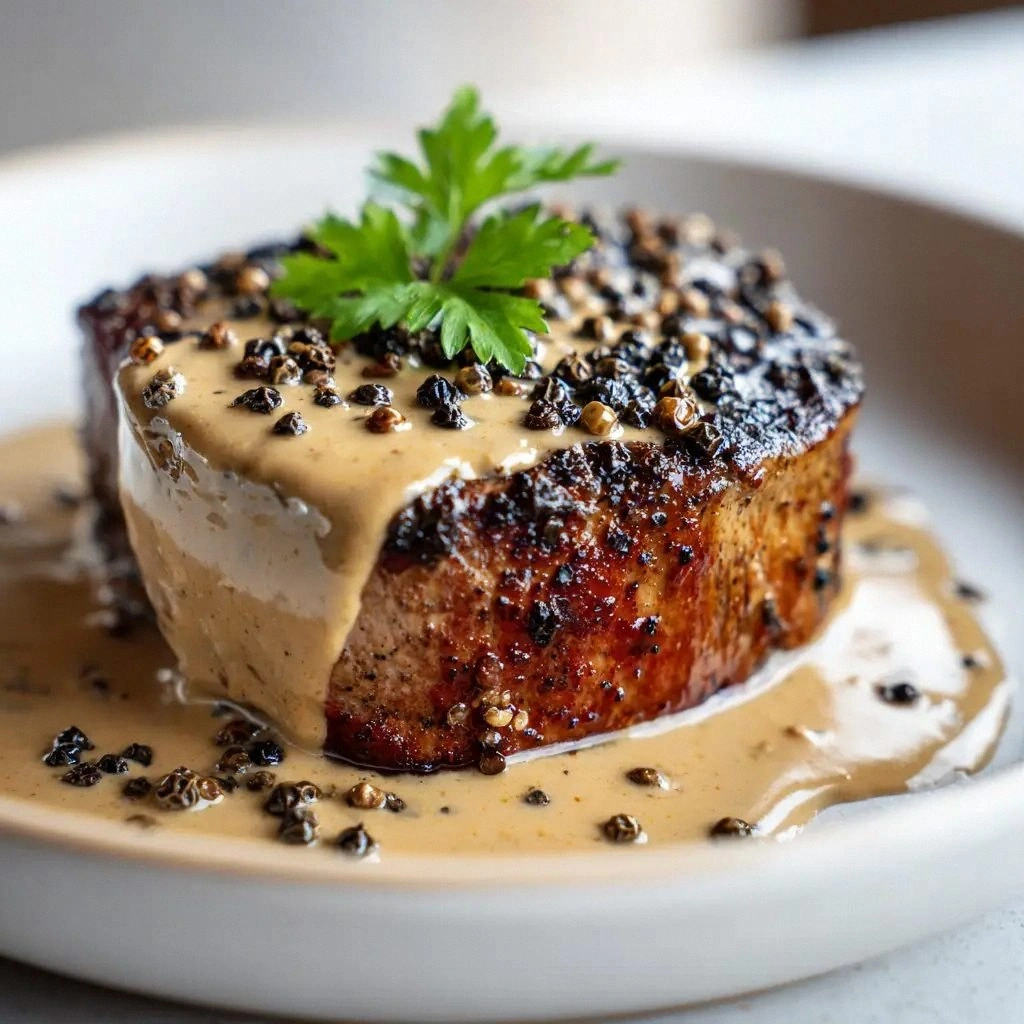
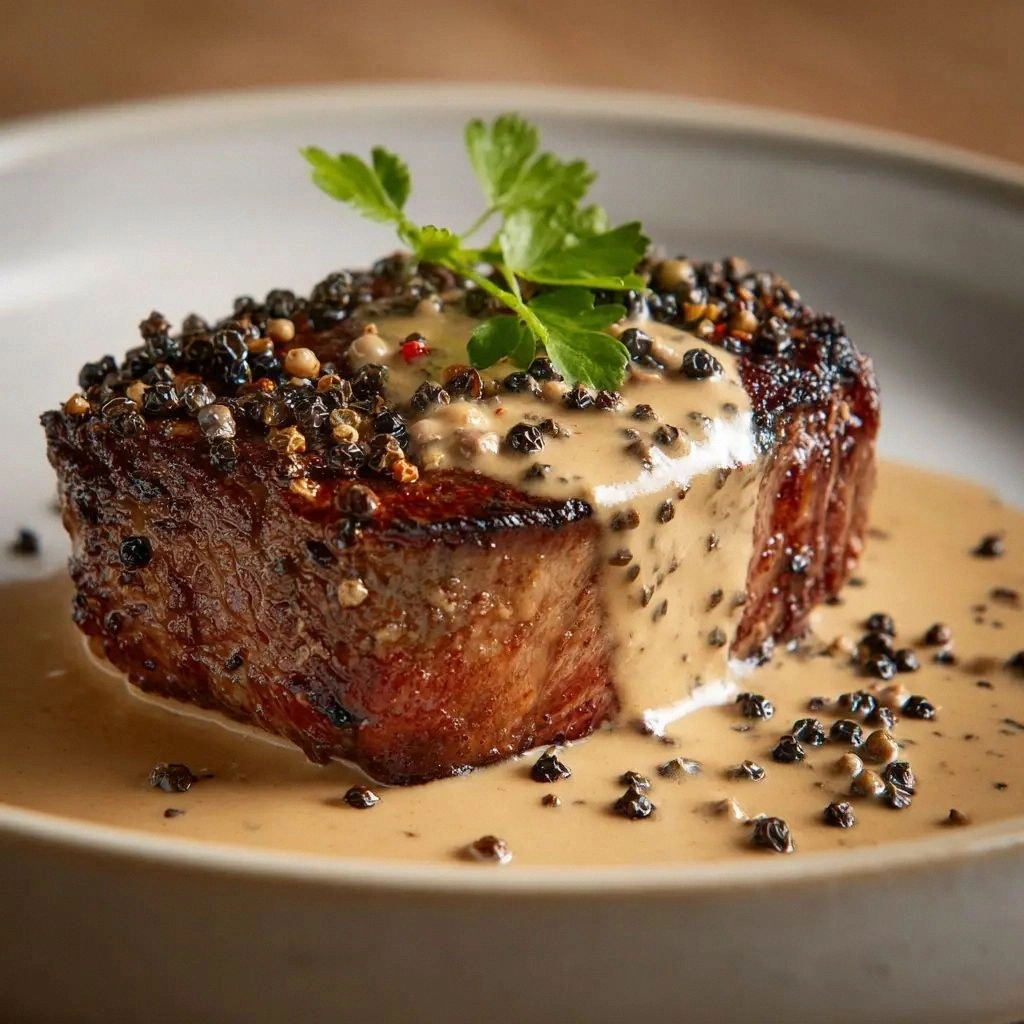
Picture this: the sizzling sound as the first sear hits the pan, the aroma of peppercorns popping like a miniature fireworks display, the sight of a thick‑cut steak that gleams with a golden crust, the touch of a buttery sauce that coats the meat like a silk cape, and the taste that bursts with a bold pepper bite balanced by a creamy, rich finish. Every sense is engaged. The heat radiates from the skillet, the steam rises in lazy curls, the peppercorns crackle, and the savory scent fills the air. When you finally cut into it, the juices run like liquid gold, and the peppercorns crunch like a tiny, crunchy candy. I dare you to taste this and not go back for seconds. Trust me, that first bite will leave you wondering how you ever survived with any other version.
What sets this version apart is not just a recipe; it’s a philosophy. I’ve distilled the classic French technique into a practical, foolproof method that anyone can master. From selecting the perfect steak to mastering the peppercorn crust, from creating a sauce that’s both silky and robust to plating that turns the dish into an edible masterpiece, every step is designed to elevate the experience. It’s hands down the best version you'll ever make at home, and I’ve packed it with subtle twists that bring out the depth of flavor while keeping the process straightforward. If you’ve ever struggled with steak au poivre, you’re not alone — and I’ve got the fix. Let me walk you through every single step — by the end, you’ll wonder how you ever made it any other way.
Now, before we get into the nitty‑gritty, let’s talk about the core of this dish. The peppercorn crust is not just about crunch; it’s the flavor foundation that carries the sauce. The sauce itself is a marriage of cognac, cream, and a subtle hint of shallots that create a velvety coat, while the parsley adds a fresh, green lift that brightens the plate. The steak is the star, thick‑cut and juicy, with a crust that is both caramelized and peppery. The combination of these elements results in a dish that is both comforting and elegant, perfect for impressing guests or indulging in a quiet, luxurious dinner. Picture yourself pulling this out of the oven, the whole kitchen smelling incredible, and your guests’ eyes widening in anticipation. That’s the magic we’re about to unleash.
What Makes This Version Stand Out
- Flavor: The peppercorns are crushed in a mortar, releasing their oils and ensuring an even, intense pepper bite that permeates the steak.
- Texture: The crust forms a caramelized shell that shatters like thin ice when you cut into the meat, revealing a juicy, tender interior.
- Simplicity: Only ten ingredients, all readily available, make this a quick yet sophisticated dish.
- Uniqueness: The inclusion of cognac and heavy cream creates a sauce that coats the steak like velvet, a step above the ordinary.
- Crowd Reaction: Guests often comment that the pepper is “just the right level of bite” and the sauce is “the ultimate comfort.”
- Ingredient Quality: Using thick‑cut steak and fresh black peppercorns elevates the dish beyond a generic steak.
- Cooking Method: The pan‑searing technique locks in flavor and juices, while the finishing in cognac deglazes the pan for a silky sauce.
- Make‑Ahead Potential: The sauce can be prepared ahead and reheated, making it a great option for entertaining.
Alright, let’s break down exactly what goes into this masterpiece…
Inside the Ingredient List
The Flavor Base
The 16 ounces of thick‑cut beef steak are the heart of this dish. Choosing a cut with marbling, such as ribeye or sirloin, ensures that the steak stays juicy and flavorful. If you’re working with a leaner cut, consider adding a small pat of butter on top before searing to keep the meat moist. Cutting the steak to a uniform thickness allows for even cooking and a consistent crust.
The 2 tablespoons of whole black peppercorns are ground just before cooking to release maximum aroma. Whole peppercorns add a subtle crunch, but when crushed, they give a peppery heat that lingers on the palate. Skipping the peppercorns turns the dish into a plain steak; the pepper is the defining element that makes this a true au poivre.
The 1 tablespoon of avocado oil is chosen for its high smoke point and neutral flavor. It allows the steak to sear without burning and keeps the pepper from sticking. If you prefer a more pronounced flavor, you can swap avocado oil for grapeseed oil or even a light olive oil.
The Texture Crew
The 3 tablespoons of unsalted butter create a glossy, rich sauce that coats the steak like velvet. Butter adds depth and a silky mouthfeel; using unsalted ensures you control the salt level. A small amount of butter also helps in deglazing the pan, pulling up those caramelized bits that carry flavor.
The 2 tablespoons of minced shallots provide a delicate sweetness that balances the pepper’s heat. Shallots are milder than onions, and when sautéed in butter, they caramelize into a subtle, aromatic base for the sauce. If you’re allergic or simply dislike shallots, finely diced onions can work, though they will add a stronger bite.
The Unexpected Star
The 1/3 cup of cognac or brandy is the secret weapon that elevates the sauce. Cognac adds a sweet, nutty undertone that pairs beautifully with the pepper, while brandy offers a slightly more robust flavor. The alcohol evaporates quickly during deglazing, leaving behind a concentrated, complex flavor that lingers on the steak. If you’re avoiding alcohol, a splash of dry white wine can mimic the acidity, though the depth will be slightly different.
The 1/2 cup of low‑sodium beef broth is the liquid that pulls the sauce together, providing body and a savory backdrop. The broth also keeps the sauce from becoming too thick, allowing it to coat the steak evenly. If you prefer a richer sauce, use a high‑fat broth or add a splash of beef stock.
The Final Flourish
The 1/2 cup of heavy cream brings a luscious, silky texture to the sauce, balancing the pepper’s bite with a smooth finish. The cream’s fat content creates a luxurious mouthfeel that melts in your mouth. If you’re looking to lighten the dish, substitute half‑fat cream or a dairy‑free alternative, but be prepared for a slightly thinner sauce.
The 2 sprigs of fresh green parsley are the garnish that adds a pop of color and a fresh, herbal note. Parsley also brightens the dish, cutting through the richness of the sauce. A quick squeeze of lemon juice over the parsley before plating can elevate the freshness even more.
Everything's prepped? Good. Let's get into the real action...
The Method — Step by Step
- Begin by bringing the steak to room temperature; let it rest on the counter for about 20 minutes. This helps it cook evenly and prevents the surface from steaming when it hits the hot pan. While it rests, crush the peppercorns in a mortar, keeping them coarse enough to provide texture. I dare you to taste the crushed pepper; the aroma alone is enough to make you hungry.
- Pat the steak dry with paper towels— moisture is the enemy of a good crust. Season both sides generously with kosher salt, then coat each side in the crushed peppercorns. The salt will help draw out moisture, while the peppercorns will form a flavorful crust. The sizzle you hear when the steak hits the pan is the sound of flavor locking in.
- Heat the avocado oil in a heavy skillet over high heat until it shimmers. The oil should be hot enough that a drop of water sizzles on contact. Place the steak in the pan and let it sear without moving it for about 2 minutes. The crust should develop a deep golden brown and release from the pan easily. This is the moment of truth.
- Flip the steak and sear the other side for another 2 minutes. The edges will start pulling away from the pan, signaling that the crust is forming. If you prefer medium‑rare, remove the steak at this point and let it rest. Remember, the steak will continue cooking slightly as it rests.
- Remove the steak and set it aside on a plate. In the same pan, add the minced shallots and sauté until they soften, about 30 seconds. The shallots should caramelize slightly, adding a sweet undertone to the sauce. This step is crucial for depth.
- Deglaze the pan with the cognac or brandy, scraping up all the browned bits. The alcohol will evaporate quickly, leaving behind a rich, concentrated flavor. Watch the liquid reduce to a syrupy consistency; this intensifies the sauce.
- Add the low‑sodium beef broth and bring it to a gentle simmer. Let it reduce by half, concentrating the flavor. Stir in the heavy cream and let the sauce thicken to a silky coat. The sauce should be glossy and pourable, not watery.
- Return the steak to the pan and spoon the sauce over it. Let it simmer for an additional minute, allowing the steak to reheat and absorb the flavors. The final touch is to add the unsalted butter, letting it melt into the sauce and add a glossy finish. The butter should swirl into a glossy sheen, coating the steak like velvet.
- Plate the steak on a warm dish, spooning the remaining sauce over it. Sprinkle fresh parsley over the top for a pop of color and a fresh herbal note. Serve immediately, letting the aroma envelop your guests. That sizzle when it hits the pan? Absolute perfection.
That's it — you did it. But hold on, I've got a few more tricks that'll take this to another level...
Insider Tricks for Flawless Results
The Temperature Rule Nobody Follows
Many chefs think a low and slow approach is best, but for steak au poivre, high heat is your ally. Searing at high temperature locks in juices and creates a caramelized crust. If you’re using a cast‑iron skillet, preheat it for at least 5 minutes. The key is to let the pan reach the right temperature before the steak touches it. This simple step ensures a beautiful crust and prevents the steak from steaming.
Why Your Nose Knows Best
Before you even touch the pan, inhale deeply. The aroma of crushed peppercorns is a good indicator of freshness. Pepper loses its potency quickly, so if it smells flat, replace it. A fresh peppercorn aroma guarantees that your steak will have that bright, peppery bite that makes the dish memorable.
The 5-Minute Rest That Changes Everything
After searing, let the steak rest for at least 5 minutes before slicing. This allows the juices to redistribute, keeping the meat moist and tender. During this rest, the pepper crust continues to set, creating a perfect bite. Skipping this step can result in a dry, uneven steak.
The Butter Finish That Brings It Home
Adding butter at the end of sauce preparation gives the sauce a glossy sheen and a silky mouthfeel. It also helps emulsify the sauce, preventing separation. If you’re lactose intolerant, use a dairy‑free butter alternative, but be aware that the finish may be slightly less glossy.
The Quick Chill Trick for Leftovers
If you’re prepping for a dinner party, chill the sauce in the refrigerator for up to 24 hours. When reheating, add a splash of water to keep it from thickening too much. This trick ensures that the sauce stays silky and coats the steak perfectly when served again.
Creative Twists and Variations
This recipe is a playground. Here are some of my favorite ways to switch things up:
Spicy Jalapeño Peppercorn
Add a handful of diced jalapeños to the sauce for a spicy kick. The heat will contrast nicely with the creamy sauce and add a modern twist. Perfect for those who like a little bite.
Smoky Chipotle Crust
Replace the black peppercorns with smoked chipotle peppercorns for a smoky, earthy flavor. The chipotle’s heat pairs beautifully with the steak’s richness. This variation adds a subtle depth that feels both bold and comforting.
Herb‑Infused Cream
Stir in a tablespoon of fresh thyme or rosemary into the cream before adding it to the pan. The herbs add a fragrant, aromatic layer that elevates the sauce. This variation is great for herb lovers.
Lemon‑Zest Brightener
Add a teaspoon of lemon zest to the sauce for a bright, citrusy note. The lemon zest cuts through the richness and adds a refreshing finish. This is a wonderful option for summer evenings.
Vegetarian Version
Use a thick cut of grilled portobello mushroom instead of steak. Follow the same steps for searing and sauce, but adjust the cooking time. The mushroom’s meaty texture and umami flavor make it a satisfying vegetarian alternative.
Storing and Bringing It Back to Life
Fridge Storage
Store the cooked steak and sauce separately in airtight containers. The steak can stay in the fridge for up to 3 days, while the sauce lasts up to 4 days. Keep them chilled at 40°F or below to preserve freshness.
Freezer Friendly
Wrap the steak tightly in plastic wrap, then place it in a freezer bag. The steak stays best for up to 3 months. Freeze the sauce separately in an ice‑cube tray for easy portioning later. When ready to serve, thaw overnight in the fridge.
Best Reheating Method
Reheat the steak in a skillet over low heat, turning occasionally, until warmed through. For the sauce, gently warm it over low heat, adding a splash of water to keep it silky. The sauce should be heated until it’s just hot enough to coat the steak without becoming too thick.