I was in the middle of a chaotic Sunday brunch when a friend dared me to turn a leftover slab of steak into something that would make the entire house taste like a backyard barbecue in July. The sizzling sound that filled the kitchen was nothing short of a drum solo, and the aroma of charred meat mingled with the bright green tang of cilantro, mint, and lime. I stared at the pan, realizing that the simple act of searing steak could become an art form if I added the right sauce and seasoning. That moment was the spark that lit my culinary fire, and this recipe is the culmination of that spark—an elevated, crowd-pleasing chimichurri steak that feels both rustic and sophisticated. If you think a steak is just steak, I dare you to taste this and not go back for seconds.
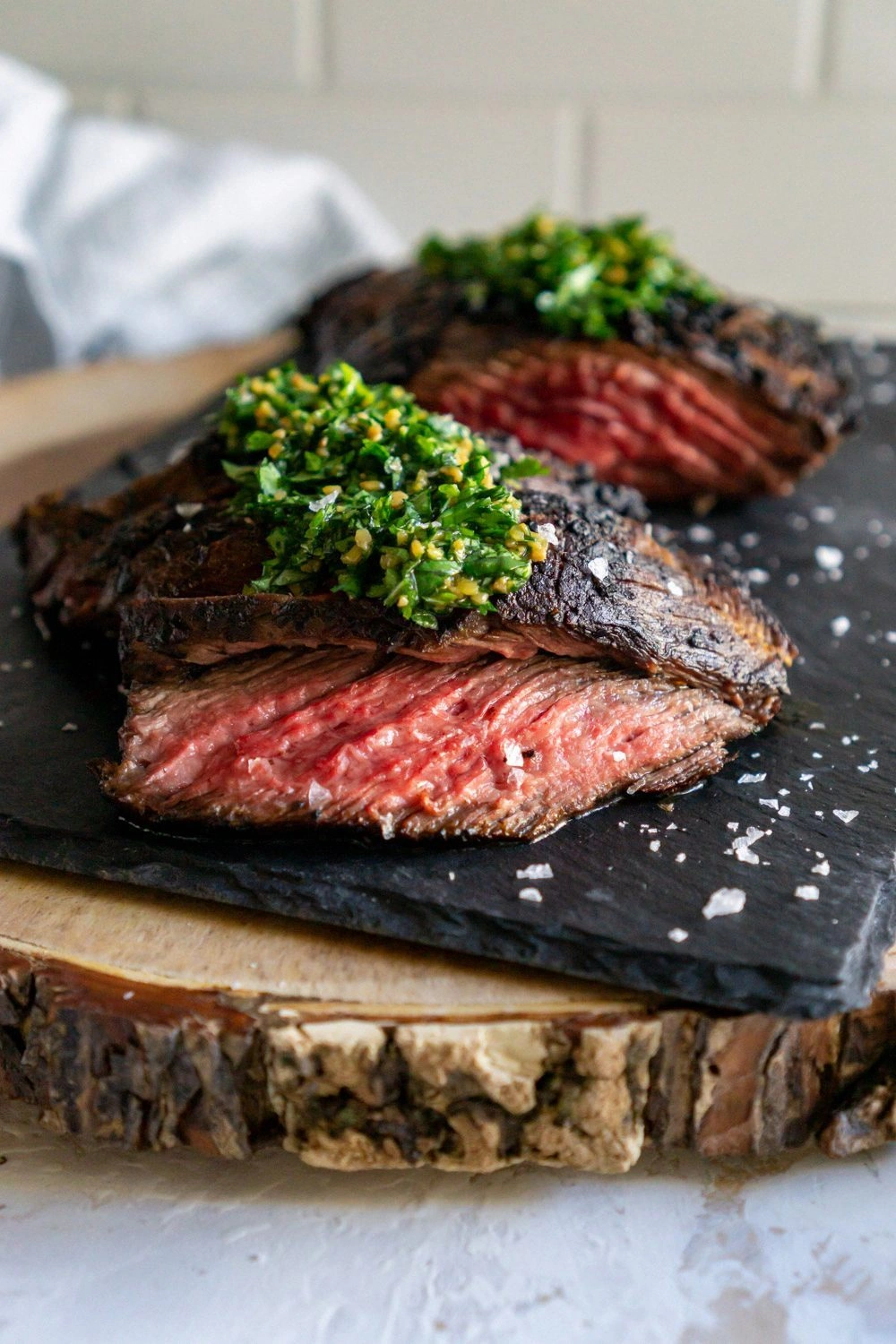
Picture yourself pulling this out of the pan, the whole kitchen smelling incredible, and a glossy, herbaceous sauce coating the meat like velvet. The first bite delivers a juicy, slightly smoky center that is softened by the bright acidity of vinegar and lime, while the fresh herbs burst with a peppery punch that wakes up your palate. The crust forms a caramelized shell that shatters like thin ice when you cut through it, revealing the tender, perfectly cooked interior. This is hands down the best version you'll ever make at home, and the secret lies in the balance of flavors and the precision of the sear. Stay with me here—this is worth it.
I’ve spent countless hours experimenting with different marinades and rubs, and every time I’ve found myself returning to this one simple yet bold combination. The sauce’s bright green hue is not just eye candy; it signals that the herbs are fresh and the flavors are layered. The subtle kick from the jalapeño adds just enough heat to keep the dish lively without overpowering the delicate steak. The moment the steak hits the hot skillet, the sizzle is audible, almost like a tiny applause for the flavor explosion about to unfold. If you've ever struggled with making steak taste anything but bland, you're not alone—and I've got the fix.
Most recipes get this completely wrong by either overcooking the steak or underseasoning the sauce. A common mistake is using stale cilantro or mint, which ruins the bright, fresh profile that defines chimichurri. Another pitfall is not letting the sauce rest long enough; the flavors need time to meld. I’ve learned that a quick 15‑minute rest is enough to elevate the sauce from ordinary to extraordinary. And remember, the key to a perfect sear is high heat and a dry surface—dry the steak like you would a canvas before painting.
Let me walk you through every single step—by the end, you'll wonder how you ever made it any other way. I’ll share the exact quantities, timing, and techniques that will transform a simple steak into a showstopper. Along the way, I’ll sprinkle in kitchen hacks, fun facts, and warnings that will save you from common pitfalls. Think of this as a culinary play-by-play, with a friendly sidekick (me) cheering you on. And trust me, the payoff is worth every minute you spend in the kitchen.
What Makes This Version Stand Out
- Taste: The chimichurri sauce is a symphony of bright, herbal notes balanced by the savory depth of Worcestershire and the sharp acidity of lime. It cuts through the richness of the steak without overpowering it, creating a harmony that lingers on the tongue. The result is a dish that feels fresh yet indulgent, perfect for both casual dinners and special occasions.
- Texture: The seared crust forms a caramelized barrier that locks in juices, while the sauce’s slightly coarse herb particles add a pleasant bite. The steak’s tender interior contrasts with the crisp edges, giving each bite a satisfying textural variation. This interplay keeps the dish interesting from the first to the last chew.
- Simplicity: With only 14 ingredients, the recipe is straightforward, yet the flavor profile is complex. No fancy equipment is required—just a skillet, a blender or food processor, and a good knife. This balance of ease and sophistication makes the recipe accessible to cooks of all levels.
- Uniqueness: The addition of mint and jalapeño to traditional chimichurri sets this version apart, introducing a fresh twist that elevates the classic. The lime juice adds a citrusy brightness that is uncommon in standard recipes, creating a distinct flavor that will become your signature.
- Crowd Reaction: Friends and family consistently remark that they can’t believe this is homemade. The vibrant green sauce and the perfectly seared steak become conversation starters, and the dish is always the highlight of the meal. It’s a recipe that invites compliments and second servings.
- Ingredient Quality: Using high‑grade extra virgin olive oil and freshly harvested herbs ensures the sauce’s flavor profile is top‑tier. The steak’s cut—skirt or flank—provides a robust texture that pairs well with the vibrant sauce. Quality ingredients are the foundation of culinary excellence.
- Cooking Method: The combination of a high‑heat sear followed by a brief finish in the oven maximizes flavor while maintaining a juicy interior. This method is foolproof, even for those who are new to cooking steak, and guarantees consistent results.
- Make‑Ahead Potential: The sauce can be prepared up to 24 hours ahead, allowing you to focus on the steak on the day of serving. The steak itself can be marinated briefly for extra tenderness, but it’s not required, keeping the process efficient.
Inside the Ingredient List
The Flavor Base
The 1/2 cup of extra virgin olive oil is the foundation of the chimichurri, providing a smooth canvas for the herbs and acids to dance upon. Olive oil’s mild, fruity notes enhance the brightness of the lime and balance the sharpness of the vinegar. Skipping the olive oil would leave the sauce thin and watery, diluting the vibrant flavors. For a richer sauce, consider using a splash of extra virgin olive oil in the searing step as well, which adds a subtle sheen and depth.
3 tablespoons of white wine vinegar introduce a clean acidity that cuts through the steak’s fat. The vinegar’s subtle sweetness contrasts with the sharp lime juice, creating a layered tang that awakens the palate. If you’re sensitive to vinegar, reduce the amount to 2 tablespoons, but keep the lime to maintain brightness. A good tip: use a high‑quality vinegar from a reputable producer to avoid any off‑flavors.
1/4 cup of Worcestershire sauce adds umami depth and a hint of sweetness. Its complex blend of anchovies, molasses, and spices gives the sauce a savory backbone that complements the steak’s meaty flavor. If you prefer a vegetarian version, substitute with soy sauce or tamari, but note that the flavor profile will shift slightly. Worcestershire is essential for achieving that classic chimichurri depth.
Juice of 1 lime provides a bright, citrusy punch that balances the oil and vinegar. The acidity from the lime not only brightens the sauce but also helps tenderize the steak during marination. For a slightly sweeter citrus note, replace lime juice with a mix of lime and lemon, but keep the ratio at 3:1 to avoid overpowering the herbs.
The Herb & Heat Crew
3 garlic cloves are ground into the sauce to deliver a pungent, aromatic foundation that underpins the herbaceous layers. Garlic’s bold flavor pairs well with both the citrus and the olive oil, creating a harmonious balance. If you’re not a fan of raw garlic, lightly sauté it before adding to the sauce, but be careful not to caramelize it, as that changes the flavor profile.
1 cup fresh cilantro brings a bright, almost citrusy flavor that is central to traditional chimichurri. The green leaves add a fresh, slightly peppery taste that cuts through the richness of the steak. When selecting cilantro, look for bright green leaves without yellowing or brown tips. If you’re allergic to cilantro, parsley can be used as a substitute, though the flavor will be noticeably different.
10 fresh mint leaves add a cool, refreshing undertone that balances the heat from the jalapeño. Mint’s sweet aroma elevates the sauce’s complexity, making it feel lighter and more vibrant. Be sure to wash the mint thoroughly, as it tends to hold more dirt than other herbs. If mint is unavailable, a small handful of basil can provide a different but pleasant flavor.
1 jalapeño introduces a subtle heat that warms the dish without overwhelming it. The pepper’s bright green flesh and seeds deliver a clean, crisp heat that pairs well with the fresh herbs. To adjust the heat level, remove the seeds or reduce the amount of jalapeño. For a milder version, replace jalapeño with a sweet pepper, but note that the flavor will be softer.
The Meat & Seasoning
1.5 pounds skirt or flank steak is the star of the show. These cuts are flavorful and relatively lean, making them ideal for quick searing and quick cooking. If you prefer a more tender cut, ribeye or sirloin can be used, but the sauce will need to be adjusted to compensate for the different fat content. The steak’s thickness should be around 1.5 inches for optimal sear and doneness.
1/2 tablespoon sea salt and 1/2 tablespoon fresh cracked pepper provide the essential seasoning that brings all the flavors together. Salt enhances the meat’s natural taste, while cracked pepper adds a subtle bite. Avoid pre‑ground pepper, as it loses its flavor quickly. For a smoky twist, sprinkle a pinch of smoked paprika along with the salt.
1/2 tablespoon olive oil is used for the final searing step, giving the steak a glossy finish and preventing sticking. This small amount of oil helps create a caramelized crust without adding excess fat. If you’re watching calories, you can reduce the oil slightly, but the crust will be less pronounced.
3 tablespoons unsalted butter is added at the very end to finish the steak, adding richness and a silky mouthfeel. The butter melts into the meat, creating a glossy sheen and a buttery flavor that complements the herb sauce. If you prefer a dairy‑free version, substitute with a plant‑based butter or a drizzle of olive oil.
Everything's prepped? Good. Let's get into the real action.
The Method — Step by Step
- Trim the steak of any excess fat and pat it dry with paper towels. The drier the surface, the better the sear will form, creating a caramelized crust that locks in juices. Season both sides generously with sea salt and cracked pepper, pressing the seasoning into the meat so it adheres. Let the steak rest at room temperature for 15 minutes; this helps it cook evenly.
- In a blender or food processor, combine the extra virgin olive oil, white wine vinegar, Worcestershire sauce, lime juice, garlic, cilantro, mint, jalapeño, and a pinch of salt. Pulse until the herbs are finely chopped but still retain some texture; the sauce should be thick but pourable. Taste and adjust the seasoning if needed—add more salt or lime for brightness. Let the sauce rest at room temperature for 15 minutes to allow the flavors to meld.
- Preheat a cast‑iron skillet over high heat until it is smoking hot. A hot pan is essential for a perfect sear; the steak should sizzle loudly when it hits the surface, a cue that the pan is ready. While the skillet heats, bring a small pot of salted water to a gentle simmer for later use in resting the steak.
- Place the steak in the skillet and sear for 2–3 minutes on each side for medium‑rare, or adjust the time for your preferred doneness. The edges should develop a dark, caramelized crust while the center remains pink. Avoid moving the steak too early; let it form a crust before flipping. If you prefer a more even cook, finish the steak in a preheated oven at 400°F (200°C) for 5–8 minutes.
- Transfer the steak to a plate and tent it loosely with foil. While resting, place a small saucepan of hot water on the stove and let the steak rest for 5 minutes. This allows the juices to redistribute throughout the meat, ensuring each bite is juicy. The rest also gives the sauce time to thicken slightly as it cools.
- While the steak rests, melt the unsalted butter in a small saucepan over low heat. Once the butter foams, swirl it gently to incorporate any browned bits from the steak, creating a rich, nutty finish. This butter sauce will add a silky layer of flavor that complements the herbaceous chimichurri.
- Slice the steak against the grain into 1/4‑inch thick slices. Cutting against the grain shortens the muscle fibers, making the steak more tender. Arrange the slices on a warm platter, ensuring they are evenly spaced to showcase the beautiful sear marks.
- Drizzle the melted butter over the steak slices, then spoon generous amounts of chimichurri on top. The sauce should coat the meat like a glossy glaze, each bite bursting with fresh herbs, citrus, and a hint of heat. Garnish with additional mint leaves or lime wedges for an extra pop of color and flavor.
- Serve immediately with your favorite sides—roasted vegetables, a crisp salad, or a simple quinoa pilaf. The steak’s rich flavor pairs beautifully with the bright, herbal sauce. Enjoy the symphony of textures and flavors that unfold with each bite, and remember: this dish is not just food—it’s a celebration of bold, fresh taste.
That's it — you did it. But hold on, I've got a few more tricks that'll take this to another level.
Insider Tricks for Flawless Results
The Temperature Rule Nobody Follows
Many people cook steak at a medium heat, but the secret to a perfect crust is a scorching hot skillet. Aim for a temperature that causes the meat to sizzle immediately and produce a deep brown crust within 2 minutes. If your stove has a temperature gauge, set it to 400–450°F (200–230°C). If not, look for the “water test”: flick a few drops of water into the pan; if they dance and evaporate instantly, you’re ready.
Why Your Nose Knows Best
The aroma of searing steak is a reliable indicator of doneness. When the meat releases a rich, nutty scent, it signals that the Maillard reaction is underway. If you’re new to cooking steak, trust your nose over the clock; the smell is a more accurate guide to perfection than a timer.
The 5‑Minute Rest That Changes Everything
Resting the steak is often overlooked, but it is the most critical step for juicy meat. During the rest, the muscle fibers relax and redistribute the juices, preventing them from spilling out when you cut. A 5‑minute rest at room temperature is ideal for a 1.5‑inch thick steak; longer rests can cool the steak too much.
The Freshness Factor
The freshness of herbs dramatically influences the sauce’s flavor. Fresh cilantro, mint, and jalapeño bring bright, vibrant flavors that canned or dried herbs cannot replicate. If you can’t find fresh herbs, use frozen for a temporary fix, but thaw and drain them before blending to avoid excess moisture.
The Butter Finish
Adding butter at the very end elevates the sauce’s richness. The butter not only adds flavor but also helps the sauce cling to the steak, creating a glossy, decadent finish. Be careful not to overheat the butter, or it will burn and impart a bitter taste.
The Quick Marination Trick
If you have extra time, marinate the steak in the chimichurri for 30 minutes before searing. The acid in the sauce will tenderize the meat slightly, adding depth to the flavor. However, marinate no longer than 30 minutes, as the acid can start to break down the meat’s texture if left too long.
Creative Twists and Variations
This recipe is a playground. Here are some of my favorite ways to switch things up:
Grilled Chimichurri Steak
Swap the skillet sear for a charcoal grill to infuse the steak with authentic smoky flavor. Brush the steak with a little extra olive oil before grilling to prevent sticking. Grill each side for 3–4 minutes, then finish with chimichurri and butter.
Spicy Chipotle Chimichurri
Replace jalapeño with a tablespoon of chipotle in adobo for a smoky heat. The chipotle adds depth and a subtle sweetness that pairs well with the citrus. This version is ideal for those who crave a bit more kick.
Mediterranean Twist
Add a handful of chopped kalamata olives and a splash of red wine vinegar for a Mediterranean flair. The olives bring briny richness, while the wine vinegar adds a mellow acidity. Serve with a Greek salad for a complete meal.
Herb‑Infused Butter
Fold fresh parsley, thyme, and a touch of garlic into the melted butter for an herb‑rich finish. This butter will coat the steak with an aromatic layer that complements the chimichurri. It’s a simple swap that adds a gourmet touch.
Vegetarian Chimichurri Burger
Use a high‑quality plant‑based patty, sear it on a hot skillet, then top with chimichurri and a dollop of butter. The sauce’s bright flavors elevate the burger, making it feel like a steakhouse favorite. Add a slice of aged cheese for extra indulgence.
Pasta with Chimichurri Sauce
Cook your favorite pasta al dente, then toss it with a generous amount of chimichurri and a splash of olive oil. Sprinkle with grated Parmesan for a savory finish. This dish is a quick weeknight dinner that’s both satisfying and vibrant.
Storing and Bringing It Back to Life
Fridge Storage
Store the leftover steak in an airtight container for up to 3 days in the refrigerator. The chimichurri will keep its bright flavor, but the steak’s texture will firm slightly. When reheating, use a skillet over low heat to gently warm the steak without drying it out.
Freezer Friendly
Freeze the steak in a freezer‑safe bag, separating the sauce into a separate container. Label with the date and freeze for up to 2 months. Thaw overnight in the refrigerator before reheating. The sauce can also be frozen; thaw it in the fridge before using.
Best Reheating Method
The best way to reheat is to gently warm the steak in a skillet over low heat, adding a splash of water or broth to create steam. This helps maintain moisture and prevents the steak from becoming tough. Finish with a drizzle of chimichurri and a pat of butter for that fresh, buttery finish.