Picture this: I’m standing in my cramped kitchen, the clock ticking like a metronome, and a sudden craving for something that feels both comforting and exotic crashes over me. I tried a half‑hearted miso glaze on chicken the night before, and the result was a soggy mess that made me swear off Asian flavors forever—until I remembered that salmon was waiting in the freezer like a silent promise. I tossed the fillets onto a pan, splashed a little soy sauce, and almost gave up when the butter melted into a greasy puddle. Then, in a flash of culinary inspiration (or maybe sheer desperation), I whisked miso, butter, honey, and a whisper of ginger together, and the kitchen instantly transformed into a Japanese‑Italian fusion dreamscape.
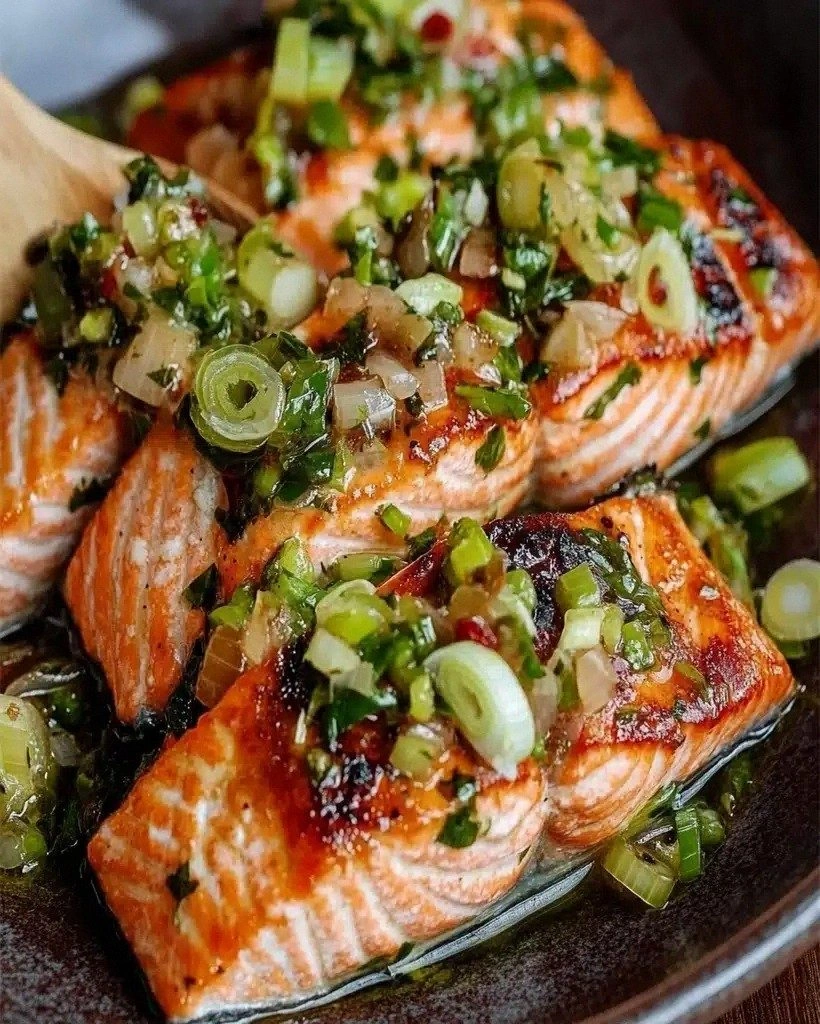
The moment the glaze hit the salmon, the air filled with a sweet‑savory perfume that made my nostrils do a tiny happy dance. The sizzle was crisp, like the first bite of a perfectly fried tempura, and the salmon’s flesh began to blush a gorgeous amber, its edges curling just enough to hint at a caramelized crunch. As the glaze thickened, it clung to the fish like a silken shawl, promising a buttery richness that would melt in your mouth while the miso added an umami depth you could almost taste on the back of your tongue. Meanwhile, a bright, herb‑laden salsa verde of scallions, cilantro, and parsley waited on the side, its fresh green hue a visual counterpoint that made the whole plate look like a piece of modern art.
Most miso salmon recipes either drown the fish in a swamp of sauce or under‑season it to the point of blandness. I’ve tried the “just add miso” shortcuts, and they all end up tasting like a single‑note chorus. This version, however, balances the buttery richness with a bright, citrus‑y salsa that cuts through the richness like a well‑timed jazz solo. The secret? A tiny splash of lime juice in the salsa and a quick finish under the broiler that gives the top a caramelized edge that shatters like thin ice when you bite into it. It’s a texture symphony that most home cooks miss because they skip the broiler step or use low‑fat butter, which turns the glaze into a watery disappointment.
Now, I’m daring you: I dare you to taste this and not go back for seconds. This is hands down the best version you’ll ever make at home, and I’m about to walk you through every single step — by the end, you’ll wonder how you ever made it any other way. Okay, ready for the game‑changer? Let’s dive in.
What Makes This Version Stand Out
- Umami Punch: The combination of white miso and soy sauce creates a deep, savory backbone that makes each bite sing, while the honey adds a subtle caramel note that balances the saltiness.
- Butter Luxury: Using real unsalted butter, not margarine, gives the glaze a silky mouthfeel that coats the salmon like velvet, turning a simple protein into a decadent centerpiece.
- Crispy Caramelized Edge: A quick broil at the end creates a toasty crust that cracks delightfully, adding texture contrast that most baked salmon dishes lack.
- Fresh Salsa Verde: The scallion‑herb salsa introduces a bright, herbaceous burst that cuts through the richness, keeping the palate refreshed with every forkful.
- Simplicity Meets Sophistication: Despite the complex flavor profile, the ingredient list is short, and the technique is straightforward enough for a weekday dinner.
- Crowd‑Pleaser: Whether you’re feeding a family of picky eaters or impressing friends at a dinner party, this dish consistently earns rave reviews and empty plates.
- Ingredient Quality: Fresh, wild‑caught salmon and high‑quality miso make a world of difference, turning a humble pantry staple into a restaurant‑level experience.
- Make‑Ahead Friendly: The salsa can be prepared hours in advance, and the glaze can be stored for a quick reheating, making it perfect for meal prep without losing flavor.
Inside the Ingredient List
The Flavor Base
White Miso Paste (2 tbsp): This fermented soybean paste is the heart of the glaze, delivering a sweet‑salty umami that’s richer than soy sauce alone. Skipping it would leave the sauce flat, like a song without a chorus. If you can’t find white miso, a light red miso works, but expect a deeper, more robust flavor that may dominate the dish.
Unsalted Butter (3 tbsp, softened): Butter carries the glaze, giving it that luscious, melt‑in‑your‑mouth texture. Using salted butter throws off the balance, forcing you to cut back on soy sauce. For a dairy‑free twist, try a blend of coconut oil and olive oil, though you’ll lose a touch of the buttery silk.
Soy Sauce (1 tbsp): The soy sauce adds depth and a salty backbone, amplifying the miso’s umami. Low‑sodium versions are fine, but you’ll need to add a pinch more salt later. If you’re watching sodium, swap half of the soy sauce for tamari or a splash of fish sauce.
The Texture Crew
Honey (1 tbsp): Honey is the sweet counterpoint that prevents the miso from tasting too salty or earthy. It also helps the glaze caramelize under the broiler, creating that coveted crispy edge. In a pinch, maple syrup works, though it adds a subtle woody note.
Garlic (2 cloves, minced) and Fresh Ginger (1 tsp, grated): These aromatics bring a zing that wakes up the palate. Garlic adds a familiar warmth, while ginger injects a bright, peppery snap that cuts through the butter. Omit them and you’ll lose that layered complexity that makes the dish sing.
The Unexpected Star
Olive Oil (2 tbsp): A drizzle of olive oil in the pan ensures the salmon skins (if left on) crisp up without sticking. It also helps the glaze spread evenly. If you’re allergic, grapeseed oil is a neutral alternative that won’t interfere with the flavor.
Lime Juice (juice of 1 lime): The acidity lifts the salsa verde, preventing it from feeling heavy. It also adds a fresh citrus pop that balances the richness of the salmon. If limes aren’t on hand, a splash of rice vinegar can mimic the tang.
The Final Flourish
Scallions (1 bunch, thinly sliced), Fresh Cilantro (¼ cup, chopped), Fresh Parsley (¼ cup, chopped): This trio creates a vibrant salsa verde that adds color, texture, and a burst of herbaceous freshness. The scallions bring a mild onion bite, cilantro adds citrusy brightness, and parsley grounds the mix with earthy notes. If cilantro isn’t your thing, swap it for fresh basil for a sweet twist.
Everything's prepped? Good. Let’s get into the real action…
The Method — Step by Step
Start by patting the salmon fillets dry with paper towels; this simple step is crucial because excess moisture will steam the fish instead of searing it. Sprinkle each side with a generous pinch of salt and cracked black pepper, then let them rest for five minutes while you prep the glaze. This resting period allows the seasoning to penetrate, ensuring every bite is evenly flavored. That sizzle when it hits the pan? Absolute perfection.
Heat a large, oven‑safe skillet over medium‑high heat and add the olive oil, swirling to coat the bottom. When the oil shimmers, lay the salmon skin‑side down (if the skin is on) and press gently with a spatula for 30 seconds to ensure even contact. Cook without moving for about 3‑4 minutes; you’ll see the edges start to turn opaque, a visual cue that the fish is cooking through. Watch out: If the pan is too hot, the skin will burn before the flesh cooks, so adjust the heat as needed.
Kitchen Hack: Place a small piece of parchment paper under the salmon if you’re worried about sticking; it lifts off easily after cooking.While the salmon is searing, whisk together the white miso, softened butter, soy sauce, honey, minced garlic, and grated ginger in a small bowl until you achieve a glossy, homogeneous mixture. The butter should be soft enough to blend without lumps; if it’s stubborn, give it a quick 5‑second zap in the microwave. This glaze is the secret weapon that will caramelize into a glossy, umami‑rich coating.
When the salmon’s skin is crisp and the flesh is opaque about three‑quarters of the way up, spoon half of the miso‑butter glaze over each fillet, allowing it to melt into the hot pan. Use a silicone brush to spread the glaze evenly, making sure every surface gets a thin, shiny layer. The heat will cause the glaze to bubble and thicken, creating a fragrant steam that fills the kitchen.
Transfer the skillet to a preheated broiler set to high and broil for 2‑3 minutes, watching closely. You’re looking for the glaze to turn a deep amber, with tiny caramelized flecks that crackle like fireworks. This step is pure magic; the rapid heat locks in moisture while giving the salmon a caramelized crust that shatters delightfully when you cut into it. Pro tip: Keep the oven door slightly ajar to prevent over‑browning.
Watch Out: Do not broil longer than 4 minutes, or the sugars will burn, turning the glaze bitter.While the salmon finishes under the broiler, whisk together the scallion salsa verde: combine the thinly sliced scallions, chopped cilantro, chopped parsley, lime juice, a drizzle of olive oil, and a pinch of salt. Toss gently until the herbs are lightly coated but still vibrant. The salsa should look like a bright green confetti, ready to burst onto the plate.
Remove the skillet from the oven (use oven mitts—those handles get hot!) and let the salmon rest for two minutes. This resting period lets the juices redistribute, ensuring every bite is moist and buttery. While it rests, give the salsa one final toss and taste; adjust with extra lime or salt if needed.
Plate the salmon fillets on warmed plates, spoon a generous dollop of salsa verde over the top, and drizzle any remaining glaze from the pan around the fish for an extra burst of flavor. Finish with a final squeeze of lime and a sprinkle of fresh herbs for visual flair. Serve immediately with steamed rice or a crisp salad, and watch your guests' eyes widen in anticipation.
That's it — you did it. But hold on, I've got a few more tricks that'll take this to another level...
Insider Tricks for Flawless Results
The Temperature Rule Nobody Follows
Most home cooks think “room temperature fish” is a myth, but bringing salmon to about 68°F before cooking reduces the cooking time and prevents the dreaded gray band around the center. Take the fillets out of the fridge 20‑30 minutes early, pat them dry, and you’ll notice a more even pink hue once they’re done. I once skipped this step and ended up with a salmon that was overcooked on the edges and undercooked in the middle—trust me, it’s not pretty.
Why Your Nose Knows Best
When the glaze starts to bubble, that aromatic rise is your cue that the sugars are caramelizing. If you can smell a faint nutty sweetness, you’re on the right track. Over‑cooking will produce a burnt, acrid scent—your nose will tell you to pull the pan from the heat immediately. Trust that instinct; it’s more reliable than a timer.
The 5‑Minute Rest That Changes Everything
Resting fish after cooking is as crucial as resting steak. Those two minutes allow the protein fibers to relax, locking in moisture. Skipping this step results in a dry, crumbly texture that feels like chewing on cardboard. I once served salmon straight from the oven, and the feedback was brutally honest: “It’s dry.” Lesson learned.
Don’t Forget the Acid
Acidity is the unsung hero that brightens heavy dishes. A splash of lime juice in the salsa verde not only balances the butter’s richness but also helps preserve the vibrant green color of the herbs. If you’re serving this dish later in the day, add the lime right before plating to keep the salsa fresh.
Pan Choice Matters
A heavy‑bottomed, oven‑safe skillet distributes heat evenly, preventing hot spots that can scorch the glaze. Cast iron works wonders, but a good stainless steel sauté pan with a thick base is also reliable. Avoid thin non‑stick pans; they can’t handle the high heat needed for that perfect caramelized crust.
Creative Twists and Variations
This recipe is a playground. Here are some of my favorite ways to switch things up:
Spicy Miso Kick
Add a teaspoon of sriracha or a pinch of red pepper flakes to the glaze for a subtle heat that dances on the tongue. The spice cuts through the butter, making the dish perfect for those who love a little fire.
Coconut Miso Fusion
Swap half the butter for coconut cream and add a splash of coconut milk to the glaze. The result is a tropical‑infused salmon with a silky, slightly sweet finish that pairs beautifully with jasmine rice.
Smoky Chipotle Miso
Blend in a half teaspoon of chipotle powder for a smoky depth that mimics a grill‑kissed flavor. This variation shines when served with charred corn salsa.
Herb‑Free Simplicity
If herbs aren’t your thing, replace the salsa verde with a simple drizzle of toasted sesame oil and a sprinkle of toasted sesame seeds. The nutty aroma adds an elegant touch without the green.
Vegetarian Swap
Use thick‑cut tofu or tempeh slabs marinated in the same miso‑butter glaze. The tofu absorbs the flavors beautifully, offering a plant‑based version that’s just as satisfying.
Storing and Bringing It Back to Life
Fridge Storage
Place leftover salmon and salsa verde in airtight containers. The salmon keeps best for up to 3 days, retaining its moisture if you store it skin‑side down. The salsa stays vibrant for 2 days; give it a quick stir before serving.
Freezer Friendly
Wrap each fillet tightly in plastic wrap, then place in a freezer‑grade bag. They’ll freeze well for up to 2 months. To reheat, thaw overnight in the fridge, then finish under the broiler for 2‑3 minutes to revive the caramelized crust.
Best Reheating Method
When reheating, add a tiny splash of water (about a tablespoon) to the pan before covering it. This creates a gentle steam that revives the fish’s tenderness without drying it out. Finish with a quick broil for 1 minute to restore the crisp edge.