Introduction
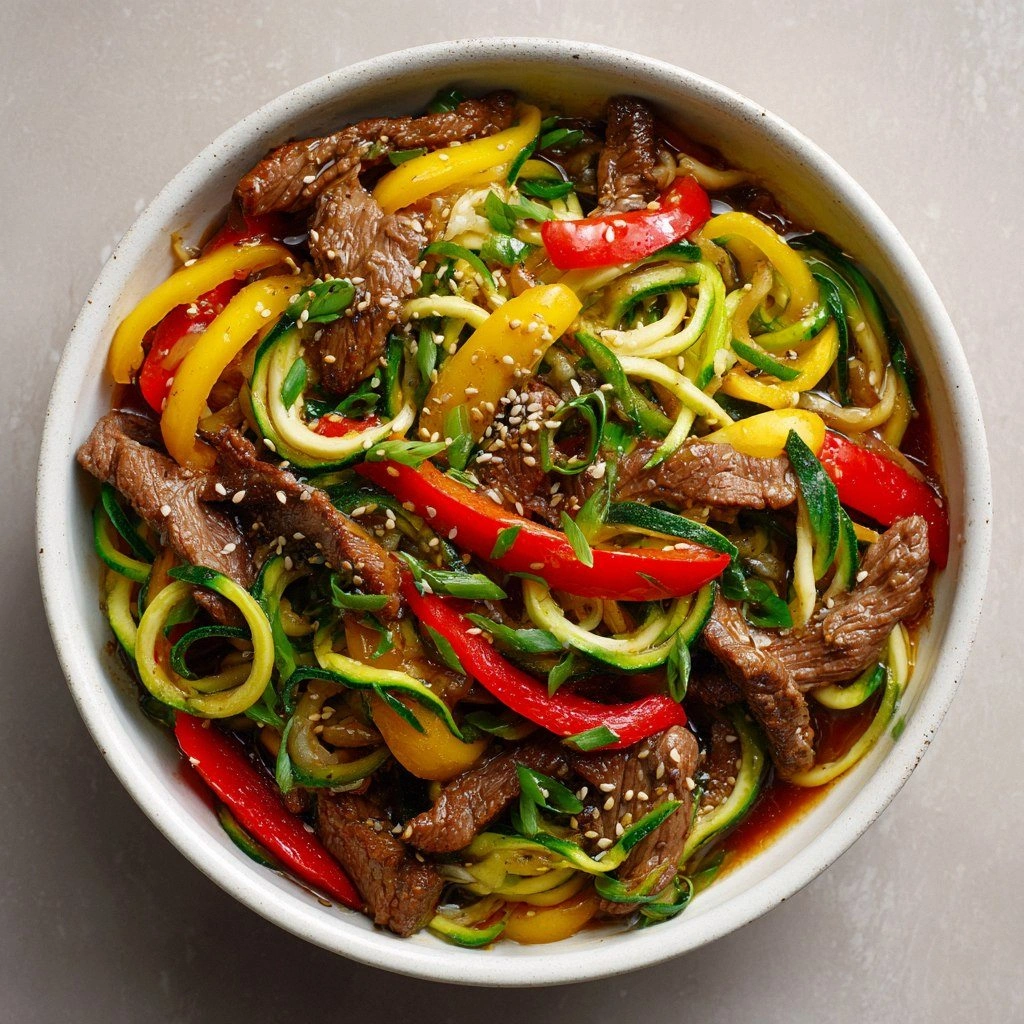
Picture this: I’m standing in my cramped kitchen, the stove already hot, and a friend is eyeing my pantry like a detective. “You’ve got to try that teriyaki sauce I bought last week,” she says, “but it’s never been the same.” I’m thinking, “Why not turn my ordinary beef stir‑fry into something that feels like a celebration?” The result? A plate of zoodles coated in glossy, umami‑rich teriyaki that practically sings in your mouth. I’m talking about a dish that turns the humble zucchini noodle into a silky, caramelized ribbon, with beef that’s tender, juicy, and full of flavor.
When I first tasted it, the aroma was a burst of sweet soy, fresh garlic, and a whisper of ginger. The sound of the sauce sizzling in the pan was like a drumbeat that told me the cooking was on the right track. The first bite was a symphony of textures: the tender beef, the crisp‑yet‑soft noodles, and a glossy glaze that clung to everything. I couldn’t stop thinking about how simple it was to make yet how sophisticated the result felt. That’s the magic of this version.
What makes this recipe stand out is not just the flavor; it’s the balance. The sauce is thick enough to coat the noodles but not so heavy that it feels like a dessert. The beef is marinated just long enough to absorb the sweet and salty notes without becoming mushy. The zucchini noodles are sautéed to a tender al dente, so they hold the sauce without turning soggy. And the finishing touch of toasted sesame seeds gives a nutty crunch that elevates the entire dish.
There’s a twist I didn’t expect: a splash of rice vinegar that brightens the glaze, and a pinch of crushed red pepper that gives a subtle heat. It’s a little secret that most recipes overlook, but it’s the difference between “good” and “wow.” I dare you to taste this and not go back for seconds. This is hands down the best version you’ll ever make at home. Let me walk you through every single step — by the end, you’ll wonder how you ever made it any other way.
What Makes This Version Stand Out
- Flavor: The sauce is a balanced blend of sweet, salty, and umami that coats every strand of noodle like velvet. It’s not overpowering, just enough to make each bite memorable.
- Texture: The beef is sliced thin and marinated, so it remains tender while still offering a satisfying chew. The zucchini noodles are sautéed to a crisp‑al dente that holds sauce beautifully.
- Time: From prep to plate, you’re looking at a quick 45 minutes. That’s fast enough for a weeknight yet slow enough for flavor to develop.
- Low‑Carb: Swapping regular pasta for zoodles keeps carbs low without sacrificing volume. It’s a great option for keto or any low‑carb diet.
- Versatility: The base can be tweaked with chili flakes, lime, or even a splash of bourbon for a smoky note. It’s a playground for flavor lovers.
- Make‑Ahead: The dish can be reheated with a splash of water to restore moisture, making it perfect for meal prep.
- All‑Day Appeal: Whether you’re serving it for dinner or a quick lunch, the dish feels indulgent but balanced.
Alright, let’s break down exactly what goes into this masterpiece…
Inside the Ingredient List
The Flavor Base
The cornerstone of this dish is the sauce, a marriage of soy sauce, mirin, and a touch of honey that creates a glossy, caramelized glaze. Soy sauce brings depth and saltiness, mirin adds a subtle sweetness, and honey thickens the mixture while preventing it from drying out. If you’re watching sodium, swap half the soy sauce with low‑sodium soy or tamari. Skipping this base turns the dish into a plain stir‑fry, missing the signature sheen that makes it Instagram‑ready.
The Texture Crew
Thinly sliced beef, usually flank or sirloin, is the star that holds the sauce together. Marinating it in a little cornstarch before cooking creates a silky coating that locks in juices. The zucchini noodles, or “zoodles,” are made with a spiralizer or a vegetable peeler. They provide a low‑carb alternative to pasta while delivering a satisfying bite. If you can’t find a spiralizer, a mandolin slicer works too. Skipping the beef and using tofu instead yields a vegetarian version that still packs a punch.
The Unexpected Star
Fresh garlic and ginger are more than aromatics; they’re the flavor punch that cuts through the sweetness. Minced garlic adds a sharp bite, while grated ginger contributes a subtle warmth that balances the sauce. If you’re allergic to garlic, use a garlic‑free soy sauce and a splash of onion powder to mimic the depth.
The Final Flourish
To finish, a sprinkle of toasted sesame seeds and sliced green onions add color, crunch, and a hint of nuttiness. A squeeze of lime or a drizzle of rice vinegar brightens the dish, preventing it from feeling too sweet. If you like heat, a pinch of red pepper flakes or a dash of sriracha gives a gentle kick that keeps the dish exciting.
Everything’s prepped? Good. Let’s get into the real action…
The Method — Step by Step
- Start by heating a large skillet over medium‑high heat. Add a splash of sesame oil; the oil should shimmer without smoking. This pre‑heat ensures the beef sears quickly and locks in juices. I love watching the sizzle, it’s the soundtrack to a great stir‑fry.
- Add the marinated beef strips in a single layer, letting them sear without stirring for about 30 seconds. Flip them once the edges start to brown; the goal is a caramelized crust. If you’re in a hurry, you can cook the beef in batches to avoid overcrowding.
- Once the beef is browned, remove it from the skillet and set aside on a plate. The residual heat will keep the meat warm while you finish the sauce.
- In the same skillet, add the minced garlic and grated ginger. Sauté for 20 seconds until fragrant; the garlic should just start to turn golden. This step is critical for building flavor; let it burn and you’ll lose the subtlety.
- Pour in the soy sauce, mirin, honey, and a splash of rice vinegar. Stir to combine and bring the mixture to a gentle simmer. The sauce should thicken slightly and become glossy. Keep the heat low enough that it doesn’t boil away.
- Return the beef to the skillet, tossing to coat it in the sauce. Let everything simmer together for 2 minutes so the flavors meld. The beef should be glossy, not greasy.
- Add the zucchini noodles, tossing quickly to coat them in the sauce. Cook for 3 to 4 minutes, just until the noodles are tender but still firm. Overcooking turns them into mush; you want that al dente bite.
- Finish with a sprinkle of toasted sesame seeds, sliced green onions, and a squeeze of lime. The lime brightens the dish, cutting through the sweetness. Toss everything together one last time.
- Serve immediately over a bed of rice or alone as a low‑carb delight. The dish is best enjoyed hot, but it can be reheated with a splash of water to keep the noodles moist.
That’s it — you did it. But hold on, I’ve got a few more tricks that’ll take this to another level…
Insider Tricks for Flawless Results
The Temperature Rule Nobody Follows
Many cooks over‑heat the pan, which dries out the beef and makes the sauce cling. The trick is to keep the heat medium‑high for searing, then drop to medium for the sauce. I’ve seen dishes turn into a sticky mess when the temperature isn’t dialed in. Keep a thermometer handy if you’re serious about precision.
Why Your Nose Knows Best
Before you add the sauce, take a quick sniff. If it smells too sharp, add a touch of honey or mirin to balance. Your nose is a reliable indicator of the right sweet‑savory ratio. A dish that smells off is likely off in taste.
The 5‑Minute Rest That Changes Everything
After you remove the beef, let it rest for 5 minutes on a plate covered loosely with foil. This allows the juices to redistribute, keeping the meat moist. Skipping this step can leave the beef dry and less flavorful.
Silky Sauce Without Cornstarch
If you’re avoiding cornstarch, whisk in a tablespoon of arrowroot powder instead. It thickens the sauce at lower temperatures and keeps the sauce silky. I’ve used it in a gluten‑free version and it worked like a charm.
Quick Zoodle Prep Hack
For a faster prep, buy pre‑spiralized zucchini from the grocery. It saves the time of using a spiralizer and still gives the same texture. Just give it a quick rinse and pat dry before sautéing.
Creative Twists and Variations
This recipe is a playground. Here are some of my favorite ways to switch things up:
Spicy Sriracha Kick
Swap a teaspoon of sesame oil for a tablespoon of sriracha in the sauce. The heat will pair beautifully with the sweet teriyaki, creating a bold, layered flavor that’s perfect for spice lovers.
Thai Green Curry Version
Add a tablespoon of Thai green curry paste to the garlic‑ginger base. Replace the soy sauce with coconut aminos for a lower‑sodium twist. The result is a fragrant, coconut‑sweet sauce that transports you to Bangkok.
Vegan Teriyaki
Replace the beef with thinly sliced tempeh or seitan. Marinate the protein in soy sauce and a splash of maple syrup before cooking. The texture stays firm, and the flavor remains just as rich.
Breakfast Bowl
Serve the zoodles over a bed of scrambled eggs, topped with a drizzle of teriyaki sauce. The combination of protein, veggies, and sauce creates a hearty breakfast that feels like a treat.
Low‑Sodium Sensation
Use low‑sodium soy sauce and reduce the honey to a tablespoon. Add extra garlic and ginger to compensate for the saltiness. The dish still tastes great, and it’s easier on the kidneys.
Fresh Herb Finale
Finish with a handful of chopped cilantro or basil instead of green onions. The fresh herbs add a bright, herbal note that cuts through the richness.
Storing and Bringing It Back to Life
Fridge Storage
Cool the dish completely before transferring it to an airtight container. Store in the refrigerator for up to 3 days. The sauce may thicken slightly; simply stir in a splash of water before reheating.
Freezer Friendly
Divide the dish into single‑serving portions and wrap tightly in freezer paper. Freeze for up to 2 months. When ready to eat, thaw overnight in the refrigerator and reheat gently.
Best Reheating Method
Reheat on the stovetop over medium heat, adding a tablespoon of water or broth to loosen the sauce. Stir frequently until heated through. Avoid microwaving, which can make the noodles rubbery.