Picture this: it's a sweltering Sunday afternoon, I'm supposed to be meal-prepping like a responsible adult, and instead I'm staring at a pile of sun-bleached lemons that smell like a Positano breeze. My nonna's voice is in my head—"When life hands you lemons, you make something that makes life jealous." Thirty seconds later I'm elbow-deep in flour, convinced I can hack together a lemon cream cake worthy of an Umbrian pastry shop. Fast-forward three hours and I've got a cratered, lemon-scented Frisbee that could double as a paperweight. Cue the dramatic music.
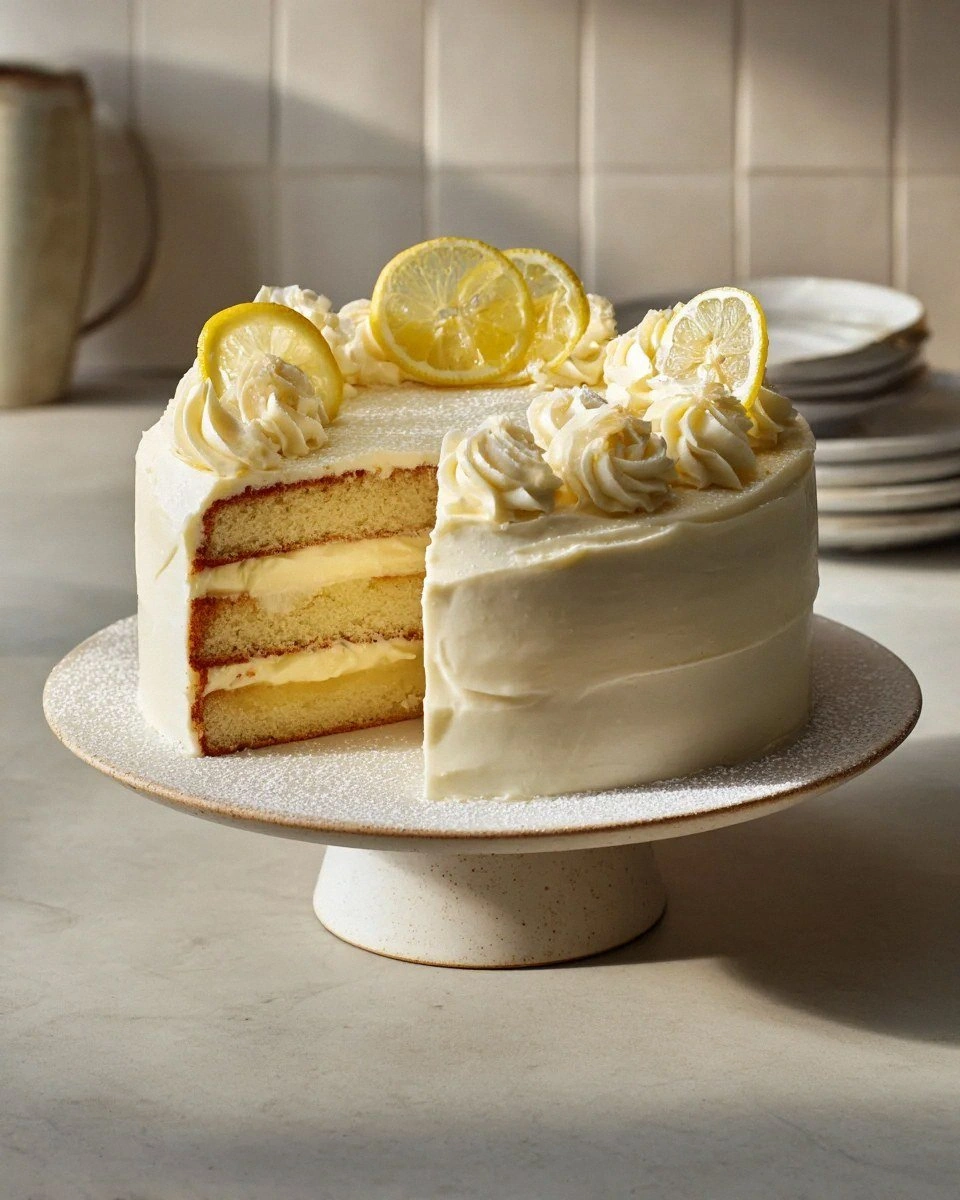
Turns out most internet "Italian" lemon cakes are just yellow cake mix with a squirt of citrus. I wanted the real deal: feather-light crumb, silky lemon cream that clings like a silk scarf, and that mysterious bakery aroma that drifts through Roman alleys at dawn. So I did what any sane dessert addict does—I haunted neighborhood bakeries, bribed a Sicilian nonna with espresso, and tested eleven (yes, eleven) iterations until my neighbors started pretending they weren't home when they saw me with a bundt pan. The result? A cake so ethereally tender it practically sighs when you slice it, layered with lemon cream that tastes like bottled sunshine.
Here's the kicker: most home bakers over-beat the batter, crank the oven too high, and treat lemon zest like a garnish instead of the star. We'll fix that. We're talking reverse-creaming for a tighter crumb, an Italian meringue fold-in that feels like culinary sorcery, and a double-hit of lemon—zest in the cake, reduction in the cream—to make your taste buds do the tarantella. If you've ever struggled with dry cake, curdled cream, or flavor that disappears faster than gelato in July, you're not alone—and I've got the fix.
Let me walk you through every single step—by the end, you'll wonder how you ever made it any other way.
What Makes This Version Stand Out
Cloud-Soft Crumb: By reverse-creaming the butter into the flour, we coat particles before hydration, yielding micro-layers that shatter delicately instead of rubber-bouncing like traditional creamed cakes.
Two-Stage Lemon Punch: We bloom zest into warm butter to release oils, then whip reduced lemon syrup into the cream so the citrus aroma hits first on the nose and again on the finish—no disappearing flavor act here.
Italian Meringue Magic: Folding silky Italian meringue into the batter lightens without sogging; think soufflé airiness that still stands proud under a blanket of cream.
Bakery-Level Moisture: Oil keeps the cake plush for days, while a touch of buttermilk tightens the crumb so it doesn't read as greasy—finally, the tender/structured balance that eludes most home recipes.
Make-Ahead Champion: Wrapped cold, the layers taste even better on day two as lemon oils migrate and mingle—a lifesaver when you're juggling dinner guests and don't want dessert stress.
Spectator Sport: People hover by the oven, hypnotized by the citrus-butter perfume; one friend actually set a chair facing the kitchen and called it "aroma therapy."
Alright, let's break down exactly what goes into this masterpiece...
Inside the Ingredient List
The Flavor Base
All-purpose flour may sound boring, but here it's the reliable stage that lets lemon and butter perform. Go with a protein level around 10–11% (King Arthur's is perfect) for enough gluten to trap the meringue lift but not so much that the cake turns chewy. Skip cake flour; it needs the backbone for our cream stuffing. And please, sift it—lumps are the enemy of that velvet crumb we're chasing.
Unsalted butter at true room temp (67 °F/19 °C) creams into the flour like soft wax, releasing air pockets we'll pump full of meringue later. If it's warmer, butter melts and greases flour, killing layers; colder and you'll beat forever, overworking gluten. Pro tip: cube and leave on the counter twenty minutes; if your finger leaves a gentle imprint but doesn't sink, you're golden.
The Texture Crew
Vegetable oil sounds like a cheat, yet it's the insurance policy against next-day dryness. Butter brings flavor, oil brings plushness—together they tag-team for a cake that stays tender even after a night in the fridge. Use a neutral one like sunflower or grapeseed; olive oil's grassy notes, though Italian, hijack the lemon spotlight here.
Whole milk, also at room temperature, hydrates proteins gradually so you don't shock the batter into lumps. Cold milk tightens butter back into little pellets—picture cookie dough in cupcake clothing. If dairy's a no-go, full-fat oat milk subs surprisingly well; just skip anything labeled "light" or the fat ratio collapses.
The Unexpected Star
Lemon zest is obvious, but the secret weapon is reducing fresh juice with sugar until syrupy. This concentrates flavor without watering down the cream. Think of it as lemon espresso: same fruit, rocket-ship intensity. Reduce 1 cup juice with ¼ cup sugar to ⅓ cup, chill, then whip into the cream—boom, flavor that punches through cold dairy.
The Final Flourish
Powdered sugar in the crumb topping dissolves faster than granulated, giving you that shortbread-like crunch that shatters under your fork. Blend it with cold butter chunks the size of lentils and the flour coats irregularly—some bits sandy, some pea-sized—so you get varied texture, not homogeneous gravel. Add lemon zest here too; heat from the oven blooms the oils right when they hit the cake, perfuming your kitchen like a citrus grove in August.
Everything's prepped? Good. Let's get into the real action...
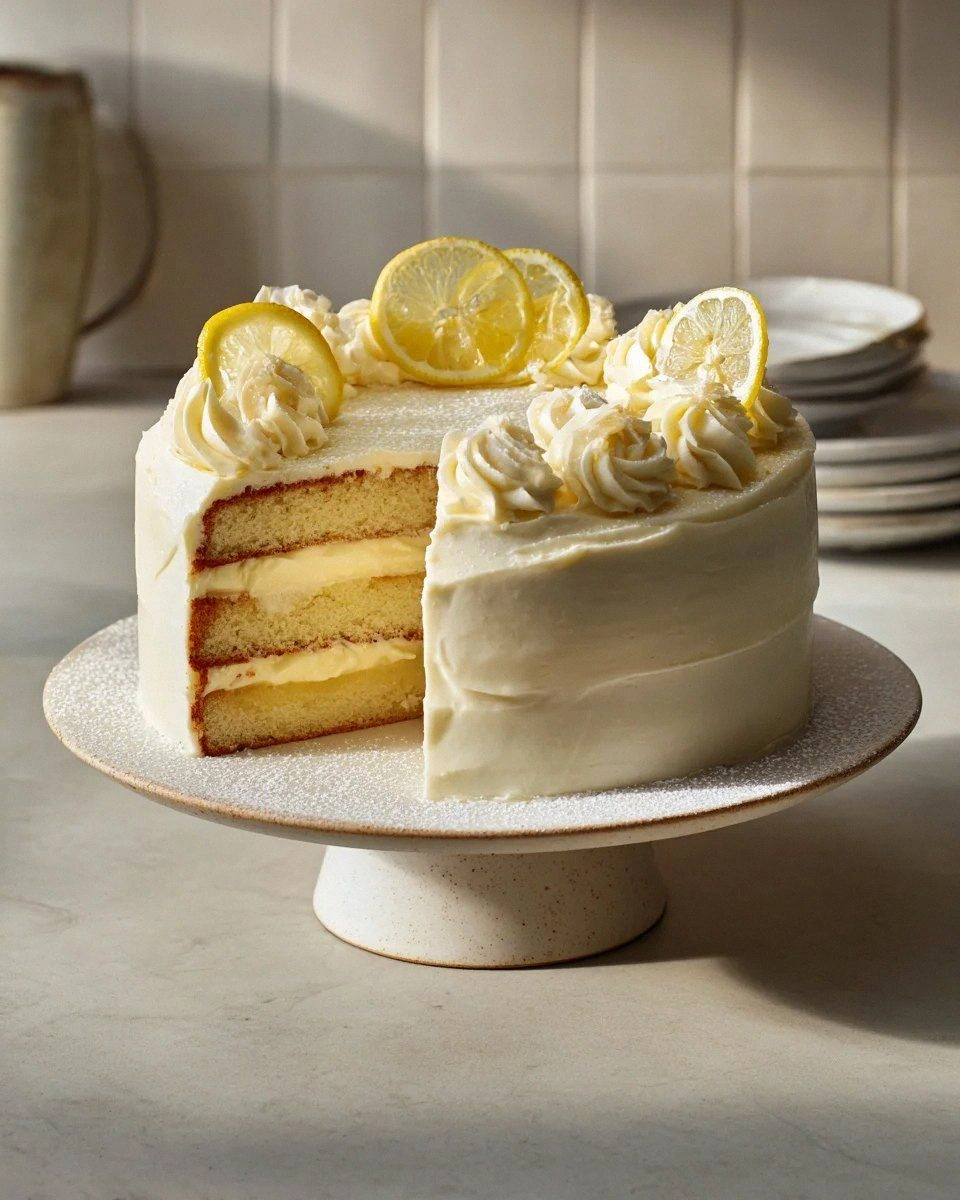
The Method — Step by Step
- Preheat your oven to 335 °F (168 °C) convection or 350 °F (175 °C) conventional. Yes, those exact numbers matter; we're riding the razor's edge between Maillard browning and keeping the crumb snowy inside. Grease two 8-inch pans with butter, dust with flour, and line the bottoms with parchment rounds. Tap out excess flour over the sink—white dust on crust tastes as sad as it looks.
- Whisk flour, baking powder, baking soda, and salt in a medium bowl until the dry mix looks like a single pale cloud. This ensures the leaveners disperse evenly; nobody wants a volcanic bubble or a dense puck. Set it aside and ignore the impulse to sift again—over-aeration gives you a cotton-candy cake that collapses when you frost.
- In a stand mixer fitted with the paddle, combine room-temp butter and flour on low until the mixture resembles damp sand. You're coating flour granules with fat, creating a moisture barrier that slows gluten formation later—this is the reverse-creaming trick that professional bakeries swear by. It'll look like you're ruining perfectly good flour; trust the process and resist cranking the speed.
- In a separate bowl, whisk sugar, oil, eggs, vanilla, and lemon zest until the sugar begins to dissolve and the mixture turns silky. Picture satin ribboning off a spoon—that's the goal. The zest perfumes the fat, embedding citrus oil so deep that even die-hard chocoholics will smell sunshine. Room-temp eggs blend without shocking butter granules later, keeping your crumb even.
- Add half the dry mix to the butter-flour crumbs on low, then stream in half the milk. Let it run until just combined; the batter will look like thick oatmeal. Scrape the bowl aggressively—dry pockets lurk under the paddle like sneaky ninjas. Add remaining dry, then milk, pausing to scrape again. Stop the mixer the second the last flour streak disappears; over-mixing here is the express lane to Tough Cake City.
- Beat egg whites and cream of tartar to stiff peaks in a squeaky-clean bowl. You'll fold this Italian meringue into the batter to lighten it without extra baking powder, yielding that bakery puff. If glossy peaks flop over like tired puppies, keep whipping; if they stand upright and the surface looks like shaving cream, you're golden. Fold one-third into the batter first to loosen, then remaining two-thirds—use a balloon whisk and cut like you're drawing J-shaped cursive.
- Divide batter evenly between pans, smoothing tops with an offset spatula. Drop pans from four inches onto a towel-lined counter three times to dislodge big bubbles; you'll hear a satisfying whump that means texture insurance. Slide onto the middle rack and bake 22–25 minutes, rotating halfway. When the centers spring back and a skewer comes out with a moist crumb or two—not raw goo—pull them out.
- Cool layers in pans ten minutes; then run a thin knife around edges, invert onto racks, and peel off parchment. While still lukewarm, brush tops with the reduced lemon syrup—think of it as a moisture vaccination. Let cool completely before filling; warm cake melts cream faster than gossip spreads at family dinner, and nobody wants a slip-n-slide dessert.
That's it—you did it. But hold on, I've got a few more tricks that'll take this to another level...
Insider Tricks for Flawless Results
The Temperature Rule Nobody Follows
Everything at 67–70 °F mixes uniformly; colder and butter forms pellets, warmer and it greases flour into paste. If your kitchen's tropical, chill the bowl ten minutes before mixing. Conversely, if it's midwinter and your oil's cloudy, warm the milk slightly. Think of temperature as the silent conductor of an orchestra—ignore it and cake turns cacophony.
Why Your Nose Knows Best
When the scent of buttery lemon drifts beyond the kitchen, you're ninety seconds from done. Set a timer for two minutes before the recipe's low estimate and stand nearby; when aroma blooms, start testing with a skewer. Ovens vary, but your olfactory bulb is eerily accurate—evolution's gift to bakers.
The 5-Minute Rest That Changes Everything
Once filled and frosted, refrigerate the assembled cake five minutes before slicing. This sets the cream just enough that your knife glides through without smearing layers into abstract art. You'll get those Instagram-worthy clean cuts while the interior stays cloud-soft. Skip this and you'll swear the cake's delicious—through clenched frustration.
Don't Trust Your Toothpick Alone
Skewer testing is fine, but also press the center gently; it should spring back without leaving an indent. Underbaked centers sink as they cool, creating a custardy crater that collapses under cream weight. If in doubt, lower oven 10 °F and bake five more minutes—slow heat finishes without scorching edges.
Creative Twists and Variations
This recipe is a playground. Here are some of my favorite ways to switch things up:
Blood Orange Winter Wonderland
Swap lemon zest and juice for blood orange, fold ruby segments between layers, and dust the top with snowy powdered sugar. The berry-like citrus tastes like a Mediterranean Christmas; add a cardamom whisper in the crumb topping for a Nordic-Italian mash-up nobody sees coming.
Almond-Lemon Amalfi Remix
Replace ½ cup flour with finely ground almonds, and slip ¼ tsp almond extract into the cream. The nutty richness marries lemon like honeymooners on the Amalfi coast; finish with toasted sliced almonds so every bite crackles.
Prosecco-Soaked Celebration Cake
Brush layers with a syrup of Prosecco and sugar instead of straight lemon reduction—perfect for birthdays. The bubbles keep it light, the alcohol bakes off, but the festive flavor lingers like confetti on your tongue.
Blueberry Ripple Summer Picnic
Fold fresh blueberries tossed in a teaspoon of flour into the batter just before baking. They'll suspend like jewels instead of sinking, and when you bite through cold cream, the jammy pops taste like July fireworks.
Dairy-Free Sunshine
Use coconut cream (solid part from a chilled can) in place of heavy cream; the subtle tropical note plays surprisingly nicely with lemon. Swap butter for refined coconut oil in the cake and add an extra pinch of salt to keep it bakery-authentic.
Midnight Chocolate-Lemon Swirl
Remove 3 tbsp flour and substitute cocoa powder, then marble with the original batter using a skewer. Chocolate's earthy bitterness makes the lemon sing like a bright soprano against a dark baritone backdrop—trust me, it's opera on a fork.
Storing and Bringing It Back to Life
Fridge Storage
Cover tightly with plastic wrap touching the cut surfaces to prevent the cream from absorbing fridge odors—nobody wants onion-kissed cake. It'll keep four days, though realistically it'll be gone by day two. If the cake feels firm cold, that's normal; fat tightens under 50 °F.
Freezer Friendly
Wrap individual slices in plastic, then foil, and freeze up to a month. Thaw overnight in the fridge, still wrapped, so condensation forms on the exterior, not your cake. The crumb stays miraculously moist, though the cream will be slightly denser—think semifreddo vibes.
Best Reheating Method
Skip the microwave—it melts cream into soup. Instead, let slices sit at room temp thirty minutes, or place in a 300 °F oven five minutes with a tiny cup of water on the rack. The gentle steam revives the crumb without turning the cream slick.