I remember the night the kitchen turned into a battlefield. I had been craving a comforting, autumn‑savory pasta, but the only thing in the fridge was a lonely butternut squash and a bag of linguine that had been sitting there since last Thanksgiving. I thought, “Why not give this humble squash a chance to shine?” and I dared myself to turn it into something that would make my friends swoon. The moment the squash hit the hot skillet, the air filled with a sweet, caramelized aroma that made my mouth water even before the first bite. My friends were skeptical, but when they tasted the first spoonful, they gasped, “This is hands down the best version you'll ever make at home.” I’m still laughing about how I almost over‑roasted the squash, but the crispy edges that shatter like thin ice ended up being the secret sauce that kept everyone coming back for seconds. If you’ve ever struggled with making a squash dish that isn’t just a side, you’re not alone — and I’ve got the fix. Let me walk you through every single step — by the end, you’ll wonder how you ever made it any other way.
What Makes This Version Stand Out
- Flavor Depth: The combination of roasted butternut, sage, and a splash of lemon zest creates a layered taste that feels both sweet and savory, like a warm hug on a chilly evening.
- Texture Contrast: The tender squash bites into a slightly crispy exterior, while the linguine offers a silky bite that balances the dish like a perfectly tuned orchestra.
- Ingredient Quality: Using a fresh, unpeeled butternut squash preserves the natural sweetness and keeps the dish vibrant, avoiding the blandness of canned alternatives.
- Ease of Prep: Each component is quick to assemble; you can have the skillet sizzling and the pasta boiling in under 15 minutes, making this a go-to for weeknight dinners.
- Make‑Ahead Potential: The sauce keeps well for 48 hours, so you can prep the squash ahead of time, then finish the dish in minutes when the day is busy.
- Crowd‑Pleaser: Whether it’s a family dinner or a dinner party, the dish’s vibrant color and comforting flavors have guests asking for a second plate.
- Versatility: Swap the linguine for fettuccine or penne, or replace the heavy cream with a cashew‑based sauce for a dairy‑free twist.
- Seasonal Flexibility: While it shines in autumn, the recipe adapts to any season—just pick a squash that’s in season or use a pumpkin puree for a lighter feel.
Inside the Ingredient List
The Flavor Base
At the heart of this dish lies the butternut squash. When roasted, its natural sugars bloom into a caramelized glaze that coats the pasta like velvet. A single medium squash, roughly 2 cups diced, provides a sweet foundation that balances the savory notes of sage and garlic. If you skip the squash, you lose the signature sweetness and the dish becomes a plain pasta with a hint of nuttiness.
The Texture Crew
Freshly cooked linguine is the backbone of the dish. Its long strands hold the sauce, allowing each bite to deliver a burst of flavor. A pinch of salt and a dash of black pepper elevate the pasta’s natural taste, preventing it from feeling bland. If you skip the pasta, the dish devolves into a squash stew, which is still tasty but lacks the satisfying chew that makes every mouthful memorable.
The Unexpected Star
Pine nuts toasted to a golden hue bring a subtle crunch and a buttery undertone that enhances the creamy sauce. The toasted nuts also add a nutty aroma that lingers, making the dish feel more complex. If you omit the pine nuts, the sauce will be smoother, but you’ll miss that delightful textural contrast.
The Final Flourish
Heavy cream and grated parmesan create a luxuriously silky sauce that coats the linguine, while lemon zest injects a bright citrus kick that cuts through the richness. A pinch of nutmeg adds a warm, aromatic note, tying all the flavors together. Skipping the cream turns the dish into a lighter, more sauce‑less pasta; it’s still good, but it loses that velvety mouthfeel that makes the dish special.
Everything's prepped? Good. Let's get into the real action.
The Method — Step by Step
- Preheat your oven to 425°F (220°C). While the oven warms, peel, deseed, and dice the butternut squash into 1‑inch cubes. Spread the cubes on a baking sheet, drizzle with 1 tablespoon of olive oil, and season with ¼ teaspoon of salt and ⅛ teaspoon of black pepper. Toss until the cubes are evenly coated. Bake for 25 minutes, stirring halfway, until the edges caramelize and the squash is tender. The aroma that fills the kitchen will make you forget all other cooking disasters.
- While the squash roasts, bring a large pot of salted water to a rolling boil. Add the linguine and cook for 7–8 minutes, or until al dente. Reserve ½ cup of the pasta water, then drain the pasta and set aside. The pasta will soak up the sauce later, so don’t rinse it; the starches are essential for a silky coating.
- In a large skillet, heat 1 tablespoon of olive oil over medium heat. Add 3 cloves of minced garlic and sauté until fragrant, about 30 seconds. Toss in the roasted squash, 1 tablespoon of chopped sage, and a pinch of nutmeg. Stir until the squash is coated and the sage releases its aroma. This is the moment of truth—watch the colors deepen and the aroma intensify.
- Pour in ½ cup of heavy cream and ½ cup of grated parmesan. Stir constantly until the cheese melts and the sauce thickens, about 3–4 minutes. If the sauce is too thick, add a splash of the reserved pasta water to reach your desired consistency. The sauce should coat the back of a spoon like a glossy glaze.
- Return the drained linguine to the skillet. Toss vigorously to combine, ensuring each strand is evenly coated with the creamy squash sauce. If the mixture seems dry, add a bit more pasta water; the pasta will absorb the liquid and become silky.
- Stir in ¼ cup of toasted pine nuts, reserving a few for garnish. The nuts add a satisfying crunch that contrasts with the smooth sauce. Sprinkle the remaining pine nuts over the top for a decorative finish.
- Add 1 tablespoon of lemon zest to brighten the dish. The citrus note cuts through the richness, creating a balanced flavor profile that feels fresh and vibrant.
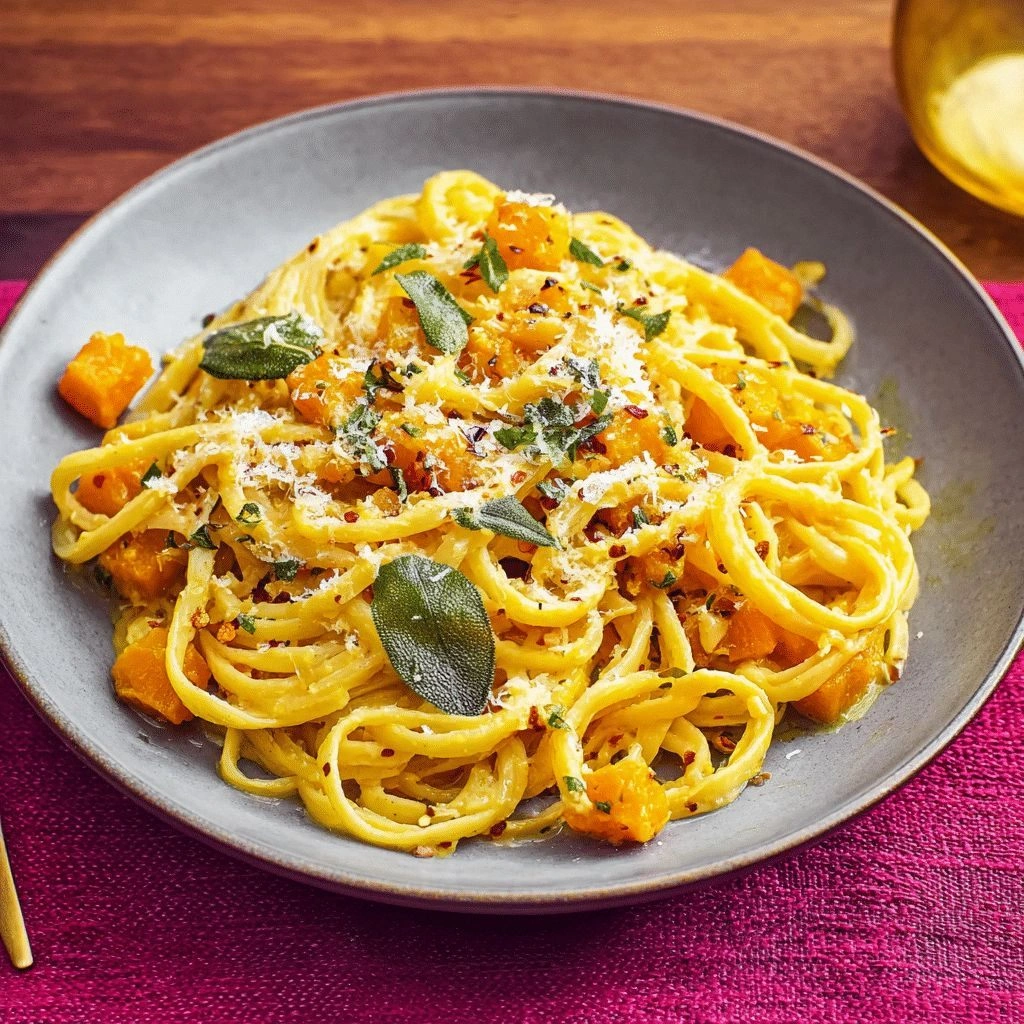
- Serve immediately, garnished with extra sage leaves and grated parmesan if desired. The dish should look golden, with a glossy sauce and a scattering of toasted nuts that glint like tiny jewels.
That's it — you did it. But hold on, I've got a few more tricks that'll take this to another level.
Insider Tricks for Flawless Results
The Temperature Rule Nobody Follows
Many cooks roast squash at 400°F, but 425°F gives a sharper caramelization without drying out the flesh. The higher heat also shortens the roasting time, freeing up your stove for the sauce. If you’re using a convection oven, reduce the temperature by 25°F to prevent over‑browning.
Why Your Nose Knows Best
Smell the sauce as it thickens; it should emit a warm, buttery scent that signals readiness. If the aroma is flat, let it simmer a few more minutes. A strong smell is a reliable indicator that the flavors have melded perfectly.
The 5‑Minute Rest That Changes Everything
After draining the pasta, let it sit for 5 minutes before tossing it with the sauce. This brief rest allows the pasta to re‑absorb a bit of water, making it more receptive to the coating. A friend once skipped this step and the pasta clumped together like a sad noodle salad.
Use the Pasta Water Wisely
Reserve at least ½ cup of pasta water; its starch is the secret to a silky sauce. Add it gradually, tasting as you go. Too much water will thin the sauce, too little will make it clingy.
Balance Sweet and Savory
Don’t be afraid to adjust the salt after adding the parmesan; cheese can be salty, and the squash can be sweet. A quick pinch of salt at the end can elevate the dish from good to unforgettable.
Finish with Fresh Herbs
Just before serving, scatter a handful of fresh sage leaves. The fresh herb adds a bright, green contrast to the golden sauce and makes the dish look more vibrant.
Creative Twists and Variations
This recipe is a playground. Here are some of my favorite ways to switch things up:
Spicy Pumpkin Pasta
Swap butternut for pumpkin puree and add a pinch of red pepper flakes for heat. The puree keeps the dish light, while the flakes introduce a subtle kick that balances the sweet.
Vegan Creamy Squash Linguine
Replace heavy cream with cashew cream and omit the parmesan. The cashews provide a creamy texture, and a splash of nutritional yeast adds a cheesy depth without dairy.
Seafood Fusion
Add shrimp or scallops to the skillet in the last 3 minutes of cooking. The seafood’s briny flavor pairs beautifully with the sweet squash, creating a sophisticated twist.
Nutty Pesto Boost
Stir in a spoonful of basil pesto after the sauce thickens. The herbaceous pesto introduces a green note that brightens the dish and adds an extra layer of complexity.
Breakfast‑Style Squash Linguine
Serve the pasta over a bed of sautéed spinach, topped with a poached egg. The runny yolk creates a sauce that coats the noodles, turning dinner into a hearty breakfast.
Gluten‑Free Version
Use gluten‑free linguine or spiralized zucchini noodles. The texture changes slightly, but the flavor profile remains intact, making the dish inclusive for all diets.
Storing and Bringing It Back to Life
Fridge Storage
Store the finished pasta in an airtight container for up to 3 days. The sauce thickens slightly in the fridge, so add a splash of warm water before reheating to restore its silky consistency.
Freezer Friendly
Freeze the pasta in a single layer on a parchment‑lined tray for 2–3 hours, then transfer to a freezer bag. Reheat in the microwave with a splash of milk or water, stirring every minute.
Best Reheating Method
Reheat on the stove over low heat, whisking constantly and adding a bit of water or broth until the sauce reaches the desired thickness. Avoid boiling, as that can separate the cream and cheese.