I remember the night I tried to impress a group of friends with a classic vanilla sponge, only to end up with a flat, flavor‑less pancake that could have doubled as a yoga mat. The disappointment was palpable, the silence louder than a library at midnight, and I swore off baking for a week. Then, out of sheer desperation (and a dare from my roommate who claimed no one could resist pistachio and rose together), I dove into the pantry and emerged with a batter that smelled like a spring garden in full bloom. The moment the rose‑scented steam curled up from the mixing bowl, I knew I had stumbled onto something magical.
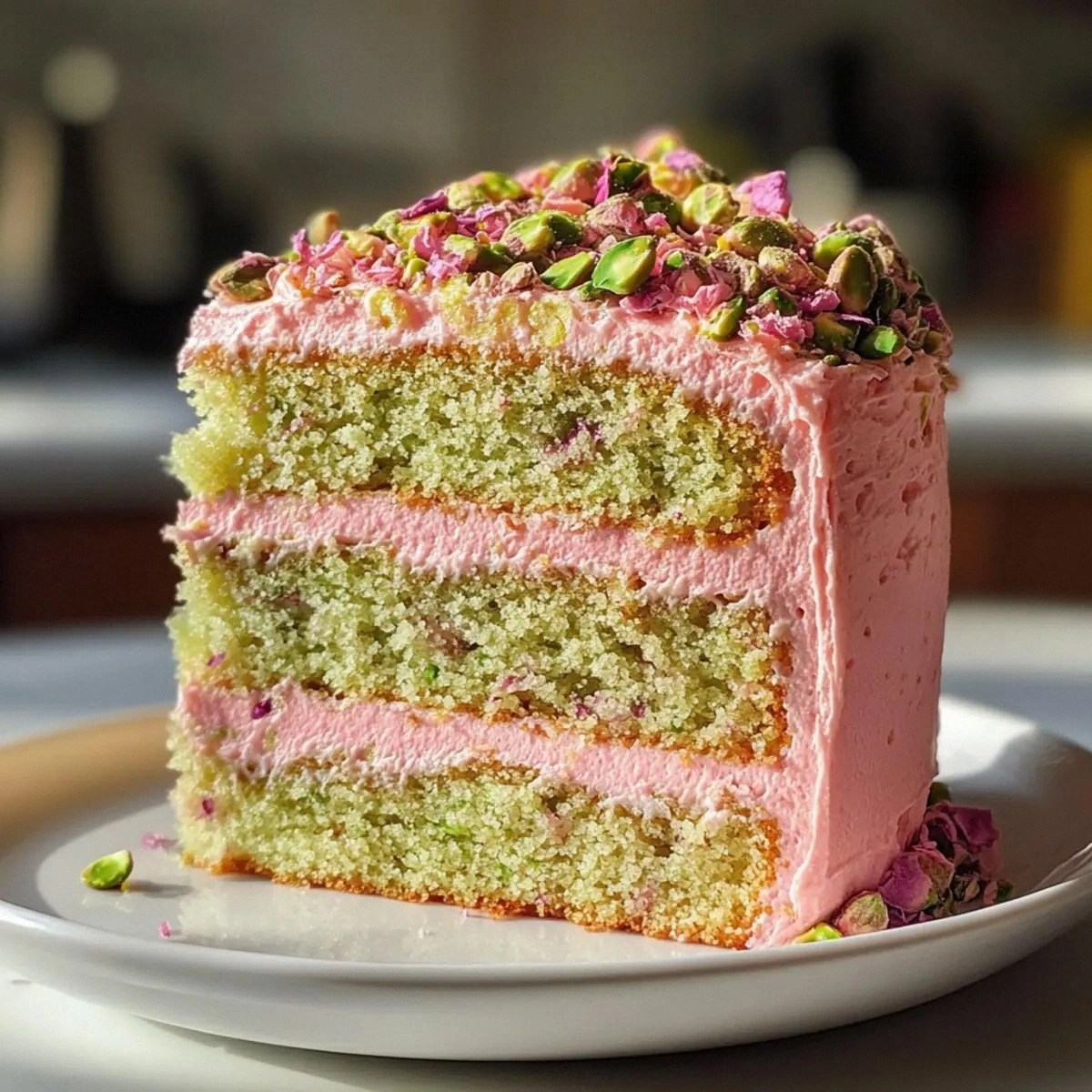
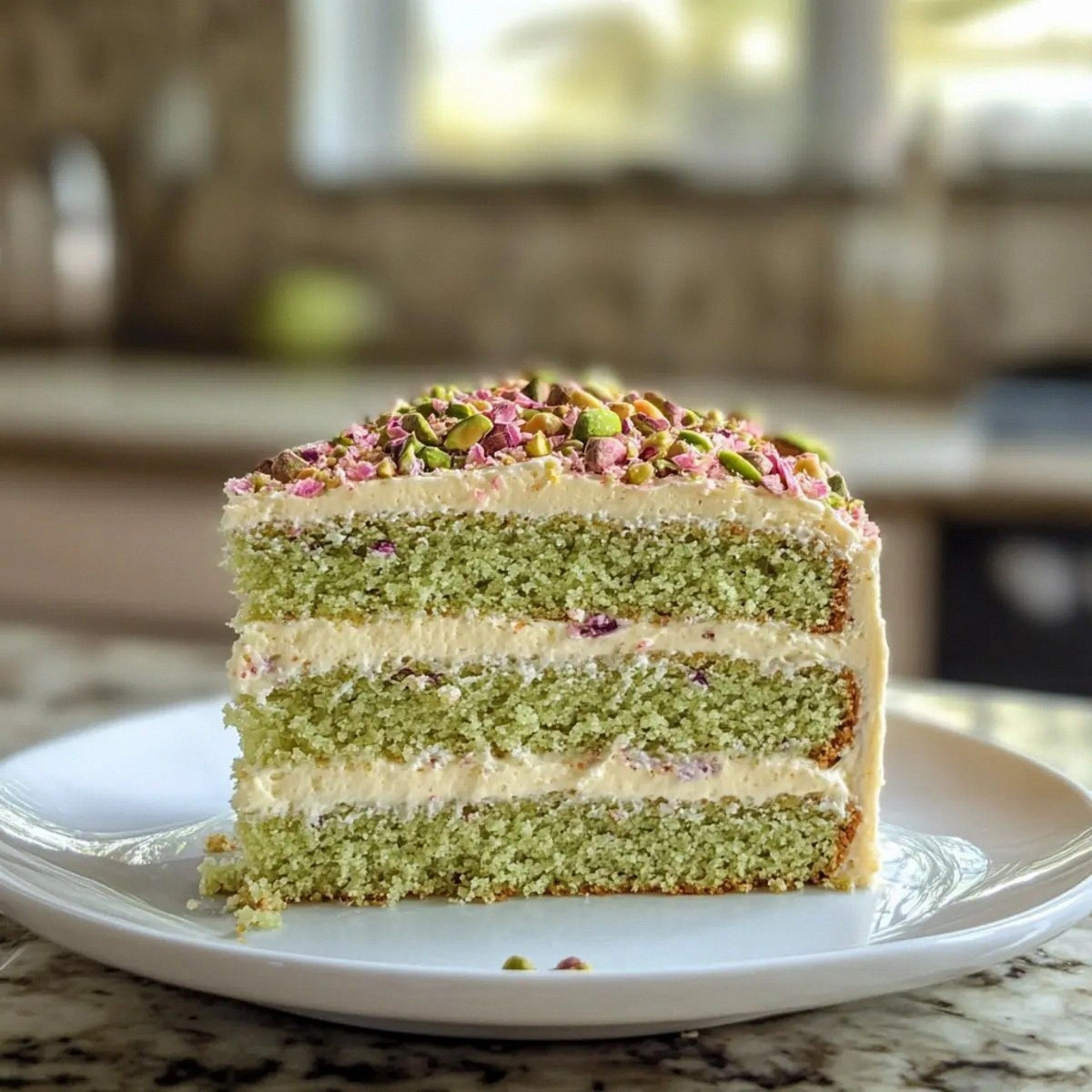
Picture this: a golden‑brown cake rising in the oven, its surface speckled with crushed pistachios that glisten like tiny emerald confetti. As it bakes, the sweet aroma of sugar and butter dances with the delicate perfume of rose water, creating a fragrance that could coax even the most stoic neighbor into the kitchen. When you finally slice into it, the crumb is feather‑light, almost cloud‑like, yet it holds a subtle nutty crunch that makes each bite a surprise party for your palate. The flavor? A harmonious duet where the earthy pistachio sings alongside the floral rose, with a buttery backdrop that ties everything together.
Most pistachio cake recipes I’ve tried either drown the nutty flavor in too much sugar or make the rose water taste like a cheap perfume. This version, however, strikes the perfect balance: the pistachios are toasted just enough to bring out their natural sweetness, and the rose water is measured precisely so it enhances without overwhelming. I dare you to taste this and not go back for seconds; the combination is so addictive that you’ll find yourself planning the next gathering before the first slice even hits the plate.
There’s a secret technique hidden in this recipe that most bakers overlook—a brief “rest” period for the batter after the wet and dry components are combined. This step, often dismissed as “just wait,” actually allows the gluten to relax and the pistachio particles to hydrate, resulting in a crumb that’s as tender as a sigh. Okay, ready for the game‑changer? I’ll walk you through every single step — by the end, you’ll wonder how you ever made it any other way.
What Makes This Version Stand Out
- Flavor Fusion: The marriage of pistachio and rose creates a taste profile that feels both exotic and comfortingly familiar, making it a conversation starter at any gathering.
- Texture Triumph: A light, airy crumb contrasted with a gentle crunch from the pistachios keeps every bite interesting from start to finish.
- Simplicity: Despite its sophisticated flavor, the ingredient list is short and the steps are straightforward—no fancy equipment required.
- Unique Ingredient: Rose water, used sparingly, adds a floral lift that most nut cakes lack, turning an ordinary dessert into a show‑stopper.
- Crowd Reaction: Guests often claim they’ve never tasted anything like it, and the “wow” factor is instant—perfect for birthdays, brunches, or any occasion where you want to impress.
- Ingredient Quality: Using fresh, unsalted pistachios and high‑quality rose water makes a massive difference; the flavors shine without any artificial aftertaste.
- Cooking Method: Baking at a moderate temperature ensures an even rise and a golden crust without drying out the interior.
- Make‑Ahead Potential: This cake stores beautifully, so you can bake it a day ahead and still serve it fresh‑warm.
Alright, let's break down exactly what goes into this masterpiece...
Inside the Ingredient List
The Flavor Base
Sugar and vanilla extract are the dynamic duo that give the cake its sweet backbone and aromatic depth. Sugar not only sweetens but also helps create a tender crumb by interfering with gluten formation. Vanilla adds a warm, familiar note that balances the floral rose water, ensuring the final taste isn’t one‑note. If you’re out of vanilla, a splash of almond extract works surprisingly well, though it will shift the flavor profile toward a nutty finish.
The Texture Crew
All‑purpose flour and baking powder are the structural heroes here. The flour provides the framework, while the baking powder gives the cake its lift, creating that airy, cloud‑like texture we all crave. Be sure to sift the flour with the baking powder; this aerates the mixture and prevents clumps, which could otherwise lead to dense pockets. If you’re gluten‑sensitive, a 1‑to‑1 substitution with a gluten‑free flour blend works, but you may need an extra ½ teaspoon of baking powder for optimal rise.
The Unexpected Star
Rose water is the surprise element that elevates this cake from ordinary to unforgettable. A little goes a long way—2 tablespoons are enough to perfume the batter without making it taste like a flower shop. Choose a culinary‑grade rose water; cheaper versions often contain synthetic fragrances that can taste harsh. If you’re unsure, start with 1 tablespoon, taste the batter, and add the second tablespoon if you want more bloom.
The Final Flourish
Pistachios, butter, and eggs round out the recipe, delivering richness, moisture, and that coveted crunch. Toasting the pistachios lightly before folding them in unlocks a deeper, buttery flavor that pairs perfectly with the rose. Unsalted butter ensures the salt level stays controlled, while the eggs act as emulsifiers, binding the wet and dry ingredients into a smooth batter. If you prefer a dairy‑free version, substitute butter with an equal amount of coconut oil and use a plant‑based milk; the texture will remain silky, though the flavor will shift subtly.
Everything's prepped? Good. Let's get into the real action...
The Method — Step by Step
Preheat your oven to 350°F (175°C) and grease a 9‑inch round cake pan with butter, then line the bottom with parchment paper. This ensures the cake releases cleanly and the edges stay perfectly even. The moment the butter hits the pan, you’ll hear a faint sizzle—an early sign that your cake will have a buttery crust.
In a medium bowl, whisk together the flour, baking powder, and salt until fully combined. Sifting at this stage introduces air, which is essential for that light crumb we’re after. Watch out: Over‑mixing the dry ingredients can develop gluten, leading to a tougher texture later.
In a separate large bowl, beat the butter and sugar together until the mixture is pale and fluffy, about 3‑4 minutes on medium speed. This creaming process traps air bubbles, which will expand during baking, giving the cake its rise. The scent of melted butter and sugar should be sweet and slightly caramelized—if it smells burnt, lower the mixer speed.
Add the eggs one at a time, beating well after each addition. Then stir in the vanilla extract and rose water. The batter will look glossy and fragrant; that’s the rose water doing its work.
Kitchen Hack: If the batter looks too thick after adding the eggs, whisk in a splash of milk to loosen it without compromising structure.Gradually add the dry ingredients to the wet mixture, folding gently with a spatula. Stop mixing as soon as you no longer see streaks of flour; over‑mixing can make the cake dense. At this point, the batter should be smooth, with a slight sheen from the butter.
Fold in the toasted pistachios, reserving a handful to sprinkle on top for extra crunch. The pistachios should be evenly distributed, creating speckles of green throughout the batter. This is the moment where the visual appeal starts to shine—think of a marble cake but with nutty veins.
Pour the batter into the prepared pan, smoothing the top with the back of a spoon. Sprinkle the reserved pistachios evenly across the surface; they’ll toast further in the oven, forming a lightly browned crust. Watch Out: Opening the oven door too early can cause the cake to sink; trust the timer.
Bake for 30‑35 minutes, or until a toothpick inserted into the center comes out clean and the edges start pulling away from the pan. The top should be golden‑brown with pistachios showing a gentle caramel hue. If you’re using a convection oven, reduce the temperature by 25°F and start checking at the 25‑minute mark.
Allow the cake to cool in the pan for 10 minutes, then run a thin knife around the edge and invert onto a wire rack. Cooling on a rack prevents steam from making the bottom soggy. While it cools, the aroma will fill your kitchen, and you’ll start to feel that inevitable urge to sneak a bite.
Once completely cooled, dust lightly with powdered sugar or drizzle a simple glaze made from powdered sugar mixed with a teaspoon of rose water. This final touch adds a glossy finish and amplifies the floral notes. Serve with a dollop of whipped cream if you’re feeling extra indulgent, and watch your guests’ faces light up.
That's it — you did it. But hold on, I've got a few more tricks that'll take this to another level...
Insider Tricks for Flawless Results
The Temperature Rule Nobody Follows
Never bake a cake straight from the fridge; the sudden temperature shock can cause the batter to contract, leading to a sunken center. Let the batter sit at room temperature for 10‑15 minutes after mixing. This small pause equalizes the temperature, ensuring a uniform rise. I once tried to skip this step and ended up with a dome that looked like a deflated balloon—lesson learned.
Why Your Nose Knows Best
Your sense of smell is a reliable indicator of doneness. When the cake is about 5 minutes from finishing, you’ll notice a sweet, buttery fragrance intensifying, followed by a faint hint of toasted pistachio. If the scent is still mild, give it a couple more minutes. Trusting your nose can save you from an under‑baked interior that feels gummy.
The 5‑Minute Rest That Changes Everything
After removing the cake from the oven, let it rest on the rack for an additional 5 minutes before slicing. This brief rest allows the steam inside to redistribute, preventing the crumb from drying out. I once sliced too early, and the cake crumbled like dry sand—never again. The rest period also lets the rose flavor settle, making each bite more aromatic.
Pistachio Toasting Secrets
Toast pistachios in a dry skillet over medium heat for 3‑4 minutes, shaking the pan frequently. You’ll hear a gentle crackle, and the nuts will turn a deeper shade of green with a nutty perfume. This step is essential; raw pistachios can taste bitter and watery, ruining the delicate balance of the cake.
Butter Temperature Matters
Use softened, not melted, butter for the creaming step. Softened butter traps air more efficiently, resulting in a lighter batter. If the butter is too warm, it will blend into the sugar without creating the desired foam, leading to a denser cake. My favorite trick is to cube the butter and let it sit out for exactly 30 minutes—no more, no less.
Creative Twists and Variations
This recipe is a playground. Here are some of my favorite ways to switch things up:
Citrus Rose Delight
Add the zest of one lemon or orange to the batter and replace half the milk with orange juice. The citrus brightens the floral notes and adds a subtle tang that pairs beautifully with pistachios. Ideal for brunches when you want a fresh, uplifting dessert.
Chocolate Pistachio Fusion
Melt ½ cup of dark chocolate and swirl it into the batter just before pouring into the pan. The chocolate ribbons create a marbled effect, and the bitterness of cocoa balances the sweetness and rose aroma. Chocolate lovers will swear this is the ultimate indulgence.
Vegan Velvet
Swap butter for coconut oil, use almond milk instead of dairy milk, and replace eggs with a flax‑egg mixture (2 tbsp ground flaxseed + 6 tbsp water). The result is a vegan-friendly cake that still boasts the same airy texture and nutty flavor.
Spiced Autumn Version
Introduce a pinch of ground cardamom and a dash of cinnamon to the dry ingredients. These warm spices complement the pistachio’s earthiness and give the cake a cozy, seasonal twist—perfect for a fall gathering.
Glazed Pistachio Crunch
After the cake has cooled, brush the top with a simple glaze made from powdered sugar, a teaspoon of rose water, and a splash of milk, then sprinkle additional toasted pistachios. The glaze adds a glossy finish while the extra pistachios provide a satisfying crunch on every bite.
Storing and Bringing It Back to Life
Fridge Storage
Wrap the cake tightly in plastic wrap or store it in an airtight container. It will stay fresh for up to 4 days in the refrigerator. Before serving, let it sit at room temperature for 20 minutes or microwave a slice for 10‑15 seconds to revive the softness.
Freezer Friendly
Slice the cake, place each piece between parchment sheets, and freeze in a zip‑top bag. It can be kept for up to 2 months. When you’re ready to enjoy, thaw overnight in the fridge, then warm gently in the oven at 300°F for 8‑10 minutes; the gentle heat restores the crumb’s fluffiness.
Best Reheating Method
Add a tiny splash of milk (about a tablespoon) to the slice before reheating in the microwave; this creates a steam effect that revives the cake’s moisture. The result is a slice that tastes as if it just came out of the oven, with the pistachio’s crunch still intact.