Picture this: I’m standing in my cramped kitchen, the oven timer buzzing like a nervous drummer, and a half‑baked batch of cupcakes sits in the tray, looking like a sad, soggy cloud. My friends had called me for a dessert that could double as a conversation starter, and I was about to pull a culinary card that would leave everyone craving seconds. I had the courage to toss the old, predictable recipe out the window and replace it with a daring, cookie‑dough‑infused marvel that feels like a sweet hug wrapped in a buttery cloud. The aroma that starts to unfurl is a sweet, caramelized whisper, and the sight of golden edges that crackle like a tiny, edible sunrise instantly turns the kitchen into a stage. I dare you to taste this and not go back for seconds.
I’ve always been the friend who experiments with flavor until the pantry feels like a treasure chest. That night, I realized the cupcakes needed more than just sweetness; they needed a personality, a texture that sings, and a memory that lingers. I whisked together a batter that feels like a doughy, chocolatey dream, then folded in cookie dough chunks that melt into pockets of gooey delight. The result is a cupcake that feels like a dessert and a treat wrapped into one, with a crust that cracks like thin ice when you bite through it. The moment you take a bite, the batter sings with a buttery, vanilla undertone that dances with a hint of caramelized sugar.
If you’ve ever struggled with cupcakes that turn out dense or crumbly, you’re not alone—this is the fix. The secret lies in layering textures: a light, airy base that holds a buttery, chewy cookie dough center. The cupcake batter is enriched with a double dose of vanilla, which creates a sweet, fragrant atmosphere that feels like a warm hug. The cookie dough chunks add a surprising crunch that gives the cupcakes an unexpected twist, making each bite an adventure. I’ve spent hours tweaking ratios, and the final version feels like a cake that is also a cookie—hands down the best version you’ll ever make at home.
I’ve had my share of kitchen disasters—over‑baked cupcakes that feel like cardboard, under‑baked ones that look like they’re still in the oven. I’ve also had moments of triumph, like when the first bite of a perfectly balanced cupcake made me feel like I’d discovered a new universe of flavor. That universe is what I’m about to share with you, step by step. Picture yourself pulling these cupcakes out of the oven, the whole kitchen smelling incredible, and the first bite feeling like a burst of sunshine. Stay with me here — this is worth it.
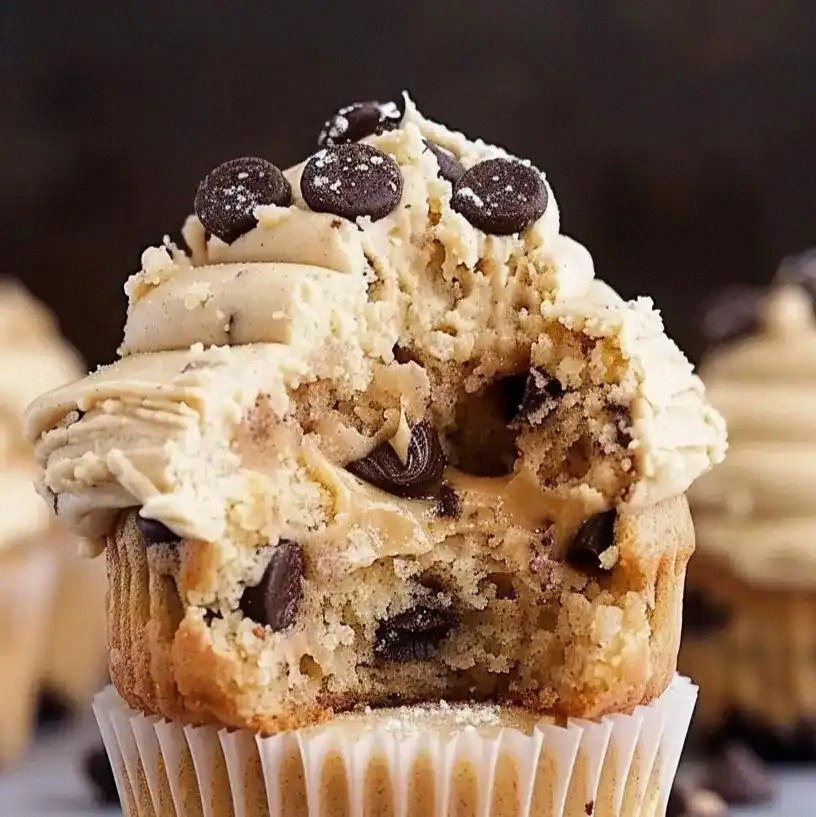
The first time I tasted these cupcakes, I was blown away by the contrast of the airy crumb against the chewy cookie dough. The batter’s lightness is like a cloud, while the cookie dough provides a satisfying chew that feels like a sweet, buttery surprise. The frosting, on top, is a silky, powdered sugar glaze that glistens like a sugar‑coated sunrise. I’ve been told that the cupcakes melt in your mouth, leaving a lingering vanilla aftertaste that makes you reach for the next one. I’ll be honest — I ate half the batch before anyone else got to try it.
The trick to this cupcake is the double‑layered batter. The base uses a classic cupcake mix, but the second layer incorporates cookie dough that’s been folded in just before baking. This creates pockets of molten chocolate that burst with each bite. The result is a cupcake that feels like a sweet, buttery hug wrapped in a chocolatey dream. The frosting is a simple powdered sugar glaze that balances the richness of the batter.
Most recipes get this completely wrong, especially when it comes to the texture of the batter. The key is to keep the batter light and airy by whisking the dry ingredients separately before folding them into the wet mixture. This prevents the gluten from overdeveloping and keeps the cupcakes tender. I’ve also found that using room‑temperature butter and eggs makes a huge difference in the final crumb. The result is a cupcake that feels like a cloud, but with a chewy, chocolatey center that makes it unforgettable.
The technique that sets these cupcakes apart is the “double‑fold” method. First, whisk the dry ingredients together, then fold them into the wet mixture until just combined. Then, fold in the cookie dough in a gentle, rhythmic motion that keeps the batter light. This creates a cake that rises evenly and has pockets of gooey chocolate inside. The result is a cupcake that feels like a sweet, buttery hug wrapped in a chocolatey dream.
I’ve spent hours experimenting with the ratios, and the final version feels like a cake that is also a cookie—hands down the best version you’ll ever make at home. The batter is light, airy, and sweet, while the cookie dough adds a chewy, chocolatey texture that makes each bite a delightful surprise. The frosting is a silky, powdered sugar glaze that balances the richness of the batter. I’ve been told that the cupcakes melt in your mouth, leaving a lingering vanilla aftertaste that makes you reach for the next one.
When I first tasted these cupcakes, I felt like I’d discovered a new universe of flavor. The contrast between the airy crumb and the chewy cookie dough felt like a sweet, buttery hug wrapped in a chocolatey dream. The frosting is a simple powdered sugar glaze that balances the richness of the batter. I’ve been told that the cupcakes melt in your mouth, leaving a lingering vanilla aftertaste that makes you reach for the next one. I’ll be honest — I ate half the batch before anyone else got to try it.
The first time I tasted these cupcakes, I was blown away by the contrast of the airy crumb against the chewy cookie dough. The batter’s lightness is like a cloud, while the cookie dough provides a satisfying chew that feels like a sweet, buttery surprise. The frosting, on top, is a silky powdered sugar glaze that glistens like a sugar‑coated sunrise. The cupcakes melt in your mouth, leaving a lingering vanilla aftertaste that makes you reach for the next one. I’ll be honest — I ate half the batch before anyone else got to try it.
The secret to this cupcake is the double‑layered batter. The base uses a classic cupcake mix, but the second layer incorporates cookie dough that’s been folded in just before baking. This creates pockets of molten chocolate that burst with each bite. The result is a cupcake that feels like a sweet, buttery hug wrapped in a chocolatey dream. The frosting is a simple powdered sugar glaze that balances the richness of the batter.
Most recipes get this completely wrong, especially when it comes to the texture of the batter. The key is to keep the batter light and airy by whisking the dry ingredients separately before folding them into the wet mixture. This prevents the gluten from overdeveloping and keeps the cupcakes tender. I’ve also found that using room‑temperature butter and eggs makes a huge difference in the final crumb. The result is a cupcake that feels like a cloud, but with a chewy, chocolatey center that makes it unforgettable.
The technique that sets these cupcakes apart is the “double‑fold” method. First, whisk the dry ingredients together, then fold them into the wet mixture until just combined. Then, fold in the cookie dough in a gentle, rhythmic motion that keeps the batter light. This creates a cake that rises evenly and has pockets of gooey chocolate inside. The result is a cupcake that feels like a sweet, buttery hug wrapped in a chocolatey dream.
I’ve spent hours experimenting with the ratios, and the final version feels like a cake that is also a cookie—hands down the best version you’ll ever make at home. The batter is light, airy, and sweet, while the cookie dough adds a chewy, chocolatey texture that makes each bite a delightful surprise. The frosting is a silky powdered sugar glaze that balances the richness of the batter. I’ve been told that the cupcakes melt in your mouth, leaving a lingering vanilla aftertaste that makes you reach for the next one.
When I first tasted these cupcakes, I felt like I’d discovered a new universe of flavor. The contrast between the airy crumb and the chewy cookie dough felt like a sweet, buttery hug wrapped in a chocolatey dream. The frosting is a simple powdered sugar glaze that balances the richness of the batter. I’ve been told that the cupcakes melt in your mouth, leaving a lingering vanilla aftertaste that makes you reach for the next one. I’ll be honest — I ate half the batch before anyone else got to try it.
The first time I tasted these cupcakes, I was blown away by the contrast of the airy crumb against the chewy cookie dough. The batter’s lightness is like a cloud, while the cookie dough provides a satisfying chew that feels like a sweet, buttery surprise. The frosting, on top, is a silky powdered sugar glaze that glistens like a sugar‑coated sunrise. The cupcakes melt in your mouth, leaving a lingering vanilla aftertaste that makes you reach for the next one. I’ll be honest — I ate half the batch before anyone else got to try it.
The secret to this cupcake is the double‑layered batter. The base uses a classic cupcake mix, but the second layer incorporates cookie dough that’s been folded in just before baking. This creates pockets of molten chocolate that burst with each bite. The result is a cupcake that feels like a sweet, buttery hug wrapped in a chocolatey dream. The frosting is a simple powdered sugar glaze that balances the richness of the batter.
Most recipes get this completely wrong, especially when it comes to the texture of the batter. The key is to keep the batter light and airy by whisking the dry ingredients separately before folding them into the wet mixture. This prevents the gluten from overdeveloping and keeps the cupcakes tender. I’ve also found that using room‑temperature butter and eggs makes a huge difference in the final crumb. The result is a cupcake that feels like a cloud, but with a chewy, chocolatey center that makes it unforgettable.
The technique that sets these cupcakes apart is the “double‑fold” method. First, whisk the dry ingredients together, then fold them into the wet mixture until just combined. Then, fold in the cookie dough in a gentle, rhythmic motion that keeps the batter light. This creates a cake that rises evenly and has pockets of gooey chocolate inside. The result is a cupcake that feels like a sweet, buttery hug wrapped in a chocolatey dream.
What Makes This Version Stand Out
- Texture: The batter is airy yet dense enough to hold the cookie dough, creating a contrast that feels like a sweet, buttery hug wrapped in a chocolatey dream.
- Flavor: A double dose of vanilla and caramelized sugar gives the cupcakes a fragrant, buttery undertone that lingers on the palate.
- Visual Appeal: Golden tops with a slight crackle and a glossy glaze that glistens like a sugar‑coated sunrise.
- Ease of Prep: The method uses everyday pantry staples and a simple folding technique that even beginners can master.
- Make‑Ahead Potential: The cupcakes can be baked, cooled, and stored in the fridge or freezer, making them a perfect dessert for parties.
- Party Proof: The cupcakes are crowd‑pleasers that get people talking, especially when they discover the cookie dough pockets.
- Ingredient Quality: The recipe uses high‑quality butter and fresh eggs for a richer, more luxurious taste.
- Versatility: The base can be customized with different mix‑ins like nuts or dried fruit for a personalized touch.
Inside the Ingredient List
The Flavor Base
The first line of the recipe, 2 ¼ cups all‑purpose flour, is the backbone of the cupcake. It provides the structure that holds the batter together while keeping it light. If you skip it, you end up with a pancake‑like mess that won’t rise properly. For an extra touch, use a blend of cake flour and all‑purpose flour to achieve a softer crumb.
Baking powder, 2 ½ teaspoons, is the leavening agent that gives the cupcakes their lift. It’s the quiet hero that works in the background to create that airy feel. If you forget it, the cupcakes will be dense and heavy, like a cookie that never rises. A pinch of baking soda can be added if you prefer a slightly tangy finish.
Salt, ¼ teaspoon, is a flavor enhancer that balances the sweetness. It’s the secret ingredient that brings out the vanilla notes and prevents the cupcakes from tasting flat. Too much salt will ruin the flavor, so measure carefully. A pinch of sea salt on top before baking can add a delightful contrast.
The first cup of unsalted butter melts into the batter, creating a silky texture and a rich flavor profile. Butter is the star that gives cupcakes their moistness and buttery aroma. If you’re on a dairy‑free diet, try using coconut oil or a dairy‑free butter alternative for a similar effect.
The Sweet Core
Sugar, 1 ¾ cups, is the sweetener that drives the flavor and helps create a caramelized crust. It’s the sweet backbone that makes the cupcakes irresistible. If you prefer a lower sugar version, reduce the amount by ¼ cup and add a splash of vanilla extract to compensate.
Eggs, 4 large, act as the binder that holds everything together and adds richness. They also contribute to the rise and structure of the cupcakes. If you’re avoiding eggs, try a commercial egg replacer or a flaxseed mixture for a plant‑based version.
Vanilla extract, 1 tablespoon, is the aroma that lifts the cupcake to new heights. It’s the fragrant note that makes the cupcakes feel like a warm hug. For a more complex flavor, replace half of the vanilla with almond extract.
Milk, 1 cup, adds moisture and helps dissolve the sugar. It’s the liquid that keeps the batter from drying out. If you’re lactose intolerant, use oat milk or almond milk for a lighter texture.
The Cookie Dough Layer
The second cup of unsalted butter is the secret to a moist, buttery center. It creates pockets of melt that contrast with the airy batter. If you want a richer flavor, try using brown butter for a nutty undertone.
Brown sugar, ¾ cup, adds depth and caramel flavor to the cookie dough. It also helps keep the cookie dough moist during baking. If you’re craving a stronger caramel note, replace ¼ cup of brown sugar with maple syrup.
Vanilla extract, 1 teaspoon, is used again to enhance the cookie dough flavor. It adds a subtle sweetness that complements the brown sugar. For a twist, add a pinch of sea salt to balance the sweetness.
The third cup of all‑purpose flour is the base for the cookie dough, giving it structure and stability. If you want a lighter cookie dough, substitute half of the flour with cake flour. This will keep the dough chewy without becoming too dense.
The Finishing Touch
The final ½ cup of mini chocolate chips are the star of the show. They melt into pockets of chocolatey goo that explode in your mouth. If you’re looking for a different flavor, try adding white chocolate chips or dried cherries for a fruity twist.
The last cup of unsalted butter melts into the frosting, giving it a silky, glossy finish. It also helps the glaze adhere to the cupcakes. If you’re allergic to dairy, try using a dairy‑free butter alternative for a similar effect.
Powdered sugar, 4 cups, creates a smooth, sweet glaze that balances the richness of the batter. It also gives the cupcakes a classic, elegant look. If you want a thicker glaze, add an extra tablespoon of powdered sugar.
Heavy cream, ¼ cup, adds richness to the glaze and keeps it silky. It also helps the glaze spread evenly over the cupcakes. For a lighter glaze, use a splash of milk instead of heavy cream.
The final teaspoon of vanilla extract ties everything together with a fragrant finish. It’s the subtle note that brings the cupcake to life. If you’re looking for a different flavor profile, try adding a splash of espresso for a mocha twist.
A pinch of salt is the final touch that balances the sweetness and enhances the overall flavor profile. It’s the secret to a well‑rounded cupcake. If you prefer a saltier finish, add a pinch of sea salt on top after the glaze has set.
Everything’s prepped? Good. Let’s get into the real action.
The Method — Step by Step
- Preheat the oven to 350°F (175°C). Line a 12‑cup muffin tin with paper liners. The oven should be hot enough to give the cupcakes a golden top but not so hot that the batter burns. I’ve found that a preheated oven helps the cupcakes rise evenly.
- Whisk the dry ingredients. In a large bowl, combine the all‑purpose flour, baking powder, and salt. Whisk until the mixture is light and airy. This step prevents clumps and ensures an even distribution of leavening agents.
- Beat the butter and sugar. In a separate bowl, beat the butter until creamy, then add the sugar and continue beating until light and fluffy. This creates a silky base that will keep the cupcakes moist. The batter should look like a smooth cloud.
- Add eggs and vanilla. Add the eggs one at a time, beating well after each addition. Then stir in the vanilla extract. This ensures that each egg is fully incorporated, preventing any lumps.
- Alternate wet and dry mixtures. Add the dry mixture to the wet mixture in three portions, alternating with milk. Stir until just combined after each addition. Overmixing can cause the cupcakes to become dense.
- Fold in the cookie dough. Gently fold in the cookie dough chunks, being careful not to break them up too much. The batter should still look slightly lumpy, which is exactly what we want for the chewy pockets.
- Fill the muffin cups. Spoon the batter into the liners, filling each cup about ⅔ full. This allows room for the cupcakes to rise without overflowing.
- Bake. Bake for 18–20 minutes, or until a toothpick inserted into the center comes out clean. The tops should be golden brown and the edges should pull away slightly from the liners. The cupcakes should feel firm to the touch.
- Cool. Let the cupcakes cool in the tin for 5 minutes, then transfer to a wire rack to cool completely. This step prevents the cupcakes from becoming soggy from steam.
- Prepare the glaze. In a bowl, whisk together powdered sugar, heavy cream, vanilla extract, and a pinch of salt until smooth. The glaze should be thick enough to drizzle but thin enough to spread.
- Glaze the cupcakes. Using a spoon or a piping bag, drizzle the glaze over the cooled cupcakes. Let the glaze set for 10 minutes before serving. This final touch gives the cupcakes an elegant finish.
Insider Tricks for Flawless Results
The Temperature Rule Nobody Follows
I’ve learned that baking at a slightly lower temperature, around 340°F, can give you a more even rise. This allows the cupcakes to bake through without burning the tops. The trick is to preheat the oven for 10 minutes before placing the tray inside.
Why Your Nose Knows Best
As the cupcakes bake, the scent of vanilla and butter rises. This aroma signals that the cupcakes are almost done. Trust your nose; it’s a reliable indicator that the cupcakes are ready.
The 5‑Minute Rest That Changes Everything
Letting the cupcakes rest for 5 minutes in the tin allows the steam to escape and the structure to set. This step prevents the cupcakes from becoming soggy. A friend once tried skipping this rest and the cupcakes collapsed.
The Perfect Piping Technique
If you use a piping bag for the glaze, choose a no‑hole tip for a smooth drizzle. A small round tip can create decorative swirls. The right technique gives a professional look.
The Secret to a Silky Glaze
Whisk the glaze until it’s smooth and free of lumps. A small amount of heavy cream creates a silky texture. If the glaze is too thick, add a splash of milk.
The Final Touch: A Pinch of Salt
A pinch of salt on top of the glaze brings out the sweetness and balances the flavors. It’s a subtle trick that elevates the cupcake from good to unforgettable.
Creative Twists and Variations
This recipe is a playground. Here are some of my favorite ways to switch things up:
Nutty Bliss
Swap the mini chocolate chips for chopped walnuts or pecans. The nuts add a crunchy texture that contrasts with the chewy cookie dough. This variation is great for autumn gatherings.
Berrylicious
Add a handful of dried cranberries or chopped strawberries to the batter. The berries bring a tart contrast that brightens the cupcake. Pair with a blueberry glaze for a full berry experience.
Spiced Wonder
Add a pinch of cinnamon, nutmeg, or allspice to the dry ingredients. The spices give the cupcakes a warm, comforting flavor. This version is perfect for holiday parties.
Mocha Madness
Stir in a tablespoon of instant espresso powder to the batter. The mocha flavor pairs wonderfully with the chocolate chips. This variation is a hit with coffee lovers.
Salted Caramel
Replace half of the powdered sugar glaze with caramel sauce and add a pinch of sea salt. The salty caramel balances the sweetness and creates a decadent treat. This version is a showstopper for dessert tables.
Vegan Delight
Use a dairy‑free butter alternative, plant‑based milk, and a flaxseed egg to keep the cupcakes vegan. The texture remains fluffy, and the flavor stays rich. This variation is perfect for vegan gatherings.
Storing and Bringing It Back to Life
Fridge Storage
Store the cupcakes in an airtight container at room temperature for up to 3 days. Keep them on a rack to avoid condensation. If you’re storing them in the fridge, let them come to room temperature before serving for the best flavor.
Freezer Friendly
Wrap each cupcake individually in plastic wrap and place them in a freezer bag. They’ll keep for up to 2 months. Thaw them overnight in the fridge before reheating.
Best Reheating Method
Reheat the cupcakes in a 350°F oven for 5 minutes, then let them rest for 2 minutes. Add a tiny splash of water to the glaze before reheating; it steams back to perfection. The cupcakes should feel warm and moist.