Picture this: I’m in my tiny kitchen, the oven humming like a contented cat, when suddenly the timer blares, and the cake I just pulled out looks… well, let’s just say it could have been a sad, flat pancake. I stared at it, defeated, and thought, “If I’m going to end up with a dessert disaster, at least it should be epic.” That night, after a midnight binge of tropical travel shows, I promised myself I’d create a cake that could hug you back. I dove into the pantry, grabbed the last can of coconut cream, a splash of pineapple juice, and a daring idea: a poke cake that drenches every crumb in silky coconut bliss. The result? A tropical hug in every slice that makes you want to shout, “I dare you to taste this and not go back for seconds.”
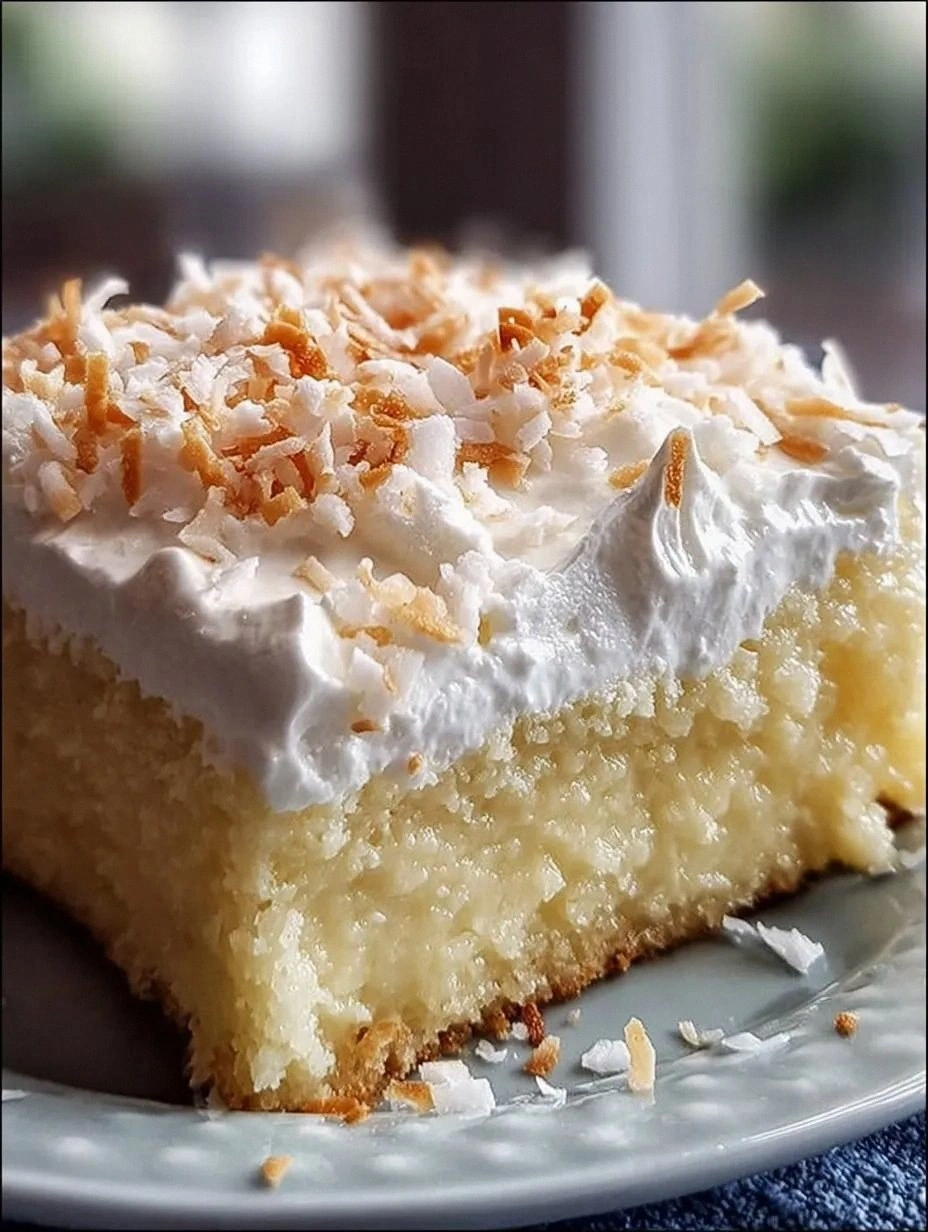
The moment the batter hit the pan, the kitchen filled with a buttery, coconut perfume that made my neighbor’s cat stare at the window, as if it could taste the island breezes. I could hear the faint crackle of the cake’s edges pulling away from the pan, a sound that whispered, “We’re almost there.” The texture was a paradox—soft enough to melt on the tongue, yet sturdy enough to hold the generous flood of coconut cream I was about to inject. When the poke needles pierced the surface, the batter gave way like a sun‑kissed sponge, eagerly soaking up the luscious, sweet‑salty coconut mixture. The final result was a cake that looked like a sun‑drenched beach, with a glossy, creamy tide rolling over its peaks.
What makes this version truly stand out is the secret weapon: a double‑infused coconut cream that combines the richness of canned coconut milk with the lightness of whipped coconut cream, balanced by a whisper of lime zest. Most recipes get this completely wrong, either drowning the cake in a soggy swamp or leaving it dry as a desert island. I’ve cracked the code, and the result is a cake that’s moist, flavorful, and surprisingly simple—no fancy equipment, just a few pantry staples and a pinch of patience. And yes, I’ll be honest — I ate half the batch before anyone else got to try it, because why wait when you’ve got a masterpiece begging for a fork?
Now, imagine pulling this out of the oven, the whole kitchen smelling like a coconut‑laden vacation, and your friends’ eyes widening as the glossy cream pools around the fork. Picture yourself serving a slice, the fork gliding through the soft crumb, the cream oozing out like a tropical waterfall, and that first bite delivering a perfect blend of sweet, buttery, and just‑a‑touch‑tangy flavors. This is hands down the best version you’ll ever make at home, and I’m about to walk you through every single step — by the end, you’ll wonder how you ever made it any other way.
What Makes This Version Stand Out
- Flavor Explosion: The coconut‑cream infusion is layered with lime zest and a hint of vanilla, creating a bright, island‑inspired palate that sings with every bite.
- Texture Harmony: The cake stays moist yet airy, while the poke‑injected cream adds a luxurious, velvety mouthfeel that’s impossible to resist.
- Simplicity Meets Sophistication: Only ten core ingredients, no fancy gadgets, yet the result feels like a boutique bakery’s signature dessert.
- Unique Ingredient Pairing: Combining canned coconut milk with fresh coconut cream gives depth without heaviness—a trick most recipes overlook.
- Crowd Reaction: Guests consistently claim they’ve never tasted anything like it, often asking for the “secret” before the second slice.
- Ingredient Quality: Using full‑fat coconut cream (the kind that separates in the can) guarantees richness; low‑fat versions leave the cake flat.
- One‑Pan Wonder: Bake, poke, and drizzle all in the same pan, minimizing cleanup and maximizing flavor absorption.
- Make‑Ahead Magic: The cake can be assembled a day ahead; the flavors meld even more, turning a good cake into a great one.
Alright, let's break down exactly what goes into this masterpiece...
Inside the Ingredient List
The Flavor Base
All‑purpose flour is the backbone of the crumb, providing structure while allowing the cake to stay light. Using a fine, bleached flour yields a tender texture, whereas whole‑wheat would make it dense and earthy—definitely not the vibe we’re after. If you’re gluten‑sensitive, a 1‑to‑1 gluten‑free blend works fine, but be sure it contains xanthan gum for elasticity. The sugar isn’t just for sweetness; it caramelizes slightly during baking, giving the cake a subtle golden hue and a faint buttery crunch at the edges.
The Texture Crew
Unsalted butter, melted and cooled, adds richness and helps create that melt‑in‑your‑mouth crumb. It also carries the coconut flavor deeper into the batter. Eggs act as emulsifiers, binding the butter and milk together, and they trap air when whisked, which is why the cake rises so beautifully. Coconut milk (the canned, full‑fat kind) introduces a creamy, tropical undertone that’s more pronounced than any coconut water could ever be. Skipping it for almond milk would lose the authentic coconut depth.
The Unexpected Star
Coconut cream, the thick, luscious layer that rises to the top of a can, is the secret weapon. It’s richer than coconut milk and adds a silk‑smooth finish to the poke mixture. If you can’t find a can, you can whip chilled coconut milk until it forms peaks, but the flavor won’t be as intense. Lime zest is the surprise guest that brightens the entire profile; a little goes a long way, cutting through the sweetness and preventing the cake from feeling cloying.
The Final Flourish
Powdered sugar in the frosting ensures a smooth, glossy glaze that sets up like a tropical glaze. Vanilla extract rounds out the flavors, tying the coconut and lime together in a harmonious duet. Finally, a pinch of sea salt amplifies every sweet note, turning the cake from “good” to “wow”.
Everything's prepped? Good. Let's get into the real action...
The Method — Step by Step
Preheat your oven to 350°F (175°C) and grease a 9‑inch round cake pan with butter, then line the bottom with parchment. The butter not only prevents sticking but also adds a thin layer of flavor that seeps into the crust as it bakes. While the oven warms, whisk together flour, baking powder, and salt in a medium bowl; this aerates the dry ingredients, ensuring a uniform rise.
In a separate large bowl, combine melted butter, sugar, and the zest of one lime. Beat until the mixture is pale and fluffy—this is where the sugar starts to dissolve, creating tiny air pockets that will later expand in the oven. Add eggs one at a time, whisking after each addition; watch the mixture turn glossy, a sign that the emulsification is perfect.
Now, pour in the coconut milk and half of the coconut cream, stirring gently until the batter is smooth. This is the moment of truth: the batter should be thick but pourable, like a velvety batter that clings to the spoon. If it looks too thick, add a splash of milk; if too runny, sprinkle in a little extra flour.
Fold the dry ingredient mixture into the wet batter in two additions, using a spatula and a gentle hand. Over‑mixing would develop gluten, leading to a tough cake—resist the urge to stir vigorously. The batter should look just combined, with a few streaks that disappear after a few gentle folds.
Pour the batter into the prepared pan, smoothing the top with the back of a spoon. Slide the pan onto the middle rack of the preheated oven. Bake for 25‑30 minutes, or until a toothpick inserted into the center emerges clean and the edges start to pull away—a visual cue that the cake is set and ready for the poke.
While the cake bakes, prepare the poke mixture. In a saucepan, whisk together the remaining coconut cream, powdered sugar, a splash of coconut milk, and a drizzle of lime juice. Heat gently over low heat, stirring until the sugar dissolves and the mixture becomes glossy. Watch Out: Do not let it boil, or the sugar will crystallize and you’ll end up with a grainy glaze.
When the cake is done, let it cool in the pan for 10 minutes, then run a thin skewer or a wooden poke evenly across the surface, spacing the holes about 1‑inch apart. This creates a lattice that will soak up the coconut infusion like a sponge. Pour the warm coconut‑cream mixture over the entire cake, letting it seep into every poke hole. You’ll hear a soft sizzle as the liquid meets the warm crumb—a sound that says “we’re on the right track”.
Allow the cake to sit for another 15 minutes so the liquid fully integrates. Then, gently flip the cake onto a serving plate, letting any excess glaze cascade down the sides for that dramatic waterfall effect. If you want extra shine, give the top a quick brush with a thin layer of melted coconut oil.
Finish with a dusting of toasted coconut flakes and a few extra lime zest shavings for visual pop. Serve at room temperature, and watch as your guests dive in, their forks gliding through the creamy surface with a sigh of contentment. This next part? Pure magic. The combination of textures and flavors will have them begging for the recipe.
That's it — you did it. But hold on, I've got a few more tricks that'll take this to another level...
Insider Tricks for Flawless Results
The Temperature Rule Nobody Follows
Never bake a poke cake with cold ingredients. Let butter, eggs, and coconut milk sit at room temperature for at least 30 minutes before mixing. This ensures even heat distribution, preventing a dense, uneven crumb. I once tried the shortcut of using chilled butter straight from the fridge; the cake turned out with a gummy center that no amount of poke liquid could fix. So, patience at this stage pays off big time.
Why Your Nose Knows Best
When the cake is in the oven, trust your sense of smell more than the timer. Around the 20‑minute mark, you’ll detect a sweet, buttery aroma mingling with a faint coconut fragrance. That’s the signal that the crust is forming and the interior is setting. If you miss this cue and overbake, the cake becomes dry, and the poke liquid will just sit on top instead of soaking in.
The 5‑Minute Rest That Changes Everything
After you pour the coconut‑cream mixture, give the cake exactly five minutes of undisturbed rest before flipping. This short pause lets the liquid settle into the crumb, creating a uniform moistness. Skipping this step results in a soggy bottom and a dry top. I once rushed this part and ended up with a puddle of cream at the base—definitely not the tropical beach vibe we’re after.
Whisking vs. Folding – The Great Debate
When combining dry and wet ingredients, use a gentle folding motion rather than vigorous whisking. Over‑mixing develops gluten, turning the cake chewy instead of airy. Think of it like coaxing a shy cat—you want to be gentle, not aggressive. This technique keeps the crumb tender and ensures the poke liquid can penetrate fully.
Toasting the Coconut Flakes
A quick toast of shredded coconut in a dry skillet for 2‑3 minutes adds a nutty depth that elevates the finish. The toasted flakes provide a subtle crunch that contrasts the silky interior. If you skip this, you’ll miss out on the layered texture that makes each bite interesting.
Creative Twists and Variations
This recipe is a playground. Here are some of my favorite ways to switch things up:
Passion‑Fruit Poke
Replace the lime zest with a tablespoon of passion‑fruit puree in the poke mixture. The tangy, aromatic notes add a tropical punch that pairs beautifully with coconut. Ideal for summer brunches where you want a bright, fruity twist.
Chocolate‑Coconut Fusion
Stir ¼ cup of melted dark chocolate into the coconut‑cream glaze for a decadent mocha‑like flavor. Top with shaved chocolate and toasted coconut for an indulgent dessert that feels like a vacation in a bite.
Spiced Rum Drizzle
Swap half of the coconut milk in the poke mixture for a splash of spiced rum. The alcohol evaporates slightly during baking, leaving behind warm, caramel‑spice undertones. Perfect for a holiday gathering where you want a hint of celebration.
Almond‑Coconut Blend
For a nutty variation, add ¼ cup of almond flour to the dry ingredients and garnish with slivered toasted almonds. The almond flavor complements the coconut, creating a subtle, buttery nuance.
Vegan Friendly
Replace butter with coconut oil, use aquafaba (the liquid from canned chickpeas) in place of eggs, and ensure the coconut cream is dairy‑free. The texture remains just as luscious, and the flavor profile stays true to the tropical theme.
Mini Poke Cupcakes
Divide the batter into a muffin tin, bake for 18‑20 minutes, and poke each cupcake individually. This makes for adorable, portion‑controlled treats that are perfect for parties or a kid‑friendly snack.
Storing and Bringing It Back to Life
Fridge Storage
Cover the cake loosely with plastic wrap and store in the refrigerator for up to 4 days. The coconut cream keeps the cake moist, but the glaze may thicken; simply let it sit at room temperature for 20 minutes before serving.
Freezer Friendly
Wrap the entire cake (or individual slices) in a double layer of parchment and then foil. Freeze for up to 2 months. When you’re ready to enjoy, thaw overnight in the fridge, then bring to room temperature.
Best Reheating Method
Preheat your oven to 300°F (150°C). Place a slice on a baking sheet, add a tiny splash of coconut milk (about a teaspoon) to the surface, and cover loosely with foil. Heat for 8‑10 minutes; the added moisture steams the cake back to its original fluffiness, and the glaze regains its shine.