
Pan Seared Duck Breast
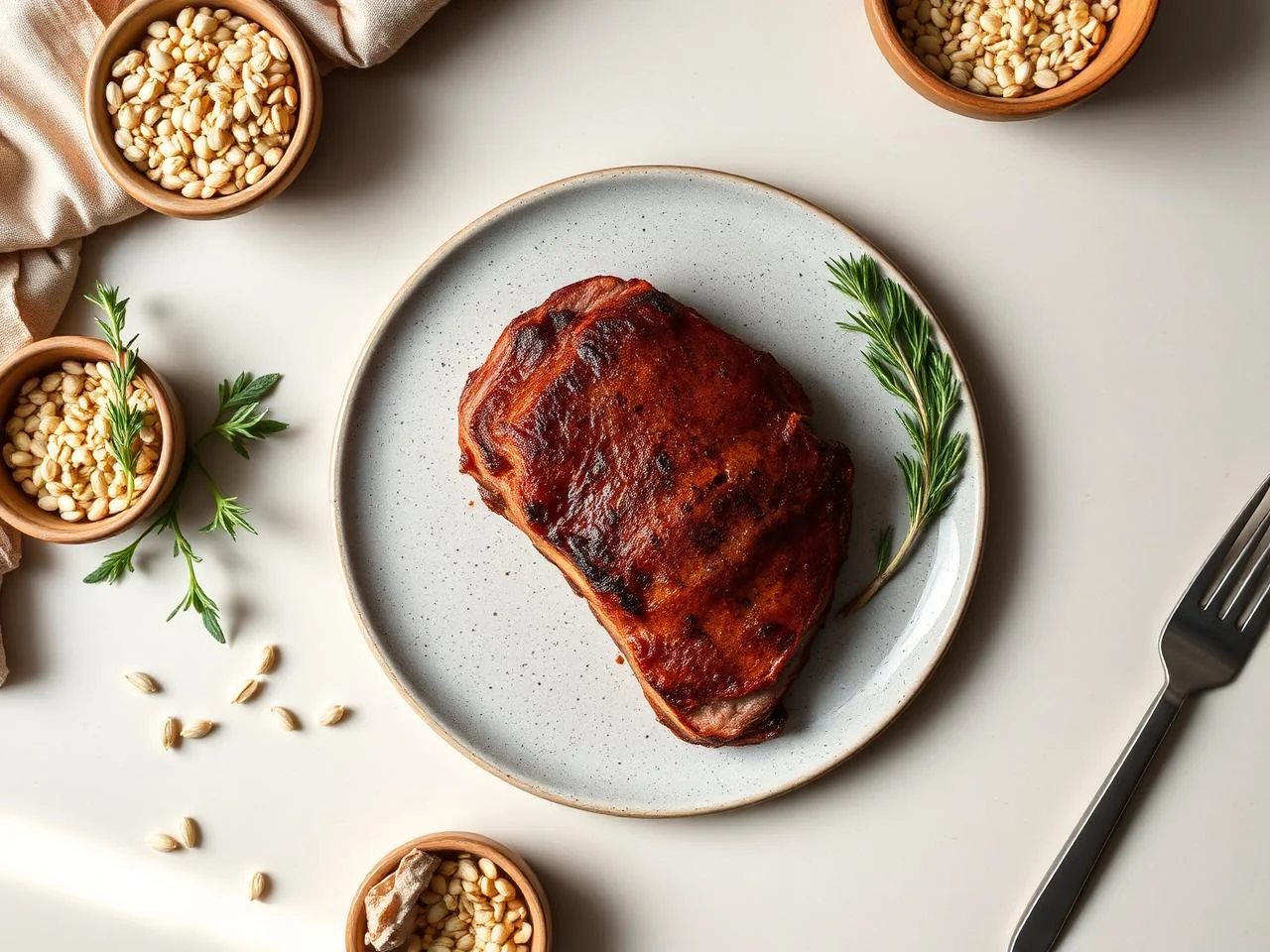
I still remember the first time I had pan seared duck breast - it was at a fancy restaurant, and I was blown away by the combination of crispy skin and tender meat. As a home cook, I was determined to replicate this dish in my own kitchen, and after some trial and error, I finally cracked the code. In this recipe, I'll share my secrets for achieving the perfect pan seared duck breast, with a focus on gluten-free ingredients and techniques.
One of the things that sets this recipe apart is the attention to detail when it comes to the duck breast itself. I'll show you how to properly score the skin, which helps to create that perfect crispy texture, and how to season the meat for maximum flavor. I'll also share my favorite tips for cooking the duck breast to the perfect level of doneness, so that it's nice and pink in the center.
This recipe is perfect for special occasions, or for anytime you want to impress your friends and family with a delicious and elegant meal. And the best part is, it's surprisingly easy to make - just be sure to follow the instructions carefully, and don't be afraid to get a little creative with the seasonings and sauces.
As a gluten-free cook, I know how important it is to have access to reliable and delicious recipes that cater to our dietary needs. That's why I'm so excited to share this recipe with you, and I hope you'll enjoy making and eating it as much as I do.
So go ahead, give this recipe a try, and get ready to impress your friends and family with your culinary skills. With its perfect combination of crispy skin and tender meat, this pan seared duck breast is sure to become a new favorite in your household.
Why You’ll Love This Recipe
- This recipe is easy to make and requires minimal ingredients, making it perfect for a weeknight dinner or special occasion.
- The combination of crispy skin and tender meat is sure to impress your friends and family.
- This recipe is gluten-free, making it perfect for those with dietary restrictions.
- The duck breast can be cooked to a variety of doneness levels, making it suitable for a range of tastes and preferences.
- This recipe is highly customizable, with a range of seasonings and sauces that can be used to add extra flavor and variety.
- The leftovers can be used to make a range of delicious dishes, from salads to sandwiches.
Why This Recipe Works
The key to a perfect pan seared duck breast is in the preparation and cooking technique. By scoring the skin and seasoning the meat, we create a flavorful and aromatic dish that's sure to impress. The combination of high heat and careful temperature control also helps to achieve that perfect crispy skin, while keeping the meat tender and juicy.
Another important factor is the type of pan used - a cast iron or stainless steel skillet is ideal, as it can withstand high temperatures and distribute heat evenly. This helps to create a nice crust on the skin, while cooking the meat to the perfect level of doneness.
In addition to the cooking technique, the ingredients themselves also play a crucial role in the success of this recipe. By using high-quality duck breasts and fresh, flavorful herbs and spices, we can create a dish that's not only delicious, but also visually appealing.
Finally, the resting time after cooking is also essential, as it allows the meat to relax and the juices to redistribute, making it even more tender and flavorful. By following these simple steps and techniques, we can create a truly exceptional pan seared duck breast that's sure to impress even the most discerning palates.
Ingredients You’ll Need
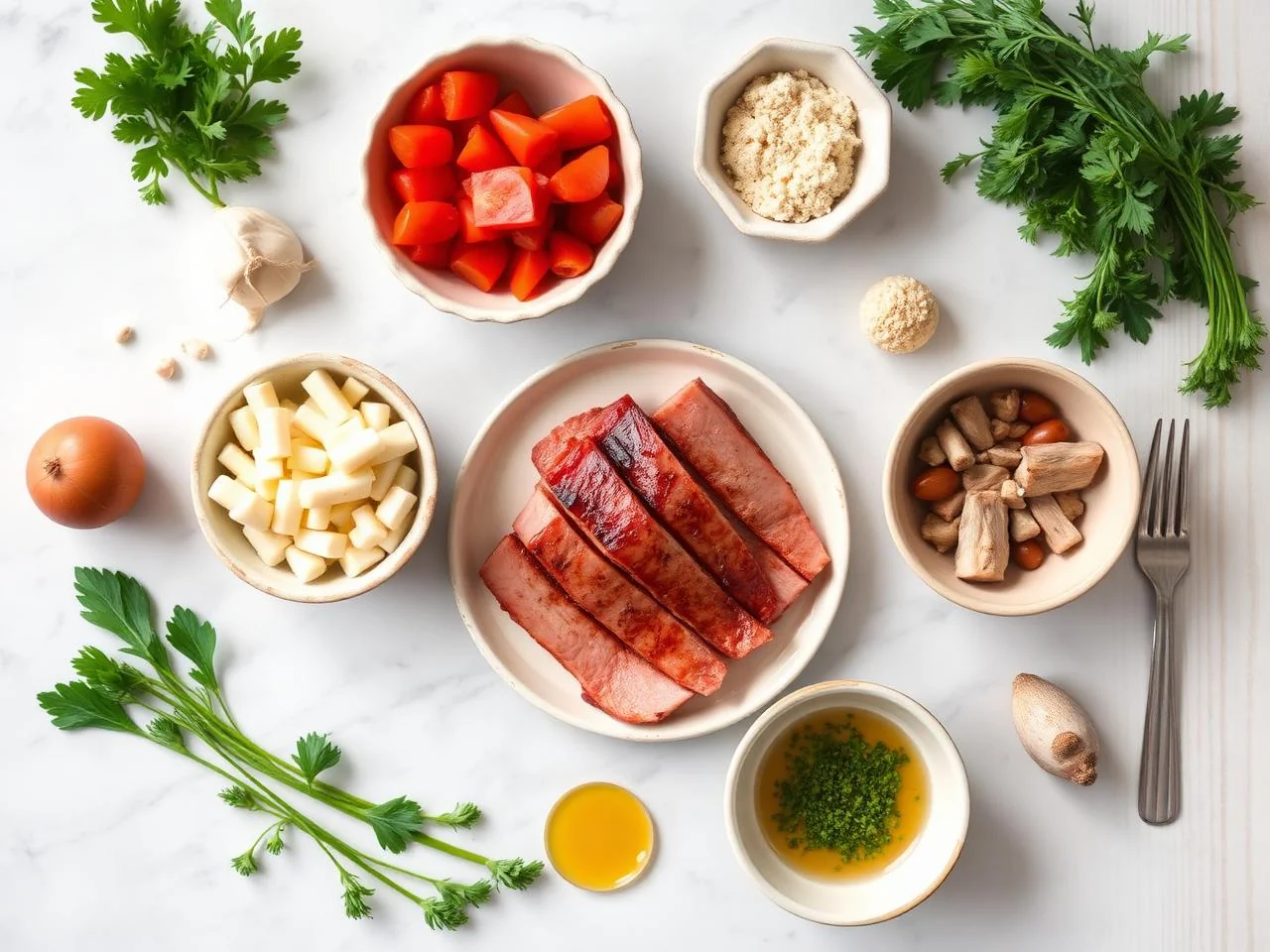
When it comes to making a perfect pan seared duck breast, the ingredients are just as important as the technique. In this recipe, we'll be using a range of high-quality ingredients, including fresh herbs and spices, to create a dish that's not only delicious, but also visually appealing. Be sure to choose the freshest and best-quality ingredients you can find, as this will make a big difference in the final result.
One of the most important ingredients in this recipe is the duck breast itself. Look for breasts that are plump and have a good layer of fat, as this will help to keep the meat moist and flavorful. You can find duck breasts at most butcher shops or high-end grocery stores, or you can order them online from a reputable supplier.
- 4 duck breasts, skin onLook for breasts that are plump and have a good layer of fat, as this will help to keep the meat moist and flavorful.
- 2 tbsp olive oilUse a high-quality olive oil that has a mild flavor, as this will help to bring out the natural flavors of the duck breast.
- 1 tsp kosher saltKosher salt is a coarse, flaky salt that is perfect for seasoning the duck breast. It has a milder flavor than regular salt, which makes it ideal for bringing out the natural flavors of the meat.
- 1 tsp black pepperFreshly ground black pepper is essential for adding depth and complexity to the dish. Look for a high-quality peppercorn that has a rich, slightly sweet flavor.
- 2 tbsp honeyHoney adds a touch of sweetness to the dish, which helps to balance out the savory flavors of the duck breast. Look for a high-quality honey that has a rich, complex flavor.
- 1 tbsp Dijon mustardDijon mustard adds a tangy, slightly spicy flavor to the dish, which helps to cut through the richness of the duck breast. Look for a high-quality Dijon mustard that has a rich, complex flavor.
- 2 cloves garlic, mincedGarlic adds a pungent, savory flavor to the dish, which helps to bring out the natural flavors of the duck breast. Look for fresh, high-quality garlic that has a rich, complex flavor.
- 1 tsp dried thymeThyme adds a herbal, slightly bitter flavor to the dish, which helps to balance out the richness of the duck breast. Look for fresh, high-quality thyme that has a rich, complex flavor.
- 1 tsp paprikaPaprika adds a smoky, slightly sweet flavor to the dish, which helps to add depth and complexity to the duck breast. Look for a high-quality paprika that has a rich, complex flavor.
- 1 lemon, cut into wedgesLemon adds a bright, citrusy flavor to the dish, which helps to cut through the richness of the duck breast. Look for fresh, high-quality lemons that have a rich, complex flavor.
Equipment You’ll Need
How to Make Pan Seared Duck Breast
- 1Preheat the oven to 400°F (200°C).
- 2Rinse the duck breasts and pat them dry with paper towels.
- 3Score the skin of the duck breasts in a crisscross pattern, being careful not to cut too deeply into the meat.
- 4Season the duck breasts with kosher salt, black pepper, and paprika.
- 5Heat the olive oil in the skillet over medium-high heat until it reaches 400°F (200°C) on an instant-read thermometer.
- 6Sear the duck breasts in the skillet for 2-3 minutes on each side, or until they are browned and crispy.
- 7Transfer the skillet to the preheated oven and cook for 12-15 minutes, or until the duck breasts reach an internal temperature of 135°F (57°C) for medium-rare.
- 8Remove the skillet from the oven and let the duck breasts rest for 5-10 minutes before slicing and serving.
- 9While the duck breasts are resting, mix the honey, Dijon mustard, garlic, and thyme in a small bowl.
- 10Brush the honey-mustard glaze over the duck breasts and serve with lemon wedges on the side.
Expert Tips
- Make sure to pat the duck breasts dry with paper towels before cooking to help the skin crisp up.
- Don't overcrowd the skillet, as this can prevent the duck breasts from cooking evenly.
- Use a thermometer to ensure the duck breasts are cooked to a safe internal temperature.
- Let the duck breasts rest for at least 5-10 minutes before slicing and serving, as this will help the meat to relax and the juices to redistribute.
- Experiment with different seasonings and glazes to find your favorite flavor combinations.
- Consider serving the duck breasts with a range of sides, such as roasted vegetables or mashed potatoes, to add variety and interest to the dish.
Common Mistakes to Avoid
- Not patting the duck breasts dry with paper towels before cooking, which can prevent the skin from crisping up.
- Overcrowding the skillet, which can prevent the duck breasts from cooking evenly.
- Not using a thermometer to ensure the duck breasts are cooked to a safe internal temperature.
- Not letting the duck breasts rest for at least 5-10 minutes before slicing and serving, which can make the meat tough and dry.
- Not experimenting with different seasonings and glazes to find your favorite flavor combinations.
- Not considering the presentation of the dish, which can make it look unappealing and unappetizing.
Variations and Substitutions
- Try using different types of oil, such as avocado oil or grapeseed oil, to add unique flavors to the dish.
- Experiment with different seasonings, such as Chinese five-spice or Indian curry powder, to add international flavors to the dish.
- Add some acidity to the dish by squeezing a sliver of fresh lemon or orange juice over the duck breasts.
- Try serving the duck breasts with a range of sides, such as roasted vegetables or mashed potatoes, to add variety and interest to the dish.
- Consider using different types of mustard, such as whole-grain mustard or spicy mustard, to add unique flavors to the dish.
- Experiment with different types of honey, such as clover honey or manuka honey, to add unique flavors to the dish.
What to Serve With Pan Seared Duck Breast
This pan seared duck breast is perfect for serving with a range of sides, such as roasted vegetables or mashed potatoes. Consider adding some steamed broccoli or green beans to the dish, or serving it with a side of roasted sweet potatoes or Brussels sprouts.
You could also serve the duck breast with a range of sauces, such as a cherry compote or a citrus-herb sauce. Simply spoon the sauce over the duck breast and serve with a side of roasted vegetables or mashed potatoes.
Make-Ahead, Storage, Freezing and Reheating
This pan seared duck breast can be stored in the refrigerator for up to 3 days, or frozen for up to 2 months. To store, simply place the duck breast in an airtight container and refrigerate or freeze until ready to serve.
To reheat, simply place the duck breast in the oven at 350°F (180°C) for 10-15 minutes, or until it reaches an internal temperature of 135°F (57°C) for medium-rare. You could also reheat the duck breast in a skillet on the stovetop, simply add a little oil to the pan and cook over medium heat until the duck breast is heated through.
It's also possible to make this dish ahead of time and store it in the refrigerator or freezer until ready to serve. Simply cook the duck breast as directed, then let it cool to room temperature before storing it in an airtight container.
When reheating, make sure to check the internal temperature of the duck breast to ensure that it is cooked to a safe temperature. You could also add some extra seasonings or sauces to the dish to give it a boost of flavor.
Frequently Asked Questions
What is the best way to cook a duck breast?
The best way to cook a duck breast is to pan sear it in a skillet, then finish it in the oven. This will help to create a crispy skin and a tender, juicy interior.
How do I know when the duck breast is cooked to a safe internal temperature?
You can use a thermometer to check the internal temperature of the duck breast. The recommended internal temperature for medium-rare is 135°F (57°C), while medium is 140°F (60°C) and well-done is 145°F (63°C).
Can I cook a duck breast in the oven without pan searing it first?
Yes, you can cook a duck breast in the oven without pan searing it first. Simply preheat the oven to 400°F (200°C), season the duck breast as desired, and cook for 12-15 minutes, or until it reaches an internal temperature of 135°F (57°C) for medium-rare.
How do I store a cooked duck breast?
A cooked duck breast can be stored in the refrigerator for up to 3 days, or frozen for up to 2 months. To store, simply place the duck breast in an airtight container and refrigerate or freeze until ready to serve.
Can I make this dish ahead of time?
Yes, you can make this dish ahead of time. Simply cook the duck breast as directed, then let it cool to room temperature before storing it in an airtight container. When ready to serve, simply reheat the duck breast in the oven or in a skillet on the stovetop.
What are some good sides to serve with a pan seared duck breast?
Some good sides to serve with a pan seared duck breast include roasted vegetables, mashed potatoes, and steamed broccoli or green beans. You could also serve the duck breast with a range of sauces, such as a cherry compote or a citrus-herb sauce.
How do I reheat a cooked duck breast?
To reheat a cooked duck breast, simply place it in the oven at 350°F (180°C) for 10-15 minutes, or until it reaches an internal temperature of 135°F (57°C) for medium-rare. You could also reheat the duck breast in a skillet on the stovetop, simply add a little oil to the pan and cook over medium heat until the duck breast is heated through.
Can I freeze a cooked duck breast?
Yes, you can freeze a cooked duck breast. Simply place the duck breast in an airtight container or freezer bag, and store it in the freezer for up to 2 months. When ready to serve, simply thaw the duck breast overnight in the refrigerator, then reheat it in the oven or in a skillet on the stovetop.
Ingredients
- 4 duck breasts, skin on
- 2 tbsp olive oil
- 1 tsp kosher salt
- 1 tsp black pepper
- 2 tbsp honey
- 1 tbsp Dijon mustard
- 2 cloves garlic, minced
- 1 tsp dried thyme
- 1 tsp paprika
- 1 lemon, cut into wedges
Instructions
- Preheat the oven to 400°F (200°C).
- Rinse the duck breasts and pat them dry with paper towels.
- Score the skin of the duck breasts in a crisscross pattern, being careful not to cut too deeply into the meat.
- Season the duck breasts with kosher salt, black pepper, and paprika.
- Heat the olive oil in the skillet over medium-high heat until it reaches 400°F (200°C) on an instant-read thermometer.
- Sear the duck breasts in the skillet for 2-3 minutes on each side, or until they are browned and crispy.
- Transfer the skillet to the preheated oven and cook for 12-15 minutes, or until the duck breasts reach an internal temperature of 135°F (57°C) for medium-rare.
- Remove the skillet from the oven and let the duck breasts rest for 5-10 minutes before slicing and serving.
- While the duck breasts are resting, mix the honey, Dijon mustard, garlic, and thyme in a small bowl.
- Brush the honey-mustard glaze over the duck breasts and serve with lemon wedges on the side.