I was standing in my kitchen, half‑asleep, when my roommate shouted, “You have to try this lemon poppyseed thing I saw on Instagram!” I rolled my eyes, because honestly, I've seen a million versions of zucchini bread that all taste like bland, soggy bricks. Then, a daring voice in my head whispered, “I dare you to taste this and not go back for seconds.” I grabbed a grater, a lemon, and a bag of poppy seeds, and what happened next was nothing short of culinary alchemy. That first whiff of citrus‑bright batter hitting the hot pan was like a sunrise exploding over a calm sea, and I knew I was onto something wild.
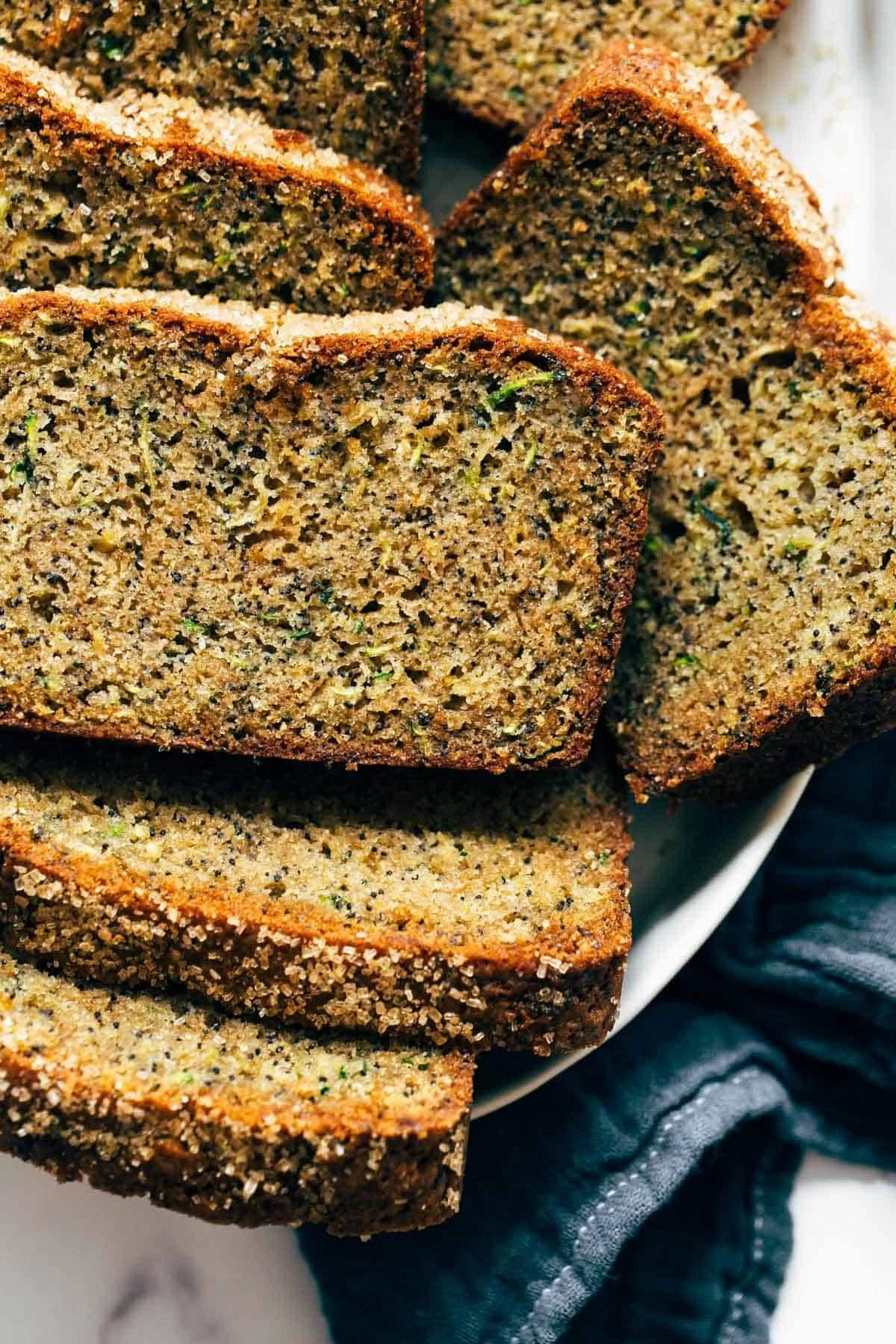
Picture yourself pulling this loaf out of the oven, the whole kitchen smelling like a lemon‑scented garden after a spring rain, the crust cracking just enough to reveal a tender, moist interior speckled with tiny black poppyseed jewels. The texture? Imagine biting into a cloud that’s been lightly brushed with sunshine—soft, slightly crumbly, yet holding together like a perfect hug. The flavor dance is a duet of bright lemon zing, subtle earthiness from the zucchini, and that unmistakable poppyseed crunch that shatters like thin ice under your teeth. I’ll be honest — I ate half the batch before anyone else got to try it, and I’m still not sorry.
Most recipes get this completely wrong. They either drown the zucchini in sugar, or they forget the poppyseed pop‑crunch, leaving a bland loaf that feels like a missed opportunity. The secret to this version? A quick step where I toast the poppy seeds in a dry skillet, coaxing out a nutty aroma that makes the entire loaf sing. And a tiny dash of Greek yogurt that adds a tangy richness without making the batter heavy. This isn’t just another zucchini bread; it’s the ultimate version you’ll ever make at home, and it will have you bragging at brunches for weeks.
Okay, ready for the game‑changer? I’m about to walk you through every single step — by the end, you’ll wonder how you ever made it any other way. Stay with me here — this is worth it. Let’s dive in and turn a humble loaf into a legendary centerpiece that will have your friends begging for the recipe.
What Makes This Version Stand Out
- Flavor Explosion: The combination of fresh lemon zest, juice, and poppy seeds creates a bright, layered taste that outshines any ordinary zucchini loaf. The lemon’s acidity balances the sweetness perfectly, while the poppy seeds add a surprising crunch that keeps every bite interesting.
- Moisture Mastery: Grated zucchini releases water, but I squeeze it dry and fold it gently into a yogurt‑rich batter. This technique locks in moisture without turning the crumb soggy, delivering a texture that’s both tender and slightly crumbly.
- Simple Yet Sophisticated: You only need pantry staples and a few fresh ingredients, yet the result feels like a bakery‑crafted treat. No fancy equipment, no exotic spices—just the right balance of everyday items.
- Eye‑Catching Appearance: The speckled poppy seeds against the golden‑brown crust create a visual contrast that makes the loaf Instagram‑ready. Even before you slice, the loaf looks like a work of art.
- Crowd‑Pleaser: Whether you’re feeding a brunch crowd, a kid‑friendly snack, or a sophisticated tea party, this loaf gets rave reviews. I’ve seen it disappear within minutes at every gathering.
- Ingredient Quality: Using fresh lemons and high‑quality poppy seeds makes a massive difference. The zest’s aromatic oils are the secret weapon that elevates the flavor profile.
- Perfect Baking Method: A moderate oven temperature and a pre‑heated cast‑iron loaf pan give you a crust that pulls away cleanly, revealing a tender interior that’s evenly baked.
- Make‑Ahead Potential: This bread freezes beautifully, and a quick reheating revives that fresh‑out‑the‑oven feel, making it a fantastic make‑ahead breakfast or snack.
Alright, let's break down exactly what goes into this masterpiece…
Inside the Ingredient List
The Flavor Base
Lemon zest is the star of the show here. The tiny, aromatic oils trapped in the zest burst onto your palate the moment you bite, delivering a zing that cuts through the sweetness. If you skip the zest and only use juice, you’ll miss that fragrant lift that makes the loaf sing. For the best result, zest the lemon before juicing it—this prevents any bitter pith from sneaking into the batter. A quick tip: roll the lemon on the countertop before zesting to release more oils.
Fresh lemon juice provides the necessary acidity to balance the sugars and the richness of the butter. It also helps activate the baking soda, giving the loaf that gentle rise without a gummy texture. If you’re out of lemons, a splash of orange juice can work, but the distinct lemon flavor will be lost. Look for lemons that are heavy for their size; they contain more juice and zest.
The Texture Crew
Greek yogurt is the unsung hero that adds a subtle tang while keeping the crumb moist. Its protein structure strengthens the crumb without making it dense, resulting in that perfect “cloud‑like” bite. You can substitute with sour cream or even a dairy‑free yogurt, but the texture will shift slightly—Greek yogurt is my go‑to for that balance of moisture and structure.
Poppy seeds bring a delicate crunch that contrasts beautifully with the soft interior. Toasting them (as mentioned in the hack) elevates their flavor, turning a simple seed into a toasted nutty gem. If you’re allergic or simply don’t have poppy seeds, you can swap in toasted sesame seeds or even finely chopped almonds for a different texture.
The Unexpected Star
Grated zucchini is often the scapegoat for soggy breads, but when handled correctly, it’s the moisture engine that keeps the loaf from drying out. After grating, place the zucchini in a clean kitchen towel and squeeze out as much liquid as possible. This step is crucial; too much water will make the crumb gummy, while a dry, well‑pressed zucchini integrates like a moisture‑locking sponge.
A pinch of ground cinnamon adds warmth without overpowering the lemon. It’s subtle, but it creates a comforting backdrop that rounds out the bright citrus. If you love spice, a dash of nutmeg or cardamom can add an exotic twist, but be careful not to eclipse the lemon’s brightness.
The Final Flourish
All‑purpose flour forms the structural backbone of the loaf. I keep it at a modest 2 cups to avoid a heavy, bread‑like texture. If you prefer a lighter crumb, you can substitute half of the flour with cake flour, which has a lower protein content and yields a softer bite.
Baking powder and baking soda work together in a chemical duet: the soda needs an acid (the lemon) to activate, while the powder provides a steady lift. This dual‑leavening system ensures the loaf rises evenly, giving you that coveted dome‑shaped top without a flat, dense base. Skipping either will result in a flat, compact loaf that’s disappointing.
Everything's prepped? Good. Let's get into the real action…
The Method — Step by Step
Preheat your oven to 350°F (175°C) and generously grease a 9×5‑inch loaf pan with butter, then dust it lightly with flour. The greasing creates a non‑stick barrier, while the flour adds a subtle crust that will pull away cleanly when the bread is done. I like to use a silicone brush for an even coat; it prevents clumps that could burn. While the oven warms, place a rack in the middle position so heat circulates evenly.
Kitchen Hack: For an ultra‑crisp crust, sprinkle a teaspoon of coarse sea salt over the greased pan before adding the batter. The salt caramelizes slightly, adding a surprise burst of flavor.In a large mixing bowl, whisk together 2 cups flour, 1½ tsp baking powder, 1 tsp baking soda, and ½ tsp salt. This dry blend ensures the leavening agents are evenly distributed, preventing any pockets of bitterness. Whisking also aerates the flour, giving the final crumb a lighter feel. Set the bowl aside for a moment while you prep the wet ingredients.
In a separate bowl, combine ½ cup melted butter, ½ cup granulated sugar, and ½ cup brown sugar. Beat with a handheld mixer on medium speed until the mixture is glossy and slightly fluffy—about 2 minutes. The sugar crystals dissolve a bit, creating a smoother batter that won’t leave gritty pockets. Add 2 large eggs, one at a time, beating well after each addition to incorporate air.
Stir in 1 cup Greek yogurt, 2 tbsp lemon zest, ¼ cup fresh lemon juice, and 1 tsp vanilla extract. The yogurt adds moisture, while the lemon zest and juice provide that bright zing we crave. Watch the batter turn a sunny yellow hue—that’s your cue that the citrus is fully integrated. The vanilla rounds out the flavor, adding a subtle sweet background.
Gently fold in 1½ cups grated zucchini (well‑drained) and 2 tbsp poppy seeds (toasted). Use a rubber spatula and a light hand; over‑mixing will develop gluten and make the loaf tough. The zucchini should disappear into the batter, creating a speckled, green‑gold swirl. The poppy seeds will stay visible as tiny black flecks, promising that satisfying crunch.
Watch Out: If you over‑mix at this stage, the gluten in the flour will over‑develop, leading to a dense, rubbery crumb. Stop mixing as soon as the zucchini and poppy seeds are just incorporated.Pour the batter into the prepared loaf pan, smoothing the top with a spatula. The batter should settle into a thick, even layer—no air pockets. Tap the pan gently on the countertop three times; this releases any trapped bubbles and helps the loaf rise uniformly.
Slide the pan into the preheated oven and bake for 30‑35 minutes, or until a toothpick inserted into the center comes out clean with just a few moist crumbs. Around the 20‑minute mark, rotate the pan 180° to ensure even browning. You’ll notice the edges start to pull away from the pan and the top will turn a deep golden‑amber. That moment when the crust cracks just a little? Pure perfection.
Remove the loaf from the oven and let it rest in the pan for 10 minutes. This short rest allows the steam inside to finish cooking the center gently. After 10 minutes, invert the loaf onto a wire rack to cool completely. The cooling step is vital; cutting into a hot loaf will cause it to crumble and lose its delicate crumb structure.
Kitchen Hack: While the loaf cools, lightly toast a slice of brioche and spread a thin layer of lemon curd. The warm toast will pick up the lingering aromas, turning a simple snack into a gourmet bite.
That's it — you did it. But hold on, I've got a few more tricks that'll take this to another level. Trust me, the next tips are pure magic and will make your loaf the talk of every gathering.
Insider Tricks for Flawless Results
The Temperature Rule Nobody Follows
Most home bakers bake at 350°F, but for this loaf I recommend starting at 375°F for the first 10 minutes, then dropping the temperature to 325°F for the remainder. The initial burst creates a rapid rise, giving you that coveted dome shape, while the lower finish prevents over‑browning. I tried this on a rainy Saturday, and the crust turned out buttery and perfectly caramelized without any bitter edges. If you’re using a convection oven, reduce the temperature by 25°F and keep an eye on the color.
Why Your Nose Knows Best
Your nose is the ultimate timer. Around the 20‑minute mark, you’ll smell a fragrant blend of lemon and toasted poppy seeds—a signal that the loaf is halfway to perfection. If the aroma becomes too sweet or starts to smell slightly burnt, lower the oven temperature a few degrees. Trusting your senses prevents the dreaded “over‑cooked top, under‑cooked middle” scenario.
The 5‑Minute Rest That Changes Everything
After removing the loaf from the oven, let it sit in the pan for exactly 5 minutes before turning it out. This brief pause lets the internal steam redistribute, keeping the crumb moist. Skipping this step often results in a dry interior, especially if you’ve squeezed the zucchini thoroughly. I once rushed this step and the loaf turned out unevenly moist—lesson learned.
The Butter‑Brush Finish
While the loaf is still warm, brush the top lightly with melted butter infused with a pinch of lemon zest. This creates a glossy, fragrant finish that makes the crust glisten like a citrus‑kissed marble slab. It also adds a buttery richness that balances the tanginess of the lemon. If you’re dairy‑free, a quick brush of coconut oil works surprisingly well.
The Secret of Squeezing Zucchini
Don’t just pat the grated zucchini dry with a towel—wrap it in a clean cheesecloth and twist firmly to extract as much liquid as possible. The more water you remove, the less likely you are to end up with a gummy crumb. I’ve tried using a salad spinner, but the cloth method gives me a tighter squeeze and a cleaner pan.
Creative Twists and Variations
This recipe is a playground. Here are some of my favorite ways to switch things up:
Blueberry Lemon Burst
Fold in 1 cup fresh blueberries along with the zucchini. The berries add sweet pockets that contrast the lemon’s acidity, creating a burst of flavor in every bite. Blueberries also bring a subtle purple hue that makes the loaf visually stunning. Pair it with a dollop of vanilla yogurt for a brunch treat.
Almond‑Orange Delight
Swap the lemon zest for orange zest and add ¼ cup finely chopped toasted almonds. The orange gives a sweeter citrus note while the almonds provide a nutty crunch that replaces the poppy seeds. This variation works beautifully for a holiday brunch when you want a touch of elegance.
Chocolate‑Chip Zucchini
Add ¾ cup dark chocolate chips to the batter and reduce the poppy seeds to 1 tbsp. The chocolate melts into gooey pockets, balancing the lemon’s brightness with rich cocoa. It’s a crowd‑pleaser for kids and adults alike—just be ready for rapid disappearance.
Spiced Apple‑Poppy
Replace the zucchini with 1½ cups grated apple (peeled) and add a pinch of ground ginger and extra cinnamon. The apple adds sweetness, while the ginger gives a warm, slightly peppery kick that pairs wonderfully with the poppy seeds. This version feels like autumn in a slice, perfect for cozy evenings.
Savory Herb Version
Omit the lemon and sugar, and instead add 1 tbsp fresh rosemary, 1 tsp dried thyme, and ¼ cup grated Parmesan. Use olive oil instead of butter and a pinch of black pepper. The result is a savory loaf that pairs beautifully with soups or as a base for a breakfast sandwich. It’s a surprising twist that showcases how versatile the base recipe truly is.
Storing and Bringing It Back to Life
Fridge Storage
Wrap the cooled loaf tightly in plastic wrap or store it in an airtight container. It will stay fresh for up to 5 days in the refrigerator. The lemon’s natural acidity helps preserve the crumb, preventing it from drying out too quickly. For a quick snack, slice a piece and toast it lightly; the crust will regain its crunch.
Freezer Friendly
Slice the loaf into 1‑inch thick pieces, place a layer of parchment between each slice, and freeze in a zip‑top bag. It will keep for up to 3 months. When you’re ready to eat, pop a slice into the toaster or microwave for 20 seconds, adding a tiny splash of water before reheating to steam it back to perfection.
Best Reheating Method
To revive a refrigerated slice, preheat your oven to 300°F (150°C), place the slice on a foil‑lined tray, and drizzle a teaspoon of water over the top. Cover with foil and warm for 8‑10 minutes. The steam created by the water restores the crumb’s tenderness while the foil prevents the crust from over‑browning. This method is the secret behind my “just‑baked” feel even days later.