I still remember the day I swore off carrot soup forever. It was a rainy Tuesday, I'd burned the onions, scorched the cream, and produced something that tasted like liquid cardboard with a hint of regret. My roommate took one polite spoonful, patted my shoulder, and suggested we order pizza. That was three years ago. Fast forward to last weekend when I served this creamy carrot soup to the same friend, and watch this — she actually licked the bowl. Not a polite restaurant-lick, but a full-on spoon-scraping, bread-wiping, is-there-really-none-left kind of lick. The transformation from that disastrous first attempt to this silky, sunset-hued masterpiece wasn't magic — it was a series of tiny, game-changing decisions that most recipes completely overlook.
Picture this: It's 6:30 PM, the sky outside is doing that early-winter thing where it gets dark at lunchtime, and you're standing in your kitchen wearing fuzzy socks and an oversized sweater. The carrots are sizzling in butter, releasing this incredible sweet-earthy aroma that makes your neighbor's cat press its nose against your kitchen window. You're moments away from creating something that costs pennies per serving yet tastes like it came from that fancy farm-to-table place downtown where they charge twenty-two dollars for a bowl of anything. The best part? You don't need culinary school training or some obscure gadget that only has one purpose. Just a pot, a blender, and the willingness to trust me when I tell you that roasting those carrots first isn't optional — it's everything.
Here's what separates this recipe from every other "creamy" carrot soup you've tried: we're building layers of flavor like we're constructing a flavor lasagna. Most recipes toss everything in a pot, boil it to death, and then wonder why it tastes like baby food. We're going to coax out the natural sweetness with a kiss of caramelization, balance it with just enough acid to make your taste buds dance, and finish it with a creaminess so luxurious you'll swear there's a cup of heavy cream hiding in there. (Spoiler: there's not. We're smarter than that.)
And now, the secret weapon — a half teaspoon of white miso paste that melts into the soup and creates this incredible umami depth that makes people close their eyes involuntarily when they taste it. I've seen it happen. It's weird and wonderful and you'll never make carrot soup without it again. Let me walk you through every single step — by the end, you'll wonder how you ever made it any other way.
What Makes This Version Stand Out
- The Roasting Revelation: While other recipes boil carrots into bland submission, we're roasting them until their edges caramelize and concentrate into pure carrot candy. This single technique transforms watery, boring carrot soup into something that actually tastes like carrots instead of orange sadness.
- The Creaminess Conspiracy: Heavy cream is a cop-out. We're using a combination of coconut milk and a single Yukon gold potato to achieve velvet-smooth texture without masking the carrot flavor. Your arteries will thank you, and honestly, it tastes better.
- The Miso Magic: That tiny bit of white miso doesn't make the soup taste like miso — it makes it taste like the best version of carrot soup possible. It's like adding a bass note to a song you didn't know was missing depth.
- The Texture Tango: We blend half the soup completely smooth and leave the other half with a bit of texture. The result? A soup that feels luxurious on your tongue but still has enough body to feel substantial.
- The Weeknight Warrior: From start to finish, this takes 45 minutes including roasting time. You can chop while the oven heats, blend while the toast is toasting, and still have time to change into your Netflix-watching pants.
- The Make-Ahead Miracle: This soup actually tastes better the next day, and it freezes like a dream. Make a double batch on Sunday, and you've got lunch for the week that'll make your coworkers jealous.
Inside the Ingredient List
The Flavor Base
Carrots are obviously the star here, but not all carrots are created equal. Those baby carrots in the plastic bag? Leave them for lunchboxes. You want the big, gnarly ones from the farmers market that look like they fought a battle and won. They cost about a dollar a pound and taste like actual carrots instead of orange water. When selecting, look for carrots that still have their tops attached — they're fresher, and those tops make an amazing pesto for garnishing. The size doesn't matter as much as the weight; you want carrots that feel heavy for their size and have smooth skin without cracks or soft spots.
Butter is our first cooking fat, and please, I'm begging you, use real butter. Not margarine, not "I Can't Believe It's Not" anything. Just four tablespoons of the good stuff. We're going to brown it slightly, which gives the soup this incredible nutty depth that olive oil simply can't match. The milk solids will toast and create little brown butter bits that cling to the carrots and make everything taste like you worked way harder than you did.
The Texture Crew
Here's where we get sneaky. Instead of using heavy cream like every other recipe, we're employing a single Yukon gold potato as our thickening agent. The potato cooks down and blends into pure silk, adding body without heaviness. It's like having your cake and eating it too, except it's soup, and you're not actually eating cake, though now I want cake. The variety matters — Yukon golds have just the right amount of starch and a buttery flavor that plays beautifully with carrots.
Coconut milk provides the rich mouthfeel we crave without the dairy overload. Don't worry, your soup won't taste like a piña colada. We're using the full-fat canned stuff, shaken vigorously before opening. The coconut flavor is subtle, almost undetectable, but it adds this roundness that makes people ask "what's in this?" in the best way possible.
The Unexpected Star
White miso paste is the ingredient that'll make you feel like a kitchen wizard. It's fermented soybean paste, but before you run away screaming, know that it adds the same kind of depth that anchovies give to Caesar dressing — you can't identify it, but you'd miss it if it was gone. A little goes a long way; we're talking one measly teaspoon for the whole pot. It dissolves into the broth and creates this incredible savory backbone that makes the carrots taste more like themselves. If you can't find white miso, yellow works too, but avoid red — it's too aggressive for our delicate carrot friends.
Ginger adds brightness and a gentle heat that builds slowly. Fresh ginger, not the powdered stuff that's been sitting in your spice rack since 2014. You want about an inch, peeled and minced so fine it almost disappears. The ginger should whisper, not shout — we're creating complexity, not making carrot-ginger soup (though that's delicious too).
The Final Flourish
Lemon juice added at the very end is what makes all the flavors sing in harmony. Without acid, the soup tastes flat and one-dimensional, like listening to music with the treble turned all the way down. Just a tablespoon, added after blending, brightens everything up and makes the carrots taste more carroty. It's like turning on a light in a room you didn't know was dark.
Fresh thyme brings an herby note that complements the earthiness of carrots without overwhelming them. Dried thyme tastes like dust in comparison — splurge on the fresh stuff. You need about four sprigs, and here's the kicker: you don't even strip the leaves. Just toss the whole sprigs in during cooking, then fish them out before blending. The leaves fall off naturally, and you avoid that tedious stripping business.
The Method — Step by Step
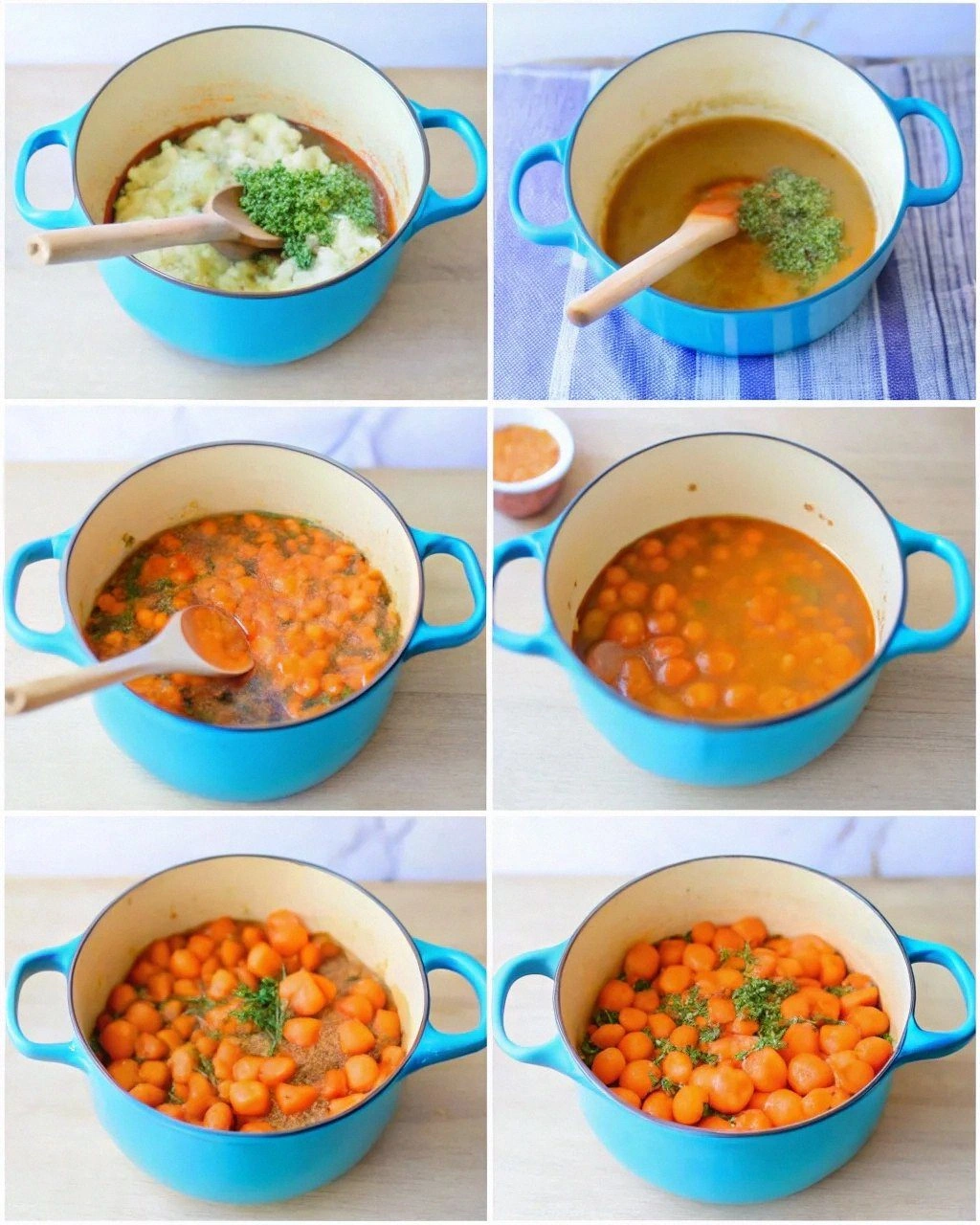
- Roast Those Carrots Like You Mean It — Preheat your oven to 425°F (220°C). While it's heating, peel and chop your carrots into 1-inch chunks. They don't need to be perfect, just roughly the same size so they roast evenly. Toss them with two tablespoons of melted butter, a good pinch of salt, and a few grinds of black pepper. Spread them on a baking sheet in a single layer, making sure they're not crowded — they need personal space to caramelize properly. Roast for 25-30 minutes, stirring once halfway through, until the edges are golden brown and a knife slides through easily. Your kitchen should smell like carrot candy at this point.
- Build Your Flavor Foundation — While the carrots roast, heat the remaining two tablespoons of butter in a heavy-bottomed pot over medium heat. You want it to foam and subside, then start turning golden brown and smelling nutty. This takes about 3-4 minutes. Don't walk away — brown butter goes from perfect to burnt faster than you can say "what's that smell?" Once it's browned, add the diced onion and cook until translucent, about 5 minutes. The onions will pick up all those beautiful brown butter bits from the bottom of the pan.
- Aromatics Assembly — Add the minced ginger and cook for another minute until fragrant. Your kitchen should smell like you've got your life together. Add the potato (peeled and diced), the roasted carrots, and the fresh thyme sprigs. Give everything a good stir, letting the carrots pick up some of the browned butter flavor. This is where the magic starts — the contrast between the roasted carrots and the fresh aromatics creates layers of flavor that one-note soups can only dream about.
- The Simmer Session — Pour in the vegetable broth and bring to a boil. Reduce to a simmer and cook for 15-20 minutes, until the potato is completely tender. The broth should take on a beautiful orange hue and your house should smell like you're the kind of person who meal preps on Sundays. Skim off any foam that rises to the top — it's just impurities from the vegetables and will make your soup cloudy if left alone.
- The Blender Ballet — Remove the thyme sprigs (they've done their duty). Working in batches, transfer half the soup to a blender. Add the white miso to the blender — it'll dissolve perfectly in the hot liquid. Blend until completely smooth, being careful with the hot liquid. Start on low and gradually increase the speed. Return the blended portion to the pot. This gives you a soup with body and texture instead of baby food consistency.
- The Coconut Milk Moment — Stir in the coconut milk and warm through over low heat. Don't let it boil — coconut milk can separate and look curdled if it gets too hot. The soup should turn a beautiful creamy orange and coat the back of a spoon. If it's too thick, add a splash of water or broth. Too thin? Let it simmer for a few more minutes.
- The Final Seasoning — Off the heat, stir in the lemon juice. Taste and adjust seasoning — you might need more salt, especially if your broth was low-sodium. The soup should taste bright and balanced, with the carrot flavor front and center but supported by the other ingredients. If it tastes flat, add another squeeze of lemon. If it's too tart, a tiny pinch of sugar balances it out.
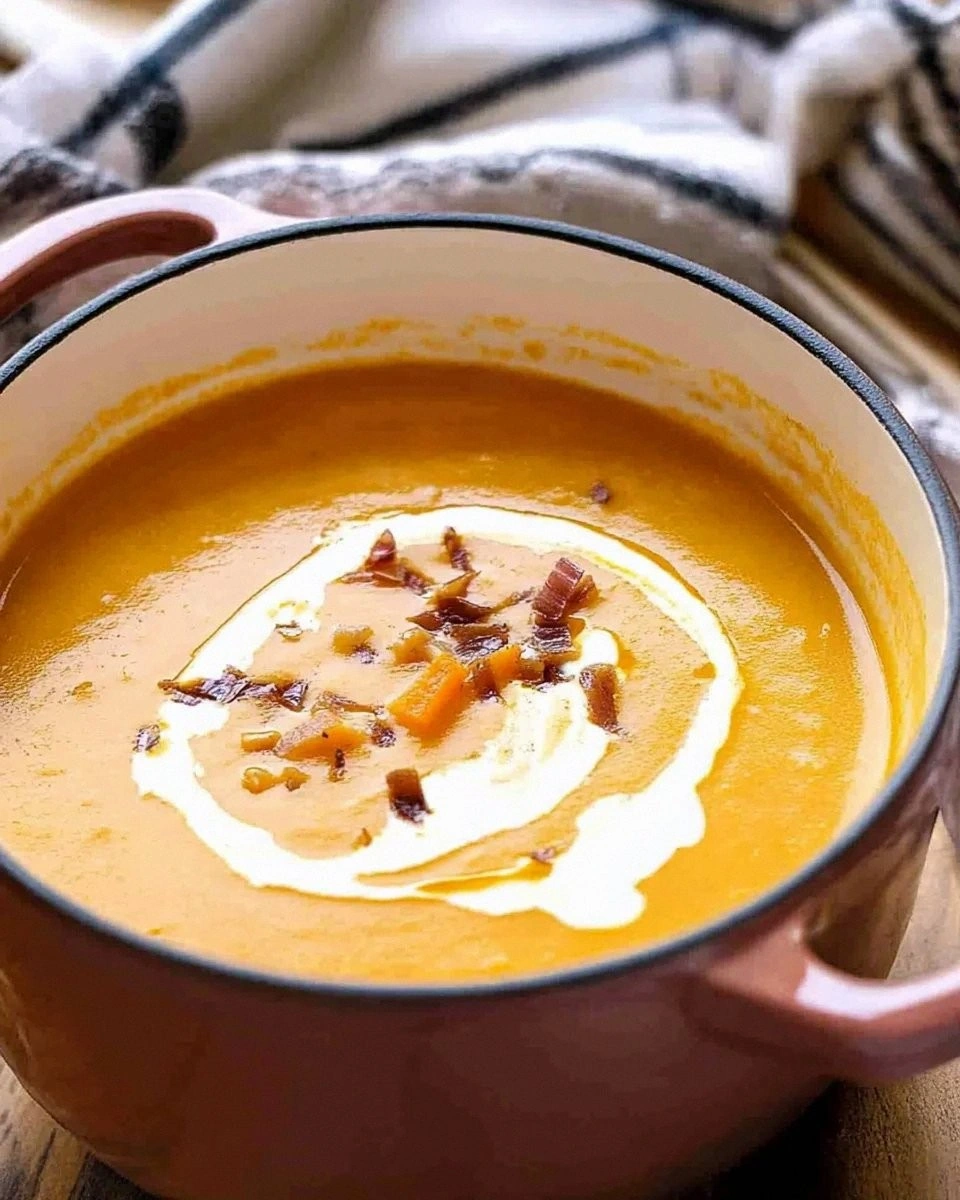
- The Grand Finale — Serve hot, garnished with a swirl of coconut milk, some toasted pumpkin seeds for crunch, and maybe a few carrot top leaves if you're feeling fancy. The soup should be thick enough to coat your spoon but not so thick it stands up by itself. If you've done everything right, the first spoonful will make you close your eyes involuntarily.
That's it — you did it. But hold on, I've got a few more tricks that'll take this to another level...
Insider Tricks for Flawless Results
The Temperature Rule Nobody Follows
Here's the thing about blending hot soup — temperature matters more than you'd think. If your soup is too hot, the steam creates pressure that can blow the lid off your blender (hello, kitchen redecorating project). Too cool, and the fats start to solidify, giving you a grainy texture. The sweet spot is when the soup is steaming but not bubbling — around 180°F if you're the thermometer type. I stick my finger in (clean, obviously) and if I can hold it for three seconds before yanking it out, we're good to go. Professional chef technique, right there.
Why Your Nose Knows Best
Your sense of smell is your secret weapon here. When the carrots are perfectly roasted, they'll smell like carrot candy with caramel notes. When the onions are properly sautéed, they'll smell sweet and slightly nutty. If at any point things smell sharp or raw, keep cooking. The soup should smell warm and inviting, like you're walking into a cozy cabin in winter. Trust your nose — it's been evolving for millions of years specifically to tell you when food is delicious.
The 5-Minute Rest That Changes Everything
After blending, let the soup rest for five minutes before serving. This isn't just chef fluff — it allows the flavors to meld and the temperature to even out. The soup will thicken slightly as the starches hydrate fully. Plus, it gives you time to set the table, find your good spoons, and maybe pour yourself a glass of wine. You deserve it. You just made restaurant-quality soup in your pajamas.
The Garnish Game-Changer
Don't skip the garnishes — they're not just for Instagram. A swirl of coconut milk adds visual appeal and extra richness. Toasted pumpkin seeds provide crucial crunch that makes every spoonful more interesting. A few drops of good olive oil add fruitiness. Even a few grinds of fresh black pepper wake everything up. Think of garnishes as the accessories that turn a good outfit into a great one.
The Blender Safety Protocol
Let me save you from ceiling soup: when blending hot liquids, remove the center cap from the blender lid and cover with a folded kitchen towel. This allows steam to escape while containing any splatters. Start on the lowest speed and gradually increase. Never, ever fill the blender more than halfway. If you're nervous, blend in smaller batches. I've learned this the hard way so you don't have to decorate your kitchen in orange.
Creative Twists and Variations
This recipe is a playground. Here are some of my favorite ways to switch things up:
The Thai-Inspired Version
Swap the thyme for lemongrass and kaffir lime leaves, add a tablespoon of red curry paste with the ginger, and finish with lime juice instead of lemon. Top with crispy shallots and cilantro. It tastes like a hug from your favorite Thai restaurant, and the warming spices make it perfect for when you need to clear your sinuses.
The Moroccan Carrot Soup
Add a teaspoon each of ground cumin and coriander with the onions, a pinch of cinnamon, and finish with harissa paste for heat. Garnish with toasted almonds and fresh mint. The spices create this incredible warmth that builds slowly, like a conversation with a fascinating stranger. Serve with warm flatbread for dipping.
The Autumn Harvest Edition
Replace half the carrots with butternut squash or sweet potato. Add a diced apple for sweetness and sage instead of thyme. The result tastes like autumn in a bowl — all the cozy feelings of sweater weather without having to rake leaves. Top with crispy pancetta if you're feeling indulgent.
The Curry Coconut Carrot
Add a tablespoon of yellow curry powder when you add the onions, and finish with fresh lime juice and cilantro. The curry adds complexity without overwhelming the carrots, creating a soup that tastes like it simmered for hours. It's comfort food with a passport, perfect for when you want to travel without leaving your kitchen.
The Roasted Red Pepper Remix
Add a roasted red bell pepper to the blender with the carrots. The pepper adds sweetness and a beautiful color, plus vitamin C to fight off winter colds. It tastes like sunshine in a bowl, bright and cheerful even on the gloomiest days. Kids love this version because it's slightly sweeter and has a fun orange-pink color.
The Fancy Dinner Party Version
Strain the soup through a chinois for ultimate smoothness, serve in small cups as an amuse-bouche, and top with a dollop of crème fraîche and caviar. Suddenly, humble carrot soup becomes worthy of a Michelin star. Your guests will be impressed, and you'll know it cost about fifty cents per serving to make them feel fancy.
Storing and Bringing It Back to Life
Fridge Storage
This soup keeps beautifully in the refrigerator for up to five days, though honestly, it's never lasted that long in my house. Store it in an airtight container — I like glass jars because they don't absorb flavors and you can see the gorgeous color every time you open the fridge. Let it cool completely before refrigerating, but don't leave it out for more than two hours. Food safety first, soup lovers. The flavors actually meld and improve after a day, making this the ultimate meal prep champion.
Freezer Friendly
This soup freezes like a dream for up to three months. I portion it into silicone muffin trays, freeze, then pop out the portions and store them in freezer bags. Each "muffin" is about half a cup, perfect for quick lunches. Thaw overnight in the fridge or use the defrost setting on your microwave. The texture holds up beautifully because we're not relying on dairy that can separate and get grainy. Pro tip: write the date and contents on the bag with a permanent marker. Future you will appreciate not playing "mystery orange soup" roulette.
Best Reheating Method
Gentle is the name of the game when reheating. Low heat on the stovetop, stirring occasionally, brings it back to life without breaking the emulsion. If it's too thick after refrigeration, add a splash of water or broth to thin it out. Microwave works in a pinch — use 50% power and stir every 30 seconds. Whatever you do, don't let it boil again. Boiling makes the flavors muddy and can cause coconut milk to separate. Warm it just until it steams and you're good to go. Add fresh lemon juice after reheating to brighten it back up.