
Chocolate Souffle
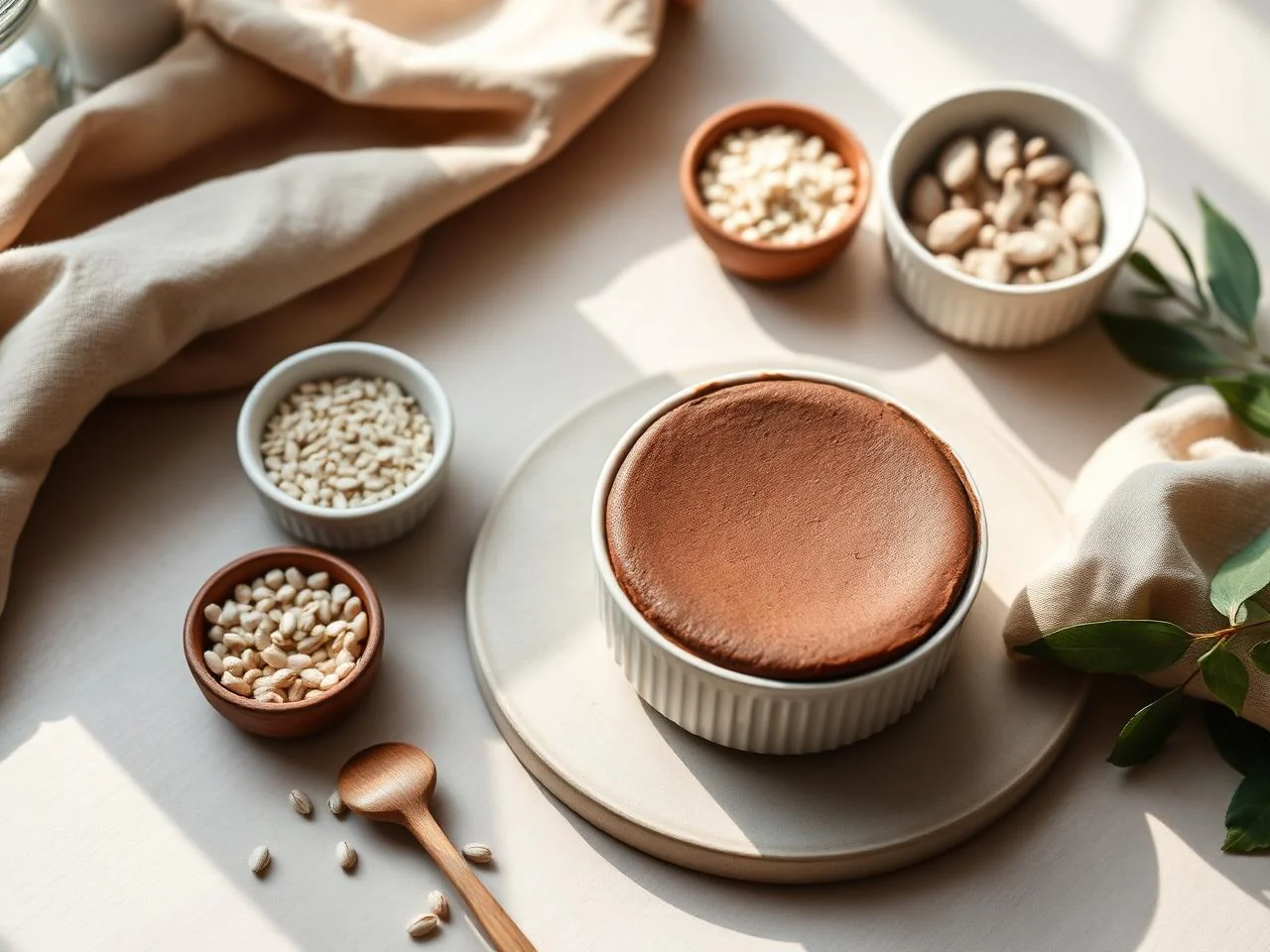
There's something undeniably magical about a chocolate souffle. The way it rises like a cloud from the oven, its exterior a delicate, golden brown, and its interior a rich, velvety haven of deep, dark chocolate. It's a dessert that whispers promises of luxury and sophistication, yet, with the right approach, can be surprisingly accessible to the home cook.
My journey with chocolate souffle began many years ago, in a small pastry kitchen where I first learned the basics of French patisserie. Among the intricate pastries and delicate sauces, the souffle stood out as a marvel of texture and flavor, a true test of a pastry chef's skill and patience. But what happens when you need to adapt this classic to fit a gluten-free diet? Does the magic disappear, or can you find a way to make it work just as beautifully?
For me, the answer lay in understanding the role of gluten in baking and finding the right substitutions to ensure that my gluten-free souffle would rise just as majestically as its traditional counterpart. It wasn't always easy; there were trials and errors, souffles that sank and others that never quite made it out of the oven. But with each attempt, I learned more about the delicate balance of ingredients and the techniques that make a souffle truly great.
Today, I'm excited to share with you my recipe for a gluten-free chocolate souffle that I've perfected over the years. It's a recipe that requires attention to detail and a bit of patience, but the end result is well worth the effort. Whether you're celebrating a special occasion, impressing dinner guests, or simply treating yourself to something extraordinary, this souffle is sure to delight.
So, let's dive into the world of gluten-free baking and explore how, with the right ingredients and a bit of know-how, you can create desserts that are not only delicious but also accessible to everyone, regardless of dietary restrictions.
Why You’ll Love This Recipe
- This recipe is perfect for anyone looking to impress with a decadent dessert that's also gluten-free.
- The use of high-quality dark chocolate gives the souffle a rich, sophisticated flavor.
- Despite its luxurious nature, the souffle is surprisingly accessible to the home cook with the right techniques and ingredients.
- Gluten-free flours can be tricky to work with, but this recipe provides a balanced and reliable flour blend.
- The hydration rest step ensures a tender and even texture, a common challenge in gluten-free baking.
- This dessert is perfect for special occasions or as a treat any time you crave something sweet and indulgent.
Why This Recipe Works
The success of a chocolate souffle, whether gluten-free or traditional, hinges on several key factors. First, there's the quality of the chocolate; using a high-quality, dark chocolate will give your souffle a depth of flavor that's hard to match with lighter, sweeter chocolates. Next, the balance of ingredients is crucial. The souffle batter must be light and airy, yet robust enough to hold its shape once it's cooked.
One of the most critical aspects of making a gluten-free souffle is choosing the right flour blend. Unlike traditional wheat flour, gluten-free flours lack the elasticity and structure that gluten provides, which can make them more challenging to work with. However, by combining rice flour, tapioca starch, and a binder like xanthan gum, you can create a blend that not only provides structure but also helps to retain moisture and promote a tender crumb.
Another important step in the process is the hydration rest. After mixing the dry ingredients with the wet, allowing the batter to rest for a short period enables the starches to fully absorb the liquid, resulting in a souffle that's tender and even, rather than gritty or dense. This step, often overlooked, is a game-changer for gluten-free baking.
Ingredients You’ll Need
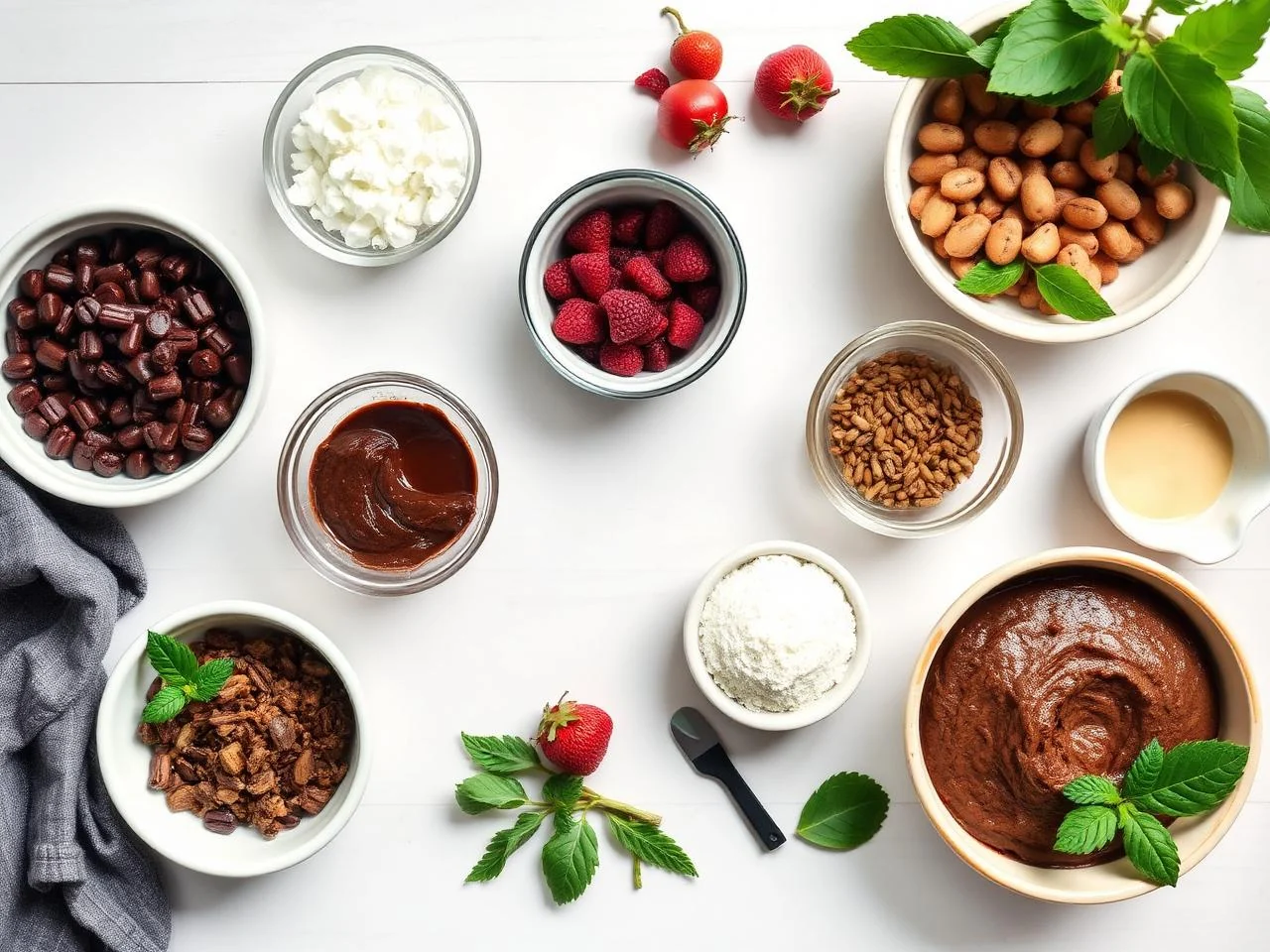
When it comes to the ingredients for your gluten-free chocolate souffle, quality and precision are key. You'll want to select the finest dark chocolate you can find, along with fresh eggs, real butter, and a well-balanced gluten-free flour blend. The balance of these ingredients, coupled with the right techniques, will elevate your souffle from good to extraordinary.
A shopping tip: look for gluten-free flours that are specifically labeled as '1:1 substitution' or designed for baking. These blends have already been formulated to provide the right balance of structure and texture, making your job easier.
- 1 1/2 cups (190g) gluten-free flour blendA blend of rice flour, tapioca starch, and xanthan gum provides the structure and texture needed for a gluten-free souffle. Look for a pre-mixed blend or create your own by combining 1 cup rice flour, 1/2 cup tapioca starch, and 1 teaspoon xanthan gum.
- 1 cup (200g) granulated sugarGranulated sugar adds sweetness and helps to strengthen the structure of the souffle. It's essential to use real sugar for the best results.
- 3 ounces (85g) high-quality dark chocolate, broken into small piecesThe quality of the chocolate is paramount. Look for a dark chocolate with at least 70% cocoa solids for the deepest flavor.
- 1/2 cup (115g) unsalted butter, softenedButter adds richness and moisture to the souffle. Make sure it's softened to room temperature for easy mixing.
- 4 large egg yolksEgg yolks provide moisture, richness, and help to strengthen the souffle's structure. Fresh eggs are essential for the best flavor and texture.
- 1/2 cup (120ml) whole milk, at room temperatureWhole milk adds moisture and helps to create a tender crumb. It's crucial that the milk is at room temperature to ensure it mixes smoothly with the other ingredients.
- 1 teaspoon pure vanilla extractVanilla extract enhances the flavor of the chocolate and adds a hint of warmth to the souffle. Use a high-quality, pure extract for the best flavor.
- 1/2 teaspoon kosher saltA pinch of salt balances the sweetness of the souffle and enhances the flavors of the other ingredients. Use kosher salt for its mild flavor and coarse texture.
- 4 large egg whitesEgg whites provide the structure and lift needed for the souffle to rise. They must be beaten until stiff peaks form to incorporate air and ensure the souffle rises properly.
- 1/4 cup (30g) confectioners' sugar, for dustingConfectioners' sugar adds a sweet and elegant finish to the souffle. Dust it lightly over the top before serving for a beautiful presentation.
Equipment You’ll Need
How to Make Chocolate Souffle
- 1Preheat your oven to 375°F (190°C). Butter the souffle dish and coat it with granulated sugar to prevent the souffle from sticking and to promote even browning.
- 2Melt the chocolate in a double boiler or in a heatproof bowl set over a pot of simmering water, stirring occasionally. Remove from the heat once melted and smooth.
- 3In a large mixing bowl, whisk together the gluten-free flour blend, granulated sugar, and kosher salt. This dry mixture will form the base of your souffle.
- 4In a separate bowl, whisk together the egg yolks and whole milk until well combined. Temper the egg yolks by slowly pouring the melted chocolate into the egg yolks, whisking constantly to prevent the eggs from scrambling.
- 5Add the softened butter and pure vanilla extract to the chocolate and egg yolk mixture. Whisk until smooth and fully incorporated.
- 6In a clean, dry bowl, beat the egg whites until stiff peaks form. This step is crucial for the souffle to rise properly.
- 7Gently fold the egg whites into the chocolate mixture using a rubber spatula, being careful not to deflate the egg whites. The mixture should be fully incorporated but still light and airy.
- 8Pour the mixture into the prepared souffle dish and smooth the top.
- 9Bake for 35-40 minutes or until the souffle is puffed and set. The top should be golden brown, and the edges should be set while the center is still slightly jiggly. Use an instant-read thermometer to check for an internal temperature of 190°F (88°C).
- 10Remove the souffle from the oven and let it cool in the dish for 10 minutes before dusting with confectioners' sugar. Serve immediately, as the souffle will begin to deflate quickly.
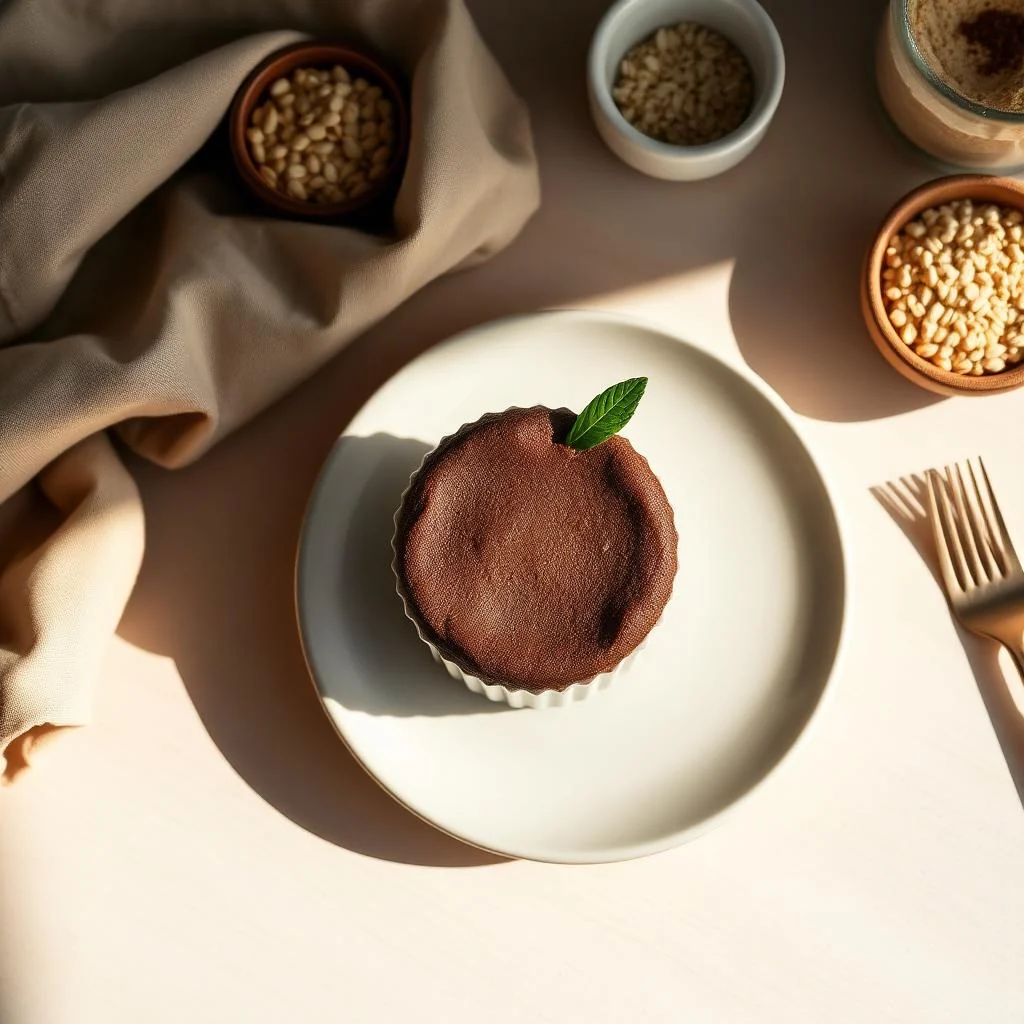
- 11To serve, place the souffle on a serving plate or individual plates. It's best served warm, when it's still puffed and the center is slightly warm and gooey.
Expert Tips
- Use high-quality ingredients for the best flavor and texture.
- Make sure all ingredients are at room temperature before starting to ensure they mix smoothly and evenly.
- Don't open the oven door during the baking time, as this can cause the souffle to sink.
- Let the souffle rest for a minute or two before serving to allow it to set slightly, making it easier to handle.
- For an extra-decadent treat, serve the souffle with a scoop of vanilla ice cream or whipped cream.
- Practice makes perfect; don't be discouraged if your first souffle doesn't turn out as expected. Adjust your technique and try again.
Common Mistakes to Avoid
- Overmixing the batter, which can lead to a dense souffle.
- Not using room temperature ingredients, which can affect how well the ingredients mix and the souffle rises.
- Opening the oven door during baking, causing the souffle to collapse.
- Not dusting the souffle dish with sugar, which can cause the souffle to stick and not rise evenly.
- Overbaking the souffle, leading to a dry and crumbly texture.
- Not tempering the egg yolks properly, which can result in scrambled eggs and a failed souffle.
Variations and Substitutions
- Add a teaspoon of instant coffee powder to the dry ingredients for a mocha souffle.
- Use different types of chocolate, like milk chocolate or white chocolate, for varying flavor profiles.
- Add a handful of chopped nuts or chocolate chips to the batter for added texture and flavor.
- Infuse the souffle with the flavor of orange or lemon by adding a teaspoon of zest and a tablespoon of juice to the batter.
- Make individual souffles in ramekins for a more personalized dessert.
- Serve the souffle with a side of caramel or chocolate sauce for an extra-decadent treat.
What to Serve With Chocolate Souffle
Serving your gluten-free chocolate souffle is an art in itself. The moment it comes out of the oven, the souffle is at its most majestic, puffed and golden. It's essential to serve it immediately, dusting it lightly with confectioners' sugar to add a touch of elegance to its presentation.
Consider pairing your souffle with a scoop of vanilla ice cream or a dollop of whipped cream to contrast the warm, gooey chocolate with something cool and creamy. A side of fresh berries or a drizzle of caramel sauce can also complement the flavors of the souffle beautifully.
Make-Ahead, Storage, Freezing and Reheating
Storing a chocolate souffle can be a bit tricky due to its delicate nature. The best approach is to prepare the souffle batter up to the point of baking, then refrigerate or freeze it until you're ready to bake.
If you choose to refrigerate the souffle, make sure it's in an airtight container and bake it within a day. For freezing, pour the batter into a buttered and sugared souffle dish, cover it tightly with plastic wrap or aluminum foil, and freeze. When you're ready to bake, remove the souffle from the freezer and let it thaw at room temperature for a few hours before baking as instructed.
Once baked, the souffle is best served immediately. However, if you have leftovers, you can store them in an airtight container in the refrigerator for up to a day. Reheat the souffle gently in the oven or microwave until warmed through, taking care not to overheat, which can cause it to dry out.
Frequently Asked Questions
What is the best type of chocolate to use for a souffle?
The best type of chocolate for a souffle is high-quality dark chocolate with at least 70% cocoa solids. This provides the deepest flavor and the best structure for the souffle.
Can I make a souffle ahead of time?
While you can prepare the souffle batter ahead of time, it's best to bake it just before serving. However, you can refrigerate or freeze the batter until you're ready to bake, following the storage instructions provided.
Why did my souffle sink?
A souffle can sink for several reasons, including overmixing the batter, opening the oven door during baking, or not baking it at the right temperature. Check your technique and oven temperature to prevent this in the future.
Can I use different types of flour for a gluten-free souffle?
Yes, you can experiment with different gluten-free flours, but it's crucial to find a blend that provides structure and texture similar to wheat flour. A combination of rice flour, tapioca starch, and xanthan gum is a good starting point.
How do I prevent the souffle from sticking to the dish?
Butter the souffle dish and coat it with granulated sugar to prevent the souffle from sticking and to promote even browning.
Can I make individual souffles?
Yes, you can make individual souffles in ramekins. Adjust the baking time based on the size of the souffles, checking for doneness by gently jiggling the ramekin; the edges should be set, and the centers slightly jiggly.
What's the best way to serve a souffle?
Serve the souffle immediately after baking, dusting it with confectioners' sugar. Consider pairing it with ice cream, whipped cream, or fresh berries for added flavor and texture.
How do I store leftover souffle?
Store leftover souffle in an airtight container in the refrigerator for up to a day. Reheat it gently in the oven or microwave until warmed through, taking care not to overheat.
Ingredients
- 1 1/2 cups (190g) gluten-free flour blend
- 1 cup (200g) granulated sugar
- 3 ounces (85g) high-quality dark chocolate, broken into small pieces
- 1/2 cup (115g) unsalted butter, softened
- 4 large egg yolks
- 1/2 cup (120ml) whole milk, at room temperature
- 1 teaspoon pure vanilla extract
- 1/2 teaspoon kosher salt
- 4 large egg whites
- 1/4 cup (30g) confectioners' sugar, for dusting
Instructions
- Preheat your oven to 375°F (190°C). Butter the souffle dish and coat it with granulated sugar to prevent the souffle from sticking and to promote even browning.
- Melt the chocolate in a double boiler or in a heatproof bowl set over a pot of simmering water, stirring occasionally. Remove from the heat once melted and smooth.
- In a large mixing bowl, whisk together the gluten-free flour blend, granulated sugar, and kosher salt. This dry mixture will form the base of your souffle.
- In a separate bowl, whisk together the egg yolks and whole milk until well combined. Temper the egg yolks by slowly pouring the melted chocolate into the egg yolks, whisking constantly to prevent the eggs from scrambling.
- Add the softened butter and pure vanilla extract to the chocolate and egg yolk mixture. Whisk until smooth and fully incorporated.
- In a clean, dry bowl, beat the egg whites until stiff peaks form. This step is crucial for the souffle to rise properly.
- Gently fold the egg whites into the chocolate mixture using a rubber spatula, being careful not to deflate the egg whites. The mixture should be fully incorporated but still light and airy.
- Pour the mixture into the prepared souffle dish and smooth the top.
- Bake for 35-40 minutes or until the souffle is puffed and set. The top should be golden brown, and the edges should be set while the center is still slightly jiggly. Use an instant-read thermometer to check for an internal temperature of 190°F (88°C).
- Remove the souffle from the oven and let it cool in the dish for 10 minutes before dusting with confectioners' sugar. Serve immediately, as the souffle will begin to deflate quickly.
- To serve, place the souffle on a serving plate or individual plates. It's best served warm, when it's still puffed and the center is slightly warm and gooey.