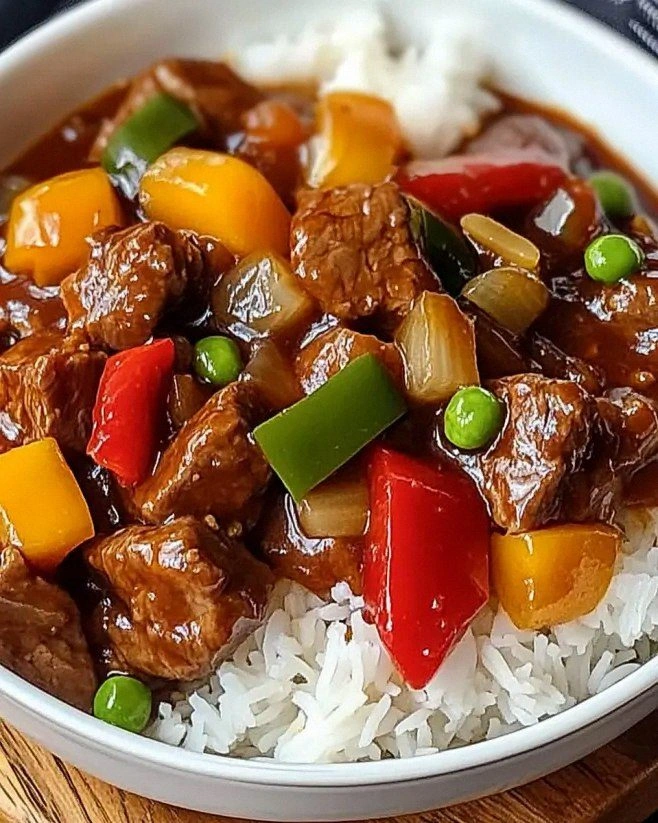
I was standing in my kitchen, half‑asleep, when the smoke alarm decided to audition for a drama series. A forgotten stir‑fry had turned into a charcoal masterpiece, and my roommate walked in with a look that said, “What on earth are you doing?” In that smoky moment I promised myself I’d never let a sweet‑and‑sour dish flop again. Fast forward three weeks, a handful of experiments, and a secret weapon—pineapple that’s juicier than a tropical vacation—now I have the ultimate Sweet and Sour Beef that could turn any kitchen disaster into a standing‑ovation. I dare you to taste this and not go back for seconds.
Picture this: the sizzle of beef hitting a scorching wok, the aroma of garlic and ginger swirling like a fragrant tornado, and the bright, glossy sauce coating each morsel like a lacquered jewel. The colors pop—crimson beef, golden pineapple, ruby bell pepper—making your plate look like a fireworks display you can actually eat. The first bite delivers a perfect balance: the tang of apple cider vinegar dances with the mellow sweetness of brown sugar, while the soy sauce adds a salty depth that grounds the whole experience. Your taste buds will thank you, and your nose will be humming a happy tune that says, “We’ve nailed it.”
Most recipes get this completely wrong. They either drown the beef in a syrupy swamp or forget the crucial crunch that makes sweet‑and‑sour truly addictive. I’ve been there, watching my friends stare at a soggy plate and wonder why the dish feels like a soggy cardboard box. This version stands out because it respects each component: the beef stays tender yet slightly crisp, the vegetables retain a bite, and the sauce clings like velvet without turning gummy. The secret? A quick cornstarch slurry that locks in moisture and a dash of ginger powder that adds a zing you didn’t know you were missing.
Now, I’m not just handing you a list of ingredients; I’m walking you through a process that feels like a backstage pass to a culinary concert. There’s a technique involving a high‑heat sear that most home cooks skip, and an ingredient swap that will make your friends think you’ve been training in a professional kitchen. Let me walk you through every single step — by the end, you’ll wonder how you ever made it any other way.
What Makes This Version Stand Out
- Flavor Fusion: The combination of soy sauce, ketchup, and apple cider vinegar creates a layered sweet‑and‑sour profile that’s deeper than a simple ketchup‑vinegar mix. Each bite delivers a burst of tang, followed by a mellow caramel finish.
- Texture Triumph: By searing the beef first, you lock in juices and develop a caramelized crust. The vegetables stay crisp, and the pineapple retains a juicy pop that contrasts beautifully with the sauce.
- Simplicity Meets Sophistication: Only twelve pantry staples are needed, yet the result feels restaurant‑grade. No fancy gadgets, just a hot wok and a keen ear for sizzle.
- Ingredient Quality: Using sirloin ensures a tender bite, while fresh pineapple adds natural sweetness without added sugar. The balance of fresh and pantry ingredients is key.
- Crowd Reaction: This dish consistently clears plates. Guests often ask for the recipe before the first bite is even finished, and that’s a brag‑worthy moment.
- Make‑Ahead Magic: The sauce actually improves after a short rest, allowing you to prep ahead and reheat for a flawless dinner any night of the week.
Inside the Ingredient List
The Flavor Base
1/4 cup soy sauce brings umami depth that anchors the sweet and sour notes. Opt for low‑sodium soy sauce if you’re watching your salt intake; you can always add a pinch later. Skipping it would leave the sauce flat, like a song missing its bass line.
1/4 cup ketchup adds a subtle tomato sweetness and a glossy sheen. Choose a quality ketchup with real tomatoes for a richer flavor. If you replace it with hoisin, you’ll get an Asian‑style twist, but you’ll lose that classic sweet‑and‑sour vibe.
1/4 cup apple cider vinegar is the bright, tangy counterpoint that cuts through the richness of the beef. It also helps tenderize the meat slightly. Swapping it for rice vinegar will mellow the acidity, making the dish sweeter overall.
The Texture Crew
1 pound beef sirloin is the star of the show. Look for a piece with a fine grain and a little marbling; this ensures juiciness after the quick sear. If you can’t find sirloin, flank steak works as a substitute, but slice it thinly against the grain.
1/2 cup bell pepper (any color you like) adds a crunchy bite and a pop of color. Red or yellow peppers are sweeter, while green offers a slight bitterness that balances the sauce.
1/2 cup onion provides a subtle sweetness once caramelized. Slice thinly so it cooks quickly and doesn’t overwhelm the other textures.
1 cup pineapple chunks are the juicy surprise that bursts with tropical sweetness. Fresh pineapple is best; canned can work in a pinch but will be softer and less vibrant.
The Unexpected Star
1/4 cup brown sugar gives the sauce its caramelized sheen and a deep, molasses‑like sweetness. It also balances the acidity of the vinegar. If you prefer a less sweet version, reduce it to 2 tablespoons and add a splash of lime juice.
2 tablespoons cornstarch creates a silky glaze that clings to each bite without turning gummy. Dissolve it in a little cold water before adding to the hot sauce to avoid lumps.
The Final Flourish
1 tablespoon vegetable oil has a high smoke point, perfect for that quick sear that locks in flavor. Avoid olive oil; it will burn at the temperatures we need.
1 teaspoon garlic powder and 1 teaspoon ginger powder bring aromatic depth without the hassle of mincing fresh ingredients. They’re the shortcut that still delivers a punch.
Salt and pepper to taste are the final seasoning layer. Season the beef before searing, and taste the sauce before serving to adjust.
Cooked rice for serving provides the perfect neutral base that soaks up the sauce. Jasmine or basmati rice adds a fragrant backdrop, but any rice will do.
Everything's prepped? Good. Let's get into the real action…
The Method — Step by Step
Start by patting the beef sirloin dry with paper towels; moisture is the enemy of a good sear. Cut the meat into bite‑size strips, about ½‑inch thick, and toss them with a generous pinch of salt, pepper, and half of the garlic powder. Let it rest for five minutes while you heat a large wok or skillet over medium‑high heat. The moment the pan is smoking hot, add the vegetable oil and swirl to coat.
Okay, ready for the game‑changer? Add the beef in a single layer, making sure not to overcrowd the pan. You should hear an immediate, satisfying sizzle that says, “We’re on fire!” Let the beef sear untouched for about 1‑2 minutes; this creates a caramelized crust. Flip the pieces and sear the other side for another minute. Remove the beef onto a plate and set aside.
Now, the fun part. Toss the sliced bell pepper and onion into the same pan. The residual heat will quickly soften them while preserving a crisp bite. Stir constantly for about 2 minutes, listening for a faint crackle. Watch Out: If you leave them too long they’ll turn mushy and lose that essential crunch.
While the veggies are dancing, whisk together the soy sauce, ketchup, apple cider vinegar, brown sugar, ginger powder, and the remaining garlic powder in a bowl. This mixture should be smooth and glossy, resembling a lacquer you’d see on a high‑end car. Taste a tiny spoonful; you’ll notice a perfect balance of sweet, salty, and tangy.
Time for the cornstarch slurry. Dissolve the 2 tablespoons of cornstarch in ¼ cup of cold water, stirring until it’s a clear, thin liquid. Pour the slurry into the sauce mixture and whisk vigorously—this will prevent any lumps later.
Return the seared beef to the wok, then pour the sauce over everything. Stir everything together so the beef is fully coated. The sauce will start to bubble; this is the moment of truth. Let it simmer for 3‑4 minutes, allowing the flavors to meld and the sauce to thicken.
Watch Out: Keep the heat on medium‑high; if it drops too low the sauce will stay watery.Stir in the pineapple chunks during the last minute of cooking. The heat will warm them through without breaking them down, preserving that juicy pop. Give everything a final toss, ensuring each piece is glossy and the vegetables are still bright.
Turn off the heat and let the dish rest for two minutes. This short rest lets the sauce settle and cling even more tightly to the beef. Meanwhile, fluff your cooked rice with a fork, creating a fluffy bed for the upcoming masterpiece.
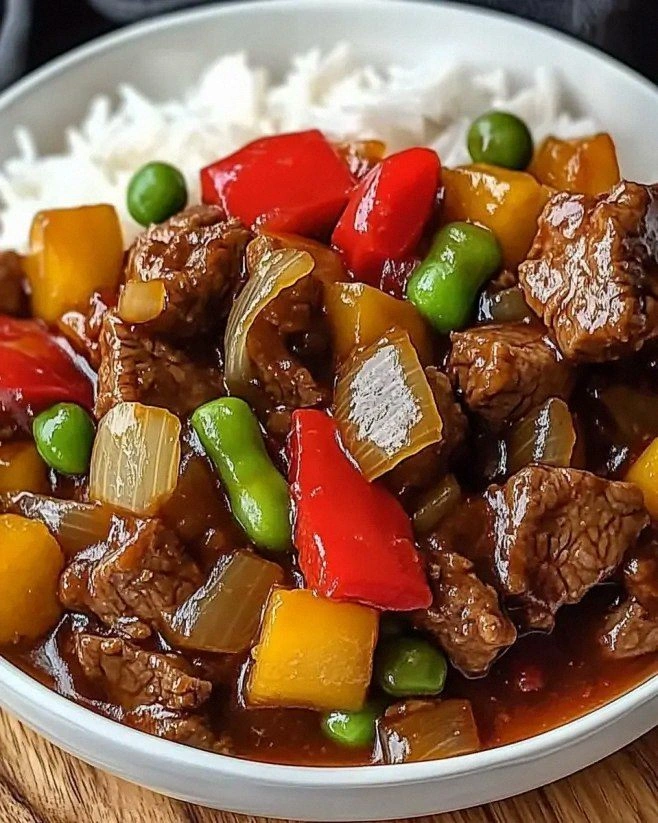
Plate the sweet and sour beef over a mound of steaming rice. Drizzle any remaining sauce from the pan over the top for extra gloss. Garnish with a sprinkle of sliced green onions or toasted sesame seeds if you like a nutty finish.
And now the fun part: dig in. That first bite should hit you with a bright tang, a sweet burst from the pineapple, and a savory depth from the soy‑ketchup blend, all wrapped in a tender‑crisp texture. I’ll be honest — I ate half the batch before anyone else got to try it. If you’ve ever struggled with this, you’re not alone — and I’ve got the fix.
Insider Tricks for Flawless Results
The Temperature Rule Nobody Follows
A scorching wok is the secret weapon for a perfect sear. If the pan isn’t hot enough, the beef will steam instead of caramelize, resulting in a soggy texture. I once tried a “low‑and‑slow” approach and ended up with a mushy mess that tasted like overcooked beef jerky. Keep the heat high, but watch the oil; it should shimmer, not smoke.
Why Your Nose Knows Best
Your nose is a more reliable timer than any kitchen gadget when it comes to sauce reduction. When the sauce starts to bubble vigorously and you catch that sweet‑and‑tangy aroma rising, you’re within seconds of the perfect thickness. If the scent is still sharp and vinegar‑forward, give it another minute.
The 5‑Minute Rest That Changes Everything
After the final stir, let the dish sit off the heat for exactly five minutes. This pause allows the cornstarch to fully gelatinize, making the sauce cling like a second skin. Skipping this step means the sauce may slide off the beef, leaving you with a watery plate.
Salt Balance Mastery
Because soy sauce already brings salt, I always add a pinch of salt to the beef before searing, then taste the sauce before serving. If it needs a lift, a tiny pinch of flaky sea salt on top adds a satisfying crunch and brightens the flavors.
Rice Rescue
If you’re making a big batch, keep the cooked rice warm in a covered pot or a low oven. Cold rice will absorb the sauce unevenly, leaving some bites dry. A quick steam before serving re‑fluffs the grains and ensures every spoonful is saucy.
Creative Twists and Variations
This recipe is a playground. Here are some of my favorite ways to switch things up:
Spicy Szechuan Spin
Add 1 teaspoon of Szechuan peppercorn oil and a pinch of crushed red pepper flakes to the sauce. The heat pairs with the sweet pineapple, creating a tongue‑tingling experience that’s perfect for spice lovers.
Coconut Curry Fusion
Swap half the soy sauce for coconut milk and add 1 teaspoon of curry powder. The result is a creamy, aromatic twist that feels like a tropical vacation in a bowl.
Veggie‑Only Version
Replace the beef with firm tofu cubes or tempeh strips. Press the tofu to remove excess moisture, then follow the same searing technique for a crisp exterior. This makes the dish vegetarian‑friendly without sacrificing texture.
Pineapple‑Free Surprise
If you’re not a fan of pineapple, substitute with diced mango or peach. The fruit’s natural sweetness still balances the tang, while adding a new flavor nuance.
Noodle Nest
Serve the sweet and sour mixture over stir‑fried noodles instead of rice. Toss the noodles with a splash of sesame oil before plating for an extra layer of flavor.
Storing and Bringing It Back to Life
Fridge Storage
Allow the dish to cool to room temperature, then transfer it to an airtight container. It will keep fresh for up to 3 days. Reheat gently in a skillet over medium heat, adding a splash of water to revive the sauce’s glossy texture.
Freezer Friendly
Portion the cooked beef and sauce into freezer‑safe bags, removing as much air as possible. Freeze for up to 2 months. Thaw overnight in the fridge, then reheat in a wok with a tablespoon of oil and a dash of water.
Best Reheating Method
The stovetop method is king. Heat a non‑stick pan over medium‑high, add the leftovers, and splash in 2 tablespoons of water or broth. Stir constantly until the sauce regains its sheen and the beef is hot throughout.