I was in the middle of a rainy Tuesday, staring at a half‑empty pantry and a lingering craving for something that felt like a hug from the inside. My usual go‑to was a bland spaghetti aglio‑olio, but the thought of that same old garlic‑oil combo left me yawning. Then, out of nowhere, my roommate dared me: “Make a pasta that could melt a snowman’s heart.” I laughed, grabbed the nearest cherry tomatoes, and set a timer for a culinary experiment that would soon become my signature dish. That daring moment sparked the birth of what I now call the ultimate comfort‑food masterpiece.
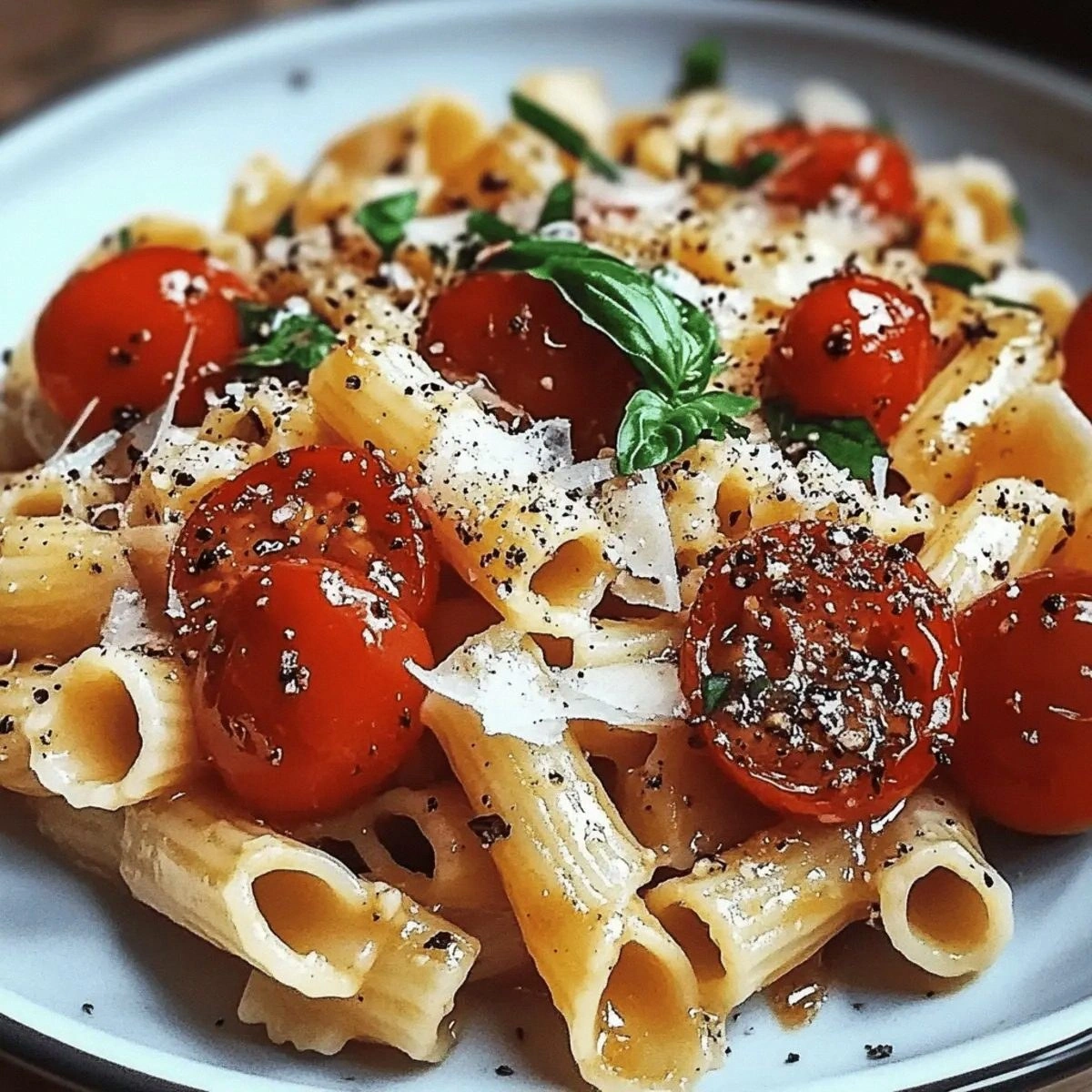
Picture this: the kitchen fills with the sweet, smoky perfume of caramelizing tomatoes, each pop and crackle sounding like applause for the flavor symphony about to unfold. The garlic, minced to a fine confetti, sizzles in olive oil, releasing a perfume that makes you want to inhale deeply until your eyes water with pleasure. When you finally toss the al dente pasta into that amber‑gold sauce, it clings like a lover’s embrace, each strand shimmering with a glossy sheen. The final garnish of fresh basil and a generous snowfall of Parmesan adds a bright, herbaceous finish that feels like sunshine after a storm.
Most recipes out there treat tomatoes as a background player, over‑cooking them into a mushy mess or under‑seasoning them so they barely register. This version flips the script: we roast the tomatoes until their skins blister and their interiors caramelize, unlocking a depth of flavor that’s both sweet and tangy, with a hint of smoky complexity. The garlic is introduced at just the right moment to stay fragrant without turning bitter, and the balsamic vinegar adds a subtle acidity that lifts the whole dish. The result? A sauce that coats the pasta like velvet, with bursts of juicy tomato that explode in your mouth.
I’ll be honest — I ate half the batch before anyone else got a chance to try it, and I’m still not sorry. The secret weapon? A splash of balsamic vinegar added right at the end, which you’ll discover is the game‑changer that makes this sauce sing. Let me walk you through every single step — by the end, you’ll wonder how you ever made it any other way.
What Makes This Version Stand Out
- Depth of Flavor: Roasting the cherry tomatoes concentrates their natural sugars, creating a sweet‑tart base that no stovetop simmer can match.
- Texture Harmony: The sauce clings to each pasta strand while still offering pockets of caramelized tomato that bite back with a satisfying pop.
- Simplicity: Only ten ingredients, all pantry staples, yet the result feels like a dish from a five‑star Italian trattoria.
- Ingredient Quality: Using fresh basil and good‑quality Parmesan turns a humble pasta into a celebration of fresh, bright flavors.
- Crowd Reaction: I dare you to taste this and not go back for seconds; even the pickiest eaters beg for the recipe.
- Make‑Ahead Potential: The sauce stores beautifully, meaning you can prep it ahead of time and still enjoy that fresh‑roasted taste.
- Cooking Method: The high‑heat roast creates caramelized edges that shatter like thin ice, delivering texture you can’t get from a stovetop sauce.
- Versatility: This foundation welcomes endless twists—add protein, swap herbs, or turn it into a baked casserole.
Inside the Ingredient List
The Flavor Base
Cherry tomatoes are the heart of this dish. Their natural sweetness intensifies when roasted, creating a sauce that feels both bright and deep. If you skip the roasting step, you’ll end up with a watery, bland sauce that lacks that coveted caramelized edge. For the best results, choose firm, bright‑red tomatoes; they’ll hold their shape and burst with juice.
Fun Fact: The cherry tomato was originally cultivated in Italy in the 1800s as a decorative plant before chefs discovered its culinary potential.
The Aromatic Crew
Garlic and olive oil are the dynamic duo that builds the aromatic foundation. Six cloves of garlic, minced fine, release a pungent aroma that becomes sweet and mellow once it meets the hot oil. Over‑cooking garlic turns it bitter, so watch the clock like a hawk. If you’re allergic to garlic, try a pinch of asafoetida for a similar depth.
The Unexpected Star
Balsamic vinegar is the secret weapon that brightens the roasted tomato’s sweetness with a whisper of acidity. Just a tablespoon added at the end lifts the entire sauce, preventing it from feeling heavy. Skip it, and you’ll notice a flat, one‑dimensional flavor profile. For a twist, try a splash of sherry vinegar for a fruitier note.
The Final Flourish
Fresh basil, Parmesan cheese, and a pinch of red pepper flakes bring the finishing touches. Basil adds a fragrant, herbaceous lift that balances the richness, while Parmesan contributes umami and a creamy texture. The red pepper flakes inject a gentle heat that awakens the palate without overpowering the dish. If you’re dairy‑free, swap Parmesan for a generous sprinkle of nutritional yeast.
Everything's prepped? Good. Let's get into the real action...
The Method — Step by Step
Preheat your oven to 425°F (220°C). While the oven warms, slice the cherry tomatoes in half, leaving the skins intact. Toss them on a parchment‑lined sheet with 2 tablespoons of olive oil, a pinch of salt, and a dash of black pepper. Spread them out so they’re not crowding; this ensures even roasting. Roast for 20‑25 minutes, stirring once halfway through, until the skins blister and the edges turn a deep, caramelized brown. That sizzle when they hit the pan? Absolute perfection.
Kitchen Hack: For extra caramelization, switch the oven to broil for the last 2 minutes, but keep a close eye to avoid burning.While the tomatoes roast, bring a large pot of salted water to a rolling boil. Add the pasta and cook according to package instructions until al dente—usually about 9‑11 minutes. Reserve 1 cup of the pasta cooking water before draining; this starchy liquid will help bind the sauce later. Drain the pasta and set aside, keeping it warm.
In a large skillet over medium heat, add the remaining tablespoon of olive oil. Once shimmering, introduce the minced garlic. Stir constantly for about 30 seconds, just until the garlic turns fragrant and a pale gold. Watch out: If the garlic starts to brown, lower the heat immediately; burnt garlic ruins the flavor profile.
Watch Out: Garlic can go from fragrant to bitter in seconds—keep it moving and watch the color closely.When the garlic is perfectly aromatic, add the roasted tomatoes (including any juices) to the skillet. Use a wooden spoon to crush a few of the tomatoes, creating a chunky sauce. Let the mixture simmer for 5 minutes, allowing the flavors to meld. At this point, drizzle in the tablespoon of balsamic vinegar; you’ll hear a faint sizzle as it deglazes the pan, lifting any caramelized bits.
Now, add the red pepper flakes, salt, and black pepper. Stir well, tasting as you go. The sauce should taste balanced—sweet from the tomatoes, tangy from the vinegar, and a gentle heat from the flakes. If it feels too thick, add a splash of the reserved pasta water, a tablespoon at a time, until you reach a silky consistency.
Time to unite pasta and sauce. Toss the cooked pasta into the skillet, using tongs to coat each strand thoroughly. The starch from the pasta water should help the sauce cling, creating that luxurious, velvety coating. Keep the heat on low for another 2 minutes, allowing the pasta to absorb the flavors.
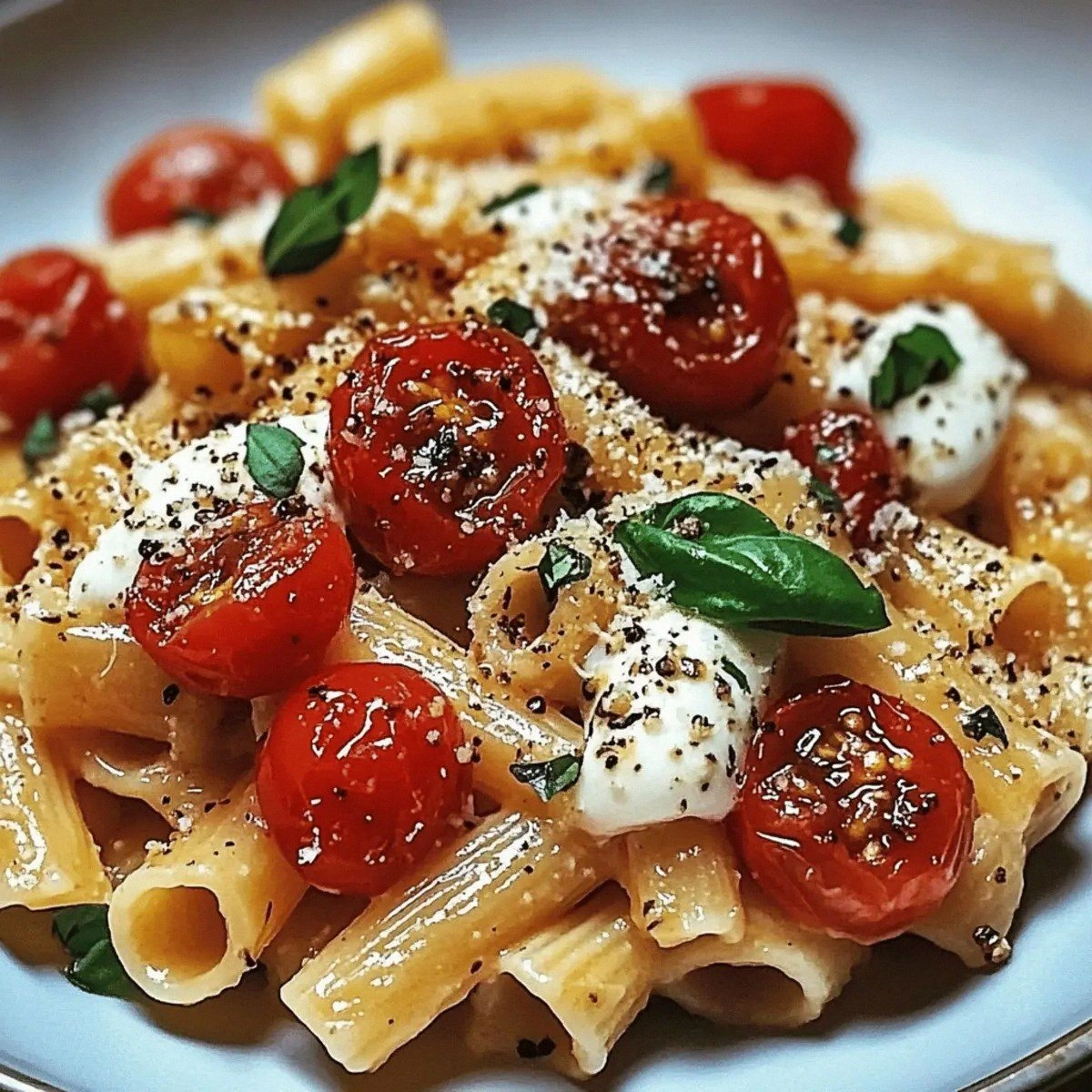
Kitchen Hack: Finish the dish with a splash of cold water just before serving; it creates a glossy sheen that makes the pasta look restaurant‑ready.Remove the skillet from heat. Sprinkle the fresh basil leaves, torn by hand, and the grated Parmesan cheese over the top. Toss gently so the cheese melts into the warm sauce, creating creamy ribbons throughout. Taste once more and adjust seasoning if needed—sometimes a pinch more salt or a drizzle of olive oil makes all the difference.
Plate the pasta in shallow bowls, allowing the sauce to pool slightly around the base. Finish each serving with an extra sprinkle of Parmesan and a few cracked black pepper shards. Serve immediately while the aromas fill the room; the steam rising from the dish is the ultimate invitation to dig in.
That’s it — you did it. But hold on, I’ve got a few more tricks that’ll take this to another level, like a finishing drizzle of toasted pine nuts or a splash of lemon zest for brightness. Stay with me here — this is worth it.
Insider Tricks for Flawless Results
The Temperature Rule Nobody Follows
Most home cooks crank the oven to “high” and hope for the best. The truth is, a steady 425°F gives the tomatoes enough heat to caramelize without burning. If you have a convection setting, lower the temperature by 25°F; the fan circulates heat more efficiently, yielding an even roast. I once tried 500°F and ended up with charred skins that tasted bitter—lesson learned.
Why Your Nose Knows Best
When the sauce is simmering, trust your sense of smell more than a timer. The moment you detect a sweet, roasted aroma with a hint of acidity, you know the flavors have melded. If you smell a faint burnt scent, lower the heat immediately. My friend once ignored this cue and ruined a batch; the lesson? Your nose is the most reliable kitchen gauge.
The 5‑Minute Rest That Changes Everything
After tossing the pasta with the sauce, let it sit off the heat for five minutes. This short rest allows the starches to absorb the sauce, turning each bite into a harmonious blend of texture and flavor. Skipping this step often results in a sauce that slides off the pasta, leaving you with a watery plate.
Cheese Timing Is Everything
Add Parmesan at the very end of cooking, not at the beginning. If you melt it too early, it can clump and become grainy. By sprinkling it just before serving, you get a silky, melt‑in‑your‑mouth finish that elevates the entire dish.
Pasta Water—Your Secret Weapon
Don’t discard the pasta water; it’s packed with starch that binds sauce to pasta. Adding a splash during the final toss creates a glossy coat that makes the dish look restaurant‑quality. If you find the sauce too thick, keep adding water a tablespoon at a time until you reach the desired silkiness.
Creative Twists and Variations
This recipe is a playground. Here are some of my favorite ways to switch things up:
Spicy Sausage Kick
Brown sliced Italian sausage in the skillet before adding garlic. The rendered fat adds richness, while the sausage’s spices deepen the flavor profile. Great for those who love a heartier bite.
Creamy Mushroom Medley
Stir in sautéed cremini and shiitake mushrooms after the tomatoes have softened. The earthy umami pairs beautifully with the sweet tomatoes, creating a velvety texture without dairy.
Lemon‑Basil Summer
Add a zestful squeeze of fresh lemon juice and extra basil leaves just before serving. The citrus brightens the dish, making it perfect for warm evenings on the patio.
Roasted Red Pepper Fusion
Swap half of the cherry tomatoes for roasted red peppers. Their smoky sweetness adds a new dimension, and the vibrant color makes the plate pop.
Vegan Delight
Replace Parmesan with a generous spoonful of nutritional yeast and drizzle with toasted walnut oil. The dish stays creamy and cheesy without any dairy.
Baked Casserole Twist
Combine the cooked pasta and sauce in a baking dish, top with mozzarella, and bake at 375°F for 15 minutes until golden and bubbly. It transforms the dish into a comforting bake perfect for potlucks.
Storing and Bringing It Back to Life
Fridge Storage
Place leftovers in an airtight container and refrigerate for up to 4 days. The sauce may thicken; simply stir in a splash of water or broth before reheating to restore its silky texture.
Freezer Friendly
Cool the pasta and sauce completely, then portion into freezer‑safe bags. Freeze for up to 2 months. When ready, thaw overnight in the fridge and reheat gently on the stovetop, adding a dash of water to loosen the sauce.
Best Reheating Method
The safest way to reheat is in a skillet over low heat, stirring frequently. Add a tiny splash of water before reheating; it steams the pasta back to perfection, preventing dryness. Microwaving works in a pinch, but the skillet method preserves the sauce’s glossy finish.