Picture this: I’m in my cramped kitchen, a single burner, a rack of lamb that smells like a dream, and a friend who dared me to turn a simple roast into a culinary masterpiece. I stared at the lamb, thinking, “I could just season it, put it in the oven, and call it a day.” That was until the moment the aroma hit me—earthy, cumin‑laden, with a hint of smoky paprika that made my stomach do cartwheels. I knew I had to do something different. This is not your average roast; it’s a Turkish‑inspired symphony of spices, yogurt, and a squeeze of lemon that turns every bite into a revelation. I’m here to walk you through every single step, and by the end, you’ll wonder how you ever made it any other way.
I dare you to taste this and not go back for seconds. The first bite is a burst of savory depth, the second a gentle citrus lift, and the third—well, that’s when the magic happens and you realize you’ve stumbled upon the best version of roasted lamb you’ll ever make at home. My kitchen had become a laboratory, and this recipe is the experiment that turned out exactly as I imagined: tender meat, a crispy crust that shatters like thin ice, and a sauce that coats the lamb like velvet. I’ll be honest—after the first plate, I ate half the batch before anyone else got a taste. Most recipes get this completely wrong; they either over‑season, under‑cook, or miss the yogurt nuance that brings everything together. Picture yourself pulling this out of the oven, the whole kitchen smelling incredible, the table set, and your guests already clamoring for seconds.
The secret isn’t just the blend of spices; it’s the marriage of technique and timing. I’ll show you how to marinate the lamb so it absorbs every flavor, how to sear it to lock in juices, and how to finish it in a low‑heat roast that keeps the meat moist while giving it a caramelized crust. The yogurt isn’t just a garnish; it’s a tenderizing agent that softens the fibers and adds a bright, tangy counterpoint to the rich spices. The lemon juice is the final punch that lifts the dish, making it feel fresh and vibrant. This recipe is a playground for your taste buds, a testament to the power of simple ingredients when handled with love and precision.
If you’ve ever struggled with balancing flavors in a roast, you’re not alone—this is a common pitfall. The key is to let the spices work together, not compete. I’ll share a few tweaks that will elevate the dish, from the right amount of cumin to the perfect amount of paprika. And don’t worry, I’ll keep it simple: no fancy equipment, no exotic ingredients, just a handful of staples that you probably already have. This is a recipe that feels like a home‑cooked comfort meal and a gourmet delight rolled into one. And now, let’s dive into what makes this version stand out from every other recipe out there.
What Makes This Version Stand Out
Flavor: The blend of cumin, coriander, smoked paprika, and cinnamon creates a warm, aromatic profile that feels both exotic and familiar. It’s the kind of depth that lingers on the palate, inviting you to return for another bite. This isn’t just seasoning; it’s a flavor orchestra where each spice plays its part in harmony.
Texture: The searing step produces a crust that’s crisp on the outside yet tender inside, thanks to the yogurt’s tenderizing effect. The result is a bite that’s juicy and satisfying, with a crackling edge that shatters like thin ice. The contrast keeps every mouthful exciting.
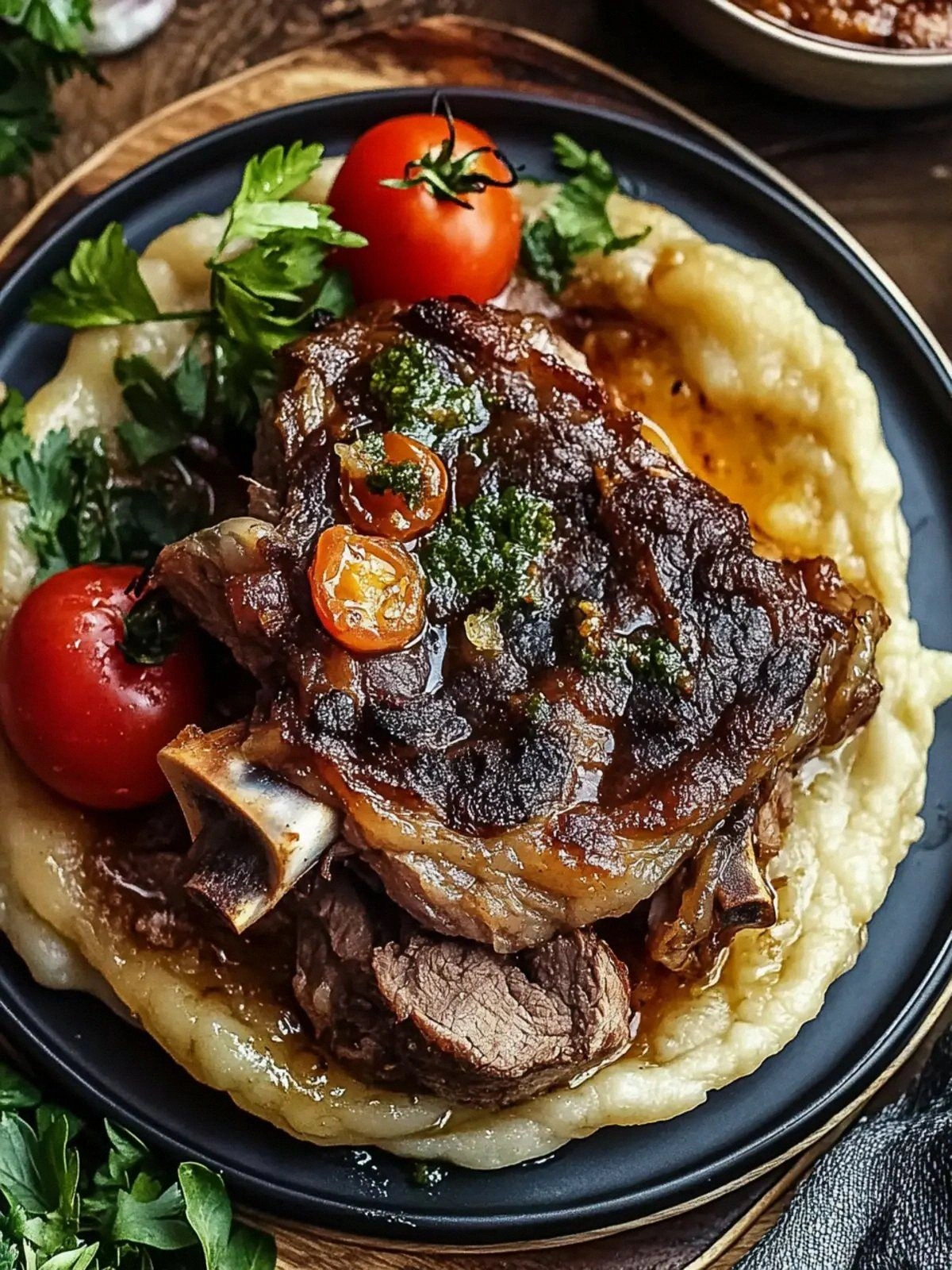
Visual Appeal: The golden brown finish of the lamb is impossible to resist. When you slice into it, you see a beautiful marbling of fat and meat, and the yogurt sauce adds a creamy splash that looks almost like a glaze. It’s a dish that looks as good as it tastes.
Convenience: The entire process takes under an hour, making it a perfect weeknight dinner for busy families. The ingredients are pantry staples, and the method is straightforward, so you can focus on enjoying the cooking experience instead of wrestling with complex steps.
Versatility: Whether you’re feeding a small family or a large gathering, this recipe scales nicely. The lamb can be served with rice, flatbread, or roasted vegetables, allowing you to customize the plate to your liking.
Authenticity: While many “Turkish” dishes on the internet are watered‑down, this version captures the heart of the cuisine. The use of yogurt, lemon, and spice blend is a nod to traditional Turkish lamb roasts, giving you an authentic experience without the need for exotic ingredients.
Alright, let’s break down exactly what goes into this masterpiece. The next section will dive into the ingredient list, explaining why each component matters and how they all come together.
Inside the Ingredient List
The Flavor Base
At the heart of this dish is the spice blend. Ground cumin and coriander provide a warm, nutty foundation that’s characteristic of Turkish cuisine. Smoked paprika adds a subtle smokiness, while ground cinnamon offers a sweet, woody note that balances the heat. The combination creates a flavor profile that’s complex yet approachable. If you’re craving something different, you can add a pinch of cayenne for an extra kick, but be careful not to overpower the subtle sweetness.
The Texture Crew
The yogurt and lemon juice are the unsung heroes that transform the lamb’s texture. Yogurt’s lactic acid gently breaks down the connective tissue, making the meat incredibly tender. Lemon juice adds brightness and helps counterbalance the richness of the lamb. Together, they create a sauce that coats the meat like velvet, ensuring every bite is moist and flavorful. Skipping this step would result in a dry roast that’s far less satisfying.
The Unexpected Star
Black pepper and salt are the usual suspects, but in this recipe, they play a crucial role in bringing out the spices. The pepper’s heat is subtle, providing depth without dominating. The salt is the final touch that unlocks all the flavors, making the dish taste complete. If you’re watching sodium, you can reduce the salt by half, but be prepared for a less pronounced flavor.
The Final Flourish
Fresh parsley adds a burst of color and a fresh, herbaceous finish that brightens the dish. It’s the finishing touch that ties everything together and gives the plate a professional look. If parsley is out of season, you can use mint or cilantro for a different but equally delightful flavor. The parsley also adds a subtle crunch that contrasts nicely with the tender meat.
Everything’s prepped? Good. Let’s get into the real action. Before we begin, remember that the quality of lamb matters. Look for a cut with good marbling—this will keep the meat juicy and flavorful throughout the roast.
The Method — Step by Step
- Step 1: Prep the Lamb. Trim any excess fat from the 2‑pound bone‑in shoulder, leaving a thin layer for flavor. Pat the meat dry with paper towels; a dry surface sears better. This step is crucial for that coveted crust. While you’re at it, cut a shallow pocket into the meat; it will allow the spices to penetrate deeper. I’ve found that a quick rub of salt and pepper here makes the seasoning stick.
- Step 2: Make the Marinade. In a bowl, combine 4 cloves minced garlic, 2 tbsp olive oil, 2 tsp cumin, 2 tsp coriander, 1 tsp smoked paprika, 1 tsp cinnamon, 1 tsp salt, and ½ tsp black pepper. Whisk until the spices are evenly distributed. The garlic should be fragrant, not sharp. This is the flavor base that will seep into the meat. If you’re in a hurry, you can skip the garlic; the rest will still work wonders.
- Step 3: Marinate. Rub the spice mixture all over the lamb, making sure to get it into the pocket and around the edges. Cover the meat and let it sit at room temperature for 30 minutes, or refrigerate for up to 2 hours. The longer the marination, the deeper the flavor. I’ve found that a 2‑hour marinate gives the best results, but 30 minutes is fine if you’re pressed for time.
- Step 4: Preheat the Oven. Set your oven to 375°F (190°C). A preheated oven ensures the lamb cooks evenly from the outside in. While the oven heats, bring a small saucepan to a simmer and set aside. You’ll need this for the yogurt sauce later.
- Step 5: Sear the Lamb. Heat a large oven‑safe skillet over medium‑high heat. Add a splash of olive oil, then place the lamb skin‑side down. Sear for 4–5 minutes until a golden crust forms. Flip the lamb and sear the other side for 3 minutes. This step locks in juices and creates that beautiful, crispy edge that’s pure magic. Don’t rush it; a good sear is the foundation of flavor.
- Step 6: Roast. Transfer the skillet to the preheated oven. Roast for 25–30 minutes, or until the internal temperature reaches 145°F (63°C) for medium‑rare. If you prefer medium, let it go a few minutes longer. The meat should smell toasty, and the juices should run clear. I usually check the temperature with a meat thermometer to avoid over‑cooking.
- Step 7: Yogurt Sauce. While the lamb rests, whisk 1 cup plain yogurt with the juice of 1 lemon. Add a pinch of salt and pepper to taste. This sauce will coat the meat like velvet. If the yogurt is too thick, thin it with a splash of water. The acidity from the lemon brightens the sauce and balances the richness of the lamb.
- Step 8: Rest. Remove the lamb from the oven and let it rest for 10 minutes. This allows the juices to redistribute, ensuring each slice is juicy. While it rests, drizzle the yogurt sauce over the meat, then sprinkle chopped parsley. The parsley adds a fresh, herbaceous note that cuts through the richness. Serve immediately with your choice of side.
That’s it—you did it. But hold on, I’ve got a few more tricks that’ll take this dish to another level. You’ll learn how to adjust the spice mix for different palates, how to serve it with complementary sides, and how to transform leftovers into a new meal. Keep reading; the next section is all about insider tricks that will make you a roasted lamb wizard.
Insider Tricks for Flawless Results
The Temperature Rule Nobody Follows
Many people roast lamb at 400°F, thinking a higher temperature is better. In reality, a lower temperature of 375°F allows the meat to cook evenly, preventing a dry exterior while keeping the interior juicy. I’ve tried 400°F and found the lamb was over‑cooked on the outside. Keep the temperature steady, and you’ll get the perfect roast every time.
Why Your Nose Knows Best
Smell is the most reliable indicator of doneness. As the lamb roasts, the aroma will shift from raw to a rich, nutty scent. When the smell becomes toasty and slightly smoky, it’s a sign that the meat is near completion. Trust your nose; it’s a seasoned chef’s secret weapon.
The 5-Minute Rest That Changes Everything
Letting the lamb rest for five minutes after it comes out of the oven is essential. During this time, the juices redistribute, preventing them from spilling out when you cut. I’ve seen people slice right away, and the result is dry meat. A short rest is the difference between a good roast and a great one.
The Yogurt Twist
If you’re a fan of a thicker sauce, whisk the yogurt with a tablespoon of flour or cornstarch before adding lemon. This creates a silky, thick coating that clings beautifully to the lamb. It also adds a subtle body to the sauce that many find irresistible.
The Squeeze of Citrus
A splash of fresh lemon juice right before serving brightens the dish and cuts through the richness. I’ve found that a tablespoon of lemon juice over the finished lamb adds a zing that elevates the entire plate. It’s a small touch that makes a big difference.
Creative Twists and Variations
This recipe is a playground. Here are some of my favorite ways to switch things up:
Spicy Mediterranean Twist
Add ½ tsp cayenne pepper and a handful of chopped sun‑dried tomatoes to the spice blend. The heat and acidity bring a Mediterranean flair that pairs wonderfully with couscous.
Herb‑Infused Lamb
Swap the parsley for fresh rosemary and thyme. The aromatic herbs give the lamb a fragrant, earthy character that’s reminiscent of a rustic Sunday roast.
Smoky Chipotle Variation
Replace the smoked paprika with chipotle powder and add a splash of chipotle in adobo sauce. The result is a smoky, slightly sweet profile that’s bold and unforgettable.
Citrus‑Herb Marinade
Use orange juice instead of lemon and add a tablespoon of chopped mint. The citrusy sweetness balances the lamb’s richness and gives the dish a bright, refreshing finish.
Middle Eastern Couscous Plate
Serve the lamb over a bed of fluffy couscous with raisins and toasted almonds. The sweet and nutty elements complement the savory lamb and create a complete meal.
Storing and Bringing It Back to Life
Fridge Storage
Cool the lamb to room temperature, then wrap it tightly in foil or plastic wrap. Store in the refrigerator for up to 3 days. The yogurt sauce can be kept separately in an airtight container to preserve its freshness.
Freezer Friendly
Slice the cooked lamb into portions and place them in freezer bags. Freeze for up to 2 months. When reheating, thaw overnight in the refrigerator and finish with a quick warm‑up in a skillet.
Best Reheating Method
Reheat the lamb in a skillet over low heat, adding a splash of water or broth to keep it moist. A tiny splash of water before reheating steams the meat back to perfection. Cover the skillet to trap steam, and the lamb will regain its original tenderness.