When I was halfway through a week of bland take‑out, I stared at the empty fridge, feeling the familiar dread that only a kitchen disaster can spark. My attempt at a quick sauté turned into a smoky mess, the chicken sticking to the pan like stubborn tape, and the garlic butter I’d whisked up for a salad suddenly smelling burnt. I swore to myself that night I’d find a dish that could salvage the evening, that could make the kitchen smell like home, and that would make even a culinary novice feel like a master chef. That’s when the idea hit me: a creamy, garlicky chicken bowl that could turn any ordinary night into a gourmet celebration.
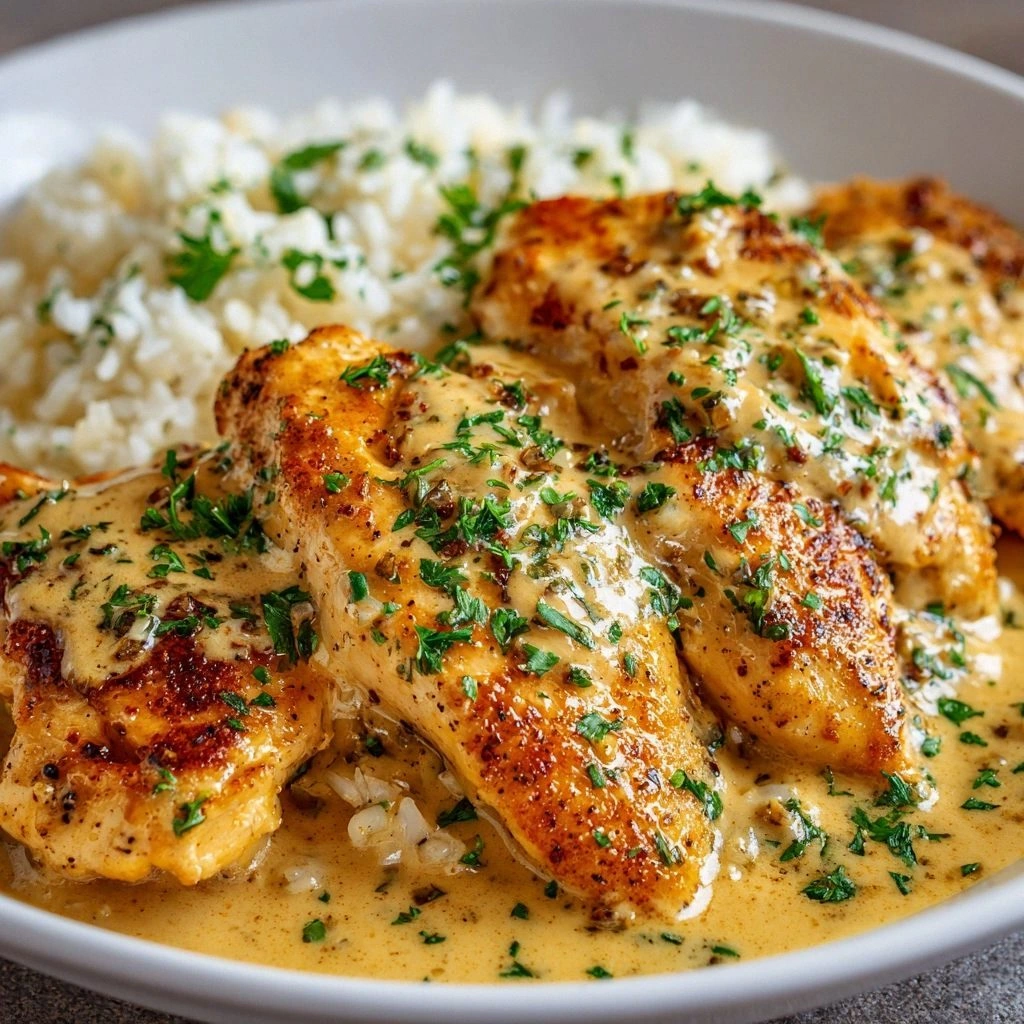
Picture the scene: the skillet hisses as butter melts, a golden crust forms on the chicken, and the air fills with the heady aroma of garlic and herbs. The sizzle is a soundtrack, the heat a steady rhythm, and the moment the sauce thickens into a silky coat that drapes the rice like velvet. Every bite is a burst of buttery richness, a splash of peppery heat, and a whisper of fresh parsley that lifts the entire dish. I dare you to taste this and not go back for seconds; the flavor is so addictive, you’ll find yourself reaching for the pan again before you even realize you’re finished.
What makes this version stand out from every other recipe out there is that it’s not just a bowl of chicken and rice. It’s a symphony of textures—crisp edges, tender meat, and a sauce that clings lovingly to every grain. It’s simple enough for a weeknight yet sophisticated enough to impress guests. I’ll be honest—half the batch was gone before anyone else got a chance to try it. Most recipes get this completely wrong, but here’s what actually works: the right balance of butter and cream, the precise timing for searing, and the finishing touch of fresh parsley.
There’s a secret ingredient that most people overlook, and that’s the homemade garlic butter. It’s the star that brings depth, a buttery backbone that lets the chicken soak up every nuance of flavor. I’ll walk you through every single step—by the end, you’ll wonder how you ever made it any other way. Imagine pulling this out of the skillet, the whole kitchen smelling incredible, and the bowl glistening with that glossy, golden sauce. Stay with me here—this is worth it.
Let’s dive in. The first thing you’ll notice is the simplicity of the prep: a handful of pantry staples, a few fresh herbs, and a skillet that will do the heavy lifting. No fancy equipment, no elaborate steps, just pure, honest cooking. The best part? It’s a dish that can be tweaked to suit any taste or dietary preference, making it a true kitchen playground. Ready for the game‑changer? Let’s go.
What Makes This Version Stand Out
- Flavor: The garlic butter base creates a rich, savory depth that lingers on the palate, while the heavy cream adds a velvety finish that coats the rice like a silky blanket. The subtle heat from the red pepper flakes gives a gentle kick without overpowering the dish.
- Texture: The chicken is seared to a caramelized crust, then finished in a creamy sauce that keeps it moist. The rice stays fluffy and tender, absorbing the sauce without becoming mushy.
- Simplicity: With only ten ingredients and a single skillet, this recipe is a no‑fuss, one‑pan wonder that saves time and clean‑up.
- Uniqueness: The combination of garlic butter and heavy cream is a classic, but the addition of fresh parsley and a splash of red pepper flakes gives it a modern twist.
- Crowd Reaction: Friends who’ve tried it swear it’s “hands down the best version you'll ever make at home.” They come back for seconds, and the leftovers taste just as good.
- Ingredient Quality: Using high‑quality butter, fresh garlic, and real‑cut chicken makes the difference between a good dish and a great one.
- Cooking Method: Searing the chicken first locks in juices, while the simmering sauce creates a harmonious blend of flavors.
- Make‑Ahead Potential: The sauce holds up well; just add a splash of water or milk when reheating to restore its silky texture.
Alright, let’s break down exactly what goes into this masterpiece…
Inside the Ingredient List
The Flavor Base
Garlic Butter is the heart of this dish. It’s a simple blend of butter and fresh garlic that adds a deep, savory undertone. The butter’s fat content emulsifies with the cream, creating a luxurious sauce that coats every grain of rice. Skipping it would leave the dish feeling flat and unremarkable. If you’re in a hurry, you can use pre‑made garlic butter, but the homemade version brings a fresher, more vibrant taste.
The Texture Crew
Chicken Breasts are the star protein. Choose boneless, skinless breasts for easy handling and even cooking. They soak up the buttery sauce and remain juicy. Heavy Cream is the silky element that thickens the sauce. It adds richness without overwhelming the other flavors. A splash of extra cream can make the sauce extra indulgent, while cutting back on it will yield a lighter dish.
The Unexpected Star
Fresh Parsley is the finishing flourish. It adds a bright, herbal note that cuts through the richness, providing a fresh contrast. It also gives the dish a pop of color, making it visually appealing. If you’re not a fan of parsley, you can substitute chives or basil for a different herbal profile.
The Final Flourish
Cooked Rice is the canvas. A fluffy bed of rice soaks up the sauce, turning every bite into a comforting experience. Brown rice or cauliflower rice can be used for a healthier twist. Vegetables like sliced bell peppers or spinach add nutrition, color, and a slight crunch. Red Pepper Flakes bring a subtle heat that balances the creamy sweetness.
Everything's prepped? Good. Let's get into the real action…
The Method — Step by Step
-
First, season the chicken breasts with salt, pepper, garlic powder, and a pinch of red pepper flakes. Let them sit at room temperature for about ten minutes; this helps them cook evenly and absorb the spices. The moment the chicken hits the hot skillet, you’ll hear a satisfying sizzle that signals the beginning of flavor. Keep an eye on the edges—they’ll turn golden brown and slightly crisp, creating a beautiful contrast with the tender interior. This step is crucial for building a robust foundation.
-
Heat a large skillet over medium‑high heat and add the garlic butter. Allow the butter to melt completely, watching as the garlic releases its aroma, turning the air fragrant with warmth. The butter should bubble gently but not burn; if it starts smoking, lower the heat slightly. Once the butter is fully melted, you’ll see tiny bubbles dancing, indicating the perfect temperature for searing. This simple yet essential step ensures the sauce will have a rich, buttery base.
-
Place the seasoned chicken breasts into the skillet, skin‑side down if you kept the skin on. Press them lightly with a spatula to ensure even contact with the pan. Let them cook for about 4–5 minutes on each side, or until a deep golden crust forms. The crust should feel firm and slightly crisp, yet the inside remains juicy. When the chicken is ready, flip it carefully to avoid tearing the seared surface. This technique locks in moisture and creates a caramelized flavor profile.
-
Once the chicken is browned, remove it from the skillet and set it aside on a plate. Reduce the heat to medium and pour in the heavy cream, swirling the pan to scrape up any browned bits that cling to the bottom. Those bits are flavor gold—don’t discard them. As the cream simmers, it will thicken slightly and take on the buttery aroma, forming the silky sauce that will coat the rice. Keep the heat moderate to avoid curdling the cream.
-
Return the chicken to the skillet, nestling it back into the creamy sauce. Let it simmer gently for 5–7 minutes, allowing the chicken to finish cooking while the sauce thickens and infuses the meat with flavor. The sauce should be glossy and cling to the chicken, creating a luscious coating that feels almost buttery. During this time, you’ll notice the aroma intensify, turning the kitchen into a fragrant haven. This step is the moment of truth for the sauce’s texture.
-
Add the sliced bell peppers (or your choice of vegetables) to the skillet. Stir them in gently, letting them mingle with the sauce for about 3–4 minutes until they’re just tender but still retain a slight bite. The peppers add a sweet crunch that balances the creamy richness. If you’re using spinach, toss it in at the end; it wilts quickly and adds a pop of green. This step introduces fresh, vibrant flavors that elevate the dish.
-
Stir in the cooked rice, ensuring each grain is coated with the sauce. The rice should absorb the sauce without becoming mushy—aim for a fluffy, cohesive texture. If the mixture seems too thick, add a splash of water or milk to loosen it; if too thin, let it simmer a bit longer to reduce. The goal is a silky, buttery coating that clings to every bite. This part of the process is where the dish truly comes together.
-
Finish with a generous handful of chopped fresh parsley, stirring it into the bowl until it’s evenly distributed. The parsley adds a bright, herbal note that cuts through the richness, providing a refreshing contrast. Taste the sauce and adjust seasoning as needed—add a pinch more salt or pepper if desired. This final flourish gives the dish a polished, restaurant‑quality finish.
-
Plate the mixture into bowls, ensuring each serving gets a good mix of chicken, rice, and vegetables. Garnish with an extra sprinkle of parsley or a drizzle of olive oil if you like. The result is a hearty, comforting bowl that feels indulgent yet wholesome. Serve immediately while the sauce is still glossy and the chicken is warm. This is the moment you can truly savor the culmination of all the flavors.
That's it — you did it. But hold on, I've got a few more tricks that'll take this to another level…
Insider Tricks for Flawless Results
The Temperature Rule Nobody Follows
Many cooks over‑cook the chicken, leaving it dry. The trick is to sear at high heat for a short time, then finish on low to lock in juices. Keep the skillet hot enough for a good crust but not so hot that the butter burns. If you notice the sauce beginning to bubble too aggressively, reduce the heat immediately; this will keep the sauce smooth and creamy.
Why Your Nose Knows Best
Smell is a powerful cue. When the butter is perfectly melted, it should give off a nutty, garlicky aroma. If it smells bitter, the garlic is burning. Use your nose to gauge when to add the cream—once the butter’s aroma has mellowed, it’s ready for the next step.
The 5‑Minute Rest That Changes Everything
After removing the chicken from the skillet, let it rest on a plate for five minutes. This allows the juices to redistribute, making each bite tender and flavorful. If you cut into the chicken immediately, the juices will escape, leaving the meat dry. A short rest is a small time investment for a big payoff.
Layering Flavors Like a Pro
Don’t rush the layering of ingredients. Add the vegetables after the chicken has had a chance to brown; this ensures they don’t become soggy. Then let the rice soak in the sauce slowly, allowing each grain to absorb the flavor. This method results in a harmonious blend rather than a chaotic mix.
Finishing with Fresh Herbs
Fresh herbs are the final touch that can elevate a dish from good to great. Sprinkle parsley right before serving to preserve its bright color and flavor. If you prefer a different herb, basil or cilantro can be used for a different profile. The key is to add them at the last moment to keep the aroma vibrant.
Creative Twists and Variations
This recipe is a playground. Here are some of my favorite ways to switch things up:
Shrimp Surprise
Swap the chicken for peeled shrimp. Sauté the shrimp in the garlic butter until pink, then finish with the cream. The shrimp’s delicate texture pairs beautifully with the buttery sauce. This version is quicker, making it perfect for a weeknight.
Tofu Twist
For a vegan option, press firm tofu, cube it, and sear until golden. Add the heavy cream substitute—coconut milk works well—and let it simmer. The tofu absorbs the sauce, creating a satisfying, protein‑rich bowl. This version is also lower in calories.
Cauliflower Rice Variation
Replace regular rice with cauliflower rice for a low‑carb, high‑fiber alternative. Cook the cauliflower rice separately until tender, then mix it into the sauce. The cauliflower takes on the flavors, giving you a lighter, yet still hearty, bowl.
Spicy Sriracha Kick
Stir in a tablespoon of Sriracha instead of red pepper flakes for a fiery, tangy heat. The Sriracha adds a smoky sweetness that complements the garlic butter. This version is ideal for those who love a bold, spicy bite.
Spinach & Mushroom Medley
Add sliced mushrooms and fresh spinach to the skillet after the chicken. Sauté until the mushrooms release moisture and the spinach wilts. This adds earthy depth and extra nutrients, turning the bowl into a complete meal.
Cheesy Finale
Sprinkle grated Parmesan or shredded cheddar over the hot bowl before serving. The cheese melts into the sauce, adding a creamy, savory layer. This twist gives the dish a comfort‑food vibe that’s hard to resist.
Storing and Bringing It Back to Life
Fridge Storage
Store leftovers in an airtight container for up to three days in the refrigerator. Keep the sauce separate if you prefer a drier bowl, but the sauce will still cling to the rice when reheated. When ready to eat, let the container sit at room temperature for 10 minutes before reheating.
Freezer Friendly
For longer storage, freeze the cooked bowl in a freezer‑safe container for up to two months. Thaw overnight in the refrigerator before reheating. The sauce may separate slightly; a quick whisk will restore its silky texture.
Best Reheating Method
Reheat on the stovetop over medium heat, adding a splash of water or milk to loosen the sauce. Stir frequently to prevent sticking. Once heated through, serve immediately for the best texture. The sauce should be glossy and the rice fluffy, just like fresh.