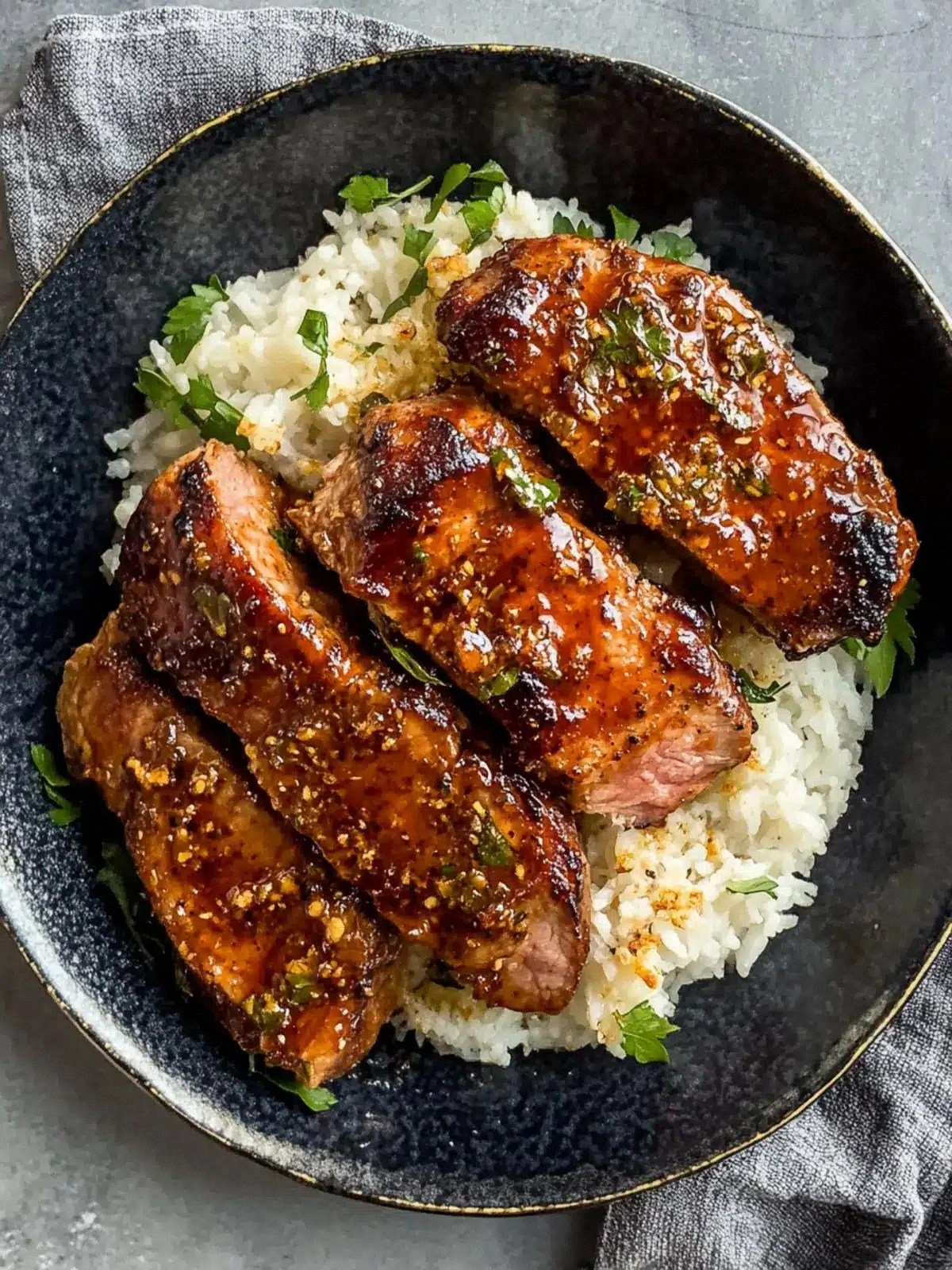
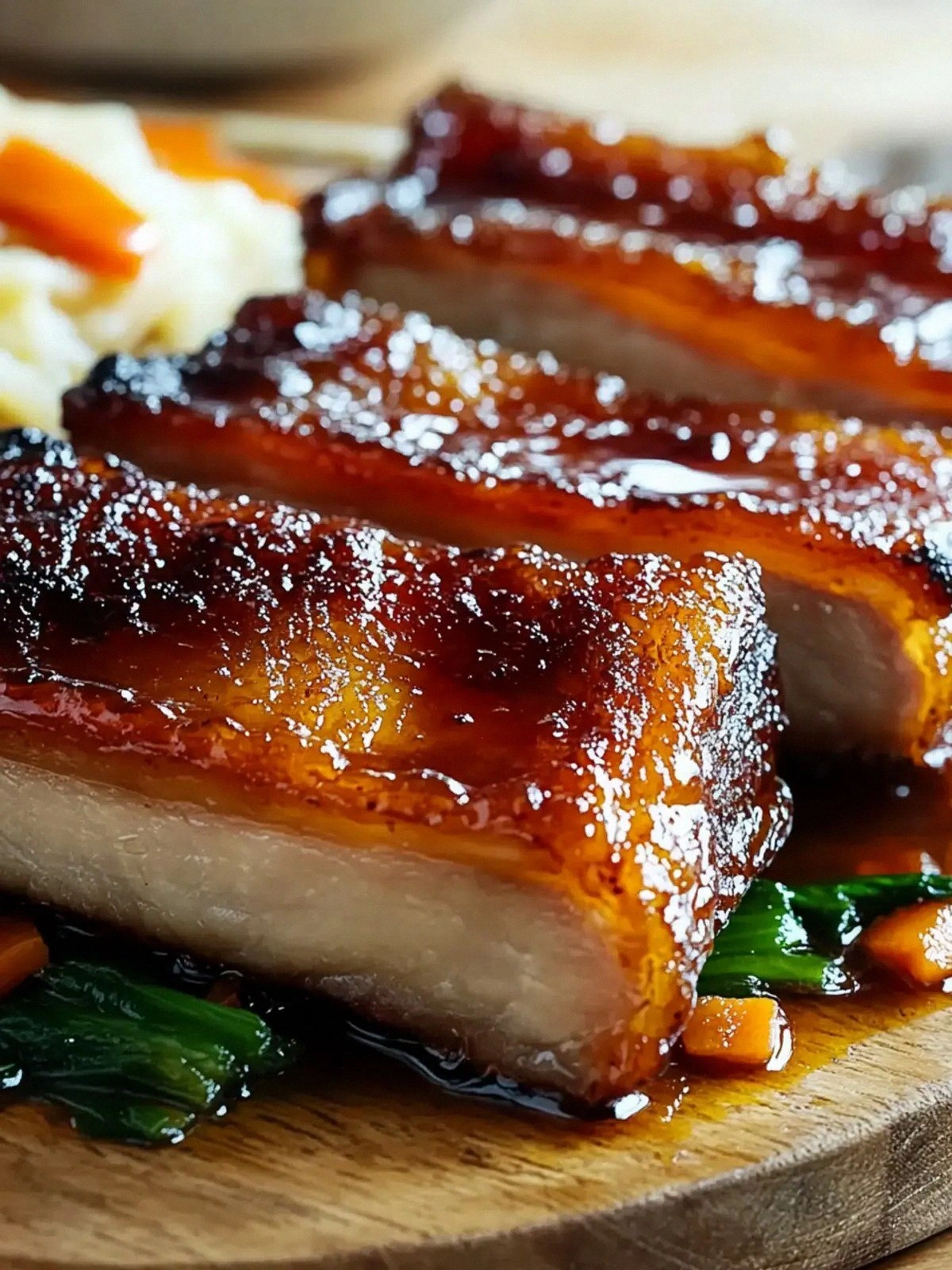
Picture this: I’m in the middle of a Sunday dinner prep, the kitchen’s a symphony of sizzling pans, aromatic herbs, and the unmistakable scent of lamb. I’ve been chasing the perfect roast for months, and every time I pull one out, it’s either too dry or too greasy. That night, a friend dared me to make a rack of lamb with apricot‑mustard glaze and promised I’d never look back. I laughed, but the challenge was on, and I knew I had to turn this into a masterpiece that would make even the most seasoned chefs nod in approval. The moment the lamb hit the hot skillet, a chorus of crackles erupted, sealing in juices that would later mingle with the sweet‑spicy glaze. If you’ve ever felt the sting of a disappointing roast, you’re not alone—trust me, I ate half the batch before anyone else got a bite.
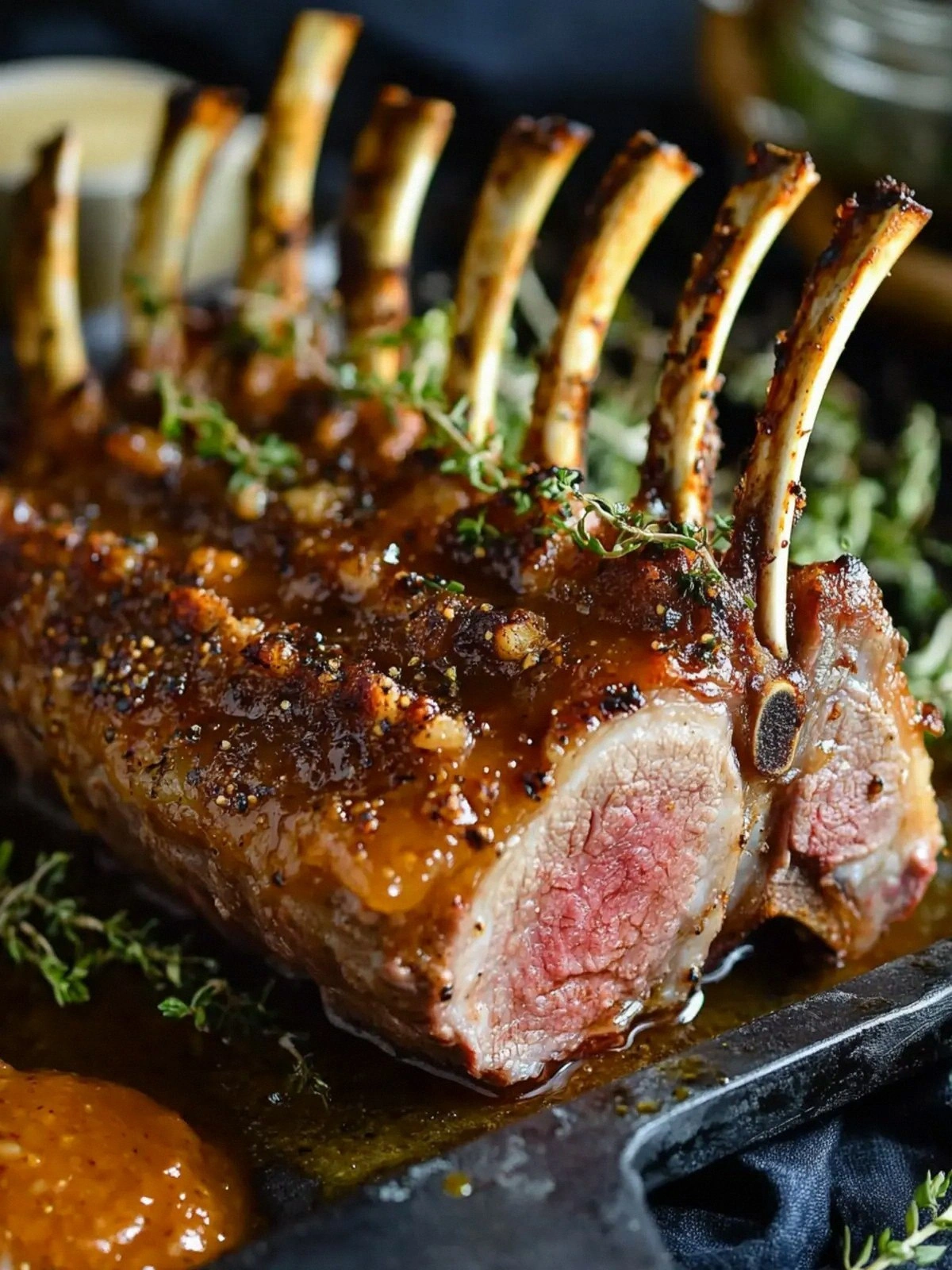
Now, let me walk you through every single step—by the end, you’ll wonder how you ever made it any other way. This isn’t just another lamb recipe; it’s a culinary revelation that balances a crispy, caramelized crust with a velvety glaze that coats the meat like silk. I dare you to taste this and not go back for seconds. The sauce, a harmonious blend of apricot preserves and stone‑ground mustard, delivers a punch of sweetness and heat that dances on your palate. The thyme and garlic add depth, while the salt and pepper keep the flavors grounded. Picture yourself pulling this out of the oven, the whole kitchen smelling incredible, and the guests’ eyes widening at the sight of that golden, aromatic rack.
What makes this version stand out is the meticulous attention to detail in each component. The glaze’s balance of sweet and spice is achieved by using only half a cup of apricot preserves, ensuring the sugar doesn’t overpower the lamb’s natural richness. The stone‑ground mustard, with its earthy bite, adds complexity that you rarely find in store‑bought glazes. The fresh thyme isn’t just a garnish; it’s an essential flavor carrier that permeates the meat as it roasts. The garlic, when minced and rubbed onto the lamb, creates a subtle, savory layer that complements the glaze. The 2 teaspoons of kosher salt are carefully measured to enhance the lamb’s natural flavors without making it salty. Finally, the 1 teaspoon of freshly ground black pepper gives the dish a gentle heat that balances the sweetness.
Most recipes get this completely wrong by using too much glaze, which can create a sticky, sugary coating that masks the lamb’s flavor. The secret here is to let the glaze caramelize just enough, so it forms a thin, glossy crust that still allows the meat’s juices to shine. I’ve spent countless hours experimenting with different ratios, and this is hands down the best version you’ll ever make at home. I’ll be honest—after the first bite, I couldn’t stop licking my fingers. The result is a dish that feels like a gourmet experience without the high price tag. It’s the kind of meal that turns a regular dinner into a celebration.
And if you’re worried about timing, I’ve got you covered. The prep takes only 15 minutes, the cook time is a quick 30 minutes, and the total time is a manageable 45 minutes. You’ll have a perfectly roasted rack of lamb that’s juicy on the inside and blistered on the outside. The glaze will thicken into a glossy sauce that glistens on the meat, creating a visual feast as much as a flavor one. I promise you, this is pure magic when it all comes together.
Okay, ready for the game‑changer? Let’s dive into the ingredients, the method, and the insider tricks that will make your roast rack of lamb the talk of the town. Stay with me here—this is worth it.
What Makes This Version Stand Out
Alright, let’s break down exactly what goes into this masterpiece. Here’s why it’s a cut above the rest:
- Flavor Depth: The apricot preserves introduce a natural sweetness that caramelizes beautifully, while the stone‑ground mustard adds a subtle, earthy bite that keeps the glaze from becoming cloying.
- Texture Contrast: The searing process creates a crisp, caramelized crust that cracks like thin ice when you slice into it, revealing a tender, juicy interior.
- Ingredient Quality: Using fresh thyme and garlic rather than dried alternatives ensures a bright, aromatic profile that permeates the meat.
- Time Efficiency: With a prep time of just 15 minutes, you can have a gourmet dish ready in under an hour, making it perfect for busy weeknights.
- Make‑Ahead Potential: The glaze can be prepared a day ahead and stored in the fridge, saving you time on the day of the dinner.
- Crowd‑Pleaser: The combination of sweet, savory, and herbaceous flavors appeals to a wide range of palates, making it ideal for family gatherings or dinner parties.
- Balanced Nutrition: Each serving delivers a healthy dose of protein with minimal carbs, keeping it light yet satisfying.
Inside the Ingredient List
The Flavor Base
At the heart of this dish are the two racks of lamb, each a lean, tender cut that benefits from a simple seasoning of kosher salt and freshly ground black pepper. The salt draws out the meat’s natural juices, creating a savory foundation, while the pepper adds a subtle heat that balances the sweetness of the glaze. Together, they form a flavor base that’s both robust and refined.
The Texture Crew
The glaze’s texture is crafted from half a cup of apricot preserves and half a cup of stone‑ground mustard. The preserves bring natural sugars that caramelize during roasting, forming a glossy, slightly sticky coating. The mustard, with its coarse grains, adds a peppery bite and prevents the glaze from becoming too syrupy. The combination ensures a smooth, velvety finish that clings to the meat without overwhelming it.
The Unexpected Star
Fresh thyme and minced garlic might seem like ordinary aromatics, but they’re the secret sauce that elevates the dish. Thyme’s floral, slightly minty notes infuse the lamb, while garlic provides a savory depth that cuts through the sweetness. If you’re vegetarian or prefer a lighter flavor, you can substitute the lamb with a thick cut of seared tofu, but the texture will differ significantly.
The Final Flourish
Finishing touches like a sprinkle of fresh parsley or a squeeze of lemon can brighten the dish, adding a bright, citrusy contrast to the rich flavors. These final touches are optional but recommended for a more complex flavor profile. If you’re adventurous, try a splash of red wine reduction for an extra layer of umami.
Everything’s prepped? Good. Let’s get into the real action.
The Method — Step by Step
- First, bring the lamb racks to room temperature by letting them sit out for 30 minutes. This ensures even cooking and prevents the meat from steaming in the pan. While the lamb rests, preheat your oven to 400°F (200°C). This temperature is ideal for creating a crisp crust without overcooking the interior. The moment the lamb hits the pan, you should hear a satisfying sizzle that signals the Maillard reaction is underway.
- Pat the racks dry and season them generously with the kosher salt and black pepper. Use a small brush or your hands to rub the seasoning into the meat, ensuring every crevice is covered. The salt draws out moisture, which then reabsorbs into the meat, creating a juicy interior. The pepper adds a subtle heat that balances the sweetness of the glaze.
- Heat a heavy‑bottom skillet—preferably cast iron—to high heat. Once the pan is shimmering, add a tablespoon of olive oil and swirl to coat the surface. Place the lamb racks bone side down and sear for 3–4 minutes, or until a deep golden brown crust forms. This searing step locks in the juices and sets the stage for the glaze’s caramelization.
- While the lamb sears, combine the apricot preserves, stone‑ground mustard, fresh thyme, and minced garlic in a small saucepan. Bring the mixture to a gentle simmer over medium heat, stirring occasionally. Watch the glaze thickening; it should coat the back of a spoon. This step is crucial: if the glaze reduces too quickly, it will burn; if it stays too thin, it won’t coat the lamb properly.
- Transfer the seared racks to a roasting tin, bone side up, and pour the glaze over them, ensuring each rack is evenly coated. The glaze will begin to caramelize immediately, forming a glossy, slightly sticky crust. Insert a meat thermometer into the thickest part of the meat to monitor the internal temperature.
- Place the roasting tin in the preheated oven and bake for 20–25 minutes, or until the internal temperature reaches 135°F (57°C) for medium‑rare. For medium, aim for 145°F (63°C). The glaze will thicken and develop a beautiful sheen, signaling that the lamb is ready to be removed from the heat.
- Remove the racks from the oven and let them rest for 10 minutes. Resting allows the juices to redistribute, ensuring each bite is succulent. While the lamb rests, reduce the remaining glaze in a small saucepan until it reaches a syrupy consistency, then drizzle it over the rested racks.
- Slice between the bones to create individual chops, then plate them with a drizzle of the finished glaze. Serve immediately, accompanied by roasted root vegetables or a fresh arugula salad for contrast. The final dish should have a golden crust, a fragrant herb aroma, and a glaze that balances sweet, spicy, and savory notes.
- That’s it—you did it. But hold on, I’ve got a few more tricks that will take this to another level. From the perfect sear to the glaze’s final sheen, every detail matters.
Insider Tricks for Flawless Results
The Temperature Rule Nobody Follows
Many cooks rely on time alone, but temperature is king. A digital thermometer ensures the lamb hits the exact internal temperature you desire, preventing it from drying out. I once left a rack in the oven for 30 minutes, only to find it overcooked and tough. Stick to the thermometer, and you’ll always get the same tender, juicy result.
Why Your Nose Knows Best
Trust your nose: a well‑cooked lamb emits a warm, savory aroma that signals readiness. If the smell is sharp or metallic, the lamb may still be undercooked. The glaze should be fragrant and slightly caramelized, not burnt or raw.
The 5‑Minute Rest That Changes Everything
Resting isn’t just a suggestion; it’s a necessity. When you let the meat rest, the juices redistribute, preventing them from spilling out onto the cutting board. I’ve seen people skip this step, and the result is a dry, unevenly seasoned rack.
Don’t Let the Glaze Burn
During the final minutes of roasting, keep an eye on the glaze. If it starts to brown too quickly, lower the oven temperature slightly or remove the rack from the oven for a minute. Burning the glaze will turn it bitter and ruin the delicate balance.
Keep the Skillet Clean
After searing, clean the pan before adding the glaze. Residual meat juices can burn and create a bitter taste. A quick wipe with a paper towel and a splash of water will keep the glaze smooth.
Creative Twists and Variations
This recipe is a playground. Here are some of my favorite ways to switch things up:
Spicy Sriracha Glaze
Swap the apricot preserves for a mixture of apricot preserves and sriracha to add a fiery kick. The heat pairs beautifully with the lamb’s natural richness, making it perfect for adventurous palates.
Herb‑Infused Honey Glaze
Use honey instead of preserves for a sweeter, floral glaze, and add a handful of fresh rosemary. The honey’s caramelization creates a glossy finish, while rosemary adds a piney aroma.
Moroccan Spiced Rack
Replace thyme with a blend of cumin, coriander, and smoked paprika. Add a splash of orange juice to the glaze for a citrusy tang that complements the lamb’s savory depth.
Smoky BBQ Twist
Finish the lamb under a grill or with a splash of liquid smoke. The smoky undertone transforms the dish into a hearty, bar‑style entrée.
Vegetarian Version
Use thick slices of seared tofu or portobello mushrooms in place of lamb. The glaze still works, providing a sweet‑spicy coating that’s surprisingly satisfying.
Breakfast‑Style Rack
Serve the lamb rack with a side of roasted sweet potatoes and a poached egg. The richness of the lamb pairs wonderfully with the creamy yolk and sweet potatoes.
Storing and Bringing It Back to Life
Fridge Storage
Wrap the cooled rack tightly in aluminum foil and store in the refrigerator for up to 3 days. The glaze will thicken slightly, but the meat will remain juicy.
Freezer Friendly
For longer storage, wrap the rack in foil, then place it in a freezer bag, removing as much air as possible. Label with the date, and freeze for up to 3 months. Thaw overnight in the fridge before reheating.
Best Reheating Method
Reheat the lamb in a preheated oven at 300°F (150°C) for 10–12 minutes, then finish with a quick broil to revive the crust. Add a splash of water before reheating to keep the meat moist.