Picture this: a rainy Tuesday, the fridge already feels like a pantry full of leftovers, and your stomach is doing a drum solo that no amount of TV can silence. You reach for a packet of chicken, a splash of soy sauce, and a jar of honey—an impromptu idea sparks. Suddenly, the kitchen transforms from a cluttered chaos to a culinary laboratory where flavor experiments are not just possible, but inevitable. The aroma of garlic sizzling in hot oil is already teasing your senses, and the anticipation of that glossy, caramelized glaze is almost as intoxicating as the steam that curls from the pot.
I was halfway through a dinner that had gone awry—overcooked chicken, underseasoned rice, and a broccoli that had lost all its bite. My friends were laughing, the table was a mess, and I was left with a taste of disappointment that lingered like an uninvited guest. That night, I decided to turn the disaster into a triumph. I grabbed a handful of ingredients, flipped the script, and cooked the most sticky, savory chicken bowls that would later become the talk of the town. If you’ve ever stared at a pot of plain rice and wondered why it’s never as exciting as it could be, this is the recipe that will change your perspective.
Why does this version stand out from every other sticky chicken bowl you’ve tried? Because I didn’t just follow a recipe—I rewrote the rulebook. I layered textures, balanced sweetness with umami, and added a secret twist that makes the sauce cling to every grain of rice like a second skin. The result is a bowl that’s as comforting as a hug and as daring as a midnight snack. I dare you to taste this and not go back for seconds.
Let me walk you through every single step—by the end, you’ll wonder how you ever made it any other way. The journey is full of sensory moments: the crackle of oil, the scent of garlic, the glossy sheen of honey, the pop of rice, and the final sprinkle of sesame that turns the bowl into a masterpiece. Ready? Let’s dive in.
What Makes This Version Stand Out
- Flavor: The sauce is a harmonious blend of sweet, salty, and tangy that coats the chicken and rice like velvet, leaving a lingering taste that keeps you coming back.
- Texture: The chicken is seared to a crisp exterior while staying juicy inside, and the rice is fluffy yet sticky enough to hold the glaze.
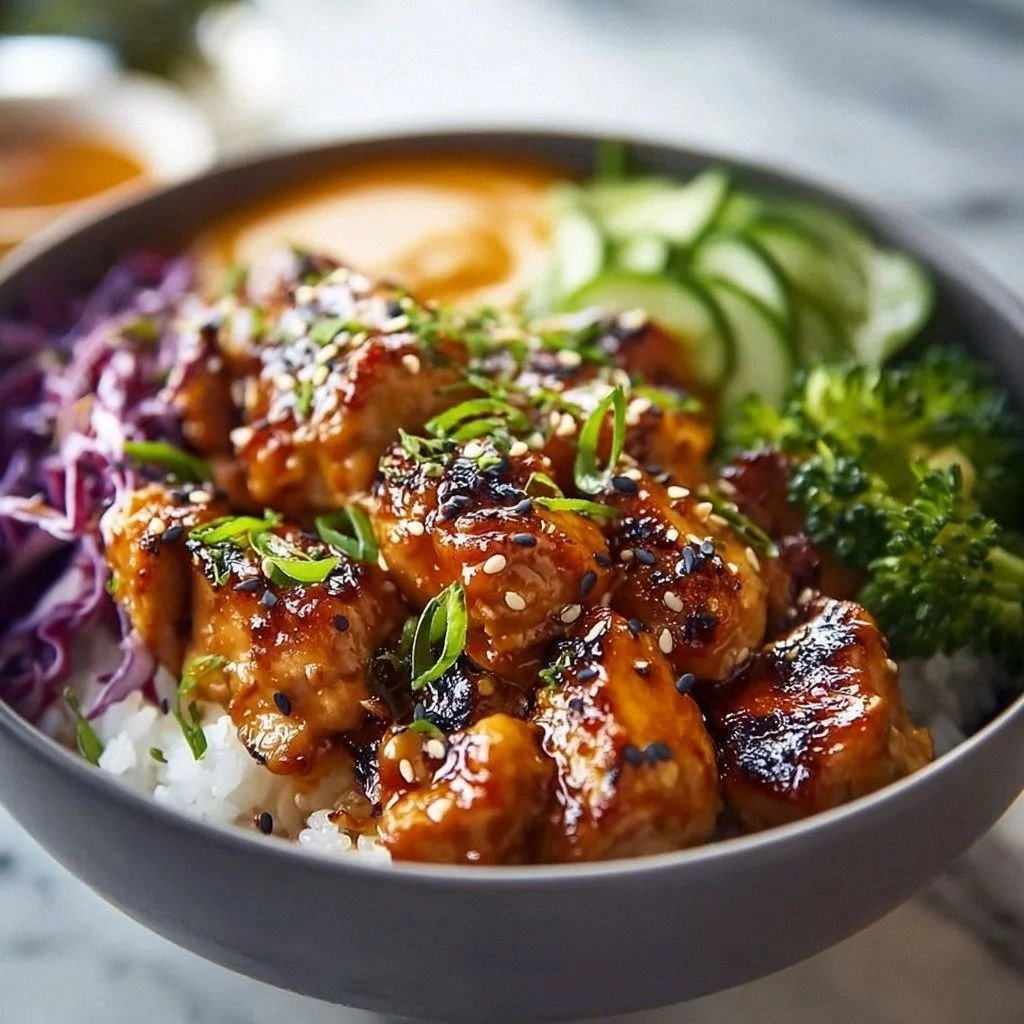
- Visual Appeal: The glossy glaze, bright green onions, and toasted sesame seeds create a bowl that looks as good as it tastes.
- Ease: All steps are straightforward, requiring no advanced techniques—perfect for a busy weeknight.
- Ingredient Quality: Using fresh garlic, high-quality soy sauce, and real honey elevates the dish from ordinary to extraordinary.
- Make‑Ahead Friendly: The sauce can be prepped in advance, and the chicken can be cooked ahead and reheated without losing its sticky charm.
- Versatility: Swap chicken for tofu, swap rice for quinoa, and the dish still shines.
- Crowd‑Pleaser: Even the pickiest eaters are won over by the sweet‑savory glaze and the comforting rice.
Alright, let's break down exactly what goes into this masterpiece…
Inside the Ingredient List
The Flavor Base
The backbone of this bowl is the sauce—soy sauce, honey, and rice vinegar. Each component plays a distinct role: soy sauce provides the umami backbone, honey delivers caramelized sweetness that creates the signature stickiness, and rice vinegar adds a bright acidity that cuts through the richness. If you skip the vinegar, the sauce becomes cloyingly sweet; if you skip the honey, the glaze loses its glossy sheen. For an extra depth of flavor, a splash of mirin or a pinch of toasted sesame oil can be added during the final stir.
The Texture Crew
Chicken thighs are the star of the show. Their higher fat content keeps the meat tender and juicy, even after the high heat of searing. If you prefer leaner meat, breasts can work but watch for drying. The broccoli florets are steamed to retain their bright green color and a slight crunch that contrasts the soft rice. Green onions provide a fresh, sharp finish, while toasted sesame seeds add a subtle nutty crunch that elevates the overall mouthfeel.
The Unexpected Star
The brown sugar is optional but recommended for an extra layer of caramelized sweetness. It reacts with the honey during cooking to form a thicker, more complex glaze. If you’re watching sodium, choose a low‑sodium soy sauce and adjust the sugar accordingly. Chili flakes are another optional surprise—add them if you crave heat, or leave them out for a milder profile. The choice of rice matters too: jasmine offers a fragrant, slightly sweet aroma, while basmati gives a nutty undertone.
The Final Flourish
Sesame seeds and green onions aren’t just garnish; they’re the finishing touches that bring color and texture. Toasting the sesame seeds before adding them releases their oils, giving a richer flavor. The green onions add a crisp, fresh bite that balances the sweetness of the glaze. Together, they create a bowl that is visually appealing and full of contrasting textures.
Everything's prepped? Good. Let's get into the real action…
The Method — Step by Step
- First, heat the avocado or vegetable oil in a large skillet over medium‑high heat until shimmering. Add the chicken pieces in a single layer, leaving space so they sear properly. The first 2‑3 minutes will produce a golden crust; flip them only once to keep the edges crisp. Don’t crowd the pan—crowding will steam the chicken and prevent that coveted sear.
- When the chicken is golden on one side, add the minced garlic. Let it cook for about 30 seconds until fragrant—watch out for burning; garlic burns fast and turns bitter. Stir quickly to combine flavors; the aroma of garlic sizzling is absolute perfection.
- Pour in the soy sauce, honey, brown sugar (if using), rice vinegar, and chili flakes. Stir until the mixture starts to bubble and thicken slightly. The sauce should coat the chicken evenly; if it looks too thin, let it simmer for another minute.
- Reduce the heat to medium and let the chicken cook in the glaze for 5‑7 minutes, turning occasionally. The sauce will reduce and thicken, turning a glossy caramel that clings to each piece. The edges will start pulling away, signaling that the chicken is ready.
- While the chicken finishes, steam the broccoli florets in a steamer basket over boiling water for 3‑4 minutes, or until bright green and tender but still crisp. If you don’t have a steamer, a microwave-safe bowl with a damp paper towel works as a quick alternative.
- Once the chicken is fully coated and cooked through, remove it from the skillet and set aside. Keep the sauce in the pan; it’s still thickening. Add the cooked rice to the sauce and stir to coat each grain. The rice should absorb the glaze, becoming sticky and glossy.
- Return the chicken to the skillet, toss with the rice, and stir for an additional 2 minutes so everything warms through and the flavors meld. The final dish should have a glossy, caramelized sheen that glistens like a jewel.
- Plate the rice and chicken into bowls, top with steamed broccoli, sprinkle green onions and toasted sesame seeds. Serve immediately while everything is hot and the glaze is still tacky. The contrast of hot, sticky rice against crisp broccoli creates a satisfying bite.
That's it — you did it. But hold on, I've got a few more tricks that'll take this to another level. The sauce is the star, and mastering its thickness and flavor will elevate your bowls from good to unforgettable.
Insider Tricks for Flawless Results
The Temperature Rule Nobody Follows
Many chefs overcook the chicken by cooking it on too high heat. Keep the skillet at medium‑high to achieve a crisp crust while retaining juiciness. If you notice the sauce burning, lower the heat immediately. A quick check: the sauce should bubble gently, not scorch.
Why Your Nose Knows Best
Trust your nose. When the sauce begins to thicken, it will emit a caramelized aroma. That scent is your cue to reduce the heat and let the glaze settle. If it smells like burnt sugar, the pan is too hot.
The 5‑Minute Rest That Changes Everything
After cooking, let the chicken rest for five minutes. This allows the juices to redistribute, keeping the meat moist. A quick rest also lets the glaze thicken slightly, enhancing stickiness.
The One‑Second Oil Trick
When adding the garlic, let the oil heat for a second before tossing the minced cloves. This brief pre‑heat ensures the garlic releases its oils without burning, preserving its sweet undertones.
The Rice‑to‑Sauce Ratio
Use a 1:1 ratio of cooked rice to sauce volume. Too much sauce will make the bowl soggy; too little will leave the rice dry. Adjust by adding a splash of water if the sauce is too thick.
The Final Garnish Timing
Add sesame seeds and green onions after the bowl is plated. If you add them too early, they’ll wilt and lose crunch. A quick sprinkle just before serving preserves their texture.
Creative Twists and Variations
This recipe is a playground. Here are some of my favorite ways to switch things up:
Teriyaki Twist
Swap soy sauce for teriyaki sauce and reduce honey by half. The result is a sweeter, more caramelized glaze that pairs beautifully with a splash of sesame oil.
Spicy Sriracha Kick
Add a tablespoon of sriracha to the sauce and increase chili flakes. The heat becomes layered, providing a punch that complements the sticky sweetness.
Mediterranean Flair
Use olive oil instead of avocado, and replace soy sauce with a splash of lemon juice and a pinch of oregano. The bowl takes on a bright, herbaceous profile.
Vegetarian Version
Swap chicken for tofu cubes, pan‑fry until crispy, then follow the same sauce steps. The tofu absorbs the glaze, creating a hearty vegetarian bowl.
Quinoa Upgrade
Replace jasmine rice with quinoa for a nuttier flavor and extra protein. The quinoa’s slightly chewy texture works well with the sticky sauce.
Fall Harvest Edition
Add diced sweet potato and a pinch of cinnamon to the sauce. The sweet potato adds a caramelized sweetness that pairs with the glaze, making it perfect for cooler evenings.
Storing and Bringing It Back to Life
Fridge Storage
Store leftovers in an airtight container for up to 3 days. Keep the rice separate from the sauce if you want to avoid sogginess. When ready, reheat in the microwave with a splash of water to restore moisture.
Freezer Friendly
Freeze the cooked chicken and sauce in separate containers for up to 2 months. Reheat on the stove, stirring until hot and the glaze thickens again. The rice is best stored separately to keep it fluffy.
Best Reheating Method
The key to reviving the stickiness is to reheat gently over medium heat, stirring frequently. Adding a tablespoon of water or broth helps the sauce loosen and coat the rice again. Finish with a quick sprinkle of sesame seeds for a fresh crunch.