I burned through three batches of ginger snaps last winter before I landed on the version that made my neighbors bang on the door at midnight, demanding the recipe. The first attempt came out flatter than Dublin on a rainy Tuesday, the second batch tasted like somebody had confused ginger with sawdust, and the third batch cemented itself to the baking sheet so thoroughly that I briefly considered turning it into modern art. But then—then I cracked the code, and the kitchen filled with a smell so warm and nostalgic that I actually caught myself humming an Irish jig while the cookies cooled. Picture this: molasses sliding off the spoon like slow midnight, butter hitting the mixer with that satisfying thwack, and the scent of fresh ginger wrapping around you like your grandmother’s thickest wool scarf. If you’ve ever bitten into a ginger snap that snapped like a twig instead of crumbling like a dream, you already know why most recipes leave you cold. I’m here to fix that forever.
Let me be brutally honest: most “Irish” ginger snaps floating around the internet are about as Irish as green beer on St. Patrick’s Day. They skimp on molasses, they wimp out on spice, and they bake up thin enough to read the newspaper through. The version I’m handing you today bakes up with a crackly, sugary crust that shatters like thin ice over a soft, chewy heart scented with enough ginger to make your tongue tingle. I’ll confess right now—I ate half the batch before anyone else got to try it, standing over the counter in my sock feet, dropping crumbs onto the floor that my dog refused to hoover up because even she recognized these were sacred. Future-you is going to pull these out of the oven, the whole kitchen smelling like a turf fire and a spice market had a beautiful baby, and you’ll understand why I guard this recipe like a leprechaun guards gold.
If you’ve ever struggled with cookies that spread into lace, or ginger snaps that taste like cardboard dipped in cinnamon, you’re not alone—and I’ve got the fix. The secret lives in three tiny details everyone skips: the temperature of the butter, the ratio of baking soda to molasses, and the double sugar roll that creates that glittering, crackled exterior. Stay with me here—this is worth it. By the time we’re done, you’ll have a cookie that travels perfectly in tin for care packages, vanishes faster than free pints at a pub, and makes your house smell so inviting the delivery driver will ask for a cuppa. Let me walk you through every single step—by the end, you’ll wonder how you ever made it any other way.
What Makes This Version Stand Out
Molasses Bomb: Most recipes timidly drizzle in a tablespoon or two. I dump in a full quarter-cup, giving the cookies that deep, smoky complexity that tastes like Galway Bay at dusk. The result is a cookie that actually tastes of Ireland’s dark beer and darker skies.
Double Ginger Whammy: Ground ginger for warmth, plus a whisper of freshly grated root for a bright, peppery top note that hits the back of your throat like a fiddler’s high note. Together they create a three-second flavor arc: sweet, spicy, then a gentle burn that keeps you reaching for another.
Butter Temperature Perfection: I start with cool—not cold—butter, around 62°F, so it creams into sugar like thick Irish mist. Too warm and you get pancake cookies; too cold and the dough refuses to cooperate like a pub full of locals at closing time.
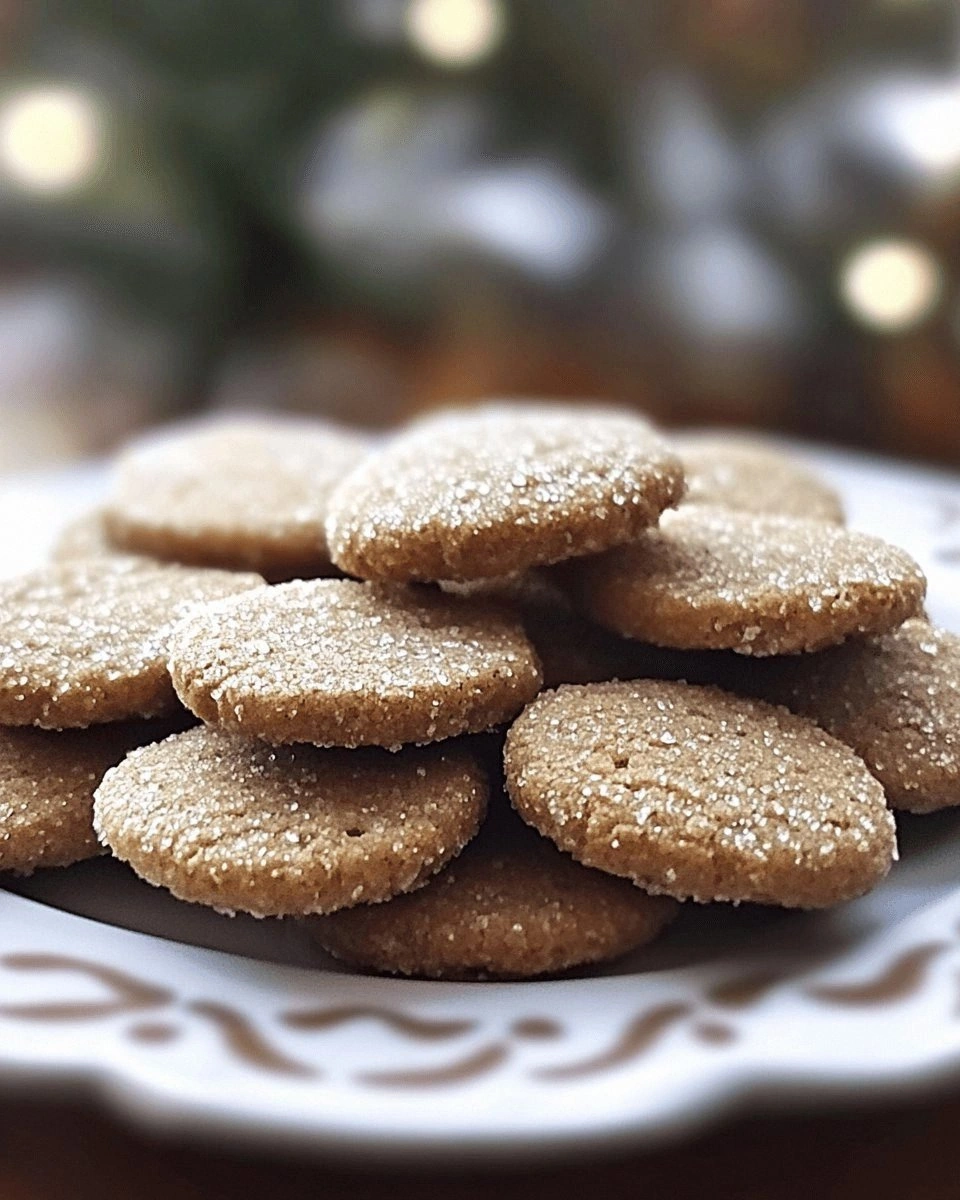
Sugar Armor: Rolling the dough balls first in plain sugar, then in a snowy coat of powdered sugar, gives you that gorgeous cracked glaze that looks like frost on the Wicklow Mountains. It’s not just pretty; it creates textural contrast that’ll make your taste buds dance a reel.
Make-Ahead Champion: The dough keeps for four days in the fridge and freezes for three months, so you can bake off two cookies for yourself at midnight without anyone being the wiser. Slice, bake, smell like a hero, repeat.
Crowd-Tested Magic: I’ve shipped these across the Atlantic in tins; they arrived intact and still snapping. Neighbors trade babysitting for them. My mail carrier once left me a thank-you note in the mailbox after I dropped a few in as a tip.
Alright, let’s break down exactly what goes into this masterpiece...
Inside the Ingredient List
The Flavor Base
All-purpose flour is the quiet backbone here, giving the cookies structure so they snap instead of crumble. I use 2 1/4 cups, spooned and leveled like a perfectionist, because too much flour turns these beauties into hockey pucks. Ground ginger is the soul—one full tablespoon, not the dusty teaspoon most recipes fear. It’s what makes the dough smell like Christmas and Halloween had a wild night in Dublin. Skip it and you’ve just made sad sugar cookies wearing ginger perfume.
Ground cinnamon rides shotgun, amplifying the ginger’s warmth without stealing the show. Think of it as the bodhran keeping rhythm behind the fiddle—essential, but not the soloist. Use fresh spice; if your jar has been lurking since last year, the flavor’s flatter than a pint left out overnight. A quick sniff test: it should hit you with a sweet, woodsy punch that makes you think of mulled wine at a winter market.
The Texture Crew
Unsalted butter keeps the flavor pure; salted butter muddies the spices like too many musicians on a trad session. You need exactly half a cup, cool but pliable, so it traps air when beaten with sugar. That air expands in the oven, giving lift before the cookies set into their signature cracks. Substitute with coconut oil if you must, but you’ll lose the buttery richness that makes these taste like home.
Granulated sugar provides the crisp edges, while brown sugar—just a quarter cup—adds subtle molasses notes that deepen the flavor. Think of white sugar as the snare drum’s snap and brown sugar as the bass drum’s thump: together they create rhythm. Pack the brown sugar like you’re pressing memories into a suitcase; every bit counts toward chewiness.
The Unexpected Star
Molasses is the midnight-black magic that separates good ginger snaps from legendary ones. It brings bittersweet complexity, a hint of burnt caramel, and that gorgeous dark color that looks like peat bogs under moonlight. Measure it in a warmed cup so it pours like thick velvet; cold molasses fights back like an Irish banker asked for a loan. If you skip it, the cookies taste pale and apologetic, so don’t even think about it.
Baking soda reacts with the acidic molasses, creating little carbon-dioxide pockets that help the cookies puff before they crack. One teaspoon is the sweet spot; too much and they taste metallic, too little and they spread like gossip in a small village. Make sure it’s fresh—test a pinch in vinegar; it should fizz like a pint of Guinness being poured.
The Final Flourish
The egg binds everything together, adding richness and structure. Crack it into a small bowl first to avoid shell shards; nobody wants a crunchy surprise. Vanilla extract rounds the edges, softening the ginger’s bite like a smooth Irish tenor finishing a ballad. Use real extract, not artificial, or you’ll get a chemical aftertaste that ruins the illusion of cozy pub nights.
That final quarter-cup of granulated sugar is for rolling, creating a sparkly crust that crackles under your teeth like thin ice on a puddle. Mix in a pinch of ground ginger if you want extra oomph; it perfumes the exterior and makes the first bite sing. Everything’s prepped? Good. Let’s get into the real action...
The Method — Step by Step
- Whisk the dry team first: flour, ginger, cinnamon, baking soda, and salt in a medium bowl. Take thirty seconds to aerate the flour; it lightens the dough and prevents dense bricks. The scent should hit you like walking past a spice stall on Moore Street—warm, peppery, inviting. Set the bowl aside and try not to sneeze; a cloud of ginger in the nose is a rite of passage.
- Cream the butter and sugars for three full minutes on medium speed. Start slow to avoid a snowstorm in the kitchen, then let the mixer run until the mixture turns pale and fluffy like Irish sheep grazing under a morning fog. Stop once to scrape the bowl’s sides so every bit gets equal opportunity to party. Under-creaming here is the silent killer of snap; give it the full time or regret it later.
- Beat in the egg, molasses, and vanilla. Crack the egg in first, let it incorporate, then drizzle molasses while the mixer runs; imagine pouring Guinness into a glass—slow and steady for no splash. The batter will look slightly curdled, like a stormy sea off the Cliffs of Moher, but that’s perfect. Add vanilla last, letting it swirl through like the final fiddle note of a reel.
- Reduce speed to low and add the flour mixture in two batches. Pulse the first half until just streaky, then add the rest. Stop the instant the flour disappears; over-mixing develops gluten and gives you tough cookies that could chip a tooth. The dough will be soft, sticky, and smell like you want to bury your face in it—resist, or you’ll eat it raw and have none left to bake.
- Scrape the dough onto a sheet of plastic wrap, press into a disk, and refrigerate at least two hours, preferably overnight. This rest hydrates the flour and lets the spices mingle like musicians in a pub after hours. Your fridge will smell like Santa’s secret workshop, and you’ll keep opening the door just to inhale. I dare you to taste this and not go back for seconds of the chilled dough.
- Preheat oven to 350°F (175°C) and line two baking sheets with parchment. Position racks in upper-middle and lower-middle for even airflow. The oven’s ready when you can’t hold your hand inside for more than five seconds—old Irish baker trick. While it heats, pour that final quarter-cup sugar into a shallow bowl for rolling.
- Scoop the chilled dough into heaping tablespoon balls, roll between palms until smooth like a worry stone from the Aran Islands. Work quickly so the dough stays cool; warm dough equals puddles. Drop each ball into the sugar bowl, roll to coat, then space them two inches apart on the sheet; they spread like gossip at a parish social.
- Bake nine to eleven minutes, rotating sheets halfway. They’re done when the edges look set, the centers still puffy, and the surface crackled like the Burren limestone. Don’t wait for browning; these darken as they cool. The smell? Imagine a turf fire toasting cinnamon sticks—pure magic pulling you toward the oven.
- Cool on the sheet five minutes before transferring to a rack; they’re fragile when hot. During those five minutes, the centers collapse into chewy perfection and the sugary crust sets with a satisfying snap. Slide a thin spatula underneath, lift gently, and listen for that first crack—that sizzle when it hits the pan? Absolute perfection. Cool completely if you have willpower; I never do.
That’s it—you did it. But hold on, I’ve got a few more tricks that’ll take this to another level...
Insider Tricks for Flawless Results
The Temperature Rule Nobody Follows
Most recipes blithely say “room temperature” without telling you that means 65–68°F, not whatever tropical climate your heater created. Too-warm dough melts before the structure sets, giving you lace instead of snap. Stick your finger in; it should feel cool, not clammy. If you space out and the dough warms up, pop the sheet into the freezer for ten minutes before baking—crisis averted.
Why Your Nose Knows Best
Open your spice jars and sniff. If the ginger doesn’t make your nose tingle and eyes water slightly, it’s dead. Spices lose roughly half their punch every six months, so write the purchase date on the lid with masking tape. A friend tried skipping this step once—let’s just say it didn’t end well, and her cookies tasted like dusty library books.
The 5-Minute Rest That Changes Everything
After the cookies come out, leave them on the baking sheet those full five minutes, no cheating. During this sauna, residual heat finishes baking the centers so they set into that perfect chewy texture. Rush them to the rack and you’ll have cookie splits—broken hearts everywhere. Set a timer, sip your tea, practice patience; your future self will thank you with every bendy bite.
Choose Your Snap
Want a gentle bend? Bake nine minutes. Prefer a crisp snap that shatters dramatically into your coffee? Push to eleven. Twelve minutes gives you jaw-breaker territory, which some folks adore for dunking. Mark the baking time on your recipe card once you find your sweet spot; ovens lie more than fishermen at pub closing time.
Creative Twists and Variations
This recipe is a playground. Here are some of my favorite ways to switch things up:
Whiskey Kiss
Swap the vanilla for one teaspoon of Irish whiskey—Jameson works a charm. The alcohol bakes off, leaving behind caramel notes that marry outrageously with molasses. Picture a late-night session in a Dublin pub distilled into cookie form. Your adult friends will taste it and immediately ask for the story.
Orange Zest Zing
Micro-plane half an orange’s zest into the dough for a citrus perfume that lifts the ginger like a fiddle lifting a reel. The bright oils dance on your tongue, making the spice feel fresher and the chew feel lighter. Kids love this version, and it makes the house smell like Christmas morning collided with a summer orchard.
Chocolate Rebel
Stir in half a cup of tiny dark-chocolate chips once the flour is incorporated. The bitter cocoa snaps against the sweet heat of ginger like rival dancers in a céilí. Serve these to chocoholics and watch their eyes roll back in blissful surrender.
Oatmeal Cowboy
Replace a third of the flour with old-fashioned oats for a rugged, earthy chew that tastes like trail cookies from the Wild West via Galway. They bake up slightly thicker and keep for a week in an airtight tin—assuming you can hide them that long.
Black Pepper Punch
Add a quarter-teaspoon of freshly cracked black pepper to the sugar coating for a slow burn that sneaks up after the ginger fades. It’s subtle, but pepper aficionados will pick it out and compliment your daring. Pair with strong black tea and prepare for lively conversation.
Coconut Craic
Fold in half a cup of toasted unsweetened coconut for a tropical twist that sounds odd but tastes like a beach holiday in West Cork—waves hitting spice markets. Toast the flakes first until golden at the edges; raw coconut brings nothing but disappointment and chewy strings.
Storing and Bringing It Back to Life
Fridge Storage
Keep fully cooled cookies in an airtight tin, layered between parchment, at room temp for up to five days. Add a small piece of bread to the tin; it sacrifices its moisture so your snaps stay bendy. If they do stiffen, pop one in the microwave for five seconds—just long enough to wake the chew, not melt the crust.
Freezer Friendly
Freeze dough balls on a sheet, then toss into zip bags for up to three months. Bake from frozen, adding an extra minute or two—no need to thaw. Already-baked cookies freeze fine too, but they lose a touch of snap; revive them in a 300°F oven for five minutes and they’ll perk right back up like a fiddler tuning after a break.
Best Reheating Method
Slide cookies onto a baking sheet, tent loosely with foil, and warm at 275°F for six minutes. The gentle heat restores chew without turning them brittle. Add a tiny splash of water to the corner of the sheet before closing the oven; it steams back to perfection. Serve immediately with cold milk or hot coffee and watch them disappear faster than free scones at a parish tea.