Love this? Pin it for later! 📌
I still remember the first January I spent in Michigan after moving from Southern California. The snow was piled high, the sky was a perpetual shade of slate, and my body was screaming for something—anything—that reminded me of sunshine. My neighbor, a retired nurse with a greenhouse obsession, knocked on my door with a mason jar of this exact salad. "Trust me," she said, pressing the cold glass into my mitten-clad hands. One bite of those lemon-massaged kale ribbons mingling with caramelized root vegetables and I swear I could feel vitamin D flooding back into my soul. That was eight years ago, and I've made this salad every single January since. It's become my edible rebellion against winter blues, my reset button after holiday indulgence, and the dish my friends text me about: "Is it time for the January salad yet?"
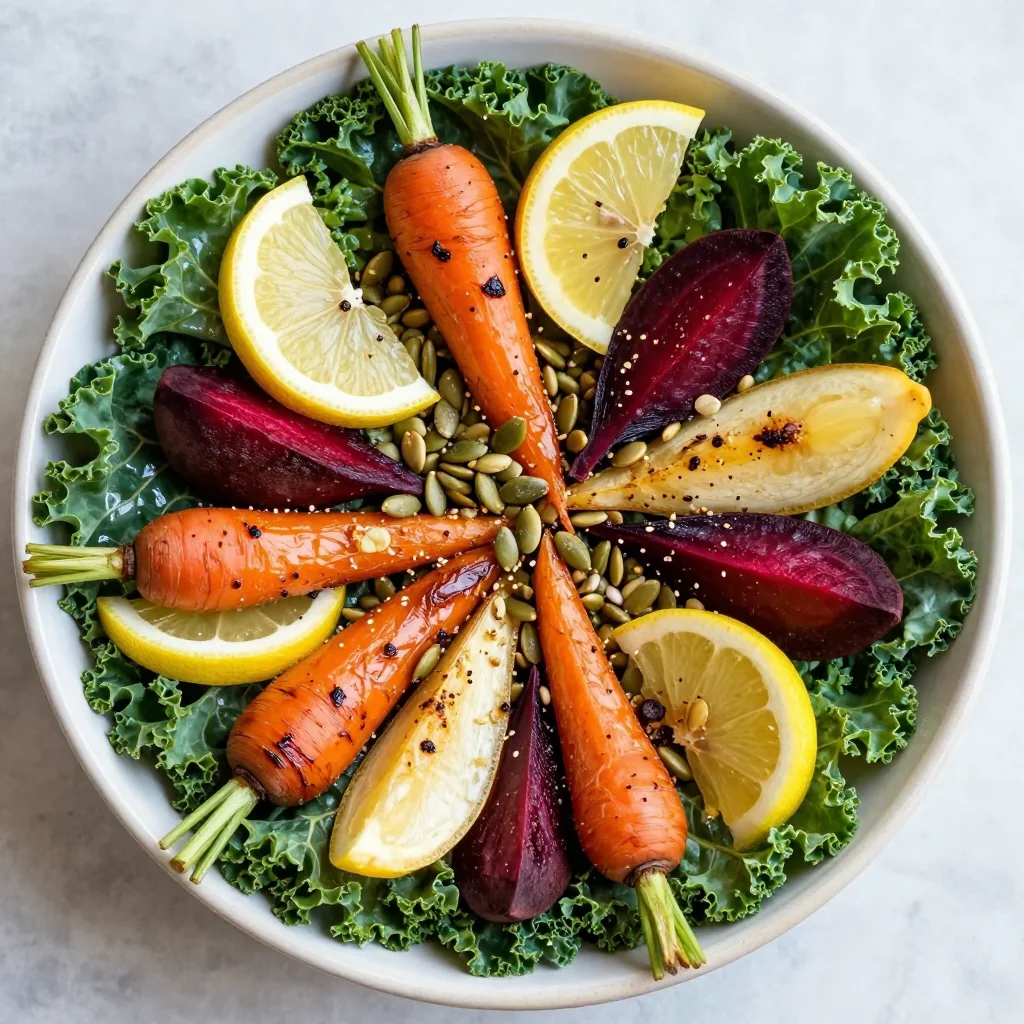
What makes this salad magical is how it transforms humble winter produce into something that tastes like pure vitality. The earthy sweetness of roasted beets and carrots plays against the bright, zippy lemon dressing that practically massages the kale leaves into silky submission. Add a handful of toasted pumpkin seeds for crunch and a snowfall of pecorino cheese, and suddenly you've got a bowl that feels like edible optimism. I serve it after New Year's when everyone—myself included—is craving something nourishing but still deeply satisfying. It's substantial enough to be a standalone lunch, elegant enough for a dinner party, and sturdy enough to pack for tomorrow's lunch without turning into a sad, wilted mess.
Why This Recipe Works
- Massaged kale: Rubbing the leaves with lemon juice and salt breaks down tough fibers, turning raw kale into tender, flavorful greens
- Seasonal produce: Uses peak January vegetables—beets, carrots, and kale—when they're sweetest and most affordable
- Make-ahead friendly: Components can be prepped up to 4 days ahead, making weeknight meals effortless
- Balanced nutrition: Delivers 120% daily vitamin A, 200% vitamin C, plus iron, calcium, and heart-healthy fats
- Texture contrast: Creamy goat cheese, crunchy seeds, and tender roasted vegetables create crave-worthy bites
- Immune boosting: Lemon, garlic, and kale team up for a powerful dose of antioxidants during cold-and-flu season
Ingredients You'll Need
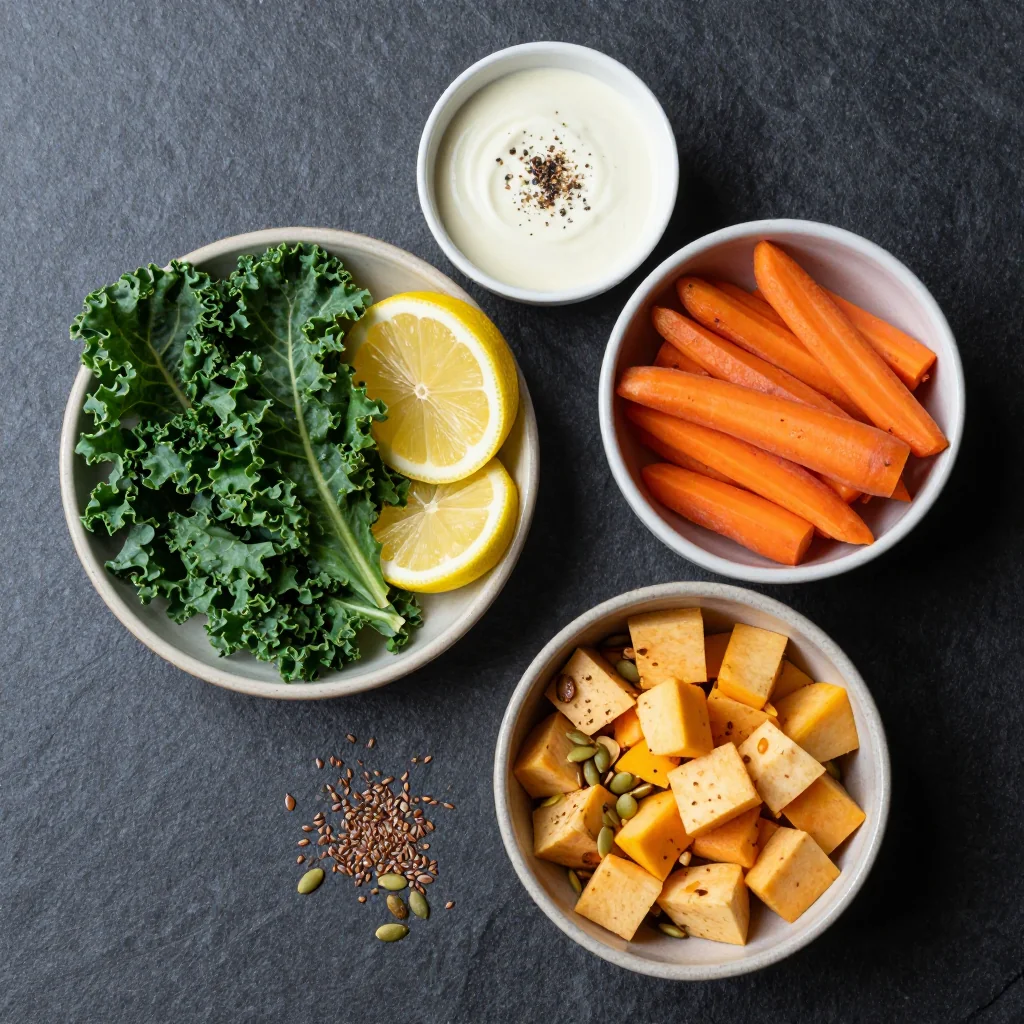
Let's talk kale. For this salad, I reach for Lacinato (also called dinosaur or Tuscan kale) when I can find it. Its long, bumpy leaves are naturally sweeter and more tender than curly kale, requiring less massaging time. If your grocery only carries curly kale, that's perfectly fine—just budget an extra minute or two of gentle rubbing. Look for bunches with perky, dark green leaves and firm stems. Avoid any with yellowing or slimy spots. Store kale in a produce bag with a paper towel to absorb excess moisture, and it'll keep for up to a week in the crisper drawer.
The root vegetables are where January's magic really shines. Beets become candy-sweet when roasted, especially the golden and chioggia varieties that won't stain your cutting board. Choose beets that feel heavy for their size with smooth, firm skin. For carrots, I mix traditional orange with purple and yellow varieties for visual appeal—the purple ones especially develop an almost wine-like depth. Skip the bagged baby carrots here; whole carrots roasted at high heat caramelize in a way pre-cut ones simply can't match.
Your lemon dressing deserves the brightest citrus you can find. In January, I look for Meyer lemons—those thin-skinned, sweet-tart beauties that taste like sunshine distilled into fruit. If Meyers aren't available, regular Eureka lemons work beautifully; just taste and adjust the honey accordingly. The zest is non-negotiable—it packs concentrated lemon oils that make the dressing taste professionally crafted. For the best yield, zest lemons before juicing, and use a microplane to capture just the yellow outer layer, avoiding the bitter white pith.
Pumpkin seeds (pepitas) add the crucial crunch factor. Buy them raw so you can toast them yourself—this takes 4 minutes and transforms their flavor from mild to nutty and complex. Store any extras in an airtight jar; you'll find yourself sprinkling them on everything from oatmeal to soup. As for the cheese, I'm team goat cheese here for its tang and creamy texture, but crumbled feta or shaved pecorino Romano work beautifully if goat cheese isn't your thing.
How to Make Healthy Lemon and Kale Salad with Roasted Root Vegetables for January
Prep the vegetables for roasting
Preheat your oven to 425°F (220°C). Line two rimmed baking sheets with parchment paper for easy cleanup. Scrub 3 medium beets and 4 large carrots clean—no need to peel them, as the skins become tender and add nutrients. Cut beets into ¾-inch wedges and carrots into ½-inch diagonal slices. The key is uniform sizing so everything roasts evenly. In a large bowl, toss vegetables with 2 tablespoons extra-virgin olive oil, 1 teaspoon kosher salt, ½ teaspoon freshly ground black pepper, and 1 teaspoon dried thyme. Spread in a single layer on prepared sheets, giving each piece breathing room (crowding = steaming = no caramelization).
Roast until caramelized
Slide both sheets into the oven and roast for 25-30 minutes, rotating pans and flipping vegetables with a spatula halfway through. You're looking for deeply golden edges and tender centers when pierced with a fork. The carrots should develop sweet, browned tips while beets become glossy and jewel-like. Remove from oven and let cool completely—this helps them hold their shape in the salad and prevents them from wilting the kale.
Massage the kale
While vegetables roast, prep the kale. Remove tough stems by folding leaves in half and slicing along the stem. Stack leaves, roll into a cigar, and slice into thin ribbons. Place in a large bowl and add 1 tablespoon lemon juice, ½ teaspoon salt, and 1 tablespoon olive oil. Now comes the therapeutic part: using clean hands, massage the kale for 2-3 minutes. You'll literally feel the leaves soften and darken as the fibers break down. The volume will reduce by about half. Let it rest while you make the dressing—this brief marriage of acid and greens creates silky, restaurant-quality kale.
Whisk together the lemon dressing
In a small jar or bowl, combine zest of 2 lemons, ¼ cup fresh lemon juice, 1 tablespoon honey, 1 small minced garlic clove, ½ teaspoon Dijon mustard, ½ teaspoon salt, and ¼ teaspoon pepper. Let sit 5 minutes so garlic mellows. Slowly whisk in ⅓ cup extra-virgin olive oil until emulsified. The mustard helps bind everything into a glossy, cohesive dressing that clings to every leaf. Taste and adjust—add more honey if your lemons are particularly tart, or a splash of water if too acidic.
Toast the pumpkin seeds
Heat a dry skillet over medium heat. Add ⅓ cup raw pumpkin seeds and toast, shaking pan frequently, until they puff slightly and turn golden, 3-4 minutes. Some will pop like tiny popcorn—this is good! Immediately transfer to a plate to prevent burning. Toasted seeds keep their crunch for days and add an irresistible nuttiness to the salad.
Assemble the salad
Add cooled roasted vegetables to the massaged kale. Drizzle with about two-thirds of the dressing and toss gently to combine—start light and add more to taste. The vegetables should glisten but not swim in dressing. Crumble 4 ounces goat cheese over top and sprinkle with toasted pumpkin seeds. Give one final gentle toss and serve immediately, or cover and refrigerate up to 4 hours before serving.
Expert Tips
Roast at high heat
Resist the urge to lower the oven temperature. That 425°F blast creates the Maillard reaction—that gorgeous browning that concentrates sweetness and adds complex, nutty flavors. Lower temps lead to steamed, sad vegetables.
Save the beet greens
Those leafy beet tops are nutritional powerhouses. Sauté them with garlic and olive oil for tomorrow's side dish, or blend into smoothies. They taste like a milder version of Swiss chard.
Massage longer for meal prep
If you're making this salad to eat over several days, massage the kale an extra minute or two. The more broken-down fibers mean it holds up better to dressing without getting tough in the fridge.
Lemon hack
Roll lemons on the counter with gentle pressure before juicing. This bursts the juice sacs and yields up to 30% more juice. Room-temperature citrus also juices more easily than cold.
Winter citrus swap
Blood oranges or Cara Cara oranges make stunning substitutes in February. Their ruby flesh creates a visual feast and adds berry-like notes to the dressing.
Double the dressing
The lemon dressing keeps for a week refrigerated and transforms simple green salads, roasted chicken, or even grilled cheese sandwiches into something special. I always make extra.
Variations to Try
Summer Edition
Swap roasted vegetables for grilled zucchini and corn. Use fresh basil instead of thyme in the dressing, and add ripe avocado cubes just before serving.
Nut-Free Version
Replace pumpkin seeds with roasted chickpeas for crunch. Season chickpeas with smoked paprika before roasting for an extra flavor dimension.
Paleo & Whole30
Omit the goat cheese and honey. Replace honey with a mashed Medjool date whisked into the dressing, and crumble crispy prosciutto over top for salty richness.
Protein Power
Top with warm quinoa or farro for a grain bowl vibe. Or add a soft-boiled egg—the runny yolk creates an instant extra dressing when broken.
Storage Tips
The beauty of this salad is its staying power. Store components separately for maximum freshness: roasted vegetables in one container, massaged kale in another, dressing in a jar. Combined, the dressed salad keeps beautifully for up to 4 days refrigerated—the kale actually improves as it marinates. Store goat cheese and pumpkin seeds separately and add just before serving to maintain their distinct textures.
For meal prep, divide undressed salad among 4 mason jars, layering kale on bottom, roasted vegetables next, then goat cheese and seeds on top. Bring dressing in a small container and toss just before eating. The kale stays crisp and the vegetables don't get soggy. These jars have saved me from countless sad desk lunches.
Roasted vegetables can be made up to 5 days ahead and refrigerated, or frozen for up to 3 months (though texture changes slightly upon thawing). The lemon dressing keeps for 1 week refrigerated—give it a good shake before using as the oil and acid naturally separate.
Frequently Asked Questions
Baby kale works but needs gentler handling. Skip the massaging—just toss with dressing and let sit 10 minutes to wilt slightly. The texture will be more delicate and the salad won't keep as long (2 days max vs 4 for mature kale).
Use golden or chioggia (candy-striped) beets to avoid the magenta takeover. If using red beets, add them last and toss gently just once or twice. The color bleeding is harmless and some people love the sunset effect!
Absolutely! Omit the goat cheese or substitute with ½ cup toasted hemp hearts for creaminess and protein. Replace honey with maple syrup or agave. The salad is already naturally gluten-free and dairy-free without the cheese.
Try crumbled feta for saltiness, shaved pecorino Romano for nuttiness, or even a scoop of ricotta dolloped on top for creaminess. For a non-dairy route, add diced avocado or a sprinkle of nutritional yeast for umami depth.
Sweet potatoes, parsnips, turnips, or winter squash all work beautifully. Just maintain similar sizing for even cooking. Avoid watery vegetables like zucchini or bell peppers—they'll make the salad soggy.
The roasting process sweetens vegetables naturally, making them more appealing to young palates. For picky eaters, serve components separately—kids often enjoy dipping roasted carrots in the lemon dressing like fries in ketchup.
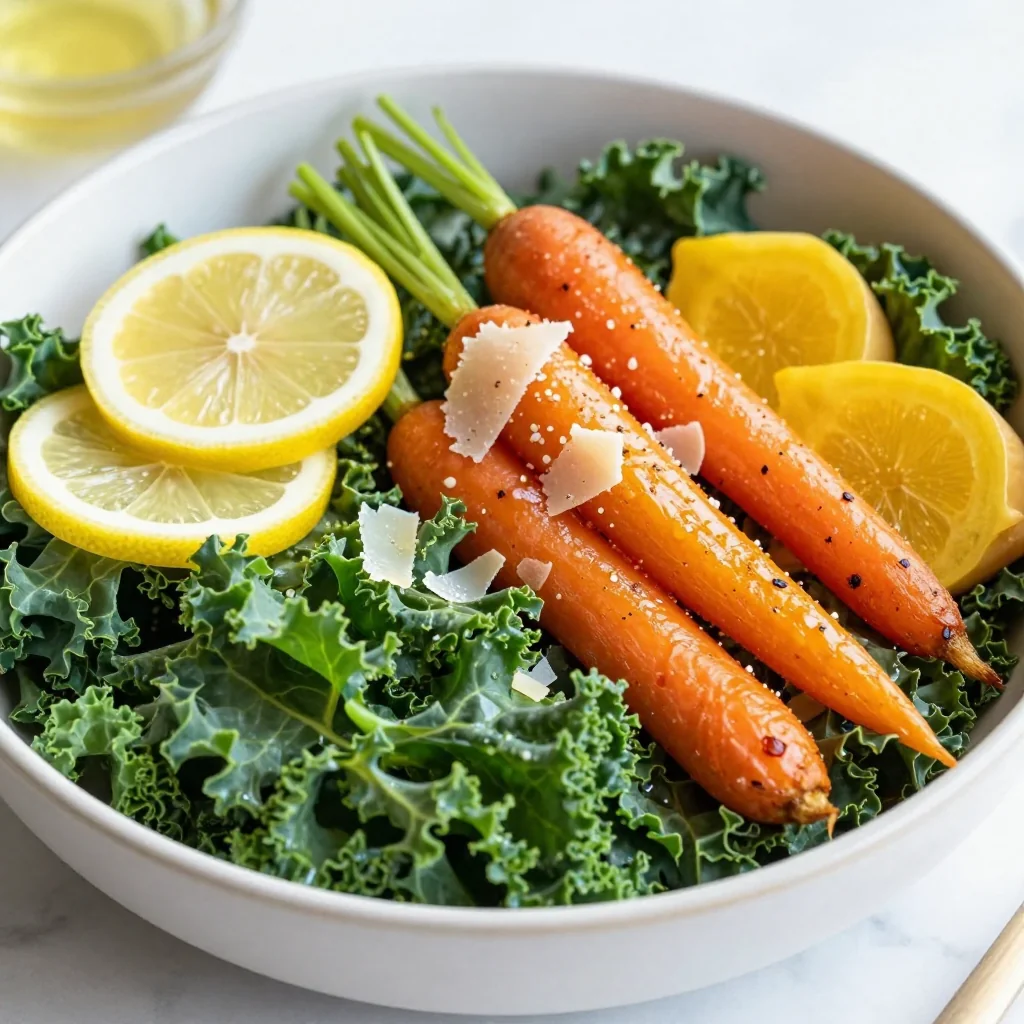
healthy lemon and kale salad with roasted root vegetables for january
Ingredients
Instructions
- Preheat and prep: Heat oven to 425°F. Line 2 baking sheets with parchment. Toss beets and carrots with 2 tbsp oil, thyme, 1 tsp salt, and pepper. Spread on sheets and roast 25-30 minutes until caramelized.
- Massage kale: While vegetables roast, place kale in large bowl with 1 tbsp lemon juice, ½ tsp salt, and 1 tbsp oil. Massage 2-3 minutes until leaves darken and soften.
- Make dressing: Whisk together lemon zest, remaining lemon juice, honey, garlic, mustard, ½ tsp salt, and ¼ tsp pepper. Slowly whisk in remaining oil until emulsified.
- Toast seeds: Dry-toast pumpkin seeds in skillet over medium heat, shaking pan, until golden and puffed, 3-4 minutes. Transfer to plate to cool.
- Assemble: Add roasted vegetables to kale with two-thirds of dressing; toss gently. Top with goat cheese and pumpkin seeds. Drizzle with remaining dressing if desired.
Recipe Notes
Salad keeps 4 days refrigerated. For meal prep, store components separately and assemble just before eating. Try golden beets to avoid pink staining.