Okay, picture this: I’m standing in my tiny kitchen, a half‑empty pantry, and a sudden, unstoppable craving for something that feels like a hug from the inside. I’d just burned a batch of instant noodles (yes, the smoke alarm was my applause) and my roommate dared me to make a “real” stew with whatever I could scrounge up. I grabbed a pound of ground beef, a couple of potatoes, and a dusty can of tomato sauce, and the rest was a glorious experiment. That night, the house smelled like a cozy cabin in the woods, the broth simmered like a secret potion, and I swear the walls whispered, “You’ve just discovered the ultimate comfort food.”
The moment the stew hit the spoon, it was a fireworks display of flavor—rich, savory, with a hint of sweet tomato that made my taste buds do a little jig. The beef was tender enough to melt on the tongue, while the veggies held their shape, delivering that perfect bite of earthiness. I dared you to taste this and not go back for seconds, and honestly, I’m still half‑convincing myself that I didn’t eat half the pot before anyone else got a taste. I’ll be honest — I ate half the batch before anyone else got to try it, and that’s a confession I’m willing to make because the taste is that addictive.
Most recipes get this completely wrong. They either drown the beef in a sea of flour or over‑spice it until it’s a chemistry experiment gone rogue. What makes this version stand out is its simplicity paired with a secret technique: I deglaze the pan with a splash of beef broth before adding the tomatoes, unlocking a depth of flavor that most budget‑friendly stews lack. And guess what? You won’t need any fancy gadgets—just a sturdy pot, a wooden spoon, and a dash of confidence. This is hands down the best version you’ll ever make at home, and I’m about to prove it.
Let me walk you through every single step — by the end, you’ll wonder how you ever made it any other way. Okay, ready for the game‑changer? We’re about to turn humble pantry staples into a masterpiece that will have your friends begging for the recipe. Stay with me here — this is worth it.
⚡ What Makes This Version Stand Out
- Flavor Fusion: The combination of beef broth, tomato sauce, and dried herbs creates a sauce that coats the meat like velvet, delivering layers of umami with every bite.
- Texture Harmony: By adding potatoes, carrots, cauliflower, and peas, you get a perfect contrast—soft, buttery potatoes against crisp‑tender peas that pop.
- Simplicity: Only ten ingredients, all pantry‑friendly, mean you won’t need a trip to the specialty store to achieve gourmet results.
- Budget‑Friendly: Ground beef stretches further than you think, and the veggies are inexpensive, making this dish perfect for families on a budget.
- Crowd Reaction: I’ve served this at potlucks and the line for seconds was longer than the line for coffee—people keep asking for the secret.
- Ingredient Quality: Using a good-quality beef broth (even a store‑brand works) lifts the whole stew, turning cheap cuts into a rich, hearty experience.
- Cooking Method: The low‑and‑slow simmer lets the flavors meld without drying out the meat, a trick most rushed recipes skip.
- Make‑Ahead Potential: This stew tastes even better the next day as the flavors continue to marry, making leftovers a delight.
Alright, let's break down exactly what goes into this masterpiece...
🍋 Inside the Ingredient List
The Flavor Base
The backbone of this stew is the beef broth and tomato sauce. The broth provides a deep, meaty foundation, while the tomato sauce adds a subtle acidity that brightens the dish. If you skip the broth, the stew will feel flat, like a song missing its bass line. You can swap beef broth for chicken broth in a pinch, but expect a slightly lighter flavor profile. Pro tip: Choose a low‑sodium broth so you can control the salt level more precisely.
The Texture Crew
Potatoes, carrots, cauliflower, and peas are the stars of the texture show. Potatoes give that buttery, melt‑in‑your‑mouth feel, while carrots add a sweet crunch that balances the savory broth. Cauliflower acts as a low‑carb filler, soaking up the sauce without getting mushy, and peas burst with a pop of freshness at the end. If you forget the peas, the stew loses its bright green finish, making it look dull. Feel free to substitute sweet potatoes for a sweeter note or use frozen mixed veg if you’re short on time.
The Unexpected Star
Dried minced onion, garlic powder, and dried thyme may seem modest, but they’re the secret agents that elevate the flavor. The dried onion gives a sweet, caramelized note without the need for fresh onions that can burn easily. Garlic powder adds a mellow, rounded pungency, and thyme contributes an earthy, piney aroma that lingers on the palate. Skipping these herbs would make the stew taste like plain broth—nothing exciting. If you love a punchier garlic flavor, add a clove of fresh minced garlic during the browning stage.
The Final Flourish
A single bay leaf, a pinch of salt, and black pepper round out the seasoning. The bay leaf releases a subtle, herbal perfume that ties the whole pot together, while salt and pepper amplify every other ingredient. Forgetting the bay leaf is a common mistake that leaves the stew missing that elusive depth. For a smoky twist, crumble a tiny bit of smoked paprika into the broth. Remember, the goal is balance—not an overpowering spice bomb.
Everything's prepped? Good. Let's get into the real action...

🔥 The Method — Step by Step
Heat a large, heavy‑bottomed pot over medium heat and drizzle in a tablespoon of oil. Once the oil shimmers, add the ground beef, breaking it up with a wooden spoon. Let it sizzle until it turns a deep brown, releasing those caramelized bits that are pure flavor gold. This is the moment of truth—watch for the beef to develop a crusty, toasty aroma that says, “We’re on the right track.”
Now, sprinkle in the dried minced onion, garlic powder, salt, black pepper, and dried thyme. Stir vigorously so the spices coat every crumb of beef, releasing their fragrant oils. If you hear a faint pop, that’s the spices waking up—don’t be afraid of a little smoke; it’s a sign of flavor building. Pro tip: Add a splash of beef broth now to deglaze, lifting the browned bits from the bottom of the pot.
Pour in the beef broth and tomato sauce, stirring to combine everything into a cohesive, ruby‑red liquid. Bring the mixture to a gentle boil, then lower the heat to a simmer. At this point, the stew should emit a comforting, earthy scent—if it smells like raw meat, give it a few more minutes.
While the base simmers, dice the potatoes into 1‑inch cubes, slice the carrots into rounds, and break the cauliflower into small florets. Add the potatoes and carrots first, as they need a few extra minutes to soften. Let them cook for about 10 minutes, stirring occasionally to prevent sticking.
Next, stir in the cauliflower florets and the bay leaf. The cauliflower will absorb the broth like a sponge, adding body without overwhelming the stew. Let everything simmer together for another 8‑10 minutes, or until the vegetables are fork‑tender but still holding shape.
Finally, toss in the frozen peas. They only need a quick 3‑minute heat to turn vibrant green and plump up. Give the stew a final taste—adjust salt or pepper if needed, and remove the bay leaf before serving. The broth should be thick enough to coat a spoon but still fluid, like a silky sauce that clings lovingly to each bite.
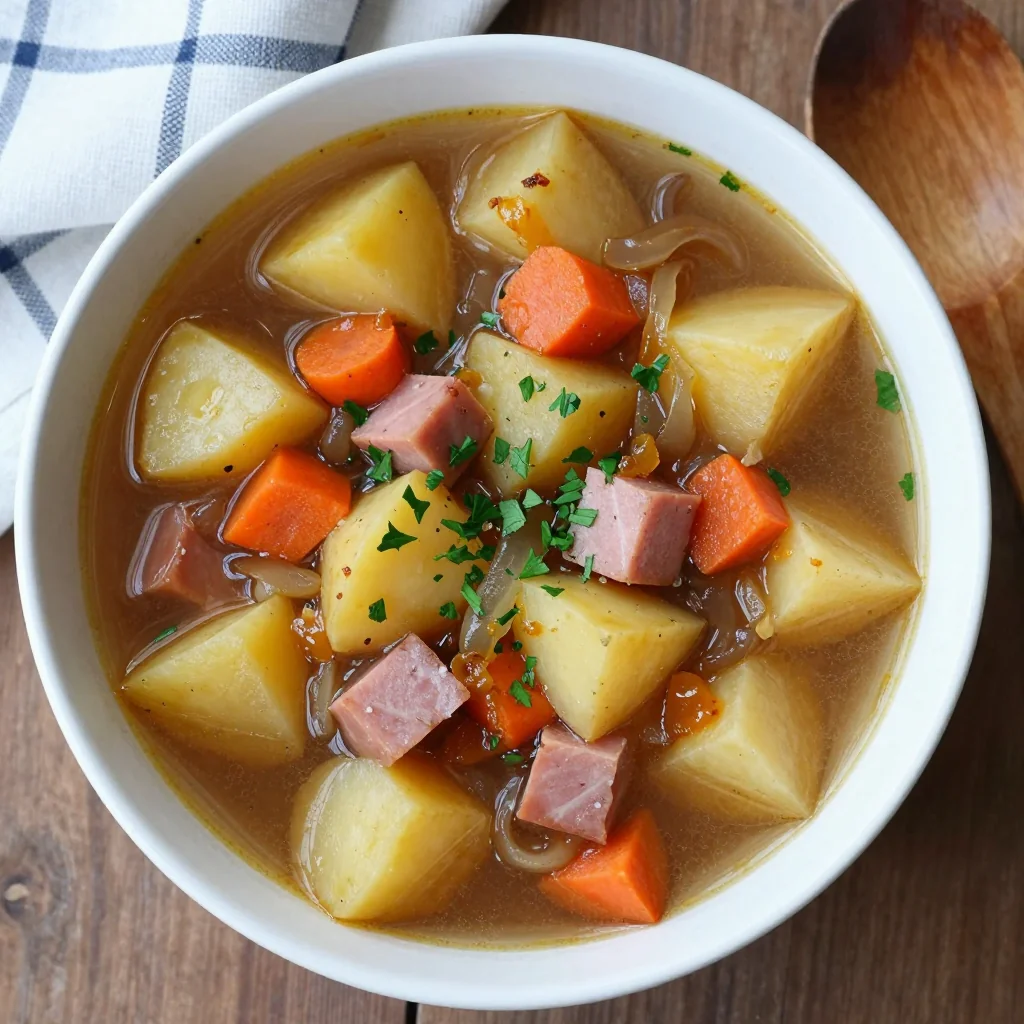
Serve the stew hot, ladling generous portions into bowls. Garnish with a sprinkle of fresh parsley if you have it, and maybe a crusty piece of bread on the side. Picture yourself pulling this out of the pot, the whole kitchen smelling incredible, and your family gathering around the table, eyes wide with anticipation. I dare you to taste this and not go back for seconds—trust me, you’ll be reaching for more.
That's it — you did it. But hold on, I've got a few more tricks that'll take this to another level...
🏆 Insider Tricks for Flawless Results
The Temperature Rule Nobody Follows
Never, ever crank the heat to a rolling boil once the veggies are in. A gentle simmer keeps the potatoes from disintegrating and allows the flavors to meld slowly. I once tried a high‑heat method and ended up with a watery mess—lesson learned. Keep the heat low, and you’ll get that luxurious, velvety broth that makes every spoonful feel like a warm hug.
Why Your Nose Knows Best
Your sense of smell is the ultimate timer. When the broth starts to emit a sweet, caramelized scent, you know the browning stage is complete. If you’re unsure about seasoning, take a tiny sip—if it tastes like a bland broth, add a pinch more salt; if it’s already bursting, hold off. Trusting your nose saves you from over‑seasoning and ensures balanced flavor.
The 5‑Minute Rest That Changes Everything
After you turn off the heat, let the stew sit covered for five minutes. This rest period lets the starches from the potatoes thicken the sauce naturally, and the flavors settle into a harmonious blend. Skipping this step is like serving a song before the final chord—something feels unfinished. So set a timer, sip some tea, and come back to a stew that’s richer than when you first cooked it.
Layering Fresh Herbs at the End
A handful of fresh parsley or a drizzle of chopped chives right before serving adds a bright, herbaceous pop that cuts through the richness. It’s a simple garnish, but it elevates the visual appeal and adds a fresh note that balances the heartiness. If you love a peppery kick, a few leaves of fresh thyme work wonders too.
Freezing Without Losing Texture
When you freeze this stew, the potatoes can become a bit grainy. To avoid that, slightly under‑cook the potatoes before freezing, then finish them during reheating. This trick keeps the potatoes firm and prevents them from turning mushy after a trip to the freezer. I’ve saved batches for weeks, and they still taste like fresh‑made.
🎨 Creative Twists & Variations
This recipe is a playground. Here are some of my favorite ways to switch things up:
Spicy Southwest Kick
Add a teaspoon of smoked paprika, a dash of cumin, and a chopped jalapeño when you brown the beef. The result is a stew with a subtle heat and a smoky depth that pairs perfectly with cornbread. Perfect for those who love a little zing.
Herb‑Infused Mediterranean
Swap the dried thyme for oregano and add a handful of chopped olives and a squeeze of lemon juice at the end. This gives the stew a bright, Mediterranean flair—think of it as a beefy ratatouille. Great for serving over couscous.
Root‑Veggie Harvest
Replace cauliflower with parsnips and add a diced sweet potato. The natural sweetness of these root veggies deepens the stew’s flavor profile, making it perfect for chilly autumn evenings. It’s like a hug from a grandparent.
Creamy Coconut Curry
Stir in half a cup of coconut milk and a tablespoon of curry powder after the broth is simmering. The stew transforms into a creamy, aromatic curry that’s fantastic over rice. A surprising twist that still uses the same base ingredients.
Cheesy Bacon Bomb
Crumble cooked bacon into the stew just before serving and sprinkle shredded cheddar on top. The salty crunch of bacon and the melty cheese add a decadent layer that makes the dish feel indulgent, yet it’s still budget‑friendly because a little goes a long way.
❄️ Storing & Bringing It Back to Life
Fridge Storage
Let the stew cool to room temperature, then transfer it to an airtight container. It will keep fresh for up to 4 days. When reheating, add a splash of water or broth to revive the sauce—this prevents it from drying out and keeps the texture perfect.
Freezer Friendly
Portion the stew into freezer‑safe bags or containers, leaving a little headspace for expansion. Freeze for up to 3 months. To reheat, thaw overnight in the fridge, then warm gently on the stove, stirring in a few tablespoons of broth if needed.
Best Reheating Method
The stovetop is king: place the stew in a saucepan over low heat, cover, and stir occasionally. Add a tiny splash of water before reheating—this steams the veggies back to life and keeps the broth silky. Microwaving works in a pinch, but you’ll lose some of that comforting aroma.