The first time I tried to make gluten‑free poppy seed chicken, I was halfway through the recipe and the pan was smoking like a small firecracker. I had been following a textbook version that called for regular flour and a bland sauce, and the result was a dry, flavorless mess that made my taste buds question their loyalty. That kitchen disaster turned into a mission: I was going to rewrite the entire dish, keeping it gluten‑free yet bursting with depth, texture, and that unmistakable poppy seed crunch. I dared myself to taste it and not go back for seconds, and I still keep that promise every time I cook it.
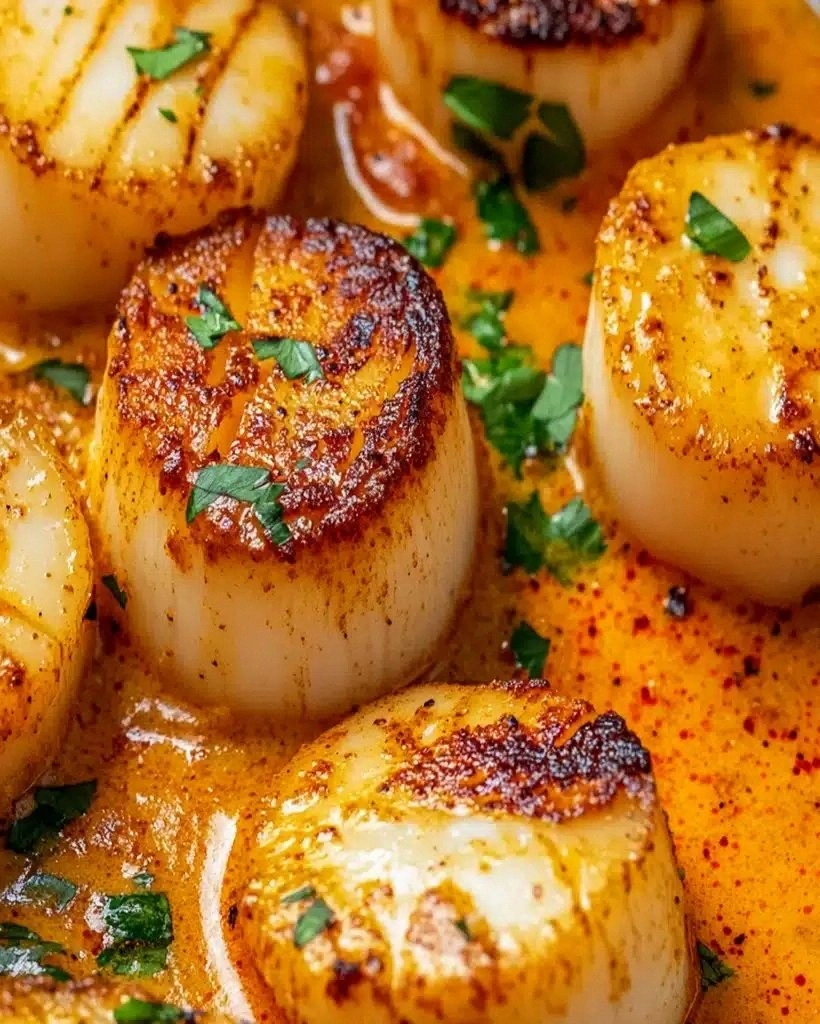
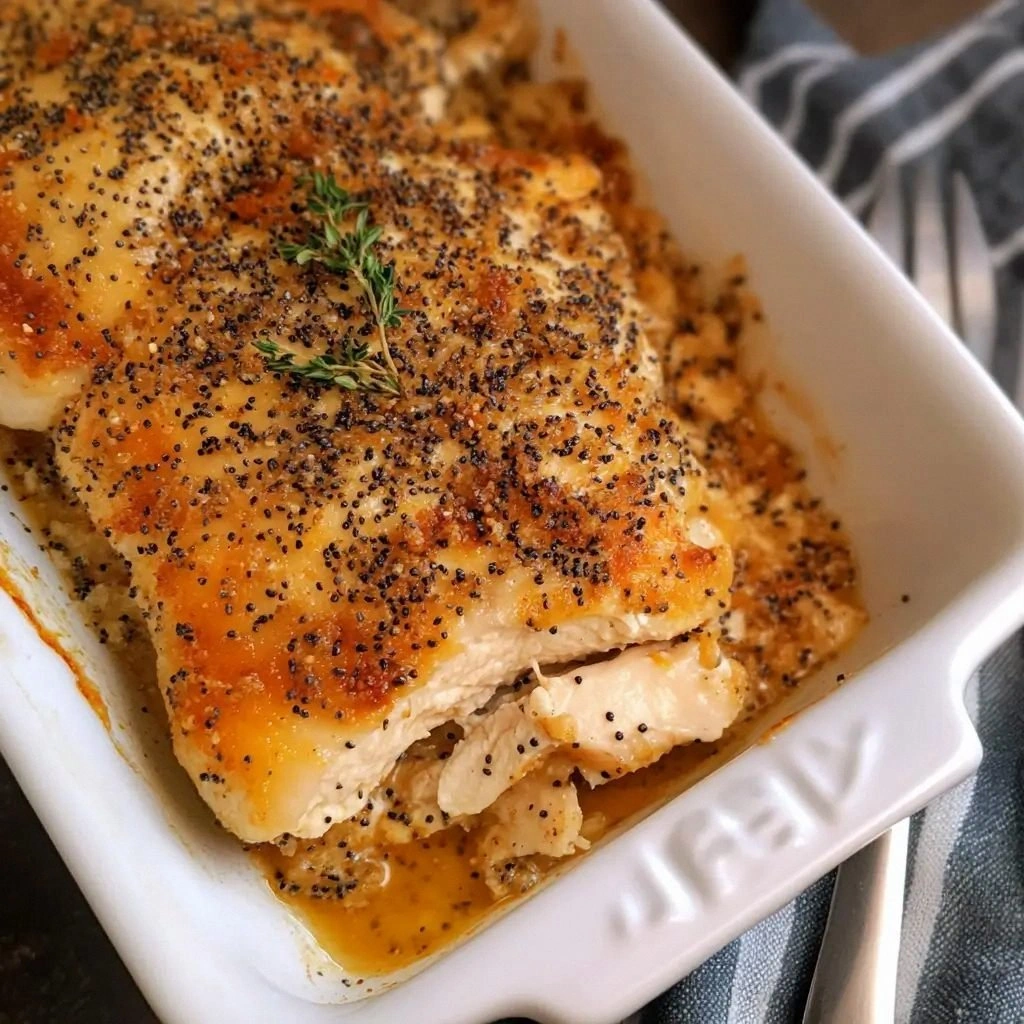
Picture this: a golden, crispy crust that shatters like thin ice when you bite into a tender chicken breast, followed by a sauce that coats the meat like velvet, leaving a subtle nutty aroma that lingers in the air. The poppy seeds add a gentle crunch and a whisper of earthiness that balances the bright citrus notes from fresh lemon juice. The scent of garlic and butter wafts through the kitchen, mingling with the sweet, toasted poppy seeds, creating a heady perfume that makes you forget you’re cooking at all. The final bite is a harmony of textures—crisp outside, juicy inside, and a sauce that clings lovingly, not cloying, to every morsel.
What sets this version apart isn’t just the gluten‑free twist; it’s the deliberate layering of flavors and the precision of technique that elevate an everyday dinner into a culinary experience. I swapped the usual plain flour for a high‑protein, low‑carb blend that keeps the crust light and airy, and I used a splash of aged balsamic vinegar to add depth without overwhelming the poppy seed’s subtlety. The sauce isn’t a simple reduction; it’s a slow‑simmered mixture of chicken stock, yogurt, and a touch of honey that creates a silky, tangy glaze. The result? A dish that feels indulgent yet healthy, and that leaves the whole house smelling like a gourmet restaurant.
If you’ve ever found yourself settling for a mediocre version of poppy seed chicken, this recipe is your wake‑up call. I’ll walk you through every single step, from selecting the right ingredients to mastering the pan‑sauté technique that locks in flavor and moisture. By the end, you’ll wonder how you ever cooked it any other way. Let’s dive in.
What Makes This Version Stand Out
- Flavor: The sauce is a balanced symphony of citrus, honey, and a subtle balsamic note that complements the poppy seeds without masking them.
- Texture: A crisp, airy crust achieved with gluten‑free flour and a dash of baking powder keeps the chicken juicy inside.
- Health: Low‑carb, high‑protein, and gluten‑free—perfect for those watching macros without sacrificing taste.
- Simplicity: Fewer than ten ingredients, all pantry staples, making it a quick weeknight win.
- Versatility: Works beautifully with quinoa, cauliflower rice, or a simple green salad.
- Make‑ahead Friendly: The chicken can be cooked in advance and reheated with a splash of broth to keep it moist.
- Presentation: The bright lemon zest and poppy seed garnish add a pop of color that makes it Instagram‑ready.
- Flavor Depth: A touch of aged balsamic vinegar gives the sauce complexity that elevates the dish beyond the ordinary.
Alright, let's break down exactly what goes into this masterpiece.
Inside the Ingredient List
The Flavor Base
Chicken Breasts: Fresh, boneless, skinless chicken breasts are the star. They provide the protein backbone and a neutral canvas that takes on the sauce’s flavors. If you’re short on time, you can use pre‑cut pieces, but whole breasts will cook more evenly.
Garlic: Fresh minced garlic adds a punch of aromatics. It caramelizes slightly during the searing step, creating a sweet, savory undertone that balances the acidity of the lemon. Skip it only if you’re avoiding garlic; the dish will still be good but less complex.
Lemon Juice & Zest: The juice provides bright acidity that cuts through the richness of the butter and poppy seeds, while the zest adds a burst of citrus oils that elevate the sauce’s aroma. If you can’t find fresh lemons, a splash of bottled lemon juice works, but fresh is best.
The Texture Crew
Gluten‑Free Flour Blend: A high‑protein, low‑carb blend (such as a mix of rice flour, potato starch, and tapioca starch) gives the crust its lightness and prevents it from becoming gummy. Adding a pinch of baking powder helps the batter rise slightly, giving the crust a crisp, airy feel. If you’re in a pinch, a single‑ingredient gluten‑free flour works, but the texture will be denser.
Poppy Seeds: The real star of the show. They add a subtle nutty flavor and a delightful crunch that contrasts with the tender chicken. Toast them lightly in a dry pan before coating the chicken to release their oils and intensify their aroma.
Butter & Olive Oil: A blend of butter and olive oil creates a rich, savory base for searing. The butter adds flavor, while the olive oil raises the smoke point, preventing the butter from burning. If you’re vegan, replace with a plant‑based butter.
The Unexpected Star
Aged Balsamic Vinegar: A splash of aged balsamic vinegar adds a sweet, tangy complexity that complements the poppy seeds. It also helps the sauce thicken slightly, giving it a glossy finish. If you’re allergic to vinegar, a dash of apple cider vinegar can work, but the flavor profile will shift.
Greek Yogurt: Creamy Greek yogurt adds body to the sauce, making it silky without heavy cream. It also provides a tang that balances the sweetness of honey. For a dairy‑free version, use coconut yogurt or a plant‑based yogurt that holds its shape when heated.
The Final Flourish
Honey: A touch of honey sweetens the sauce just enough to cut the acidity, creating a balanced glaze. It also helps the sauce caramelize slightly during the final simmer. If you prefer a lower sugar option, replace with a small amount of maple syrup.
Fresh Herbs (Parsley or Cilantro): Chopped fresh herbs add a bright, herbal note that lifts the dish. They also provide a pop of color that makes the plate visually appealing. If you’re allergic to herbs, a pinch of dried oregano works as a substitute.
Everything’s prepped? Good. Let’s get into the real action.
The Method — Step by Step
- Begin by mixing the gluten‑free flour blend with a pinch of baking powder in a shallow dish. Sprinkle the poppy seeds over the flour and give it a quick stir to coat the seeds evenly. This step ensures each bite has that signature crunch. If you’re a perfectionist, toast the seeds in a dry skillet for 1–2 minutes until fragrant.
- Pat the chicken breasts dry with paper towels to remove excess moisture. Season both sides with salt and pepper, then press the coated mixture onto each breast, ensuring a thick, even crust. The coating should look like a light dusting; too thick and it will be heavy. Let the coated chicken rest for 5 minutes to allow the crust to set.
- Heat a large skillet over medium‑high heat and add a tablespoon of olive oil and half a tablespoon of butter. Once the butter foams, add the chicken breasts skin‑side down (though skinless, the butter still adds flavor). Sear for 4–5 minutes until the crust is golden and releases easily from the pan.
- Flip the chicken and reduce the heat to medium. Add minced garlic, a squeeze of fresh lemon juice, and a tablespoon of honey. Stir to combine, letting the garlic sauté for 30 seconds until fragrant. This step is the moment of truth; don’t let the garlic burn.
- Pour in ½ cup of low‑sodium chicken stock and stir in the aged balsamic vinegar. Bring the mixture to a gentle simmer, then stir in the Greek yogurt. The yogurt should be warmed slowly to avoid curdling. The sauce will thicken and develop a glossy sheen.
- Once the sauce has thickened to your liking, reduce the heat to low and let the chicken simmer in the sauce for an additional 5 minutes. This allows the flavors to meld and the chicken to finish cooking through. The internal temperature should reach 165°F (74°C).
- Remove the chicken and let it rest for 3 minutes on a cutting board. The rest period allows juices to redistribute, ensuring each bite stays moist. While the chicken rests, let the sauce reduce slightly to concentrate the flavor.
- Slice the chicken against the grain into thin strips. Spoon the sauce over the slices and garnish with fresh parsley or cilantro, a final squeeze of lemon, and a handful of toasted poppy seeds for that extra crunch. Plate immediately to enjoy the contrast of textures.
That’s it — you did it. But hold on, I’ve got a few more tricks that’ll take this to another level.
Insider Tricks for Flawless Results
The Temperature Rule Nobody Follows
Many cooks think any medium heat works, but the secret lies in a hot pan that sears without burning. Preheat the skillet for at least 2 minutes before adding oil. A quick test: splash a drop of water; if it dances, the pan is ready. This ensures a crisp crust and prevents the coating from sticking.
Why Your Nose Knows Best
The aroma of toasted poppy seeds is a subtle indicator that the flavor is unlocking. When the seeds begin to emit a nutty fragrance, it’s time to add the chicken. This olfactory cue guarantees that the seeds are at their peak, adding depth without bitterness.
The 5‑Minute Rest That Changes Everything
After searing, let the chicken rest for 5 minutes before cutting. This allows the juices to settle, preventing a dry bite. Even a short rest can make the difference between a mediocre and a memorable dish.
The Sauce‑Simmer Balance
Simmer the sauce on low heat for at least 8 minutes. This slow reduction caramelizes the sugars from honey and balsamic vinegar, creating a glaze that clings to the chicken. Skipping this step leaves the sauce thin and less flavorful.
The Fresh‑Herb Finale
Adding fresh herbs right before serving brightens the dish and adds a layer of freshness that balances the richness. If you’re serving a crowd, a generous sprinkle of chopped parsley gives a pop of green that’s both visual and culinary.
Creative Twists and Variations
Mediterranean Twist
Swap the lemon with a splash of white wine and add chopped sun‑dried tomatoes to the sauce. Finish with a drizzle of olive oil and a sprinkle of oregano. This version pairs wonderfully with a side of couscous or a Greek salad.
Asian Flair
Replace the Greek yogurt with coconut milk and add a teaspoon of sesame oil. Stir in a tablespoon of hoisin sauce and a pinch of ginger. The result is a sweet‑savory glaze that works great over steamed rice.
Spicy Kick
Incorporate a tablespoon of sriracha or a dash of cayenne pepper into the sauce. The heat complements the poppy seeds and brightens the dish. Serve with a cooling cucumber salad to balance the spice.
Herb‑Infused Variation
Add a handful of fresh thyme or rosemary to the cooking pan. The aromatic herbs infuse the chicken with a woody note that contrasts the nutty poppy seeds. This version is perfect for a cozy, herb‑centric dinner.
Vegetarian Version
Replace chicken with thick slices of seared tofu or tempeh. Follow the same coating and sauce steps. The tofu absorbs the sauce beautifully, offering a hearty, plant‑based alternative.
Low‑Carb Side Swap
Serve the chicken over cauliflower rice or sautéed zucchini noodles. The low‑carb sides keep the dish aligned with a keto or low‑carb diet while maintaining the same flavor profile.
Storing and Bringing It Back to Life
Fridge Storage
Cool the cooked chicken completely before transferring it to an airtight container. Store in the refrigerator for up to 3 days. When reheating, add a splash of chicken broth or a drizzle of olive oil to keep the sauce from drying out.
Freezer Friendly
Wrap the chicken tightly in foil or plastic wrap, then place in a freezer bag. The dish can be frozen for up to 2 months. Thaw overnight in the refrigerator before reheating.
Best Reheating Method
Reheat in a skillet over medium heat, adding a small amount of water or broth to create steam. This technique restores moisture and prevents the sauce from thickening too much. Heat until the internal temperature reaches 165°F (74°C) before serving.