I still remember the first time I attempted to make scallops at home. It was a disaster of epic proportions — rubbery, tasteless hockey pucks swimming in a watery, flavorless sauce that looked like something from a bad hospital cafeteria. My dinner guests politely picked at their plates while I died a thousand deaths inside the kitchen. Fast forward three years, and I've cracked the code to creating what I genuinely believe is the most incredible spicy coconut curry scallops you'll ever taste outside of a five-star restaurant.
This isn't just another seafood recipe floating around the internet. This is the result of countless trials, errors, and one particularly memorable evening when I ate an entire batch standing over the stove because I couldn't believe how good they turned out. The combination of perfectly seared scallops with a rich, aromatic coconut curry sauce creates something magical — tender seafood that tastes like it was kissed by the tropics, with just enough heat to make your taste buds dance without overwhelming the delicate sweetness of the scallops.
What makes this version different? We're talking about scallops that develop a gorgeous golden crust on the outside while staying buttery-soft inside, all swimming in a sauce that's so good you'll want to drink it straight from the pan. The secret lies in a technique that most home cooks completely overlook, plus a few ingredients that might surprise you. Trust me, once you master this method, you'll never look at scallops the same way again.
Picture yourself pulling this dish together on a weeknight when you want something impressive but not complicated. The aroma of curry spices toasting in coconut oil, the sizzle when those perfectly dry scallops hit the hot pan, and that moment when you pour in the coconut milk and watch it transform into liquid gold — it's pure kitchen magic. Let me walk you through every single step — by the end, you'll wonder how you ever made it any other way.
What Makes This Version Stand Out
This recipe breaks all the rules of traditional scallop cooking, and that's exactly why it works so brilliantly. While most recipes treat scallops as delicate flowers that need to be coddled, we're giving them the spicy, bold treatment they deserve. The result is a dish that tastes like it came from a street food stall in Bangkok, but with the refinement of a French bistro.
Flavor Bomb: We're building layers upon layers of flavor, starting with a homemade curry paste that beats anything from a jar. The combination of fresh aromatics toasted in coconut oil creates a base that's so aromatic, your neighbors will be knocking on your door asking what smells so incredible.
Texture Contrast: The key is getting that perfect sear on the scallops while keeping them tender inside. Most recipes either overcook them into rubber or leave them raw and cold in the center. This method gives you that restaurant-quality crust with a center that's warm but still melts in your mouth.
One-Pan Wonder: Despite tasting like something from a fancy restaurant, this entire dish comes together in one skillet. No juggling multiple pots and pans, no complicated techniques — just pure, concentrated flavor in a single pan that you'll want to lick clean.
Customizable Heat: You control the spice level completely. Want it mild for the family? Easy. Craving something that'll make you break a sweat? We've got you covered. The recipe includes a foolproof method for adjusting the heat without losing any of the complex flavors.
Weeknight Friendly: From fridge to table in under 30 minutes, this dish proves that you don't need hours to create something spectacular. I've served this to dinner party guests who assumed I'd been cooking all day, when really I threw it together after work.
Restaurant Quality at Home: The technique we're using here is the same one top chefs use, but simplified for home cooks. You'll learn the exact temperature to cook scallops, how to test for doneness without cutting them open, and the secret ingredient that makes the sauce taste like it simmered for hours.
Alright, let's break down exactly what goes into this masterpiece...
Inside the Ingredient List
Every ingredient in this recipe pulls its weight and then some. There's no filler, no unnecessary components — just pure, concentrated flavor builders that work together like a well-orchestrated symphony. Understanding why each element matters will transform you from a recipe follower into a confident cook who can improvise and adapt.
The Flavor Foundation
Coconut Oil: This isn't just for cooking — it's the first layer of coconut flavor that perfumes the entire dish. Unlike neutral oils, coconut oil carries its own personality that plays beautifully with the curry spices. Plus, it has a high smoke point, which means you can get your pan ripping hot for that perfect scallop sear without setting off your smoke alarm.
Fresh Ginger: Skip the powdered stuff here. Fresh ginger adds a bright, peppery heat that's completely different from dried ginger's warmth. Grate it fine so it melts into the sauce and doesn't give you fibrous bits in every bite. Pro tip: Keep ginger in your freezer and grate it frozen — it's easier to handle and lasts forever.
Garlic: We're using a generous amount because garlic in coconut curry is like bass in a jazz band — it holds everything together. The key is adding it after the ginger so it doesn't burn and turn bitter. You want it fragrant and golden, not brown and acrid.
The Spice Squad
Curry Powder: Not all curry powders are created equal. The cheap stuff tastes like dusty cardboard, while good quality curry powder is a complex blend of up to 20 different spices. If yours has been sitting in your pantry since the Obama administration, treat yourself to a fresh jar. Your taste buds will thank you.
Turmeric: This golden wonder doesn't just add color — it brings an earthy, slightly bitter note that balances the richness of the coconut milk. Fresh turmeric is incredible if you can find it, but good quality powder works beautifully too. Just remember it stains everything yellow, so don't wear your favorite white shirt while cooking.
Cayenne Pepper: This is your heat dial. Start conservative — you can always add more, but you can't take it out once it's in there. I like to add it in stages, tasting as I go, until I hit that perfect balance of warming heat that doesn't obliterate the other flavors.
The Creamy Dream Team
Full-Fat Coconut Milk: This is non-negotiable. Light coconut milk is just watered-down sadness that'll give you a thin, watery sauce. You want the thick, luxurious stuff that coats the back of a spoon. Shake the can before opening, and if it's separated, whisk it back together.
Scallops: Look for dry scallops, not wet ones. Wet scallops have been treated with chemicals that make them weep liquid when cooked, preventing that beautiful sear. They should smell like the ocean, not fishy, and feel firm to the touch. If they're sticky or slimy, walk away.
The Unexpected Stars
Lime Juice: Added at the very end, lime juice is like the exclamation point at the end of a great sentence. It brightens all the other flavors and cuts through the richness of the coconut. Don't add it too early or it'll lose its fresh zing.
Fish Sauce: I know, it smells terrifying straight from the bottle. But just a teaspoon adds an incredible depth of umami that makes people ask "what's in this that makes it taste so complex?" It's the secret ingredient that separates good curry from curry that makes people close their eyes when they taste it.
Everything's prepped? Good. Let's get into the real action...
The Method — Step by Step
- Start by patting your scallops dry with paper towels, then place them on a fresh layer of paper towels, cover with more paper towels, and press gently. Let them sit for 10 minutes while you prep everything else. This is crucial — moisture is the enemy of a good sear. Season both sides with salt and pepper, but go easy on the salt since the curry sauce will add plenty of flavor later.
- Heat your largest skillet over medium-high heat for 2 minutes. You want it hot enough that a drop of water sizzles and evaporates immediately. Add the coconut oil and swirl to coat the pan. When the oil shimmers and moves like water, it's ready. This is the moment of truth — if your pan isn't hot enough, your scallops will steam instead of sear.
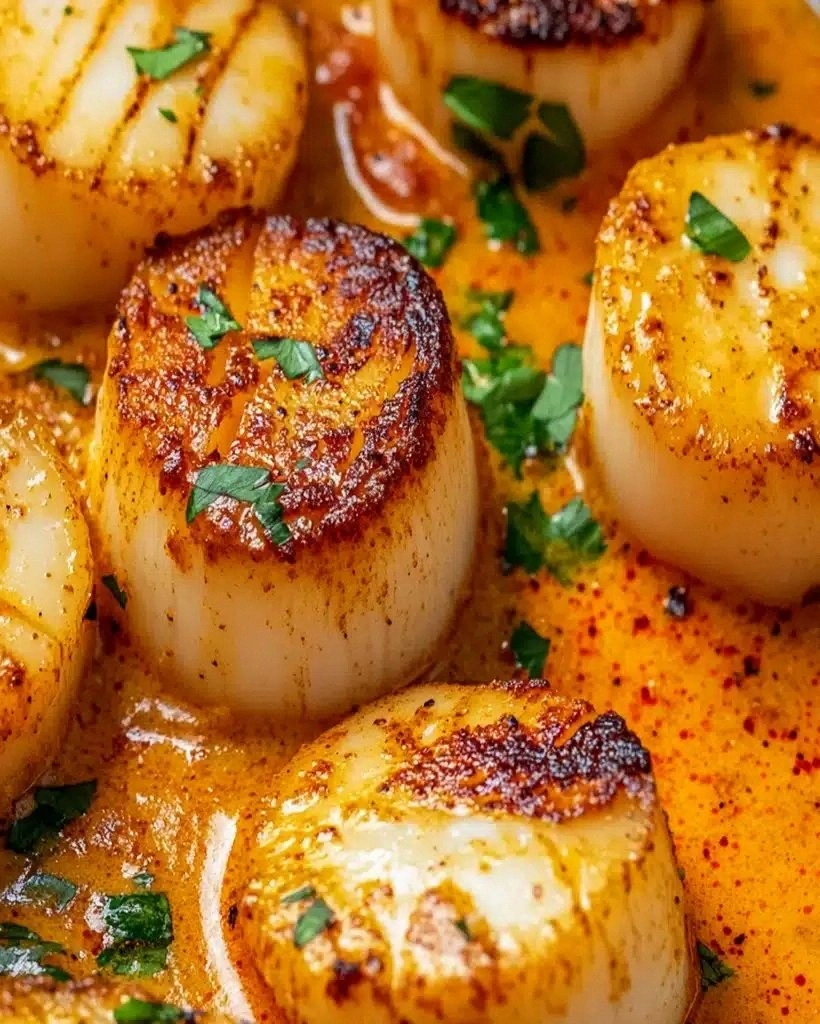
- Carefully place the scallops in the pan, flat side down, starting at 12 o'clock and working your way around. Don't move them once they're in — let them develop that gorgeous golden crust. After 2-3 minutes, peek at one by lifting gently with tongs. If it's golden brown, flip them all. If not, give them another 30 seconds. The sizzle should sound like applause.
- After flipping, cook for another 1-2 minutes on the second side. You're looking for the sides to feel firm but the center to still have a little give when you press gently. Transfer to a plate and tent with foil. They'll continue cooking slightly from residual heat, so err on the side of undercooking rather than over.
- Without wiping out the pan (those browned bits are flavor gold), reduce heat to medium and add a touch more coconut oil if needed. Add the ginger and cook for 30 seconds until fragrant — your kitchen should smell like a tropical paradise. Add the garlic and cook for another 30 seconds, stirring constantly to prevent burning.
- Add the curry powder, turmeric, and cayenne (start with 1/4 teaspoon and add more later). Stir constantly for 1 minute to toast the spices. This step transforms raw, dusty-tasting spices into something aromatic and complex. The mixture should smell incredibly fragrant and look like a paste.
- Pour in the coconut milk while whisking to combine with the spice paste. Bring to a gentle simmer and let it bubble for 3-4 minutes until slightly thickened. The sauce should coat the back of a spoon and have the consistency of heavy cream. If it's too thick, thin with a splash of water or chicken broth.
- Nestle the scallops back into the sauce, spooning some over the tops. Let them warm through for about 1 minute — just enough to heat them without cooking them further. Squeeze in the lime juice and sprinkle with fresh cilantro if using. The sauce should be creamy and aromatic, coating everything in a golden, spicy blanket.
That's it — you did it. But hold on, I've got a few more tricks that'll take this to another level...
Insider Tricks for Flawless Results
The Temperature Rule Nobody Follows
Here's the thing about scallops — they need to be treated like premium steak. Room temperature scallops cook more evenly than cold ones straight from the fridge. Take them out 30 minutes before cooking and let them sit on the counter. This simple step prevents that dreaded situation where the outside is overcooked while the inside is still cold. I learned this the hard way after serving what my friend politely called "scallop sushi" at a dinner party.
Why Your Nose Knows Best
Don't rely on timers alone when cooking scallops — your senses are your best kitchen tool. When the first side is properly seared, you'll smell a nutty, almost popcorn-like aroma. That's the natural sugars in the scallop caramelizing and creating that gorgeous golden crust. If you smell something fishy, you've gone too far and they're overcooking. I dare you to trust your nose instead of the clock — it's never let me down.
The 5-Minute Rest That Changes Everything
After cooking, let your scallops rest for 5 minutes before serving. I know, I know — you're hungry and they look incredible. But this brief rest allows the proteins to relax and reabsorb their juices, resulting in scallops that are tender instead of tough. While they're resting, make your sauce in the same pan. By the time the sauce is ready, the scallops have reached the perfect temperature and texture.
The Sauce Consistency Secret
The perfect curry sauce should coat the back of a spoon and slowly drip off when you tilt it. If it's too thin, let it simmer for another minute or two. Too thick? A splash of coconut milk or chicken stock will fix it instantly. And here's the real secret — the sauce will thicken slightly as it cools, so err on the side of slightly thinner than you think you want it.
Make-Ahead Magic
You can prep the spice paste up to 3 days ahead and keep it in the fridge. Just combine the ginger, garlic, and all the spices with enough coconut oil to make a paste. When you're ready to cook, heat your pan and add a spoonful of the paste — it sizzles and blooms just like fresh, but you've saved yourself 5 minutes of prep time. I keep a jar of this stuff in my fridge at all times for emergency curry cravings.
Creative Twists and Variations
This recipe is a playground. Here are some of my favorite ways to switch things up:
The Thai Basil Remix
Swap the cilantro for a handful of Thai basil leaves torn and stirred in at the very end. Add a sliced Thai bird's eye chili for extra heat and a teaspoon of palm sugar for that authentic sweet-savory balance. The basil adds an anise-like perfume that transforms the entire dish into something that tastes straight from a Bangkok street stall.
The Tropical Vacation
Add a cup of diced fresh pineapple to the sauce during the last 2 minutes of cooking. The fruit's natural sweetness plays beautifully against the spicy curry, and the juicy bursts provide textural contrast. Garnish with toasted coconut flakes for extra tropical vibes. This version is perfect for summer dinner parties when you want something that tastes like vacation on a plate.
The Surf and Turf Upgrade
Add some peeled shrimp alongside the scallops for a mixed seafood curry. The shrimp cook in about 2 minutes per side and absorb the curry flavors beautifully. Just make sure not to overcook them — they should curl into a loose C shape, not a tight O. This is my go-to when I want to impress without extra effort.
The Vegetable Powerhouse
Throw in a handful of baby spinach or kale during the last minute of cooking. The greens wilt into the sauce and add color, nutrients, and texture. Bell pepper strips or thinly sliced zucchini also work wonderfully. This turns the dish from appetizer to complete meal while keeping that luxurious sauce as the star.
The Coconut-Free Version
If you're allergic to coconut (or just not a fan), substitute with heavy cream and a splash of chicken stock. Add a teaspoon of coconut extract to maintain that tropical flavor profile. The sauce will be richer and silkier, more French than Thai, but equally delicious in its own right.
The Make-It-Vegan Adaptation
Replace the scallops with thick slices of pan-seared tofu or even better, oyster mushrooms torn into scallop-sized pieces. Use vegetable broth instead of any animal-based liquid, and add a tablespoon of nutritional yeast for depth. The curry sauce is already plant-based, so the substitutions are minimal but the results are still spectacular.
Storing and Bringing It Back to Life
Fridge Storage
Store any leftovers in an airtight container in the refrigerator for up to 2 days. The scallops will continue to absorb flavors from the sauce, which actually makes them taste even better the next day. Keep the scallops submerged in the sauce to prevent them from drying out. When reheating, add a splash of coconut milk or water to loosen the sauce, which will have thickened in the fridge.
Freezer Friendly
The curry sauce freezes beautifully for up to 3 months, but I don't recommend freezing the cooked scallops — they become rubbery when thawed. Instead, freeze just the sauce in portion-sized containers. When you're ready to eat, thaw the sauce overnight in the fridge, then cook fresh scallops and reheat the sauce gently. It's like having a head start on dinner any night of the week.
Best Reheating Method
Gently reheat in a covered skillet over low heat, adding a splash of liquid to prevent the sauce from breaking. Microwave works in a pinch, but use 50% power and stir every 30 seconds to prevent hot spots. Whatever you do, don't overheat the scallops — they should just be warmed through, not cooked further. Add a fresh squeeze of lime and sprinkle of herbs to brighten everything up and make it taste freshly made.