I still remember the night I tried to make fried rice noodles for a last‑minute dinner and ended up with a sticky, soggy mess that looked more like a noodle casserole than a quick stir‑fry. The rice noodles were still clumping together like a stubborn knot, the sauce had turned into a syrupy glaze, and I was left with a plate of disappointment that tasted like a culinary failure. I stared at the skillet, felt the heat radiating from the pan, and thought, “I can’t let this be my story.” That moment sparked a quest for a recipe that would transform humble ingredients into a dish that sings in every bite.
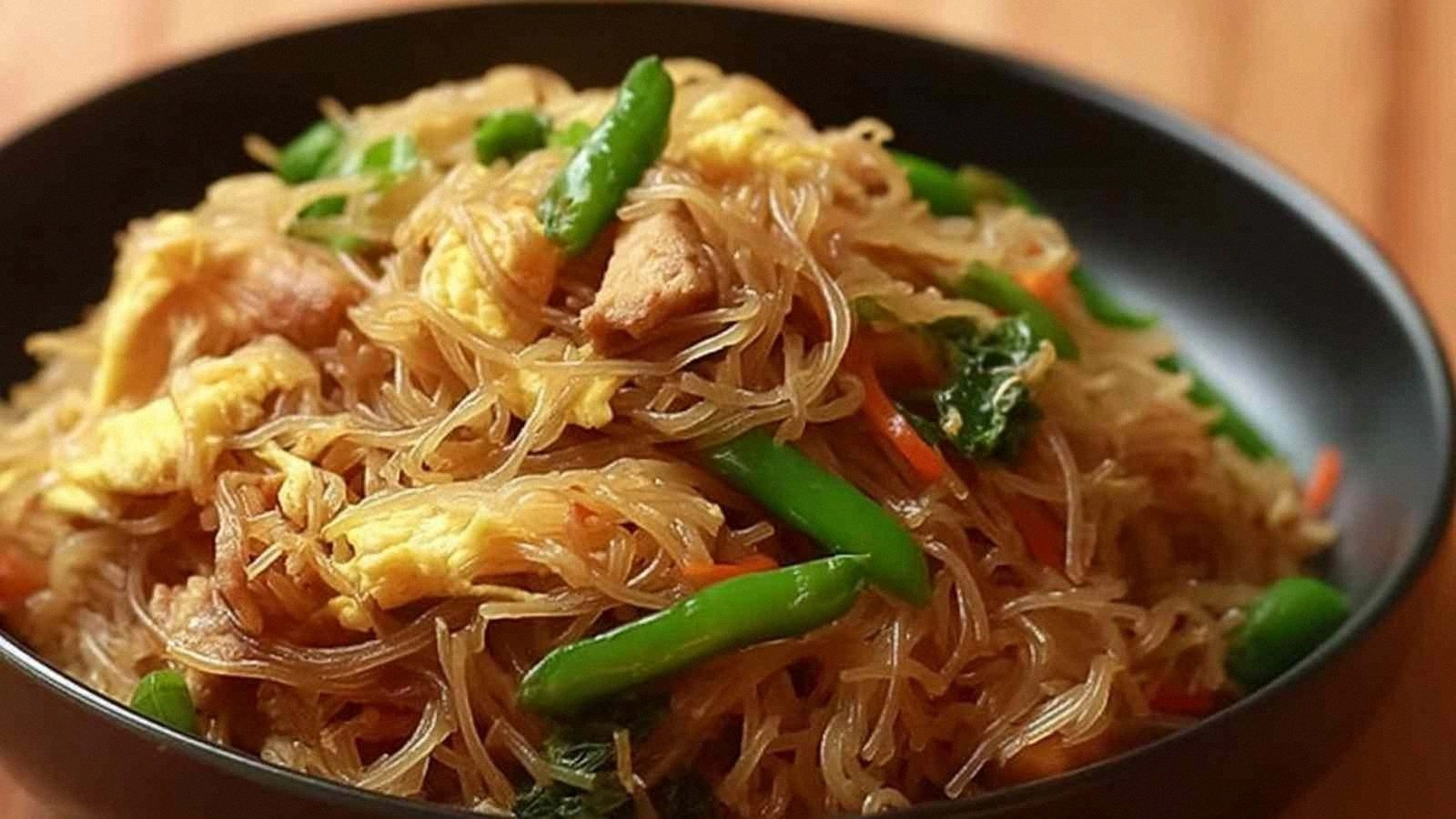
Picture this: a sizzling hot wok, the aroma of caramelized garlic and onion dancing through the kitchen, a splash of soy sauce that turns the air sweet and salty, and the rhythmic clack of a wooden spoon against the metal surface. The sound of the noodles popping as they hit the hot oil, the gentle crackle of the carrot ribbons, and the subtle hiss of the pork tenderloin searing to a perfect pink center—all of it creates a symphony that invites you to stay and taste. The colors burst from the bright green bean sprouts, the deep brown of the dried shrimp, and the glossy sheen of the oyster sauce coating every strand like a velvet cloak. The texture is a delightful contrast: silky noodles, crisp edges that shatter like thin ice, and tender pork that melts in your mouth.
What makes this version stand out is that it takes the classic fried rice noodle concept and elevates it with layers of flavor, a precise balance of umami, and a method that guarantees a result that feels both comforting and sophisticated. It’s a dish that works for a quick weekday dinner, a weekend brunch, or a crowd‑pleasing appetizer that will have guests asking for the recipe. The technique of blanching the noodles just enough to keep them al dente, the use of dried shiitake mushrooms for depth, and the finishing splash of rice wine vinegar that brightens the whole plate—these are the secrets that set this apart from every other recipe you’ve seen. I dare you to taste this and not go back for seconds; once you experience the harmony of flavors, you’ll know why this is hands down the best version you’ll ever make at home.
If you’ve ever struggled with the timing of stir‑fries or the texture of noodles, you’re not alone—and I’ve got the fix. Picture yourself pulling this out of the wok, the whole kitchen smelling incredible, and watching the noodles catch the light like polished jade. And now, ready for the game‑changer? Let me walk you through every single step—by the end, you’ll wonder how you ever made it any other way.
What Makes This Version Stand Out
- Umami: The combination of oyster sauce, dried shrimp, and shiitake mushrooms creates a depth that is impossible to replicate with fresh ingredients alone. Each bite carries a savory punch that lingers on the palate, turning simple noodles into a gourmet experience.
- Texture: The noodles are blanched to the perfect al dente, the carrots are julienned for crunch, and the bean sprouts add a satisfying snap. This contrast keeps every mouthful exciting and prevents the dish from feeling mushy.
- Speed: The entire process takes less than an hour, making it a practical choice for busy nights while still delivering restaurant‑quality flavor.
- Versatility: The recipe can be adapted for vegetarians, gluten‑free diets, or even as a protein‑rich meal with shrimp or tofu. The base remains the same, only the protein changes.
- Crowd‑pleaser: Friends who have tried this rave about the balance of sweet, salty, and umami, and they keep asking for the exact proportions. The dish is both comforting and adventurous.
- Make‑ahead Potential: You can prep the sauce and chop all the vegetables a day ahead, then simply stir‑fry when you’re ready. This flexibility makes it a reliable go‑to for entertaining.
Inside the Ingredient List
The Flavor Base
Oyster sauce and light soy sauce form the backbone of the dish, delivering a sweet, salty, and slightly briny foundation that permeates every strand of noodle. The oyster sauce coats the noodles like a glossy lacquer, while the soy sauce adds depth without overpowering the delicate flavors of the vegetables. If you skip this step, the dish will taste flat and lack the cohesive umami that ties all components together. For a lighter version, replace oyster sauce with hoisin sauce and reduce the soy sauce to a splash.
The Texture Crew
Rice noodles bring a silky chew that contrasts beautifully with the crispness of the carrots, napa cabbage, and bean sprouts. The dried shiitake mushrooms add a meaty bite that elevates the dish to a more substantial feel. The cornstarch slurry, when added at the end, gives the sauce a subtle viscosity that clings to the noodles, creating a luxurious mouthfeel. If you prefer a chewier noodle, use thicker rice noodles and blanch them for an extra 45 seconds.
The Unexpected Star
Dried shrimp might sound like an odd choice, but it infuses a briny, almost sea‑food flavor that balances the earthiness of the mushrooms and the sweetness of the carrots. The fresh cilantro adds a bright, citrusy note that cuts through the richness of the sauce, while the rice wine vinegar provides a gentle acidity that lifts the entire dish. Skipping the cilantro will result in a dish that feels slightly muted; it’s the final flourish that turns the plate into a complete sensory experience.
The Final Flourish
The Chinese five‑spice mix is the secret weapon that brings a subtle warmth and aromatic complexity, reminiscent of a warm summer evening. The ground white pepper adds a gentle heat that is far more nuanced than black pepper, keeping the dish from feeling cloying. A pinch of salt is essential to balance the sweetness of the oyster sauce and the acidity of the vinegar. If you’re watching sodium, you can use low‑sodium soy sauce and reduce the amount of oyster sauce accordingly.
Everything's prepped? Good. Let's get into the real action.
The Method — Step by Step
- Heat a wok or large skillet over high heat until it shimmers. Add 1/4 cup of vegetable oil, swirling to coat the bottom. The oil should immediately begin to smoke lightly, indicating it’s hot enough to sear the pork without sticking. This step is crucial; if the oil isn’t hot enough, the pork will release moisture and steam rather than sear, ruining the texture.
- Trim the pork tenderloin into thin strips, about 1/4 inch thick, and season with a pinch of salt and 1 tsp ground white pepper. Lay the strips in a single layer in the hot wok, letting them sear without stirring for 30 seconds. This creates a beautiful brown crust that locks in juices and adds a caramelized flavor. Flip the pork and sear the other side for another 30 seconds before removing it to a plate.
- Add the dried shiitake mushrooms to the wok, tossing them briefly so they absorb the residual oil and release their earthy aroma. Next, throw in the sliced carrots, diced onion, and minced garlic. Sauté for 2 minutes until the vegetables are just tender but still crisp, and the garlic turns golden without burning. This quick stir keeps the vegetables vibrant and adds a bright, fresh note to the dish.
- Introduce the blanched rice noodles to the wok, spreading them evenly across the surface. Let them sit undisturbed for 30 seconds to develop a slight sear, then start tossing them with the vegetables. The noodles should begin to brown on the edges, creating a subtle crunch that contrasts with their silky interior. Stir constantly to prevent sticking and to ensure even heating.
- In a small bowl, whisk together 1 tbsp oyster sauce, 1/4 cup light soy sauce, 1 tbsp dried shrimp, 1 tsp Chinese five‑spice mix, 1/4 cup rice wine vinegar, and 1 tsp cornstarch dissolved in 1 tbsp water. Pour this mixture over the noodles, then stir vigorously to coat all strands. The sauce should thicken slightly, forming a glossy glaze that clings to every noodle.
- Return the seared pork strips to the wok, tossing them into the sauce so they absorb the flavors. Add the napa cabbage leaves, bean sprouts, and a handful of fresh cilantro. Continue to stir-fry for 2 minutes until the cabbage wilts just enough to stay crisp and the cilantro releases its bright aroma. This final addition brings freshness and a burst of color that makes the dish visually stunning.
- Taste the mixture and adjust seasoning with a pinch of salt if needed. The sauce should be balanced—sweet, salty, and slightly tangy. Let everything simmer for an additional minute to meld the flavors together. This short resting period allows the noodles to soak up the sauce without becoming soggy.
- Serve immediately, garnishing with extra cilantro and a sprinkle of crushed dried shrimp if desired. The dish should be steaming hot, the noodles glossy, and the vegetables bright. A quick drizzle of sesame oil can add a subtle nutty aroma, but it’s optional. The result is a harmonious blend of textures and flavors that will leave everyone asking for seconds.
Insider Tricks for Flawless Results
The Temperature Rule Nobody Follows
High heat is the secret to a perfect stir‑fry. The wok must be hot enough to sear ingredients instantly, creating a caramelized crust that locks in flavor. I’ve seen countless kitchens fail because the heat was too low, resulting in soggy noodles. Keep the flame medium‑high and test by flicking a drop of water into the wok; it should dance and evaporate immediately. This simple test guarantees that every ingredient will cook evenly and develop the desired texture.
Why Your Nose Knows Best
The aroma of garlic, onion, and dried shrimp is a reliable indicator of how far along the dish is. When the garlic turns golden and emits a sweet, nutty scent, the onions are translucent, and the shrimp has released its briny aroma, you know the base is ready for the noodles. Trust your nose; it’s more accurate than a timer for judging the depth of flavor in a wok‑based dish.
The 5‑Minute Rest That Changes Everything
After adding the sauce, let the mixture sit for 5 minutes off the heat before serving. This resting period allows the noodles to absorb the sauce fully, resulting in a more cohesive flavor profile. The sauce thickens slightly, creating a glossy coating that enhances the visual appeal. Skipping this step often leaves the dish feeling thin and watery.
The Perfect Noodle-to‑Sauce Ratio
Too much sauce can drown the noodles, while too little leaves them dry. Aim for a ratio where the noodles are just coated, not swimming. I like to sprinkle a small amount of sauce over the noodles, then stir until the sauce is evenly distributed. This method ensures each bite has the right balance of savory and sweet.
The Freshness Check
Use fresh bean sprouts and napa cabbage for the best crunch. Old sprouts tend to be limp and can release excess moisture during cooking. If you’re in a hurry, you can blanch the sprouts for 30 seconds before adding them to the wok, which will preserve their crispness and color.
Creative Twists and Variations
This recipe is a playground. Here are some of my favorite ways to switch things up:
The Shrimp Sensation
Replace the pork tenderloin with fresh shrimp, sautéed until pink. The shrimp’s sweet flavor pairs beautifully with the oyster sauce, creating a lighter but still indulgent dish. This variation is perfect for a quick seafood dinner or when you want to keep the meal low‑fat.
The Veggie‑Only Delight
Omit the pork and add a handful of sliced mushrooms, bell peppers, and zucchini. The dish becomes a hearty vegetarian entrée that still offers the same depth of flavor thanks to the dried shrimp and five‑spice mix. Serve it over a bed of cauliflower rice for a low‑carb option.
The Thai Twist
Swap the oyster sauce for fish sauce and add a tablespoon of Thai basil. A splash of lime juice and a pinch of chili flakes give the dish a bright, zesty kick. The result is a fusion that feels both familiar and adventurous.
The Breakfast Bounty
Add a handful of scrambled eggs at the end, letting them fold into the noodles for a protein‑rich breakfast. The eggs add a velvety texture that complements the crisp vegetables. Serve with a side of pickled ginger for an extra burst of flavor.
The Gluten‑Free Upgrade
Use gluten‑free rice noodles and a low‑sodium soy sauce to keep the dish safe for gluten‑sensitive diners. The flavor profile remains the same, and the noodles still provide that satisfying chew. This version is ideal for a quick, healthy meal that won’t compromise on taste.
Storing and Bringing It Back to Life
Fridge Storage
Store leftovers in an airtight container in the refrigerator for up to 3 days. The noodles will stay firm if you keep the sauce separate until reheating. To reheat, add a splash of water or broth to the pan, then stir‑fry for 2 minutes until heated through. The sauce will steam back to its glossy consistency.
Freezer Friendly
Freeze the dish in a freezer‑safe container for up to 2 months. When ready to enjoy, thaw in the refrigerator overnight. Reheat in a skillet over medium heat, adding a teaspoon of water to loosen the sauce. The noodles may soften slightly, but the flavor remains robust.
Best Reheating Method
The optimal way to reheat fried rice noodles is in a hot wok or skillet. This method restores the crisp edges and prevents the noodles from becoming soggy. Add a small amount of oil to the pan, then stir‑fry the noodles for 2–3 minutes. A quick splash of rice wine vinegar at the end will refresh the dish and bring back the bright acidity.