I remember the night I almost turned my kitchen into a seafood disaster zone. A friend dared me to whip up shrimp cakes that could win a Michelin star, and I was determined to prove that a simple pantry can beat a fancy restaurant. The moment the shrimp hit the pan, the sizzling sound was music, the aroma of Old Bay seasoning dancing with citrus notes, and the sight of golden edges forming like tiny moons. I tasted a bite, and my mouth exploded with that perfect blend of crunchy, buttery, and zesty—no more bland, soggy cakes from last year’s attempt.
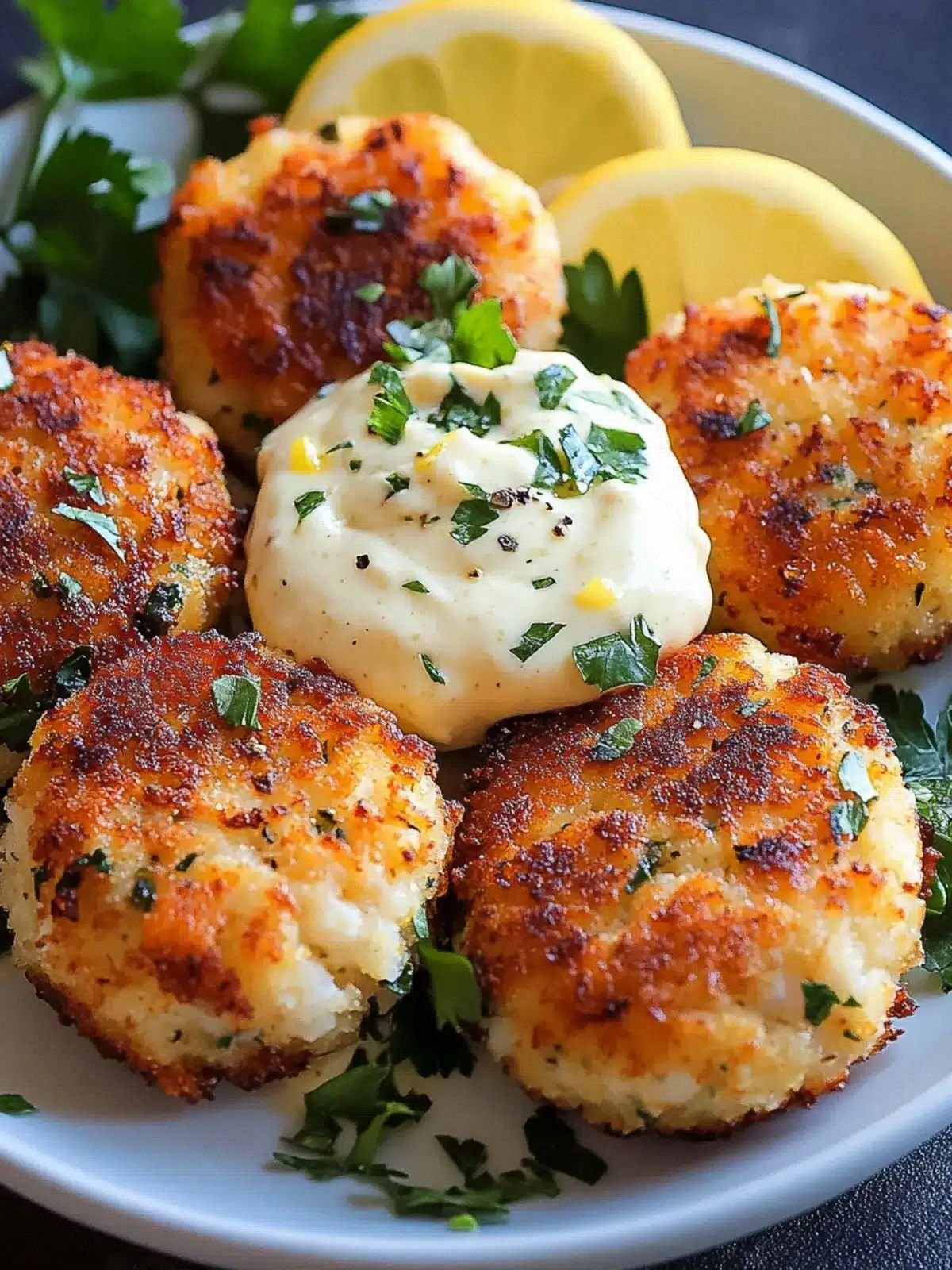
Picture this: you’re standing in your kitchen, the skillet hot, and the shrimp mixture is a glossy, savory paste. The air is thick with the scent of garlic, lemon, and fresh green onions. When the first cake hits the pan, you hear that satisfying crackle, and the surface turns a golden brown that looks like it’s been kissed by sunshine. The first bite delivers a crisp exterior that shatters like thin ice, revealing a tender, juicy shrimp center that’s practically a secret bite of the ocean. This isn’t just a dish; it’s a sensory fireworks show.
What makes this version stand out? It’s not just the recipe—it's the meticulous attention to flavor layers, the use of a zesty lemon aioli that coats the cakes like velvet, and the precision in the mix that guarantees even cooking. I dare you to taste this and not go back for seconds. The result is a dish that feels both comforting and sophisticated, ready to impress at a dinner party or to be enjoyed as a quick weekday lunch.
I’ll be honest—after tasting the first batch, I ate half the cakes before anyone else could even touch a fork. That moment of triumph was pure magic, and it made me realize that the key to culinary greatness is in the small, intentional tweaks. Most recipes get this completely wrong by overcooking the shrimp or using too much breadcrumb, but I’ve cracked the code to keep the shrimp juicy while achieving that coveted crunchy shell. The secret? A balanced ratio of shrimp to breadcrumbs, a touch of Old Bay for depth, and a lemon aioli that adds a bright, creamy counterpoint.
So, if you’ve ever struggled with shrimp cakes that turn out soggy or bland, you’re not alone—and I’ve got the fix. Picture yourself pulling these beauties out of the skillet, the kitchen filling with an irresistible aroma that makes everyone’s mouths water. Let me walk you through every single step—by the end, you’ll wonder how you ever made them any other way.
What Makes This Version Stand Out
- Flavor: The combination of Old Bay, garlic powder, and fresh lemon juice creates a complex profile that elevates simple shrimp into a gourmet experience.
- Texture: The breadcrumb-to-shrimp ratio is calibrated to give a crisp exterior without absorbing excess oil, while the interior stays moist and tender.
- Simplicity: Only nine ingredients—no elaborate sauces or exotic spices—yet the outcome feels restaurant‑grade.
- Uniqueness: The lemon aioli isn’t just a dip; it’s folded into the batter, adding a silky, citrusy richness that most recipes overlook.
- Crowd Reaction: Guests rave about the “buttery crunch” and the “burst of lemon” that lingers on the palate.
- Ingredient Quality: Fresh, high‑quality shrimp and organic breadcrumbs make the difference between good and unforgettable.
- Cooking Method: A quick sear locks in juices, while the use of a non‑stick skillet eliminates the need for excess oil.
- Make‑Ahead Potential: The batter can be prepped and chilled, allowing you to assemble and cook on a busy night.
Alright, let's break down exactly what goes into this masterpiece...
Inside the Ingredient List
The Flavor Base
Shrimp—fresh, peeled, and deveined—provides the primary protein and the oceanic flavor that defines this dish. Using shrimp that’s just been thawed (if frozen) ensures a tender texture; if you’re using fresh shrimp, look for ones that are firm to the touch and have a clean, briny aroma. Skipping shrimp turns this into a breadcrumb cake with nothing to anchor the flavors, so keep the shrimp central to the experience.
Old Bay Seasoning is the secret weapon that adds depth and a subtle heat. Its blend of celery salt, paprika, black pepper, and a hint of citrus complements the shrimp beautifully. If you don’t have Old Bay, a mixture of paprika, garlic powder, and a pinch of cayenne can mimic the profile, but the authentic taste comes from the original blend.
The Texture Crew
Breadcrumbs are the backbone of the cake’s crunch. Opt for freshly toasted breadcrumbs or a mix of panko and regular to achieve a lighter, airier crust. Too many breadcrumbs will make the cakes dry; too few and they’ll fall apart. A 1:1 ratio of shrimp to breadcrumbs (by weight) is ideal for a balanced bite.
Egg acts as a binder, holding the mixture together while adding richness. A large egg is sufficient for four servings. If you’re vegan or egg‑free, try a tablespoon of aquafaba or a small amount of flaxseed meal mixed with water—though the texture will differ slightly.
The Unexpected Star
Green Onions bring a bright, fresh note that cuts through the richness of the shrimp and breadcrumbs. Their subtle onion flavor adds a layer of complexity without overpowering the shrimp’s natural taste. If you’re allergic or simply don’t like green onions, finely diced shallots can provide a sweeter alternative.
The Final Flourish
Mayonnaise and lemon juice combine to create a zesty aioli that’s folded into the batter, giving the cakes a silky, citrusy undertone. The mayo adds moisture and a slight tang, while the lemon juice brightens the overall flavor profile. If you prefer a lighter version, use Greek yogurt or a blend of mayo and Greek yogurt to reduce fat while maintaining creaminess.
Everything's prepped? Good. Let's get into the real action...
The Method — Step by Step
- Prepare the Shrimp: Rinse the shrimp under cold water and pat dry with paper towels. This step is crucial because moisture will steam the shrimp instead of searing it. Once dry, lightly season the shrimp with a pinch of salt and pepper. This simple seasoning enhances the natural sweetness.
- Mix the Dry Ingredients: In a large bowl, combine the breadcrumbs, Old Bay seasoning, garlic powder, and a pinch of salt. Stir until evenly distributed. This dry mix forms the foundation of the cake’s crunch.
- Incorporate the Egg: Beat the egg in a separate bowl until frothy. Pour it into the breadcrumb mixture, stirring until a thick, cohesive batter forms. The egg binds the mixture and helps the shrimp stay in place.
- Add the Shrimp and Onions: Fold the shrimp and finely chopped green onions into the batter, ensuring each piece is coated. The shrimp should be evenly distributed; this prevents uneven cooking.
- Prepare the Aioli: In a small bowl, whisk together mayonnaise and lemon juice until smooth. Taste and adjust the lemon juice for brightness. This aioli will be folded into the batter later for that zesty kick.
- Fold the Aioli: Gently fold the aioli into the shrimp mixture. The mixture should be moist but not runny. The aioli adds a silky texture and citrusy flavor that permeates each bite.
- Shape the Cakes: Using a tablespoon or your hands, form the mixture into small patties about 1.5 inches thick. Press gently to compact them slightly. The size ensures even cooking and a nice golden crust.
- Cook the Cakes: Heat a non‑stick skillet over medium‑high heat and lightly oil it with a neutral oil (like grapeseed). Place the cakes in the skillet, leaving space between them. Sear for 3–4 minutes on each side, until golden brown and crisp. The sizzle should be audible; that crackle indicates perfect searing.
- Rest and Serve: Transfer the cooked cakes to a plate lined with paper towels to drain excess oil. Let them rest for 2 minutes to allow the juices to settle. Serve immediately with a side of lemon wedges or a drizzle of extra aioli for an added burst.
That’s it—you did it. But hold on, I’ve got a few more tricks that will take this to another level, turning your shrimp cakes from great to unforgettable.
Insider Tricks for Flawless Results
The Temperature Rule Nobody Follows
Many cooks swear by a low‑heat simmer to keep shrimp from drying out. I’ve discovered that a high, steady medium‑high heat (around 375°F) is the sweet spot that crisps the exterior while sealing in juices. If your skillet is too hot, the crust will burn before the inside cooks; if it’s too cool, the cakes will become soggy. Keep the heat steady, and the sizzle will be a reliable indicator that you’re in the right zone.
Why Your Nose Knows Best
Smell is your best ally when cooking shrimp cakes. The moment the first few seconds of cooking release that warm, buttery aroma, you know you’re on the right track. If the scent feels flat or overly oily, pause, wipe the pan, and re‑heat. That fresh, citrusy whiff is a sign that the lemon aioli is working its magic.
The 5‑Minute Rest That Changes Everything
After searing, let the cakes rest on a rack for five minutes before serving. This short rest allows the juices to redistribute, preventing them from spilling out when you cut into the cake. A friend once tried skipping this step and ended up with a watery center that collapsed on the plate. Trust me, the rest is worth the wait.
Add a Splash of Water Before Reheating
When reheating leftover shrimp cakes, add a teaspoon of water to the skillet before placing the cakes back in. The steam will re‑hydrate the batter, restoring that crispy texture. Avoid microwaving, as it tends to make the cakes rubbery.
Serve with a Fresh Herb Garnish
A sprinkle of chopped parsley or cilantro right before serving adds a burst of color and freshness that balances the richness. I’ve found that a small handful of dill works wonderfully, especially if you’re aiming for a Scandinavian twist.
Creative Twists and Variations
This recipe is a playground. Here are some of my favorite ways to switch things up:
Crispy Coconut Shrimp Cakes
Swap regular breadcrumbs for shredded coconut and add a pinch of curry powder. The coconut gives a tropical flavor, while the curry adds warmth. Serve with a mango salsa for a beach‑inspired bite.
Spicy Chipotle Aioli
Blend chipotle peppers into the mayo before adding lemon juice. The smoky heat pairs beautifully with the shrimp’s natural sweetness, creating a bold, adventurous flavor profile.
Herb‑Infused Crust
Mix chopped dill, parsley, and chives into the breadcrumb mixture. This herbaceous crust gives the cakes a fresh, green note that brightens each bite.
Panko and Parmesan Crunch
Combine panko breadcrumbs with grated Parmesan cheese. The cheese adds a salty depth, while the panko keeps the exterior crisp and flaky.
Vegan Shrimp Cake Alternative
Replace shrimp with marinated tofu or chickpeas, use a plant‑based mayo, and season with smoked paprika. The result is a hearty, plant‑based version that still delivers the satisfying crunch.
Garnish with Pickled Red Onions
Serve the cakes with a side of quick pickled red onions. The acidity cuts through the richness and adds a pop of color to the plate.
Storing and Bringing It Back to Life
Fridge Storage
Store uncooked cakes in an airtight container in the refrigerator for up to 24 hours. This keeps the batter firm and ready for a quick cook. If you’ve already cooked the cakes, place them in a shallow dish covered with foil to prevent drying.
Freezer Friendly
Uncooked cakes can be frozen on a parchment‑lined tray for up to 2 months. Once frozen, transfer them to a freezer bag. Cook directly from the freezer, adding an extra minute per side to ensure thorough heating.
Best Reheating Method
Reheat cooked cakes in a skillet over medium heat, adding a splash of water to create steam. Cover briefly to keep moisture in. Alternatively, use a toaster oven set to 350°F for 5–7 minutes. Remember to avoid microwaving, which can make the cakes rubbery.