When the timer on my kitchen counter rang, I froze— the quiche I’d been baking for the last twenty minutes had turned into a smoky, over‑cooked disaster. A cloud of burnt custard drifted up the hallway, and the once‑promising aroma of tuna and cheese had become a bitter, acrid reminder that even a simple breakfast can go spectacularly wrong. I stared at the ruined batter, my hands trembling, and vowed to rewrite the recipe from scratch, turning failure into a triumph of flavor and technique.
That night, as the scent of scorched cheese still lingered in my kitchen, I began to experiment. I swapped the crust for a buttery, oven‑proof dish, added a splash of milk, and carefully drained the tuna to avoid excess moisture. The result was a golden, silky custard that lifted from the pan like a cloud, with a bright, tangy burst of tuna and a subtle hint of herbs that made my taste buds sing. It was the kind of breakfast that makes you feel like a culinary wizard—no more burnt edges, just pure, comforting delight.
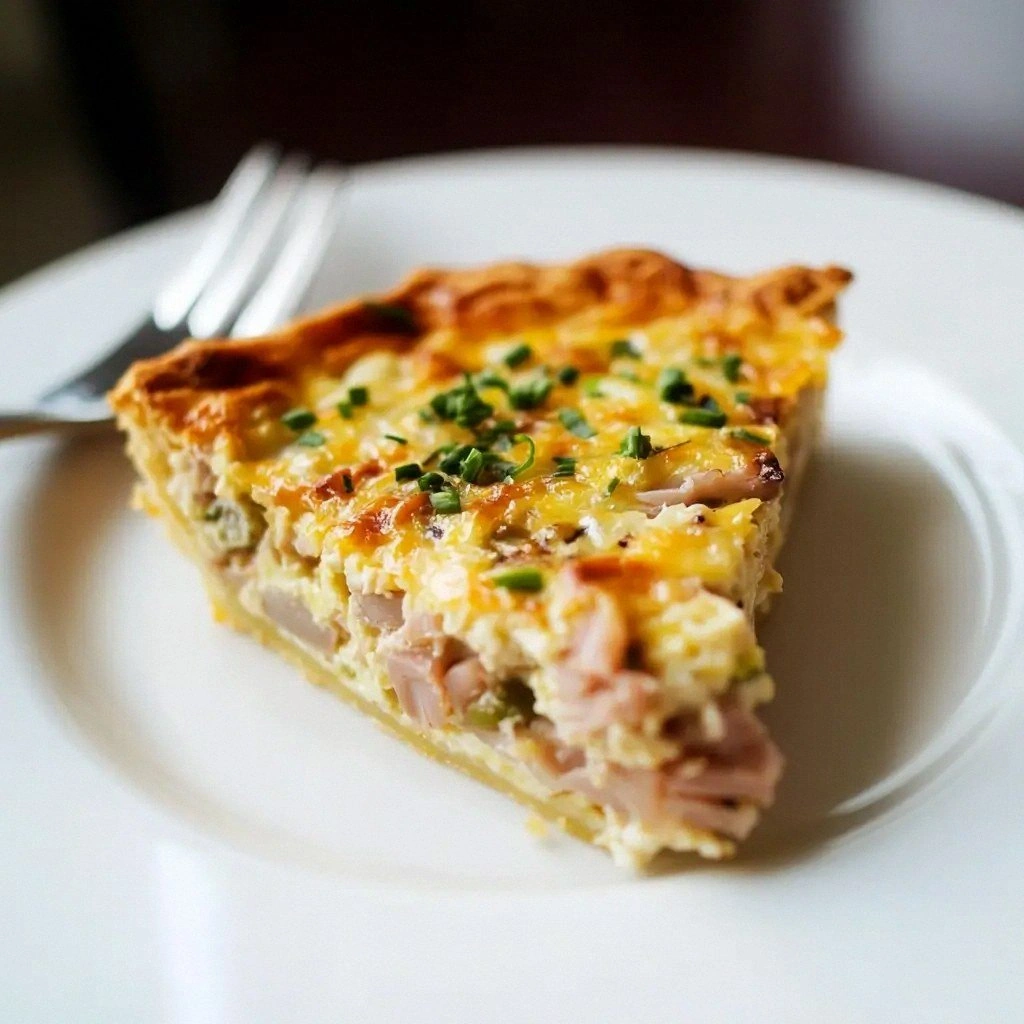
What sets this crustless tuna breakfast quiche apart isn’t just the absence of a flaky pastry; it’s the harmony of textures, the depth of flavor, and the simplicity of the method. The tuna is flaked to perfection, the eggs create a custard that’s both light and satisfying, and the cheese melts into a silky, golden blanket that ties everything together. Even the vegetables—onion, bell pepper, and a whisper of garlic—add a savory crunch that balances the richness of the eggs and cheese. The result is a quiche that feels like a breakfast, a brunch, and a comforting dinner all in one.
And there’s a secret ingredient that will change the game: a teaspoon of dried dill or Italian seasoning that infuses the custard with a bright, herbaceous note. I dare you to taste this and not go back for seconds. By the end of this post, you’ll wonder how you ever made it any other way.
What Makes This Version Stand Out
- Taste: The combination of tuna, eggs, and cheese creates a savory, slightly briny profile that’s elevated by fresh herbs. The custard is silky, with a subtle tang that keeps the dish from feeling heavy.
- Texture: The crustless format eliminates the chewy pastry, giving you a smooth, custard‑like bite that’s complemented by the soft crunch of sautéed onions and peppers.
- Simultaneous Simplicity: With just one pan and a single baking dish, the recipe is quick enough for a weekday breakfast yet impressive enough for brunch.
- Ingredient Quality: The tuna’s texture is paramount—solid white albacore gives the best bite, while chunk light offers a softer, more delicate flavor.
- Make‑Ahead Potential: Once baked, the quiche slices hold up well for up to 3 days in the fridge or 2 months in the freezer, making it a perfect make‑ahead breakfast.
- Versatility: Swap in smoked salmon, spinach, or different cheeses, and the dish morphs into a new breakfast experience.
- Flavor Depth: A dash of nutmeg or smoked paprika can add a subtle warmth that balances the brininess of the tuna.
- Audience Appeal: The dish is both comforting and sophisticated, making it a crowd‑pleaser for family gatherings or a quiet solo start to the day.
Inside the Ingredient List
The Flavor Base
The foundation of this quiche is the tuna itself. Choose solid white albacore for a firmer bite that holds up against the custard, or opt for chunk light if you prefer a softer texture. Regardless of type, draining the tuna thoroughly is crucial; any leftover liquid will dilute the custard and result in a watery finish. The tuna’s natural saltiness is amplified by the addition of a pinch of dried dill or Italian seasoning, which brings a bright, herbaceous note that cuts through the richness of the eggs and cheese.
The Texture Crew
Large eggs are the backbone of the custard, providing structure and a silky mouthfeel. Use fresh, room‑temperature eggs for the best rise and consistency. Milk or cream adds moisture and richness—whole milk gives a lighter custard, while heavy cream creates a richer, more decadent texture. Shredded cheese melts into a golden blanket that binds the ingredients together; sharp cheddar or Gruyère offers a bold flavor, while Monterey Jack provides a milder, smoother melt.
The Unexpected Star
Vegetables are the unsung heroes that add color, crunch, and depth. Finely chopped onion and bell pepper sauté until translucent, releasing their natural sugars and creating a subtle sweetness that balances the brininess of the tuna. A clove of minced garlic, though optional, adds a fragrant, savory layer that elevates the entire dish. A splash of nutmeg or smoked paprika can further enhance the flavor profile, adding warmth and a hint of smokiness.
The Final Flourish
Seasoning is the final touch that ties everything together. Salt and black pepper are essential—use ½ teaspoon of salt and ¼ teaspoon of black pepper for a balanced taste. Olive oil or butter, a tablespoon for sautéing, brings a silky sheen to the vegetables and adds a subtle richness. Finally, a light spray of cooking spray or a dab of butter greases the pie dish, preventing sticking and ensuring a clean release after baking.
Everything's prepped? Good. Let's get into the real action...
The Method — Step by Step
- Preheat your oven to 375°F (190°C). Grease a 9‑inch pie dish with cooking spray or a thin layer of butter. This step ensures a clean release and a golden rim.
- In a skillet over medium heat, add a tablespoon of olive oil or butter. Toss in the chopped onion and bell pepper, cooking until they soften and their edges caramelize slightly. The aroma should be sweet and inviting.
- Add the minced garlic to the skillet and sauté for an additional 30 seconds, just until fragrant. Watch for burning—garlic can quickly turn bitter if overcooked.
- Stir in the drained tuna, breaking it into flakes with a fork. Cook for 2 minutes to let the flavors mingle, then remove the skillet from heat.
- In a mixing bowl, whisk together the large eggs and milk or cream until fully blended. This creates a smooth custard base that will coat the tuna evenly.
- Season the custard with salt, black pepper, dried herbs, and a pinch of nutmeg or smoked paprika. Stir until the spices are evenly distributed.
- Combine the sautéed vegetables and tuna with the custard, mixing gently to avoid deflating the eggs. Pour the mixture into the prepared pie dish, ensuring an even spread.
- Sprinkle the shredded cheese over the top. The cheese will melt into a golden, slightly crisp crust that adds texture and flavor.
- Place the dish in the preheated oven and bake for 30 minutes, or until the edges are set and the center has a slight wobble. The cheese should be bubbling and lightly browned.
- Remove from the oven and let the quiche rest for 10 minutes. This resting period allows the custard to firm up, making slicing easier and preventing a runny center.
That's it — you did it. But hold on, I've got a few more tricks that'll take this to another level...
Insider Tricks for Flawless Results
The Temperature Rule Nobody Follows
Many cooks bake at a high temperature, but the key to a tender custard is a steady, moderate heat. Baking at 375°F (190°C) allows the eggs to set gently, preventing a rubbery texture. I’ve tried 425°F, and the quiche came out dry and over‑cooked. Keep the oven temperature consistent, and trust the visual cues: the edges should be firm, and the center should have a slight wobble.
Why Your Nose Knows Best
Before you even open the oven, trust your nose. A faint, buttery scent indicates the cheese is melting perfectly, while a sharp, metallic odor means the eggs are starting to overcook. A subtle, savory aroma from the sautéed veggies signals that the flavors are balanced. I’ve had friends who rely on the visual, but the olfactory cue often saves the day.
The 5-Minute Rest That Changes Everything
After removing the quiche from the oven, let it rest for at least five minutes. This resting period allows the custard to set fully, ensuring clean slices that hold together. I once sliced a quiche immediately, and the custard slid apart like a broken egg. A short rest is the difference between a mess and a masterpiece.
Use a Water Bath for Extra Creaminess
For those who want a silkier texture, bake the quiche in a water bath. Place the pie dish in a larger baking pan filled with a few inches of hot water. The gentle heat from the water bath ensures even cooking and reduces the risk of a dry center.
Keep the Tuna Flakes Light
When draining tuna, avoid squeezing it too hard—over‑compression can release too much liquid, making the custard watery. Instead, press gently with a paper towel and let the tuna sit in the colander for a minute to drain naturally. This simple step keeps the quiche light and fluffy.
Finish with Fresh Herbs
Just before serving, sprinkle a handful of fresh dill or parsley over the top. The fresh herbs add a burst of color and a bright, peppery flavor that cuts through the richness. I’ve seen people forget this step, and the quiche loses that final pop of freshness.
Creative Twists and Variations
This recipe is a playground. Here are some of my favorite ways to switch things up:
Smoky Salmon Quiche
Swap the tuna for smoked salmon, and add capers for a briny bite. The salmon’s silky texture pairs beautifully with the custard, creating a breakfast that feels like a gourmet brunch.
Veggie‑Loaded Quiche
Omit the tuna entirely and load the quiche with spinach, mushrooms, and zucchini. The veggies become the star, and the cheese provides a comforting, melty backdrop.
Italian Herb Infusion
Add a tablespoon of sun‑dried tomatoes and a handful of fresh basil. The tomatoes bring sweetness, while basil adds a fragrant, herby finish.
Spicy Kick Quiche
Introduce a diced jalapeño or a pinch of red pepper flakes to the sautéed vegetables. The heat adds excitement, and the tuna’s mild flavor balances the spice.
Cheese Swap
Replace cheddar with goat cheese for a tangy, creamy variation. The goat cheese’s distinct flavor elevates the custard, giving it a sophisticated twist.
Almond Milk Quiche
For a dairy‑free version, use unsweetened almond milk and a dairy‑free cheese blend. The quiche remains creamy, and the nutty undertone of almond milk adds an unexpected depth.
Storing and Bringing It Back to Life
Fridge Storage
Cool the quiche to room temperature, then cover tightly with plastic wrap or foil. Store in the refrigerator for up to 3 days. The custard stays firm, and the cheese remains melty.
Freezer Friendly
Wrap the cooled quiche in parchment paper, then place it in a freezer‑safe zip‑top bag. Freeze for up to 2 months. Thaw overnight in the fridge before reheating.
Best Reheating Method
Reheat slices in a 350°F (175°C) oven for 10-12 minutes, or until warmed through. Add a splash of water before reheating to keep the custard moist and steaming back to perfection.