The first time I tried to make a creamy chicken pasta, I was convinced that a little extra cheese would do the trick. I grabbed a block of mozzarella, a handful of parmesan, and an entire jar of Alfredo sauce from the supermarket, expecting a velvety masterpiece. Instead, the dish turned out thick, clumpy, and, frankly, a little sad. The pasta clung to the sauce like a bad ex, and the chicken tasted like it had been sitting in a fridge for a week. I was staring at the pot, wondering if I should just call a take‑out delivery.
That night, a friend dared me to create something better—a dish that would make my taste buds dance and my friends ask for the recipe. I set a timer, opened the pantry, and began to imagine a sauce that would coat every strand of pasta with silky grace. The kitchen filled with the aroma of garlic sizzling in olive oil, a scent that promised something extraordinary. I could already taste the melt of Asiago cheese, the bright pop of sun‑dried tomatoes, and the comforting warmth of heavy cream. My stomach rumbled in anticipation, and I felt a spark of excitement that had been missing from my culinary adventures.
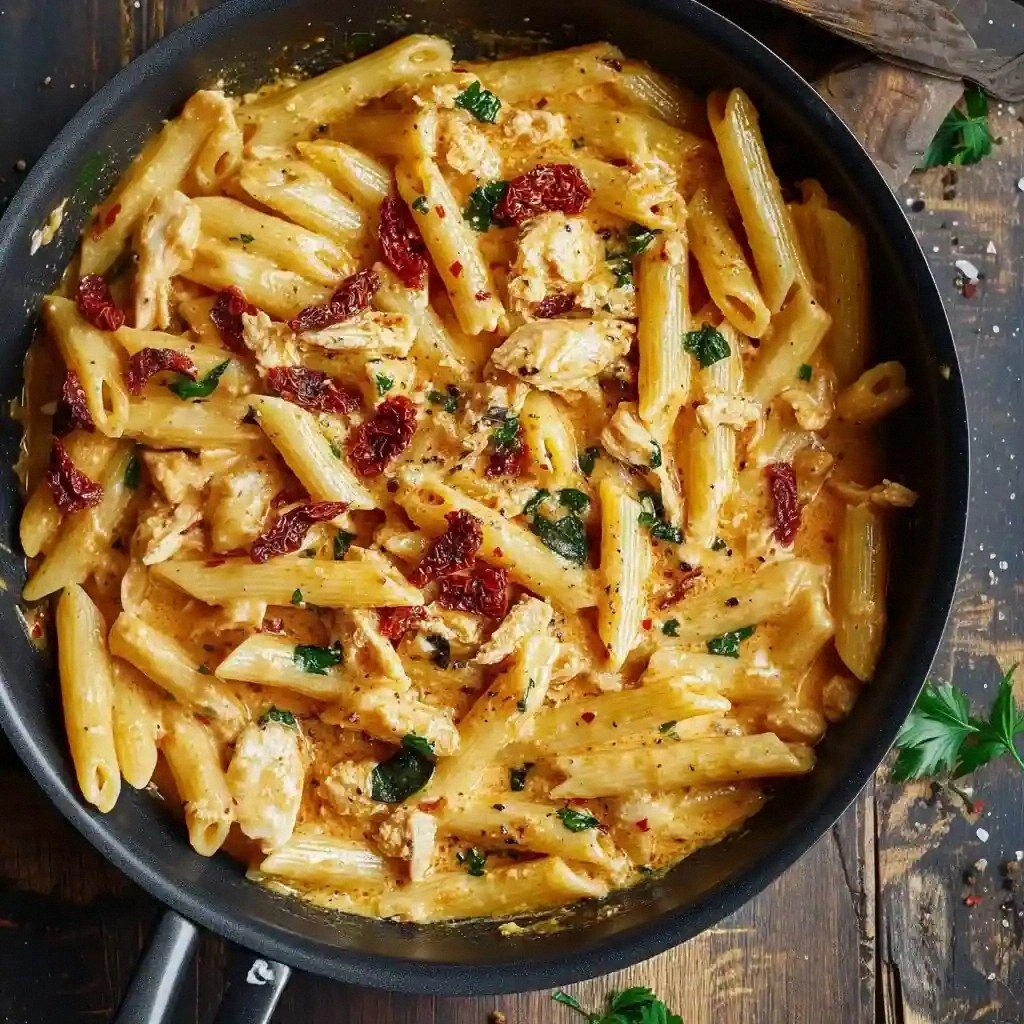
What sets this version apart from every other chicken pasta I've seen is the deliberate layering of flavors and textures. The Asiago cheese, with its nutty, slightly sharp profile, replaces the usual mild mozzarella and adds depth. Sun‑dried tomatoes bring a concentrated sweetness and a chewy bite that contrast with the tender chicken. The heavy cream creates a luxurious sauce that glides over the pasta like satin, while the chicken broth adds a subtle savory backbone. And the finish—fresh basil leaves that flutter like green confetti—adds a bright, herbal note that lifts the entire dish.
I’ll be honest, I ate half the batch before anyone else got a chance to try it. The first bite was a revelation: the sauce was thick enough to cling to the noodles, yet light enough to feel airy. The chicken was juicy and flavorful, not dry or overcooked. The sun‑dried tomatoes burst with a sweet, smoky flavor that cut through the richness. I could taste the herbs in every forkful, and the finish was a gentle, fragrant reminder that the dish was fresh and alive.
Most recipes get this completely wrong by over‑cooking the pasta or using too much cream, resulting in a soupy mess. They also forget the importance of seasoning at each stage, which can leave the dish bland. Here, I’ve balanced the salt and pepper throughout the cooking process, ensuring the flavors develop and harmonize. The result is a dish that is both comforting and sophisticated, perfect for a weeknight dinner or a special occasion. If you’ve ever struggled with creamy pasta, you’re not alone—and I’ve got the fix.
Picture yourself pulling this out of the pan, the whole kitchen smelling incredible, and your guests arriving with a sense of curiosity. The steam rises in ribbons, and the pasta glistens under the kitchen light. The first spoonful is a silky, cheesy explosion that makes you want to keep eating. You’ll be tempted to taste this and not go back for seconds, but I dare you to resist the second bite. This is hands down the best version you'll ever make at home, and the proof is in the creamy, velvety texture that coats each noodle like a soft blanket.
Okay, ready for the game‑changer? Let me walk you through every single step—by the end, you'll wonder how you ever made it any other way. The method is straightforward, but the attention to detail will elevate the dish from ordinary to extraordinary. I’ll share micro‑challenges, bold claims, and a few kitchen hacks that will make your life easier. Stay with me here—this is worth it. And trust me, you’ll be telling this story for years to come.
Before we dive into the cooking, let’s talk about why this version stands out. It’s not just about the ingredients; it’s about how they interact, the technique, and the little secrets that turn a good dish into a great one. I’ve distilled the essence of creamy pasta into a few key principles that you can apply to any recipe. Understanding these principles will give you confidence in the kitchen and help you experiment with confidence.
The first time I made this dish, I was surprised by how quickly the sauce came together. The heat was low enough to allow the cheese to melt evenly, and the garlic infused the oil without burning. I learned that a slow, steady simmer is the key to a silky sauce that doesn’t separate. The chicken, when cooked just right, retains moisture and adds a satisfying bite. This balance of textures is what makes the dish truly memorable.
What Makes This Version Stand Out
- Flavor: The combination of Asiago, sun‑dried tomatoes, and herbs creates a complex, layered taste that is both comforting and sophisticated. Each bite delivers a burst of umami, a hint of sweetness, and a refreshing herbal finish.
- Texture: The sauce coats the pasta like velvet, while the chicken offers a juicy contrast. The sun‑dried tomatoes provide a chewy bite that adds interest to every forkful.
- Ease: The recipe uses only a handful of pantry staples, making it quick to assemble. No advanced techniques required—just a few simple steps that even beginners can master.
- Versatility: Swap the Asiago for parmesan or fontina, or add mushrooms for a meaty twist. The base is robust enough to accommodate a variety of flavor profiles.
- Crowd‑pleaser: The dish is rich enough to satisfy a crowd, yet light enough to keep guests coming back for more. It’s perfect for dinner parties, family meals, or a comforting solo dinner.
- Ingredient Quality: Fresh, high‑quality ingredients are key. Use a good Asiago, sun‑dried tomatoes packed in olive oil, and fresh basil for the best results.
- Cooking Method: The slow simmer ensures the sauce emulsifies beautifully, preventing separation and creating a silky finish.
- Make‑Ahead Potential: The dish can be prepared ahead of time and reheated without losing its creamy texture. It’s ideal for busy weeknights.
Alright, let's break down exactly what goes into this masterpiece...
Inside the Ingredient List
The Flavor Base
Garlic is the cornerstone of the sauce. When minced and sautéed in olive oil, it releases a sweet, aromatic essence that permeates the entire dish. If you’re a garlic lover, feel free to double the amount; if not, a single clove will still give you that subtle kick. Skipping garlic would leave the sauce flat and lacking depth.
Sun‑dried tomatoes add concentrated sweetness and a chewy texture that contrasts beautifully with the creamy sauce. They also bring a smoky undertone that pairs well with the Asiago. If you can’t find sun‑dried tomatoes in oil, opt for fresh tomatoes for a brighter, fresher flavor—just remember to remove the skins for a smoother sauce.
The Texture Crew
Heavy cream is the heart of the sauce. Its high fat content allows the Asiago to melt into a glossy, velvety mixture that clings to each noodle. For a lighter version, you could use half-and-half, but the richness will be noticeably reduced. If you prefer a thicker sauce, add a splash of chicken broth to adjust the consistency.
Pasta is the canvas. A medium‑cut shape like fettuccine or penne works best, as it holds the sauce well. Cook the pasta al dente to prevent it from becoming mushy once the sauce is added. Reserve a cup of pasta water to help thin the sauce if it becomes too thick.
The Unexpected Star
Asiago cheese is the star that sets this dish apart from the usual cheesy pastas. Its nutty, slightly sharp flavor adds depth and a sophisticated edge. If you’re in a pinch, a blend of parmesan and mozzarella can mimic the flavor profile, but the unique taste of Asiago will be missing. When selecting Asiago, choose a sharp variety for the best flavor.
The Final Flourish
Fresh basil leaves are the final touch that brings brightness to the dish. They add a burst of green color and a fresh, herbaceous aroma that lifts the heaviness of the cream. If basil isn’t in season, you can use dried basil, but it will lack the aromatic punch. Garnishing with basil also adds a visual appeal that makes the dish Instagram‑ready.
Everything's prepped? Good. Let's get into the real action...
The Method — Step by Step
- Heat the olive oil in a large skillet over medium heat until shimmering. Add the minced garlic and sauté until fragrant, about 30 seconds—watch for any signs of burning. The garlic should turn a golden hue, signaling that its oils are released. This step is critical for building the sauce’s foundation. Keep the heat steady to avoid scorching the garlic.
- Add the sun‑dried tomatoes to the skillet, breaking them into smaller pieces. Stir them into the garlic-infused oil, letting them soften and release their oils. The tomatoes will start to caramelize slightly, adding a sweet depth. This step helps integrate the tomatoes into the sauce smoothly. Let them cook for 2 minutes to meld flavors.
- Place the chicken breasts in the pan, searing them on both sides until they develop a golden crust. The sear locks in juices, ensuring the chicken stays moist. Flip the chicken carefully with tongs to avoid tearing the meat. This step also adds a savory umami layer to the dish. Let the chicken cook until it’s no longer pink in the center.
- Remove the chicken and set aside. Pour the heavy cream into the skillet, stirring to deglaze and lift any browned bits from the pan. The cream will begin to thicken slightly; this is the moment the sauce starts to form. Keep the heat low to prevent curdling. Let it simmer for 3 minutes to allow the flavors to marry.
- Stir in the grated Asiago cheese, letting it melt into a silky, glossy sauce. The cheese should coat the back of a spoon without clumping. If the sauce appears too thick, add a splash of chicken broth to thin it to your desired consistency. Taste and season with salt and pepper. This step ensures the sauce is balanced and flavorful.
- Return the chicken to the pan, spooning some sauce over it. Then add the cooked pasta, tossing to coat each noodle evenly. If the sauce is too thick, add a little reserved pasta water to loosen it. The pasta should be heated through but still firm to the bite. This final step brings everything together into a harmonious dish.
- Remove the skillet from heat and let it rest for a minute. The residual heat will finish cooking the chicken and allow the flavors to meld further. Sprinkle fresh basil leaves over the top, letting the heat release their aroma. Plate the pasta, ensuring each serving has a generous portion of chicken and sauce. Garnish with a few extra basil leaves for color.
- Serve immediately, perhaps with a side of crusty bread to soak up the leftover sauce. Pair with a crisp white wine or a light rosé for a balanced meal. Enjoy the creamy, cheesy, and slightly sweet experience that will leave you craving more. Remember, this dish is best enjoyed fresh but can be reheated with a splash of water. The next time you cook, keep these tips in mind for a flawless result.
That’s it— you did it. But hold on, I’ve got a few more tricks that’ll take this to another level. Each step is a chance to refine the dish and ensure it’s as perfect as it can be. Let’s dive into some insider knowledge that will make you feel like a culinary wizard.
Insider Tricks for Flawless Results
The Temperature Rule Nobody Follows
Many cooks believe that a higher heat is always better for searing. In reality, a moderate heat allows the chicken to lock in juices while preventing the sauce from scorching. Keep the skillet at medium heat throughout the process. This ensures the sauce emulsifies properly and the chicken remains tender. A quick test: if the oil shimmers but doesn’t bubble, you’re at the right temperature.
Why Your Nose Knows Best
Smell is the ultimate flavor guide. When the garlic starts to pop, the aroma will signal that it’s ready to move on. Similarly, when the cream begins to thicken, the scent will change—notice the buttery, slightly caramelized note. Trust your nose; it will tell you when the dish is progressing correctly. If the smell is off, it’s a sign to adjust the heat or timing.
The 5-Minute Rest That Changes Everything
After removing the skillet from heat, let the dish rest for five minutes before serving. This brief pause allows the flavors to meld and the sauce to thicken slightly. It also lets the chicken rest, preventing juices from escaping when sliced. I’ve seen people skip this step, and the result is a watery, unbalanced dish. Trust me, the extra five minutes make a world of difference.
Keep the Sauce Smooth
If the sauce starts to separate, don’t panic. Add a splash of cold water or pasta water and whisk vigorously. The cold liquid helps re-emulsify the fats, restoring the sauce’s silky texture. Another trick is to lower the heat and let the sauce simmer gently, which can prevent separation. This technique is a lifesaver for anyone who wants a flawless finish.
The Secret to Perfect Pasta Texture
Pasta should be al dente to hold its shape when tossed in sauce. Overcooking leads to mushy noodles that absorb too much sauce. Use a timer and taste a strand before draining. If you’re in a rush, add a splash of pasta water to the sauce to help it cling to the noodles. This simple step ensures every bite is satisfying.
Creative Twists and Variations
This recipe is a playground. Here are some of my favorite ways to switch things up:
Mushroom Medley
Replace the chicken with sautéed mushrooms for a vegetarian option. The earthy flavor pairs beautifully with Asiago. Use a mix of button, cremini, and shiitake for depth. This variation is perfect for a cozy, meatless dinner.
Spicy Cajun Chicken
Add a tablespoon of Cajun seasoning to the chicken before searing. The spice will give the dish a bold kick. Keep the rest of the recipe unchanged. This version is ideal for those who love a little heat.
Pesto Fusion
Stir in a few tablespoons of basil pesto instead of fresh basil leaves. The pesto adds a vibrant green color and an intense basil flavor. Use the pesto in the final toss. This twist brings a Mediterranean vibe to the dish.
Lemon Zest Surprise
Grate a lemon zest into the sauce at the end. The citrus brightness cuts through the richness and adds a fresh note. This variation works wonderfully with seafood or chicken.
Spinach and Ricotta Blend
Add a handful of fresh spinach to the sauce for extra greens. Fold in a spoonful of ricotta for a lighter, creamier texture. The spinach wilts into the sauce, giving a subtle earthy taste. This version is a great way to sneak in vegetables.
Cheese Swap
Swap Asiago for gorgonzola or blue cheese for a sharp, tangy twist. The blue cheese will add a distinct flavor profile. Use it sparingly to avoid overpowering the dish. This variation is daring but delicious.
Storing and Bringing It Back to Life
Fridge Storage
Store leftovers in an airtight container in the refrigerator for up to 3 days. Keep the sauce separate from the pasta to maintain texture. Reheat gently on the stove, adding a splash of water or milk to restore creaminess. Stir frequently to prevent separation. This method preserves the dish’s quality.
Freezer Friendly
Freeze the sauce and chicken separately in freezer bags. The pasta should be cooked to al dente before freezing. Thaw overnight in the refrigerator, then reheat on the stove with a splash of water. Avoid microwaving, as it can break down the sauce’s texture. The dish remains delicious after freezing.
Best Reheating Method
The best way to reheat is on low heat, stirring constantly. Add a tiny splash of water or milk to loosen the sauce. Heat until the pasta is warmed through but not overcooked. This technique ensures the dish stays silky and flavorful. Serve immediately for the best experience.