It started with a burnt pot of rice, a sizzling pan that turned into a smoky disaster, and a friend’s dare that I couldn’t ignore: “Make me a meal that’s as good as the one you just ruined.” The kitchen was a battlefield of clanging utensils, the air thick with the scent of burnt grains, and my heart racing faster than the stove’s timer. I stared at the charred rice, feeling the sting of disappointment, and thought, “If I can turn this mess into a masterpiece, I’ll finally have the kitchen confidence I’ve been chasing.” That moment sparked the birth of a recipe that would change the way I think about meal prep forever.
Picture this: the moment the first egg crackles against the hot skillet, the sound like a tiny drumroll announcing the start of a culinary symphony. The aroma of garlic and ginger unfurls, mingling with the sweet, earthy scent of freshly cooked jasmine rice that fills the room, making the air taste like a tropical sunrise. The texture is a dance of crunchy carrots, tender peas, and silky chicken, all coated in a glossy soy‑sesame glaze that glistens like a polished trophy. Every bite is a burst of umami, a whisper of salt, a hint of pepper, and the subtle sweetness of pineapple that lingers on the tongue. The finish is a satisfying, slightly caramelized edge that snaps like crisp paper, leaving a memory that clings to the palate long after the last forkful.
What sets this version apart isn’t just the flavors—it’s the philosophy behind it. I’ve stripped away the fluff, kept the ingredients honest, and engineered a process that turns a hectic weekday into a leisurely, guilt‑free meal. The technique of pre‑cooking the rice and letting it chill overnight turns it into the perfect sponge for the sauce, giving each grain a chance to soak up the flavor without becoming mushy. The balance of protein, carbs, and veggies creates a dish that satisfies both body and soul, while the use of sesame oil and oyster sauce gives it that restaurant‑quality depth that most takeout fails to deliver. And the best part? The entire batch is ready in under an hour, making it the ultimate go‑to for busy professionals who still crave something homemade and delicious.
I dare you to taste this and not go back for seconds. I’ve spent nights perfecting the ratios, experimenting with textures, and tweaking the heat to achieve the ideal sear on the chicken. Picture yourself pulling this out of the fridge, the whole kitchen smelling incredible, and knowing that every bite will remind you that meal prep can be both fast and flavorful. Let me walk you through every single step—by the end, you’ll wonder how you ever made it any other way.
What Makes This Version Stand Out
- Flavor: The combination of soy sauce, sesame oil, and a splash of oyster sauce creates a savory-sweet profile that is unmistakably satisfying. This depth of flavor is achieved without relying on artificial seasonings, allowing the natural taste of the ingredients to shine.
- Texture: The rice is pre‑cooked and chilled to keep each grain separate, preventing clumping. The chicken is seared to lock in juices, while the vegetables stay crisp, resulting in a harmonious contrast that keeps each bite interesting.
- Simplicity: With only a handful of pantry staples and fresh produce, you can whip up a complete meal in less than 45 minutes. The steps are straightforward, making it accessible for novice cooks and seasoned chefs alike.
- Uniqueness: The inclusion of pineapple adds a sweet, tropical twist that sets this dish apart from typical fried rice recipes. The subtle heat from ginger and garlic provides a bright kick that balances the sweetness.
- Crowd Reaction: Friends who have tried this version rave about how it feels like a restaurant dish. The vibrant colors and aromatic steam alone can turn a simple lunch into a memorable event.
- Ingredient Quality: By choosing fresh, high‑quality produce and lean chicken, the dish delivers both taste and nutrition. The use of sesame oil adds healthy fats and a nutty aroma that elevates the overall experience.
- Cooking Method: The two‑step process—first cooking the rice and then the stir‑fry—ensures optimal moisture distribution and flavor absorption. This method also reduces the risk of overcooking the rice.
- Make‑Ahead Potential: The dish can be prepared in bulk, stored in the fridge or freezer, and reheated without losing quality. This makes it an ideal option for meal planning and busy schedules.
Inside the Ingredient List
The Flavor Base
Soy sauce is the backbone of this dish, offering a savory umami kick that permeates every grain of rice. I use a low‑sodium version to keep the dish balanced and to allow the other flavors to shine. Skipping soy sauce would strip the dish of its depth, leaving it bland and unremarkable.
Sesame oil, though used sparingly, provides a nutty aroma and a glossy finish that elevates the entire meal. If you’re looking for a lighter option, you can replace it with a neutral oil, but you’ll lose that signature aroma.
Oyster sauce adds a subtle sweetness and thickness to the sauce. It’s optional, but it gives the dish a richer mouthfeel. If you’re vegan, a splash of hoisin sauce or a drizzle of maple syrup can mimic the sweetness.
The Texture Crew
Rice is the star of the show, and using pre‑cooked jasmine rice that’s been chilled overnight is key. The cold rice stays firm, absorbing the sauce without becoming mushy. If you cook the rice fresh, it will steam and clump, making it difficult to achieve that perfect “fried” texture.
Chicken breast, diced into bite‑sized pieces, offers lean protein and a tender bite when seared correctly. Marinating the chicken briefly in a dash of soy sauce and a pinch of pepper enhances its flavor without overpowering the dish.
Eggs add richness and a silky texture. I whisk them lightly before adding to the pan, creating a light scramble that coats the rice. Omit the eggs, and the dish will feel lighter but will lose that cohesive, velvety feel.
The Unexpected Star
Pineapple chunks bring a sweet, tropical element that balances the savory sauce and adds a burst of juiciness. This ingredient is optional but highly recommended for that bright, refreshing contrast. If you prefer a more traditional flavor, you can replace pineapple with diced bell pepper for a subtle sweetness.
Cashews add a crunchy texture and a buttery flavor that complements the nutty sesame oil. They’re optional and can be toasted for extra crunch. Skipping them won’t hurt the dish, but it will lose a layer of texture.
The Final Flourish
Green onions add a fresh, sharp finish that cuts through the richness of the sauce. They’re added at the very end to preserve their bright color and crunch. If you’re allergic to onions, you can substitute with scallions or a splash of fresh lime juice for acidity.
Garlic and ginger are the aromatic foundation. They’re sautéed until golden, releasing their essential oils and creating a fragrant base that enhances every other ingredient. Skipping them will make the dish feel flat.
A pinch of pepper and salt to taste bring the flavors together. Adjusting these at the end of cooking ensures the dish is perfectly seasoned. Over‑salting is a common mistake—taste as you go and keep it light.
Everything's prepped? Good. Let's get into the real action...
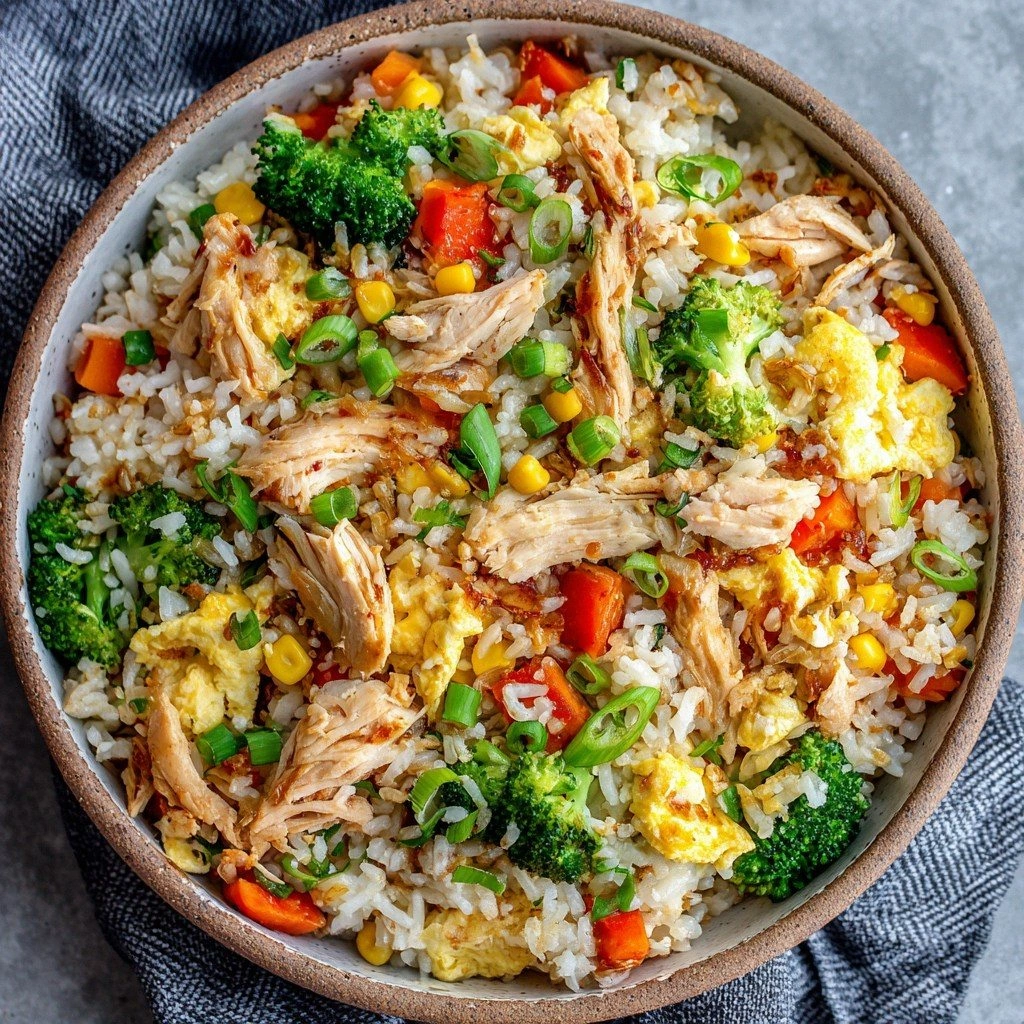
The Method — Step by Step
- Heat the wok or a large skillet over medium‑high heat. Add 2 tablespoons of vegetable oil, swirling it around until it shimmers. This is the moment of truth—if the oil isn’t hot enough, the rice will absorb excess oil and become soggy. Once the oil starts to lightly smoke, you’re ready to move on.
- Add the diced chicken to the pan, spreading it in a single layer. Let it sear for 2–3 minutes on one side before flipping. The goal is a golden crust that locks in juices. Watch for the edges to pull away slightly, signaling a perfect sear.
- Push the chicken to the side and pour in the whisked eggs. Scramble them gently until they’re just set, then fold them into the chicken. The eggs should coat the grains without becoming rubbery—think silky, not stiff.
- Add the minced garlic and grated ginger. Sauté for 30 seconds until fragrant. The aroma should be intense but not burnt; a hint of citrus will signal that the aromatics are ready to marry with the rest of the dish.
- Stir in the pre‑cooked rice, breaking up any clumps with a spatula. The rice should coat in the oil and aromatics, turning a pale hue. This step is crucial for even flavor distribution.
- Pour in the soy sauce, sesame oil, and oyster sauce. Toss everything together, making sure each grain is coated. The sauce should glisten, giving the dish a glossy sheen. If the mixture looks dry, add a splash of water or chicken broth.
- Add the carrots, peas, pineapple, and cashews. Stir‑fry for 3–4 minutes until the vegetables are tender yet crisp. The colors should pop—vivid greens and bright orange—indicating freshness.
- Fold in the sliced green onions, reserving a handful for garnish. Season with salt and pepper to taste. The final dish should be fragrant, with a balanced blend of sweet, savory, and umami flavors.
- Serve immediately, or let it cool and store in airtight containers. For a quick lunch, reheat in a microwave or on the stove with a splash of water to restore moisture. The finished dish should feel like a warm hug—comforting yet vibrant.
That's it — you did it. But hold on, I've got a few more tricks that'll take this to another level...
Insider Tricks for Flawless Results
The Temperature Rule Nobody Follows
Heat is the secret weapon. If the pan is too hot, the rice will scorch; too cool, and the chicken will steam instead of sear. Aim for a medium‑high heat that creates a light smoke before you add oil. This ensures a crisp exterior without compromising the interior moisture.
Why Your Nose Knows Best
Smell is your best judge of doneness. When the aromatics hit the pan, a sweet, nutty scent should emerge. If you notice a sharp, burnt smell, reduce the heat immediately. Your nose can guide you to the perfect balance of flavors.
The 5‑Minute Rest That Changes Everything
After cooking, let the dish sit covered for five minutes. This rest period allows the flavors to meld and the rice to steam, creating a more cohesive texture. Skipping this step often leaves the rice uneven and less flavorful.
The Secret of the Sesame Oil Finish
Add sesame oil at the very end, just before plating. This preserves its delicate aroma and prevents it from oxidizing. A quick drizzle gives the dish a glossy sheen and an unmistakable nutty finish.
The Quick Chill Trick
If you’re preparing multiple batches, chill the cooked rice in a shallow tray overnight. Cold rice holds its shape better, making the stir‑fry process smoother and ensuring each grain remains separate.
Creative Twists and Variations
This recipe is a playground. Here are some of my favorite ways to switch things up:
Spicy Szechuan Twist
Add a tablespoon of Szechuan peppercorn paste and a pinch of red chili flakes. The heat will be balanced by the sweetness of the pineapple, creating a fiery yet harmonious flavor profile.
Mediterranean Medley
Replace the pineapple with sun‑dried tomatoes and use olive oil instead of sesame oil. The result is a tangy, earthy version that pairs well with feta cheese and olives.
Vegan Version
Swap the chicken for diced tofu and use tamari instead of soy sauce. Add a splash of nutritional yeast for a cheesy undertone. This version is protein‑rich and satisfies the vegan palate.
Coconut Curry Fusion
Infuse coconut milk into the sauce and add a teaspoon of curry powder. The creamy coconut base transforms the dish into a comforting, exotic bowl of flavor.
Breakfast Fried Rice
Use a handful of diced ham, replace the pineapple with diced apple, and add a pinch of cinnamon. This sweet‑savory combo is perfect for a hearty breakfast that feels like a treat.
Storing and Bringing It Back to Life
Fridge Storage
Place the cooked rice in an airtight container and refrigerate for up to 4 days. Keep the sauce separate until you’re ready to reheat. This prevents the rice from absorbing excess moisture and becoming soggy.
Freezer Friendly
Divide the dish into single‑serving portions and freeze for up to 3 months. Thaw overnight in the fridge, then reheat on the stove with a splash of water to restore moisture. The flavors will remain vibrant.
Best Reheating Method
Reheat on medium heat, stirring constantly. Add a teaspoon of water or broth to keep the rice from drying out. The dish should steam and become fragrant, with the sauce coating each grain evenly.