I remember the night I tried to make a quick breakfast and ended up with a kitchen that looked like a flour bomb exploded. The oven was preheated, the buttermilk was in the fridge, and I was about to drop a handful of dough onto a sheet pan, when the butter cubes I’d tossed in the bowl melted into a greasy pool. The result? Flat, soggy crumbs that barely rose. I laughed at myself, but that laugh was the spark that led me to experiment until I found the perfect balance of leavening, fat, and acidity that turns a disaster into a buttery masterpiece.
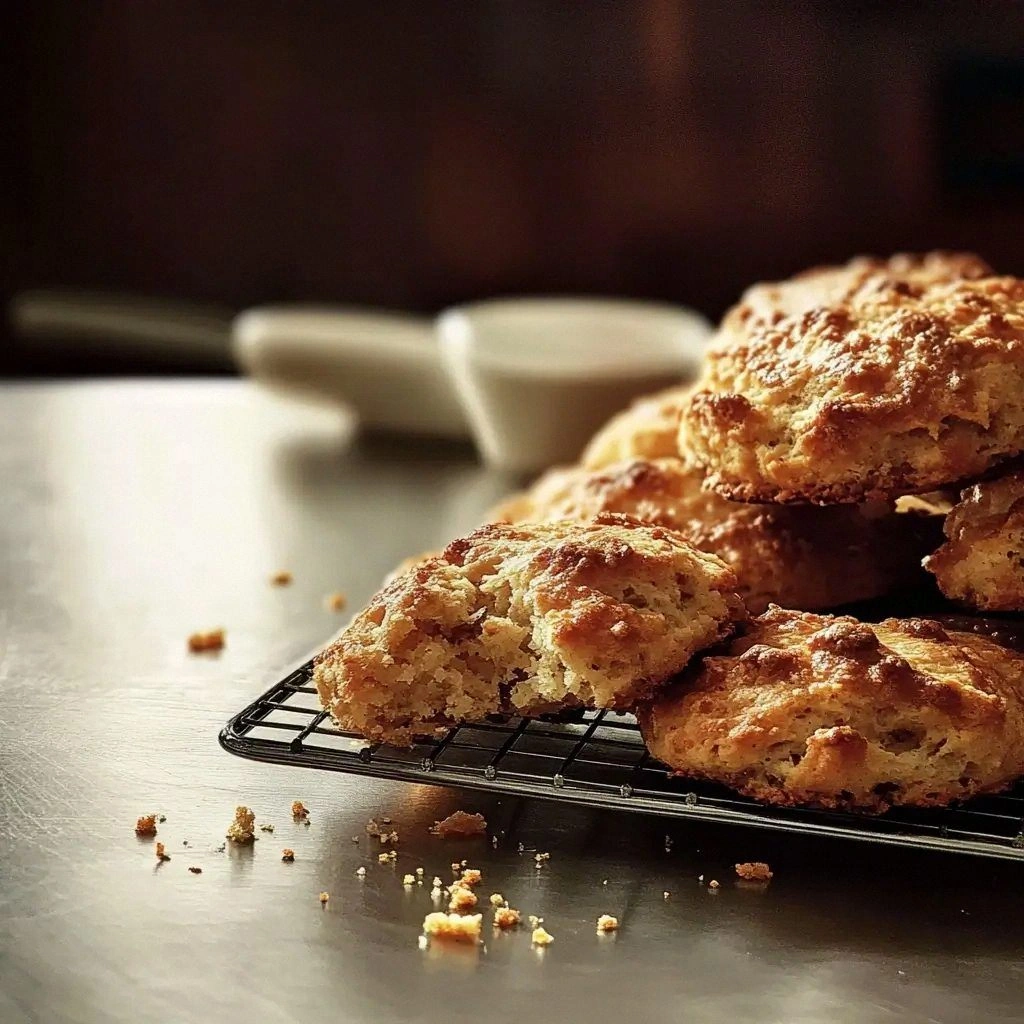
Picture the smell of fresh buttermilk mingling with the sweet aroma of butter as it melts in the pan. The sound of the dough slapping onto the baking sheet, the crackle that follows as the edges start to lift, and the sight of golden, puffy biscuits rising like a sunrise over the kitchen counter. When you take the first bite, the crumb feels airy, the butter melts into a silky coating, and a subtle tang from the buttermilk lingers on the palate. The texture is a delicate dance between crisp edges and a tender interior that almost melts in your mouth. It’s a sensory experience that feels like a warm hug on a rainy day.
What makes this version stand out is that it’s not just another drop biscuit recipe; it’s a carefully calibrated symphony of ingredients and technique that brings out the best in each component. The key is the precise ratio of leavening agents, the use of cold butter that creates steam pockets, and the inclusion of a touch of sugar that caramelizes the crust. I dare you to taste these biscuits and not go back for seconds – the buttery finish will have you begging for more. This is hands down the best version you’ll ever make at home, and I’m about to show you why.
The secret twist? A splash of buttermilk that’s been allowed to sit in the fridge overnight, which gives the biscuits a deeper flavor profile and a tender crumb that’s almost impossible to replicate with fresh buttermilk alone. Picture yourself pulling a tray of warm biscuits from the oven, the whole kitchen smelling incredible, and the first bite revealing a buttery, slightly sweet, and tangy flavor that melts instantly. Stay with me here – this is worth it.
What Makes This Version Stand Out
- Taste: The biscuits have a buttery richness that is balanced by a subtle sweet‑salty harmony, thanks to the precise amount of sugar and salt. The buttermilk’s acidity lifts the flavor, giving each bite a bright, fresh finish.
- Texture: The use of cold butter creates steam pockets that make the biscuits airy inside while the edges crisp up to a golden brown. This contrast is what sets them apart from flat, dense drop biscuits.
- Leavening: A blend of baking powder and baking soda ensures a quick rise and a stable crumb. The ratio is calibrated to avoid over‑browning while still delivering a fluffy interior.
- Ingredient Quality: Fresh, high‑quality butter and buttermilk are non‑negotiable. They provide the flavor depth and moisture that the dough needs to rise and stay tender.
- Make‑Ahead Potential: The dough can be dropped onto a sheet and frozen before baking, allowing you to have fresh biscuits on demand. This flexibility is a game‑changer for busy mornings.
- Audience Reaction: Friends and family who’ve tasted these biscuits swear that they’re “the best biscuits I’ve ever had.” The crowd reaction is a testament to the recipe’s perfection.
- Ease of Preparation: The method requires only a few simple steps and minimal equipment. Even a novice cook can achieve professional results.
- Versatility: The basic biscuit can be adapted with herbs, cheese, or spices, making it suitable for savory or sweet variations.
Inside the Ingredient List
The Flour Crew
All‑purpose flour is the backbone of these biscuits. It provides the structure that holds the leavening gases while keeping the crumb tender. If you’re looking for a lighter texture, you can replace up to half the flour with cake flour, but be careful not to add too much, or the biscuits will fall apart. For a gluten‑free version, swap the flour for a 1:1 blend of rice flour and potato starch, but note that the texture will be slightly denser.
The Leavening Duo
Baking powder and baking soda work together to create the lift that turns a flat drop into a fluffy biscuit. The baking soda reacts with the buttermilk’s acidity, while the baking powder provides a secondary lift. If you’re using a low‑acidity dairy product, increase the baking soda by a pinch to compensate. Skipping either leavening agent will result in dense, flat biscuits.
The Fat Factor
Cold unsalted butter is the secret weapon that creates steam pockets. The butter cubes should be no larger than 1/4 inch to ensure even melting. For a richer flavor, you can substitute half the butter with clarified butter, but this will reduce the crispness of the crust. The optional melted butter brushed on top after baking adds a glossy finish and an extra layer of buttery flavor.
The Buttermilk Kiss
Buttermilk not only adds a tangy depth but also reacts with the baking soda to produce carbon dioxide, which leavens the dough. If you don’t have buttermilk, you can make a quick substitute by adding 1 tablespoon of lemon juice or white vinegar to a cup of milk and letting it sit for 5 minutes. The acidity in the buttermilk is what gives the biscuits their signature tender crumb and subtle tang. A splash of buttermilk also keeps the dough from drying out, ensuring a moist interior.
Everything’s prepped? Good. Let’s get into the real action.
The Method — Step by Step
- Preheat your oven to 425°F (220°C). Line a rimmed baking sheet with parchment paper or a silicone mat so the biscuits won’t stick. A hot oven is essential to get that quick rise and golden crust.
- In a large mixing bowl, whisk together 2 cups all‑purpose flour, 2 teaspoons baking powder, ½ teaspoon baking soda, 1 teaspoon salt, and 1 tablespoon sugar. The sugar isn’t just for sweetness; it helps the biscuits brown evenly. Keep the dry mixture in the bowl while you work on the butter.
- Add ½ cup cold unsalted butter, cut into 1/4‑inch cubes, to the dry mix. Using a pastry cutter or your fingertips, cut the butter into the flour until the mixture resembles coarse crumbs with pea‑size bits of butter still visible. This step is crucial for that flaky, airy texture.
- Pour 1 cup of chilled buttermilk into the bowl and stir gently with a wooden spoon until the dough just comes together. The dough will be slightly sticky; that’s normal. Avoid overmixing, or the biscuits will become tough.
- Drop rounded tablespoons of dough onto the prepared baking sheet, spacing them about 2 inches apart. The dough will spread slightly as it bakes, but the spacing keeps the biscuits from merging into one another.
- Bake for 12–14 minutes, or until the biscuits are golden brown on top and a toothpick inserted into the center comes out clean. The scent of butter and baked flour should fill your kitchen, making you hungry even before you taste them.
- Let the biscuits rest on the sheet for 5 minutes before transferring them to a wire rack. This rest period allows the steam to escape, preventing a soggy bottom. Serve warm, and watch the butter melt into a silky glaze that coats every crumb.
That’s it — you did it. But hold on, I’ve got a few more tricks that’ll take this to another level, and you’ll wonder why you ever tried anything else.
Insider Tricks for Flawless Results
The Temperature Rule Nobody Follows
Many bakers set their ovens to a flat 400°F, but that’s half the story. The secret is to preheat the oven to 425°F and keep the temperature steady. A hot oven ensures the biscuits rise quickly, forming a golden crust before the interior sets. If your oven runs hot, lower the temperature by 10–15°F to avoid over‑browning.
Why Your Nose Knows Best
You’ll know the biscuits are ready when the scent of butter and baked flour wafts through the air like a warm hug. The aroma is a reliable indicator that the biscuits have reached the perfect golden hue and are not yet overbaked. Trust your nose; it’s a seasoned judge of baking perfection.
The 5‑Minute Rest That Changes Everything
After baking, let the biscuits sit on the sheet for exactly five minutes before moving them to a rack. This rest period allows the steam inside to redistribute, giving the biscuits a light, airy center. Skipping this step can result in a dense, soggy bottom that defeats the whole point.
The Butter‑Cutting Technique
When cutting the butter into the flour, aim for pea‑size pieces. If the butter is too large, it will melt too quickly, producing a greasy dough. If it’s too small, the biscuits won’t rise properly. The right size ensures even steam pockets that lift the biscuits into fluffy clouds.
The Secret to a Crispy Top
A quick brush of melted butter on the biscuits just after they come out of the oven seals the edges and adds a glossy sheen. This simple step transforms ordinary biscuits into a buttery, glossy masterpiece that’s impossible to resist.
Creative Twists and Variations
This recipe is a playground. Here are some of my favorite ways to switch things up:
Cheesy Bliss
Fold in ½ cup of shredded sharp cheddar into the dough before baking. The cheese melts into pockets of gooey, salty delight, turning the biscuits into a savory snack that pairs perfectly with tomato soup or a crisp salad.
Herb‑Infused Delight
Add 2 teaspoons of dried rosemary or thyme to the dry mix. The herbs infuse the biscuits with a fragrant, earthy aroma that complements a hearty breakfast or a light lunch.
Sweet Cinnamon Swirl
Stir 1 tablespoon of ground cinnamon and 2 tablespoons of brown sugar into the dough. The biscuits develop a warm, spiced flavor that’s reminiscent of a cozy autumn morning.
Chocolate Chip Surprise
Fold in ½ cup of chocolate chips into the dough. The chips melt slightly, creating pockets of chocolate that turn each biscuit into a mini dessert treat.
Lemon‑Zest Zing
Grate the zest of one lemon into the dough. The citrus brightens the flavor profile, making the biscuits a refreshing accompaniment to a sunny brunch.
Spicy Jalapeño Kick
Add 1 finely diced jalapeño and 1 teaspoon of smoked paprika to the dough. The subtle heat pairs wonderfully with a cool yogurt dip or a creamy salsa.
Storing and Bringing It Back to Life
Fridge Storage
Store leftover biscuits in an airtight container at room temperature for up to 3 days. The airtight seal preserves moisture, preventing the biscuits from drying out. If you’re in a hurry, a quick microwave reheat for 15–20 seconds will revive the buttery softness.
Freezer Friendly
Place biscuits on a parchment‑lined tray and freeze until solid. Then transfer them to a freezer bag or container. They’ll keep for up to 2 months. To bake, simply pop them from the freezer and bake at 425°F for 12–15 minutes. No need to thaw.
Best Reheating Method
The secret to a perfectly reheated biscuit is to add a splash of water to a pan and cover it with a lid. The steam keeps the biscuits moist while the pan re‑crisps the bottom. A few minutes on medium heat will bring them back to their original fluffy glory.