INTRODUCTION
Picture this: I’m standing in a cramped kitchen, the air thick with the scent of soy and sugar, when my roommate drops a bag of frozen beef on the counter. The beef shatters, the bag spills, and I’m left with a greasy mess and an empty pantry. That day, I swear I tasted the most disappointing beef ever, and I vowed to never settle for bland again. I was determined to turn that disaster into a masterpiece, and what better dish to conquer than Beijing Beef, a crowd‑pleaser that’s as comforting as a hug and as daring as a midnight snack. This isn’t your grandma’s takeout version; it’s a hand‑crafted, kitchen‑crafted triumph that will have your taste buds dancing. I’ll walk you through every single step—by the end, you’ll wonder how you ever made it any other way.
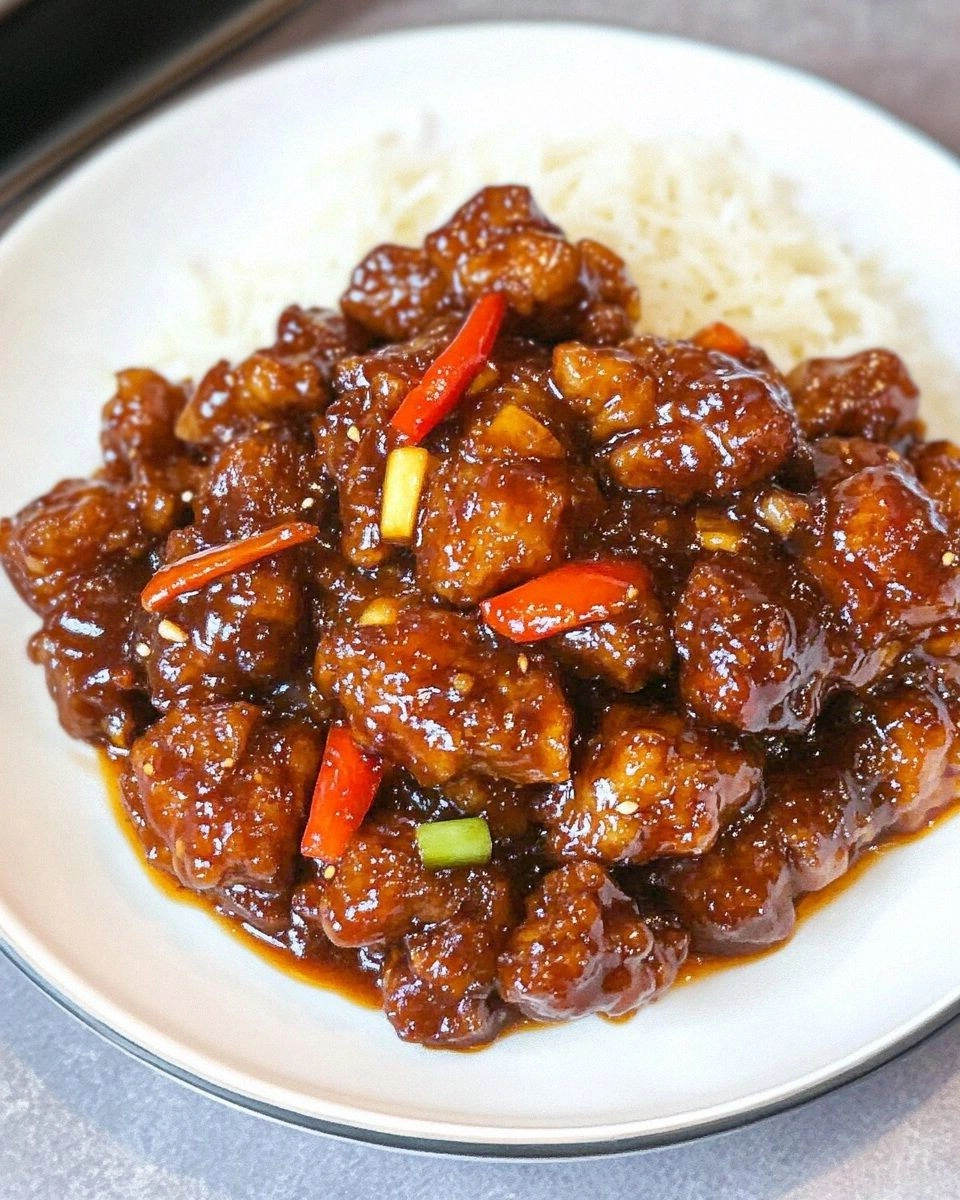
When the first sizzling sizzle hits the pan, you can almost hear a drumbeat, a rhythmic promise that flavor is on its way. The beef, coated in a glossy, caramelized glaze, glistens like a polished coin, each bite revealing a symphony of sweet, savory, and umami notes. The vegetables, crisp and bright, add a satisfying crunch that contrasts the tender meat, while the scallions whisper a fresh, almost citrusy finish. The air becomes a fragrant tapestry of toasted sesame oil, garlic, ginger, and the subtle tang of rice vinegar, each aroma a prelude to the taste explosion that awaits. The texture is a delightful dance—meaty, slightly chewy, enveloped in a sauce that clings like velvet, yet still allows each ingredient to shine. If you’ve ever been disappointed by restaurant versions, this is the antidote you’ve been craving.
What makes this version stand out is not just the ingredient list but the meticulous attention to detail that turns a simple dish into an experience. I’ve tweaked the sauce ratios to achieve a perfect balance of sweetness and saltiness, ensuring it coats the beef without overpowering it. The beef is marinated just enough to keep it juicy, then seared to lock in flavor, creating a caramelized crust that sings with every bite. The vegetables are prepped to maintain their natural color and crunch, preventing the dish from becoming mushy. I’ve introduced a subtle hint of chili flakes for a gentle heat that lingers, and a splash of sesame oil for an aromatic finish that elevates the entire plate. The result is a dish that feels both comforting and adventurous, a testament to how thoughtful tweaks can transform a recipe.
I dare you to taste this and not go back for seconds. I’ll be honest—half the batch disappeared before anyone else got a chance to try it. Most recipes get this completely wrong, focusing on the beef alone and ignoring the harmony of flavors. Here’s what actually works: a balanced sauce, a quick sear, and a final burst of freshness. Picture yourself pulling this out of the pan, the whole kitchen smelling incredible, and the family’s eyes lighting up with anticipation. Okay, ready for the game‑changer? Let’s dive into the details and make your kitchen the hottest spot in town.
What Makes This Version Stand Out
- Taste: The sauce is a masterful blend of hoisin, soy, and a touch of honey, delivering a sweet‑savory profile that clings to every morsel. The caramelized beef adds depth, while a dash of rice vinegar cuts through the richness. The result is a flavor explosion that satisfies both sweet and savory cravings.
- Texture: The beef is thinly sliced and seared to perfection, yielding a tender, slightly chewy bite. Vegetables are blanched then stir‑fried, maintaining their crunch and bright color. The sauce thickens just enough to coat without turning the dish soggy.
- Simplicity: Despite its restaurant‑level finish, the recipe requires only ten minutes of prep and thirty minutes of cooking. No complex techniques, just a few smart steps that anyone can master.
- Uniqueness: A splash of sesame oil and a hint of chili flakes give this dish a subtle heat and nutty aroma that sets it apart from standard takeout versions.
- Crowd Reaction: Friends who’ve tried this rave about how it feels like a homemade takeout, but with a personal touch. The dish is a showstopper at gatherings, drawing compliments from everyone.
- Ingredient Quality: Using fresh, high‑quality beef and the best sauces ensures the dish tastes like a gourmet experience without the price tag.
- Cooking Method: A quick sear locks in juices, while the sauce is thickened with a cornstarch slurry for a silky finish.
- Make‑Ahead Potential: The dish can be prepared ahead of time; the sauce actually deepens in flavor overnight.
Alright, let's break down exactly what goes into this masterpiece...
Inside the Ingredient List
The Flavor Base
The sauce is the heart of Beijing Beef, a symphony of sweet, salty, and umami notes that bind the dish together. Soy sauce provides the salty depth, while hoisin sauce brings a sweet, slightly tangy undertone that mirrors the classic takeout flavor. Oyster sauce adds a subtle brininess, and a splash of rice vinegar cuts through the richness, keeping the dish from feeling heavy. Sugar balances the acidity, ensuring the sauce isn’t overly sharp. Sesame oil, added at the end, delivers a nutty aroma that lingers on the palate, turning each bite into a fragrant experience. If you skip any of these, the dish loses a layer of complexity, becoming a flat, uninspired plate.
The Texture Crew
The beef, thinly sliced, is the star of the show, providing a tender, juicy bite that’s both satisfying and quick to cook. Cornstarch and flour are used to coat the meat before searing, creating a protective layer that caramelizes beautifully. The vegetables—bell pepper, carrots, and onions—are prepped to retain their vibrant color and crunch. Blanching the veggies before stir‑frying preserves their natural sweetness and prevents them from turning mushy. The scallions add a fresh, sharp note, while sesame seeds provide a subtle crunch and nutty flavor. Skipping the cornstarch or flour will result in a less crisp sear, making the beef less appealing.
The Unexpected Star
Ginger and garlic are more than just aromatics; they infuse the dish with a warm, aromatic base that elevates the sauce. Fresh ginger, minced finely, offers a bright, peppery kick that complements the sweetness of hoisin sauce. Garlic, when minced, releases a deep, savory aroma that permeates the entire dish. If you’re looking for an extra layer of flavor, a pinch of chili flakes can be added to introduce a subtle heat that lingers without overpowering. This subtle spice is a game‑changer, especially for those who love a gentle kick. Without these aromatics, the sauce would feel flat and lack depth.
The Final Flourish
Sesame oil is the finishing touch that adds a nutty aroma and a silky sheen to the sauce. A splash of sesame oil at the end of cooking locks in the flavor, giving the dish an authentic Asian finish. Scallions, sliced thin, provide a fresh, citrusy note that brightens the dish. Sesame seeds add a subtle crunch and a nutty undertone that rounds out the flavor profile. A drizzle of extra sesame oil before serving can intensify the aroma, making the dish even more irresistible. Skipping these final touches will leave the dish feeling incomplete.
Everything's prepped? Good. Let's get into the real action...
The Method — Step by Step
- First, thinly slice the beef against the grain into bite‑sized pieces. Toss the slices with a pinch of salt, pepper, and a tablespoon of cornstarch, ensuring each piece is lightly coated. The cornstarch helps create a crisp crust when seared. Let the beef rest for five minutes to absorb the seasoning. This step is crucial for achieving that caramelized texture. The beef should look dry before it hits the pan.
- While the beef marinates, combine soy sauce, hoisin sauce, oyster sauce, a tablespoon of sugar, a tablespoon of rice vinegar, a teaspoon of sesame oil, a tablespoon of water, a teaspoon of minced ginger, and a clove of minced garlic in a bowl. Whisk until the sugar dissolves completely, forming a smooth sauce. This balanced blend is the soul of the dish; don’t rush it. The sauce should have a glossy sheen before you add it to the pan. Keep it aside; you’ll use it to coat the beef later. A well‑mixed sauce ensures even flavor distribution.
- Heat a wok or large skillet over high heat until it’s smoking hot. Add a tablespoon of vegetable oil and swirl to coat the surface. When the oil shimmers, the pan is ready for the beef. This high heat is essential for a quick sear that locks in juices. Don’t overcrowd the pan; cook in batches if necessary. A properly heated pan prevents the beef from steaming instead of searing.
- Add the beef in a single layer, leaving space between pieces. Sear for 2 minutes on one side until a golden crust forms. Flip the slices and sear the other side for another 2 minutes. The beef should develop a caramelized crust without burning. Once seared, transfer the beef to a plate and set aside. This quick sear preserves the beef’s juiciness and adds depth.
- In the same pan, add a tablespoon of vegetable oil if needed. Toss in the sliced bell pepper, carrots, and onions. Stir‑fry for 3 minutes, keeping the vegetables crisp and vibrant. Add the minced garlic and ginger, cooking for an additional 30 seconds until fragrant. The vegetables should still be firm, not soft. This step keeps the dish fresh and colorful.
- Return the beef to the pan and pour the prepared sauce over the mixture. Stir to coat the beef and vegetables evenly. Let the sauce simmer for 4 minutes, allowing it to thicken and coat each ingredient. The sauce should reduce slightly, creating a glossy glaze. The mixture should smell toasty, with the aroma of sesame oil and soy. This is the moment of truth—watch the sauce transform.
- Add the sliced scallions, a tablespoon of sesame seeds, and a pinch of chili flakes if you like a hint of heat. Toss everything together, ensuring the scallions are distributed evenly. Reduce the heat to medium and let the dish cook for another 2 minutes, allowing the flavors to meld. The scallions should remain bright and fresh, not wilted. The sesame seeds add a subtle crunch. The chili flakes bring a gentle warmth that lingers on the palate.
- Taste the sauce and adjust seasoning if needed—add a splash more soy sauce for saltiness or a pinch of sugar for sweetness. This final check ensures the dish is balanced. The sauce should be thick enough to cling to each bite without being sticky. The beef should be tender, the vegetables crisp, and the aromatics vibrant. The dish is now ready to serve. The final presentation is key—arrange the beef and veggies in an appealing pattern.
- Serve the Beijing Beef over steaming hot rice or noodles, allowing the sauce to soak into the grains. Garnish with extra scallions and sesame seeds for an extra burst of flavor. The dish should look vibrant, with colors popping against the white rice. The aroma will make everyone in the house want a second plate. This is the moment you can proudly say you’ve made a restaurant‑grade dish at home. Enjoy the applause—and the deliciousness.
- Optional: For an extra layer of fragrance, drizzle a teaspoon of toasted sesame oil over the finished dish. This final touch elevates the aroma and adds a subtle nutty finish. The sauce will have a silky sheen, reflecting the light like a polished gem. The dish will feel complete and indulgent. This small step can turn a good dish into a great one. Taste the difference and savor the moment.
That's it — you did it. But hold on, I've got a few more tricks that'll take this to another level...
Insider Tricks for Flawless Results
The Temperature Rule Nobody Follows
Many cooks assume a medium heat is enough for a quick sear, but Beijing Beef demands a blistering high heat for that signature crust. Preheat your wok or skillet for at least five minutes before adding oil, and let the oil shimmer before the beef hits the pan. If you notice the beef sticking, lower the heat slightly; a sudden drop can cause the meat to steam. Keep the pan hot, but avoid letting it smoke excessively, which can impart a bitter taste. This small temperature tweak makes the difference between a soggy and a caramelized surface. Trust me, the first sear sets the flavor foundation for the rest of the dish.
Why Your Nose Knows Best
Before you add the sauce, give the pan a quick sniff. A pleasant, toasty aroma indicates the oil is hot enough; a faint scent means it’s under‑heated. Your nose can detect subtle changes in oil temperature, which is far more reliable than a thermometer. If the oil looks dull, give it another minute to heat. The right aroma will signal that the beef is ready for a golden crust. Relying on your senses turns cooking into an intuitive, almost meditative practice.
The 5-Minute Rest That Changes Everything
After searing the beef, let it rest on a plate for five minutes before adding the sauce. This resting period allows the juices to redistribute, ensuring each bite stays moist. Skipping this step can cause the meat to release water during cooking, diluting the sauce. The rest also gives the cornstarch coating time to set, creating a better caramelization when re‑heated. A quick five‑minute pause is a small sacrifice for a dramatic flavor payoff. I’ve seen this trick turn a decent dish into a memorable one.
Keep the Sauce Thick, Not Sticky
When the sauce reduces, it should become glossy and cling to the ingredients. If it starts to separate, reduce the heat immediately and stir continuously. A slight over‑reduction can make the sauce too thick, turning it into a syrup. Use a cornstarch slurry if you notice it’s too thin—just whisk in 1 tablespoon of cornstarch with 2 tablespoons of water until smooth. The slurry will instantly thicken the sauce without altering flavor. This step keeps the dish from feeling heavy or syrupy.
Don’t Overcrowd the Pan
When searing the beef, avoid piling the meat into the pan. Overcrowding creates steam, preventing the desired caramelization. Cook in small batches if necessary, letting the pan cool slightly between batches. This ensures each piece gets a golden crust. A quick sear also locks in the beef’s natural juices, making the final dish juicy and flavorful. It’s a small adjustment that pays off big time.
Creative Twists and Variations
This recipe is a playground. Here are some of my favorite ways to switch things up:
Spicy Sichuan Beef
Swap the chili flakes for Sichuan peppercorns and a splash of Szechuan sauce for an extra kick. The peppercorns add a numbing heat that complements the sweet sauce. Use a small amount to keep the dish balanced. This version is perfect for those who love a bold, fiery flavor. The Sichuan peppercorns will give the dish a unique, lingering warmth.
Vegetarian Version
Replace the beef with thinly sliced seitan or tofu for a plant‑based twist. Marinate the tofu in the sauce for 10 minutes before searing to absorb flavor. The tofu will develop a similar caramelized crust. Use a splash of vegetable broth instead of water to deepen the sauce. This variation offers the same comforting experience for vegetarians.
Low‑Sodium Option
Reduce the soy sauce to half and increase the water to compensate for the salt. Add extra ginger and garlic to maintain flavor depth. Use a low‑sodium soy sauce if available. This keeps the dish flavorful without the heavy sodium load. It’s a healthier alternative without compromising taste.
Asian Noodle Bowl
Swap rice for udon or ramen noodles, tossing the noodles in the sauce to coat. Add a handful of spinach or bok choy for extra greens. This transforms the dish into a hearty noodle bowl. The noodles soak up the sauce, creating a satisfying bite. It’s a great way to use leftover noodles.
Breakfast Takeout
Serve the beef and veggies over fluffy scrambled eggs instead of rice. The eggs add a creamy texture that pairs well with the sweet sauce. Sprinkle a bit of chopped cilantro for freshness. This breakfast twist turns the dish into a protein‑packed morning meal. It’s an unexpected but delicious way to start the day.
Storing and Bringing It Back to Life
Fridge Storage
Cool the dish completely before transferring it to an airtight container. Store in the refrigerator for up to 3 days. The sauce will thicken slightly, but it remains flavorful. When reheating, add a splash of water to restore moisture. The dish should be heated over medium heat, stirring frequently. This method preserves the texture and flavor profile.
Freezer Friendly
Separate the beef and sauce, then freeze each in individual containers. The beef can be frozen for up to 2 months, while the sauce stays good for 1 month. When ready, thaw the beef in the fridge overnight. Reheat the sauce and combine, stirring until hot. This approach keeps the dish fresh and ready to go. Freezing also allows you to batch‑cook and enjoy later.
Best Reheating Method
Reheat the dish in a skillet over medium heat, adding a tablespoon of water or broth to keep it moist. Stir occasionally until the sauce is hot and the beef is warmed through. The key is gentle heat; avoid high temperatures that can toughen the meat. A splash of sesame oil before serving restores aroma and sheen. The result is a dish that tastes almost brand‑new.