I dare you to taste this and not go back for seconds. That’s the promise I made after a kitchen disaster that turned into pure culinary gold. Picture this: a rainy Saturday night, the fridge humming, and a sudden craving for sushi that felt more like a comfort food hug than a fancy dinner. I rummaged through my pantry, grabbed the last fresh salmon, tossed together some rice, and—boom—my oven turned a simple bake into a flavor explosion that made my whole apartment smell like a Japanese izakaya on fire.
The moment the sauce hit the pan, you could hear a faint sizzle, a whisper of heat that promised something special. The air filled with a sweet‑tangy aroma from the rice vinegar, a subtle nuttiness from sesame oil, and the unmistakable heat of sriracha that made my eyes water in the best way possible. When the bake finally emerged, the top was a glossy, caramel‑kissed layer that cracked slightly under the fork, releasing steam that carried the scent of toasted nori and fresh salmon into every corner of the kitchen.
Most recipes get this completely wrong—either they drown the salmon in a soupy mess, or they forget the essential rice that makes sushi a sushi. This version stands out because it respects the integrity of each component while marrying them together in a single pan. The secret? A splash of sesame oil that adds a buttery depth and a dash of rice vinegar that brightens the whole dish like a spotlight on a stage.
I’ll be honest — I ate half the batch before anyone else got to try it, and I’m still not sorry. The combination of creamy mayo, fiery sriracha, and buttery salmon creates a texture that’s simultaneously silky and crunchy, like a dream you can actually chew. Picture yourself pulling this out of the oven, the whole kitchen smelling incredible, the steam rising like a curtain call. Okay, ready for the game‑changer? Let me walk you through every single step — by the end, you’ll wonder how you ever made it any other way.
What Makes This Version Stand Out
- Flavor Explosion: The marriage of sriracha and mayo creates a sauce that coats the salmon like velvet, delivering heat and creaminess in perfect harmony.
- Texture Symphony: A crisp, golden top contrasts with a tender, almost melt‑in‑your‑mouth interior, giving you that satisfying crunch and soft bite in each spoonful.
- Simplicity: All the magic happens in one pan, meaning less cleanup and more time to enjoy the dish with friends.
- Ingredient Quality: Fresh salmon and short‑grain sushi rice are the heroes here; they bring authenticity that frozen shortcuts simply can’t match.
- Crowd Reaction: This bake consistently clears plates faster than you can say “wasabi,” making it the ultimate party starter or comfort dinner.
- Make‑Ahead Potential: Prep the rice and sauce ahead of time, pop it in the oven when you’re ready, and you’ve got a restaurant‑level dish in 30 minutes.
- Versatility: Swap out the salmon for tuna, or go vegetarian with tofu, and the base remains deliciously adaptable.
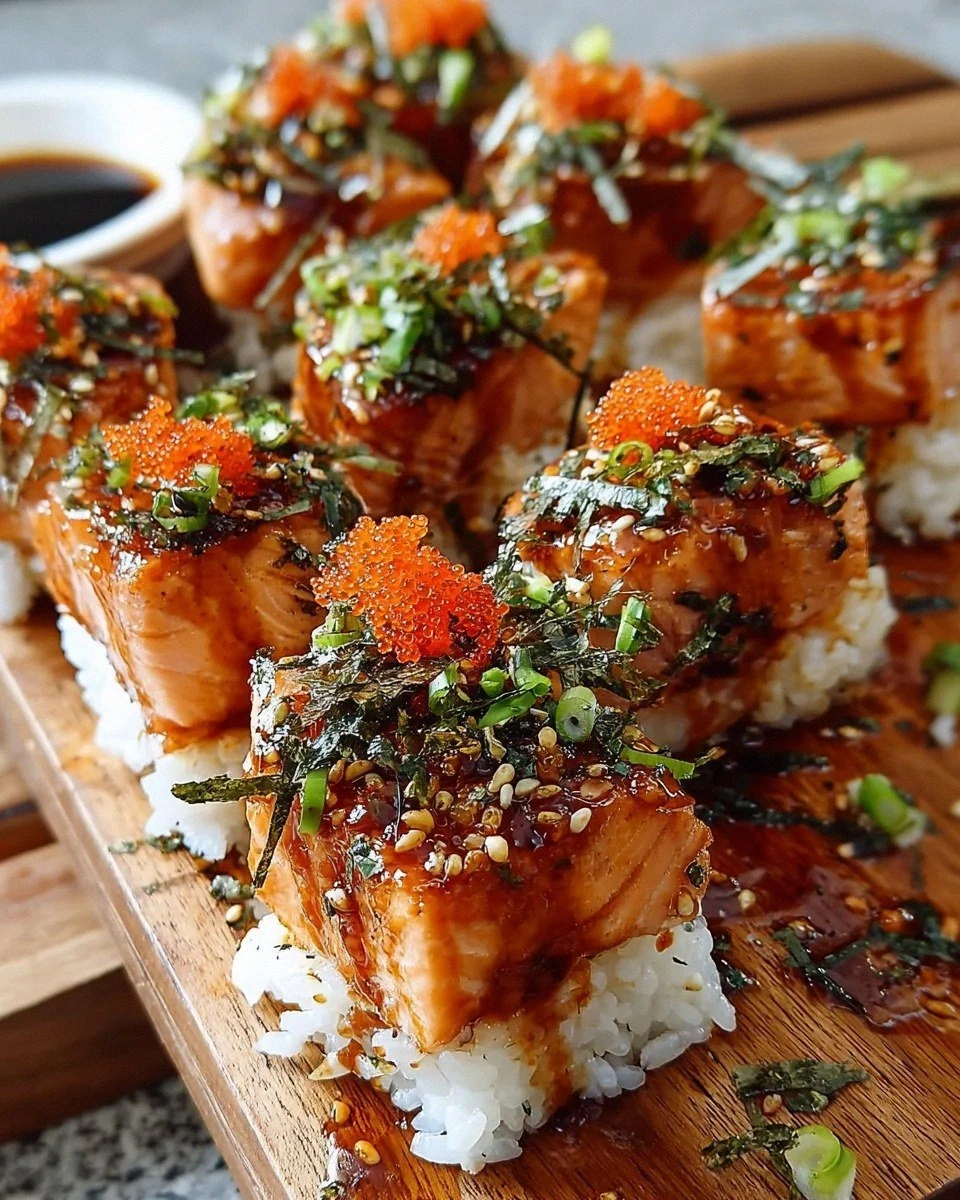
- Visual Appeal: The bright orange of the salmon, the green onion garnish, and the black nori strips make this dish Instagram‑ready without any extra effort.
Inside the Ingredient List
The Flavor Base
Sushi rice is the foundation of this bake, and it’s not just any rice. This short‑grain variety creates the perfect sticky texture essential for sushi, allowing the sauce to cling to every grain like a loyal fan. If you skip it or use long‑grain rice, you’ll end up with a dry, crumbly base that defeats the whole purpose. For an extra boost, rinse the rice until the water runs clear to remove excess starch before cooking.
Water is the silent hero that brings the rice to life. The ratio of water to rice is crucial; too much and the rice becomes mushy, too little and it stays hard in the center. A reliable rule of thumb is 1 ¼ cups of water for every cup of sushi rice, but I like to add a splash extra for that extra fluffiness. If you’re using a pot instead of a rice cooker, bring the water to a boil, then cover and simmer on low for 18 minutes, letting it rest off the heat for another 10 minutes.
The Tangy Trio
Rice vinegar adds a tangy flavor to the rice, making it more like authentic sushi. Its acidity balances the richness of the salmon and mayo, cutting through the heaviness with a bright pop. A common mistake is to add the vinegar while the rice is still hot, which can cause it to become soggy; instead, fold it in gently after the rice has rested.
Sugar balances the acidity of the vinegar for a deliciously sweet touch. It’s the quiet sweetener that prevents the rice from tasting overly sharp, creating a harmonious flavor profile. If you’re watching sugar intake, a half‑teaspoon less won’t hurt the overall taste.
Salt is the tiny pinch that enhances the overall flavor of the dish. It amplifies the umami of the salmon and brings out the subtle notes of the sesame oil. Don’t be shy— a level teaspoon in the rice mixture is just right.
The Protein Powerhouse
Fresh Salmon Fillet is the star ingredient that brings richness to the bake. Choose a fillet with bright orange flesh and a firm texture; the fresher, the better. If the salmon has a faint fishy smell, it’s past its prime— you want a clean, oceanic scent that promises buttery melt‑in‑your‑mouth goodness.
Mayonnaise adds creaminess and keeps the salmon moist during baking. It acts like a protective blanket, ensuring the fish doesn’t dry out while the top caramelizes. For a lighter version, you can substitute half the mayo with Greek yogurt, but the classic version stays true to the indulgent vibe.
Sriracha Sauce is the spicy sauce that’s adjustable, so tailor it to your taste—mild or fiery! A tablespoon or two will give you that signature heat without overwhelming the delicate salmon. If you love extra heat, add a dash of cayenne or a few drops of chili oil.
Sesame Oil imparts a nutty flavor that complements the salmon beautifully. Just a teaspoon is enough; its aroma is potent enough to elevate the entire dish. Be careful not to use too much, as it can dominate the flavor profile.
The Final Flourish
Green Onions provide a fresh garnish that adds a pop of color and crunch. Slice them thinly and sprinkle them over the baked dish just before serving for that bright, peppery bite. If you’re not a fan of raw onion, blanch them briefly in hot water to mellow the sharpness.
Nori strips lend an authentic sushi vibe, perfect for topping. The seaweed adds a salty umami note that ties the whole bake back to its sushi roots. If you can’t find nori sheets, crumble some toasted seaweed snacks for a similar effect.
Tobiko is optional fish roe for a burst of flavor and decorative flair—totally up to you! Its tiny orange beads pop in the mouth, adding a subtle briny crunch. If you’re allergic to fish roe or prefer a vegetarian version, skip it without missing a beat.
Everything’s prepped? Good. Let’s get into the real action…
The Method — Step by Step
Start by rinsing 2 cups of sushi rice under cold water until the water runs clear. This removes excess starch and prevents the rice from becoming gummy. Transfer the rinsed rice to a rice cooker, add 2½ cups of water, and set it to the “sushi” setting. If you don’t have a rice cooker, bring the mixture to a boil, then reduce to a simmer, cover, and let it cook for 18 minutes before turning off the heat and letting it rest for 10 minutes. Tip: While the rice cooks, preheat your oven to 375°F (190°C).
While the rice is steaming, prepare the sauce. In a medium bowl, combine ½ cup mayonnaise, 2 Tbsp sriracha sauce, 1 tsp sesame oil, and a pinch of salt. Whisk until smooth; the mixture should look glossy and slightly thick. Power transition: This next part? Pure magic.
Dice the fresh salmon fillet (about 1 lb) into bite‑size cubes. Pat the pieces dry with paper towels—this ensures they brown nicely instead of steaming. Toss the salmon cubes with half of the prepared sauce, making sure each piece is evenly coated. Let it sit for 5 minutes so the flavors can meld.
Once the rice is done, transfer it to a large mixing bowl. While the rice is still warm, drizzle ¼ cup rice vinegar, 2 Tbsp sugar, and 1 tsp salt over it. Gently fold the mixture with a wooden spatula, turning the rice over and over until the vinegar is fully absorbed and the grains shine. Watch Out: Over‑mixing can crush the grains, leading to a mushy texture.
Spread the seasoned rice evenly across the bottom of a 9×13‑inch baking dish, pressing it down gently with the back of a spoon to create an even layer. This forms the “crust” that will soak up the sauce from the salmon on top.
Layer the marinated salmon cubes over the rice, distributing them evenly. Drizzle the remaining sauce over the salmon, ensuring every piece gets a glossy coating. Sprinkle sliced green onions over the top for a fresh pop of color.
Cover the baking dish with aluminum foil and slide it into the preheated oven. Bake for 15 minutes, then remove the foil and continue baking for another 10‑12 minutes, or until the salmon is opaque and the edges of the rice start pulling away from the sides of the dish. You’ll know it’s done when the top turns a light golden‑brown and you can hear a faint crackle as the sauce caramelizes.
While the bake finishes, quickly toast four sheets of nori in a dry skillet over medium heat for 30 seconds per side, just until they become fragrant. Break them into bite‑size strips and set aside. If you’re feeling adventurous, sprinkle 2 Tbsp tobiko over the hot bake right after you pull it from the oven; the heat will gently pop the roe, adding a burst of briny crunch.
Remove the dish from the oven and let it rest for 5 minutes. This short rest allows the flavors to settle and makes slicing cleaner. Serve directly from the pan, or transfer portions to individual plates, topping each serving with the toasted nori strips and an extra drizzle of sriracha if you like it extra spicy. That sizzle when it hits the pan? Absolute perfection.
That’s it — you did it. But hold on, I’ve got a few more tricks that’ll take this to another level…
Insider Tricks for Flawless Results
The Temperature Rule Nobody Follows
Most home cooks bake at 350°F, but cranking the oven up to 375°F gives the rice a slightly crisp edge while keeping the salmon buttery inside. The higher heat also speeds up the caramelization of the mayo‑sriracha glaze, creating those coveted golden speckles. I once tried baking at 400°F and the top burnt before the center cooked—so 375°F is the sweet spot.
Why Your Nose Knows Best
When the bake is nearing completion, trust your sense of smell more than the timer. A fragrant hint of toasted nori and a faint sweet aroma means the top is perfectly caramelized. If you smell a burnt odor, pull the foil off early and reduce the heat by 25°F to prevent over‑browning.
The 5‑Minute Rest That Changes Everything
Allowing the dish to rest for five minutes after it leaves the oven lets the steam redistribute, making each bite moist and cohesive. Skipping this step results in a dry edge and a soggy center. I’ve seen people dive right in and end up with a crumbly mess—don’t be that person.
The Secret of the Nori Crunch
To get that perfect crunch, lightly brush the nori strips with a tiny drizzle of sesame oil before toasting. This adds a glossy sheen and prevents them from becoming too brittle. If you prefer a softer texture, skip the oil and just toast them briefly.
The “Sauce‑First” Technique
Instead of mixing the sauce into the salmon, coat the salmon cubes first, then toss them with the rice after baking. This creates a layered flavor where the sauce remains on top, giving each bite a burst of heat. Kitchen Hack: Use a zip‑top bag to shake the salmon and sauce together—no mess, no extra bowls.
Creative Twists and Variations
This recipe is a playground. Here are some of my favorite ways to switch things up:
Tuna Inferno
Swap the salmon for a firm tuna steak, diced the same size. Tuna holds up well to the heat and adds a slightly milder flavor, letting the sriracha shine brighter. Perfect for those who prefer a leaner fish.
Veggie Delight
Replace the fish with diced sweet potato and shiitake mushrooms. The sweet potato caramelizes beautifully, while the mushrooms bring an earthy depth. Add a splash of soy sauce to the sauce mixture for umami balance.
Coconut Curry Fusion
Mix a tablespoon of coconut milk into the mayo‑sriracha blend and add a pinch of curry powder. The result is a tropical‑spicy twist that pairs wonderfully with cilantro garnish.
Cheesy Crunch
Sprinkle a layer of shredded mozzarella or cheddar over the top during the last 5 minutes of baking. The cheese melts, creates a gooey crust, and adds a comforting richness that kids adore.
Spicy Avocado Boost
Dice a ripe avocado and fold it into the final garnish just before serving. The cool, buttery avocado balances the heat, creating a harmonious bite that feels like a sushi roll in a bowl.
Storing and Bringing It Back to Life
Fridge Storage
Let the bake cool to room temperature, then cover tightly with plastic wrap or a reusable lid. It will keep fresh for up to 3 days. When you’re ready to eat, reheat a single portion in the microwave for 1‑2 minutes, or gently warm the whole dish in a 300°F oven for 10 minutes.
Freezer Friendly
Portion the baked dish into airtight containers before freezing. It freezes well for up to 2 months. To reheat, thaw overnight in the fridge, then bake at 350°F for 15‑20 minutes, adding a tiny splash of water to the rice layer to steam it back to fluffy perfection.
Best Reheating Method
For the crispiest top, reheat in a preheated oven rather than a microwave. Place the portion on a baking sheet, cover loosely with foil, and bake at 350°F for 8‑10 minutes. Remove the foil for the last 2 minutes to revive that golden crust.