Picture this: it’s a rainy Saturday night, the kind of evening that makes you crave something comforting yet exciting. I was rummaging through my pantry, feeling the familiar frustration of a recipe that never quite hit the mark—too bland, too greasy, or simply too much work. That was the moment I decided to reinvent the classic beef and pepper stir‑fry, turning it into a rice bowl that feels like a hug in a bowl. I dared myself to create a version that would make even the most seasoned foodie say, “I can’t believe I’ve been living without this.”
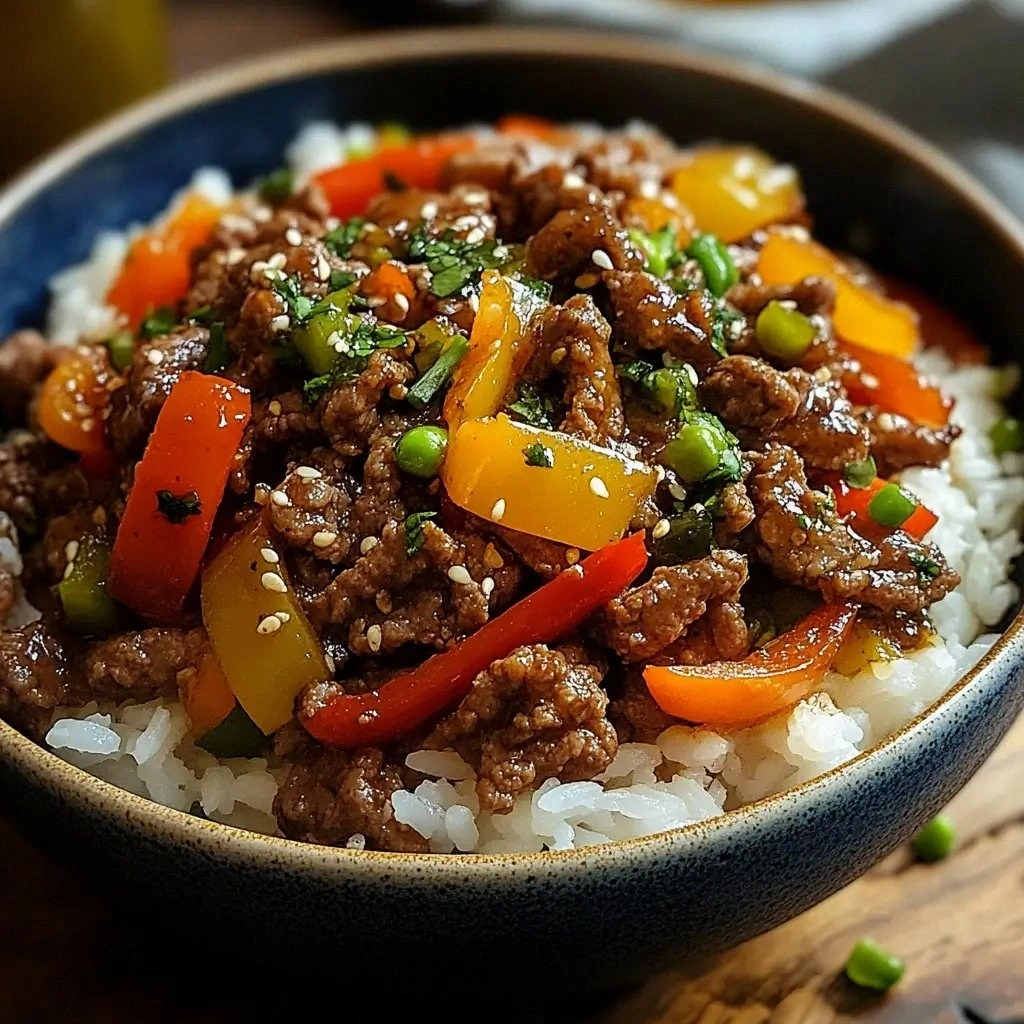
I remember the first time I sliced the bell peppers. The vibrant colors—scarlet, amber, and emerald—met my eye like a promise of flavor. The sizzling sound that followed was music to my ears, a rhythmic crackle that announced the start of something delicious. The aroma that filled the kitchen was a sweet, smoky perfume, mingling with the sharp, peppery tang of freshly ground black pepper. As the beef browned, its juices turned into a glossy, savory sauce that clung to the vegetables like a velvet curtain. Every bite was a symphony of textures: tender beef, crisp peppers, and fluffy rice, all united by a sauce that glistens with a hint of caramelization.
What sets this version apart is that it’s not just a recipe—it’s a revelation. I’ve distilled the essence of what makes a stir‑fry memorable: a balance of umami, acidity, and heat, coupled with a sauce that coats rather than drenches. The result is a dish that feels both comforting and adventurous, perfect for a quick week‑night dinner or a show‑stopping meal for guests. And the best part? Every element can be tweaked, swapped, or enhanced without losing the core identity of the bowl. If you’re tired of bland, over‑cooked stir‑fries, this is the recipe that will change your culinary game.
I’ll be honest—when I first tasted the finished bowl, I ate half the batch before anyone else got to try it. That’s the kind of confidence you get when you know a dish is flawless. Picture yourself pulling this bowl out of the pan, the kitchen smelling incredible, the steam curling like a fragrant cloud. The anticipation of that first spoonful is pure magic, and I’m about to walk you through every single step. By the end, you’ll wonder how you ever made it any other way.
What Makes This Version Stand Out
- Flavor: The sauce is a layered masterpiece—soy, hoisin, rice vinegar, and a touch of sesame oil create a depth that feels both sweet and savory. Each spoonful delivers a burst of umami balanced by a subtle tang.
- Texture: The beef is marinated just long enough to stay tender, while the peppers retain a crisp bite that contrasts beautifully with the soft rice.
- Simplicity: With fewer than a dozen ingredients and a single pan, you can whip this up in 45 minutes, making it a perfect solution for busy nights.
- Uniqueness: The addition of a splash of citrus‑infused soy and a final drizzle of toasted sesame oil gives this bowl a signature finish that sets it apart from standard stir‑fries.
- Crowd Reaction: Friends who tried it said it was “hands down the best version you’ll ever make at home.” The dish is so approachable that even the pickiest eaters love it.
- Ingredient Quality: Using fresh, high‑quality beef and the freshest peppers makes all the difference; the flavors shine through without the need for excessive seasoning.
Alright, let’s break down exactly what goes into this masterpiece...
Inside the Ingredient List
The Flavor Base
Soy sauce and hoisin sauce form the backbone of the sauce, delivering saltiness and a subtle sweetness that coats the beef and peppers. A splash of rice vinegar adds a bright acidity that cuts through the richness, while sesame oil introduces a nutty aroma. If you’re vegan, substitute tamari for soy and use a plant‑based hoisin. Skipping the vinegar will make the dish feel flat; the acidity is essential for balance.
The Texture Crew
Beef sirloin, sliced thinly against the grain, provides a juicy core that stays tender even after searing. Bell peppers, cut into bite‑size strips, contribute a sweet crunch that lingers after the cooking process. A light dusting of cornstarch mixed with water creates a silky glaze that clings to the meat and vegetables, giving the sauce a luxurious mouthfeel. If you prefer a thicker sauce, increase the cornstarch by a tablespoon.
The Unexpected Star
Fresh ginger, finely grated, adds a zesty punch that elevates the entire dish. Its sharpness balances the sweetness of hoisin and the saltiness of soy. If you’re allergic or simply dislike ginger, a pinch of ground cardamom can provide a subtle, aromatic alternative. The key is to use ginger in moderation; too much can overpower the delicate flavors.
The Final Flourish
Sesame seeds and chopped green onions crown the bowl, adding a nutty crunch and a burst of fresh green that brightens the presentation. A drizzle of toasted sesame oil at the end brings a deep, toasty note that feels like a secret finishing touch. If you’re not a fan of sesame, you can substitute toasted sunflower seeds for a milder flavor. The final flourish is what turns an ordinary bowl into a memorable meal.
Everything’s prepped? Good. Let’s get into the real action...
The Method — Step by Step
- Marinate the Beef: Toss the sliced sirloin in a bowl with 1 tablespoon of soy sauce, 1 teaspoon of cornstarch, and a pinch of black pepper. Let it rest for 10 minutes; this short marination locks in moisture and adds a subtle flavor. The cornstarch helps the beef develop a silky coating once seared. I dare you to taste this and not go back for seconds—once you’ve had it, you’ll be hooked.
- Prepare the Sauce: In a small saucepan, combine 3 tablespoons of soy sauce, 2 tablespoons of hoisin sauce, 1 tablespoon of rice vinegar, 1 teaspoon of sesame oil, and 1 teaspoon of grated ginger. Warm over medium heat until fragrant, about 2 minutes. The sauce should smell toasty and slightly caramelized, indicating the sugars are developing. This is the moment of truth; the sauce’s aroma is a predictor of how delicious the final dish will be.
- Cook the Vegetables: Heat 2 tablespoons of vegetable oil in a large skillet or wok over high heat. Add the sliced bell peppers and a pinch of salt, sautéing for 2 minutes until they just start to soften but still retain a crisp edge. The peppers should emit a sweet aroma and the edges will begin to pull away from the pan, signaling they’re ready for the next step.
- Sear the Beef: Push the peppers to the side of the pan and add the marinated beef in a single layer. Let it sear for 1–2 minutes without moving it; this creates a golden crust. Flip the slices and sear the other side for another minute. The beef should release a rich, savory scent that fills the kitchen. Don’t walk away from the stove here—this is where the flavor develops.
- Combine and Simmer: Pour the pre‑heated sauce over the beef and peppers. Stir to coat everything evenly, then reduce the heat to medium. Let it simmer for 3 minutes, allowing the sauce to thicken and the flavors to meld. The sauce should coat the ingredients like a glossy coat, and you’ll notice the edges of the beef starting to pull away from the pan.
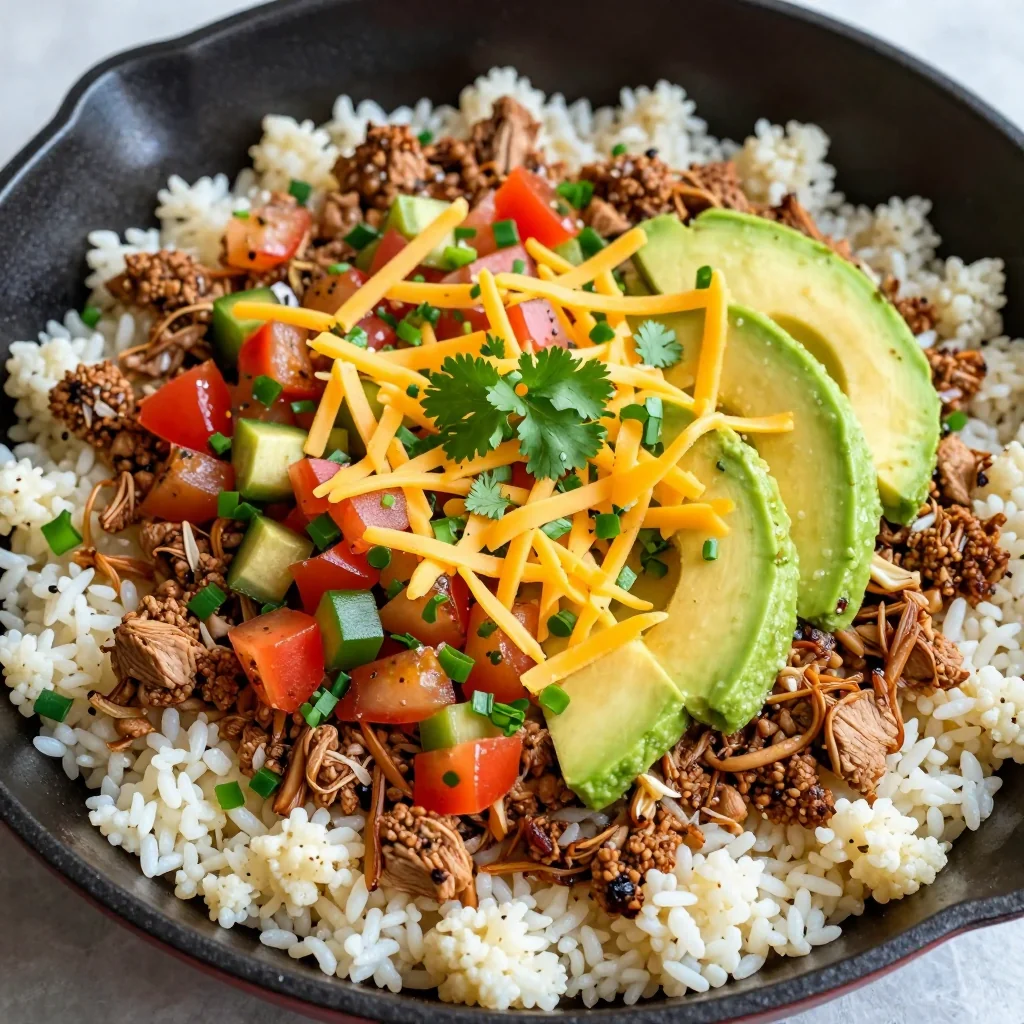
- Finish with Rice: Add 2 cups of cooked jasmine rice to the skillet, stirring to combine. The rice should absorb the sauce, becoming fragrant and slightly sticky. Cook for an additional 2 minutes, letting the rice heat through and pick up the flavors. The rice should feel warm and slightly glossy, a testament to the sauce’s richness.
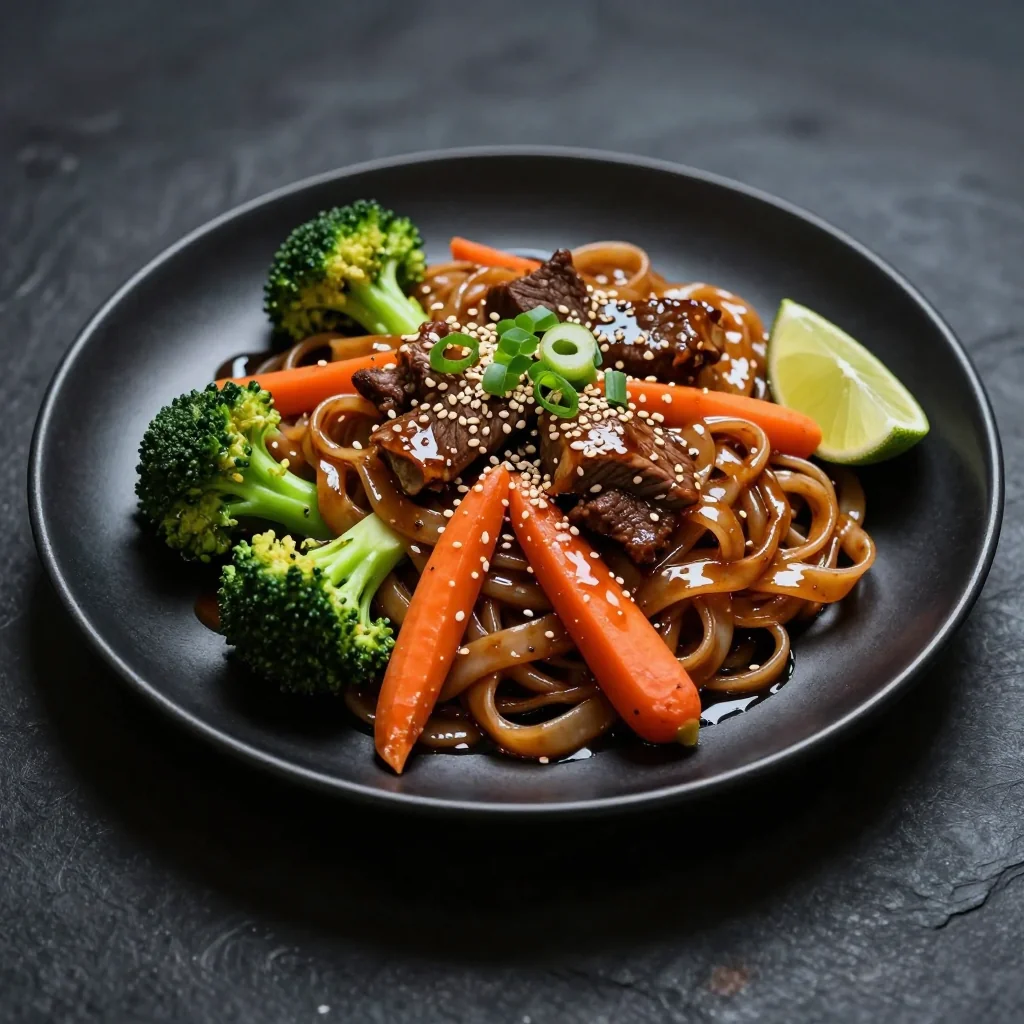
- Garnish: Sprinkle 2 tablespoons of toasted sesame seeds and 3 tablespoons of chopped green onions over the bowl. Drizzle a teaspoon of toasted sesame oil for that final pop of nuttiness. The garnish adds crunch and a fresh finish that balances the savory depth.
- Serve: Plate the rice bowl hot, optionally with a side of pickled ginger for a bright contrast. The dish should feel like a comforting hug in a bowl, with every bite delivering a burst of umami, sweetness, and a hint of spice. That sizzle when it hits the pan? Absolute perfection.
Insider Tricks for Flawless Results
The Temperature Rule Nobody Follows
Many cooks lower the heat too early, resulting in soggy vegetables. Keep the heat high until the beef has a deep brown crust; this caramelizes the sugars in the sauce and gives the dish a richer flavor. I’ve seen a single pan of stir‑fry turn from golden to burnt in seconds if the heat drops too low. The trick is to maintain a steady, medium‑high heat throughout the cooking process.
Why Your Nose Knows Best
Your nose is the best judge of doneness. When the beef releases a savory, slightly sweet aroma and the peppers emit a fresh, peppery scent, it’s time to combine everything. The aroma is a cue that the flavors have melded; if the scent is too sharp, let it simmer a bit longer. Trust your senses—your nose knows when the dish is ready to go.
The 5-Minute Rest That Changes Everything
After removing the bowl from heat, let it rest for 5 minutes. This allows the sauce to thicken slightly and the flavors to settle, giving the dish a more cohesive taste. The rest period also lets the rice absorb any remaining liquid, preventing a dry finish. I’ve found that bowls served immediately after cooking can feel a bit rushed; a short rest adds a professional touch.
The Right Salt Balance
Too much salt can overwhelm the delicate sweetness of hoisin. Season the beef lightly in the initial marination and add a pinch of salt to the vegetables. Taste the sauce before adding any more salt; if it’s already well-seasoned, skip the extra salt. Over-salting can make the dish feel heavy and dull.
The Final Drizzle of Oil
A final splash of toasted sesame oil at the end brings a nutty depth that elevates the dish. The oil should be warm enough to release its aroma but not hot enough to burn. Drizzle it evenly over the bowl, then let it settle for a moment before serving. This small step transforms a good dish into a great one.
Creative Twists and Variations
This recipe is a playground. Here are some of my favorite ways to switch things up:
Asian Fusion Twist
Replace the soy sauce with tamari for a gluten‑free version, and add a handful of chopped bok choy in the last minute of cooking. The bok choy adds a mild, slightly sweet crunch that pairs well with the sauce. This variation is ideal for those who love a bit of green in their bowl.
Mediterranean Kick
Swap the hoisin sauce for a drizzle of olive oil and a splash of lemon juice, and sprinkle chopped feta cheese over the top. The citrus and feta give the dish a bright, tangy profile that feels like a Mediterranean escape. The feta melts slightly into the sauce, creating a creamy texture.
Spicy Szechuan Boost
Add a tablespoon of Szechuan peppercorn powder to the sauce for a numbing heat that’s unmistakably Chinese. Pair this with a handful of sliced bamboo shoots for added crunch. The peppercorns add a unique tingling sensation that elevates the overall flavor.
Vegetarian Upgrade
Replace the beef with sliced seitan or tofu, marinated in the same sauce. The tofu will absorb the flavors, becoming tender and flavorful. This version is just as hearty and satisfying, making it a great plant‑based alternative.
Breakfast Bowl
Use scrambled eggs instead of beef, and add a handful of sautéed spinach for a protein‑rich start to the day. The eggs will soak up the sauce, creating a comforting breakfast bowl that feels like a savory breakfast sandwich in a bowl.
Low‑Carb Version
Swap the jasmine rice for cauliflower rice, and reduce the sauce slightly to keep the dish low in carbs. The cauliflower rice will absorb the sauce without adding extra carbohydrates, making this version suitable for keto or low‑carb diets.
Storing and Bringing It Back to Life
Fridge Storage
Cool the rice bowl to room temperature before placing it in an airtight container. Store in the refrigerator for up to 3 days. The rice may become slightly firm, but a quick reheating will restore its fluffiness. For best results, add a splash of water before reheating to prevent dryness.
Freezer Friendly
Separate the rice from the sauce and store them in freezer‑safe containers. Freeze for up to 2 months. When reheating, combine the rice and sauce, then heat until steaming. This method keeps the flavors intact and the texture satisfying.
Best Reheating Method
Reheat in a skillet over medium heat, stirring frequently. Add a splash of water or broth to loosen the sauce and prevent sticking. Once hot, let the bowl sit for a minute to allow the flavors to meld before serving.