Love this? Pin it for later! 📌
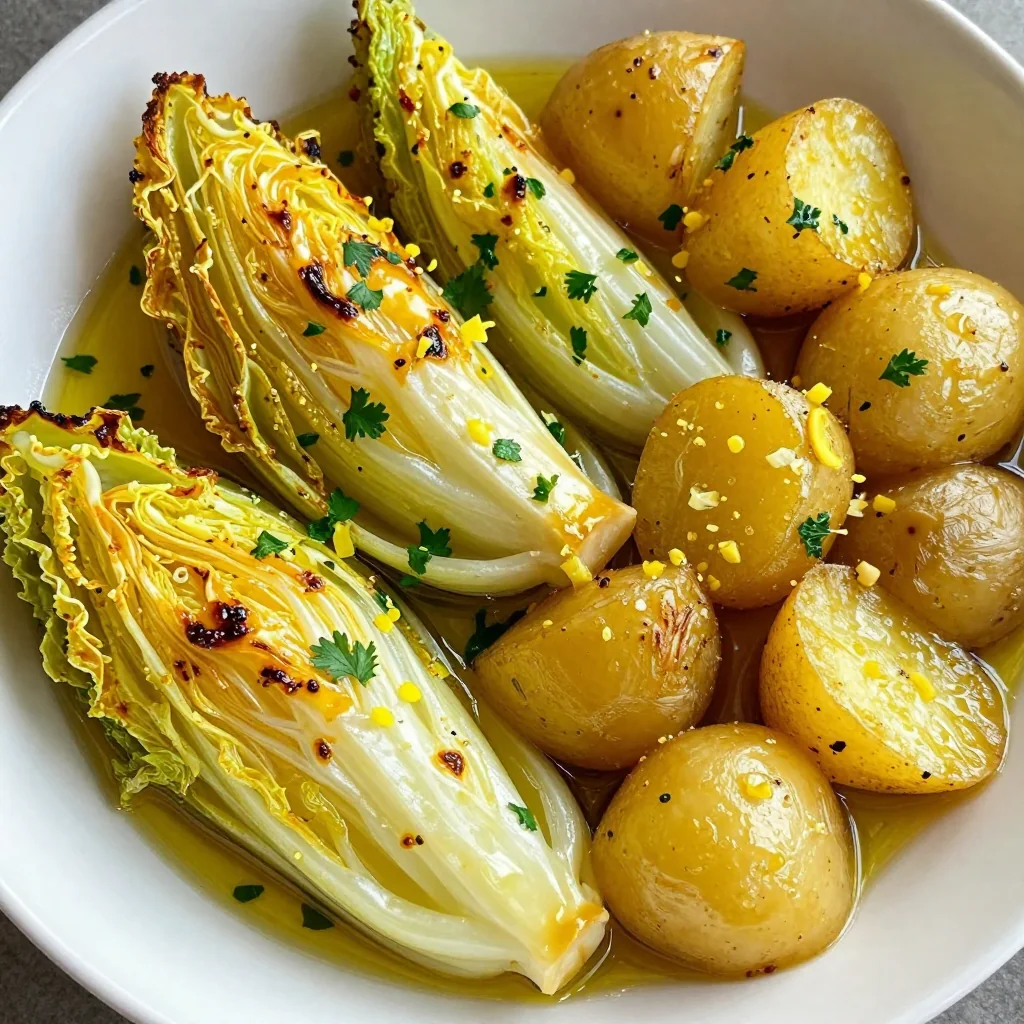
I still remember the first time I made this warm lemon and garlic roasted cabbage with parsnips and potatoes. It was one of those grey February afternoons when the sky couldn’t decide between rain or snow, and the farmers’ market was practically empty except for a few stalwart vendors. I had gone in looking for inspiration rather than anything specific, and walked out with a gnarled bunch of parsnips, a head of savoy cabbage so heavy it felt like a bowling ball, and a net of baby potatoes caked in field dirt. That night, after roasting everything together on a single sheet pan—because who wants to wash more dishes when it’s freezing outside?—the kitchen filled with the kind of aroma that makes neighbors knock on your door. My husband declared it “the best vegetarian thing I’ve ever eaten,” and my kids actually fought over the caramelized cabbage leaves. Since then, this dish has become our default winter comfort food: inexpensive, pantry-friendly, and fancy enough to serve at a dinner party when you drizzle it with the glossy lemon-garlic dressing and shower it with fresh herbs. If you’re looking for a plant-based main that feels like a warm hug on a plate, you’ve landed in the right spot.
Why This Recipe Works
- One-pan wonder: Everything roasts together on a single sheet pan, meaning minimal cleanup and maximum flavor cross-pollination.
- Texture contrast: Crispy potato edges, silky parsnip centers, and frizzled cabbage ribbons keep every bite interesting.
- Bright finishing touch: A warm lemon-garlic vinaigrette added right after roasting cuts through the earthy sweetness like a ray of sunshine.
- Budget-friendly: Core ingredients cost less than a take-out pizza and feed a crowd.
- Meal-prep hero: Flavors deepen overnight, making leftovers tomorrow’s lunchbox VIP.
- Vitamin powerhouse: Cabbage, parsnips, and lemon deliver vitamin C, potassium, and gut-friendly fiber in every forkful.
Ingredients You'll Need
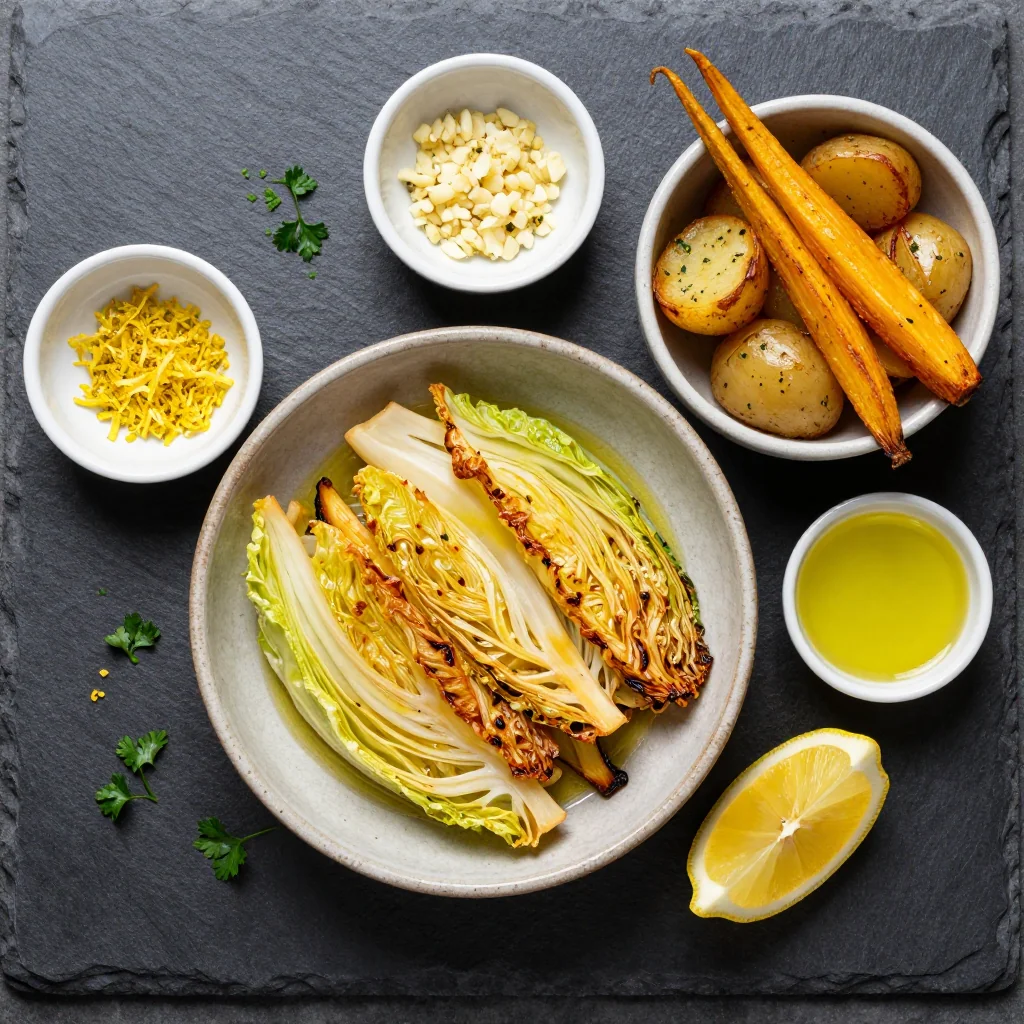
Let’s talk produce, because the success of this dish lives and dies by what you bring home. First up: savoy cabbage. Look for heads that feel heavy for their size with tightly ruffled leaves that spring back when you press them. Avoid any with yellowing edges or, worse, wet black spots that signal rot. If savoy isn’t available, a young green cabbage works, but slice it a hair thinner because the leaves are denser.
Parsnips should be firm, cream-colored, and no wider than your thumb; monster roots tend to have woody, bitter cores. Give them a sniff—fresh parsnips smell faintly of honey and flowers. If you can only find the elephant-sized ones, simply quarter them lengthwise and flick out the tough center with a paring knife.
For potatoes, I reach for baby Yukon Golds. Their thin skins crisp beautifully, and the yellow flesh tastes already buttered. Red-skinned new potatoes are a happy runner-up. Steer clear of russets here; their fluffy interior turns to mush under the high heat we need for caramelization.
Garlic matters more than you think. Seek out plump, tight heads with no green sprouts. If you’re in a hurry, pre-peeled cloves are fine, but toss them in the dressing only after roasting so they don’t scorch.
Finally, lemons. Buy two: one for zesting and juice, the other to cut into wedges for serving at the table. Organic lemons are worth the splurge when you’re using the zest; conventional citrus can carry wax and pesticide residue on the peel.
Pantry players—extra-virgin olive oil, flaky sea salt, cracked pepper, and a pinch of crushed red-pepper flakes—pull everything together. If you keep smoked salt in your arsenal, swap a pinch in for half the sea salt to add whispered campfire notes.
How to Make Warm Lemon and Garlic Roasted Cabbage with Parsnips and Potatoes
Heat the oven & prep the pans
Position a rack in the lower third of your oven and preheat to 425 °F (220 °C). Line two large rimmed sheet pans with parchment—this prevents sticking and saves you from scrubbing later. If you own a dark-colored pan, use it; the darker metal promotes browning.
Make the lemon-garlic base
In a small saucepan over low heat, combine ⅓ cup extra-virgin olive oil, 4 cloves of garlic sliced paper-thin, the zest of 1 lemon, and ½ tsp crushed red-pepper flakes. Warm just until the garlic barely begins to bubble—about 3 minutes—then pull off the heat. You’re infusing, not frying. Let it steep while you chop vegetables.
Slice the cabbage
Remove any ratty outer leaves from 1 medium savoy cabbage. Cut the head into 8 wedges, keeping the core intact; it acts like a little steak bone so the leaves stay together. Pat the cut surfaces dry with a kitchen towel—moisture is the enemy of caramelization.
Prep potatoes & parsnips
Halve 1½ lb baby Yukon Golds (or quarter if they’re larger than a ping-pong ball). Peel 1 lb parsnips and cut into 3-inch matchsticks, uniform thickness so they roast in the same time as the potatoes. Toss both in a large bowl with 2 Tbsp of the infused oil, 1 tsp kosher salt, and plenty of black pepper.
Arrange for maximum browning
Spread potatoes and parsnips in a single layer on one of the sheet pans, cut-sides down so they get that gorgeous crust. Lay cabbage wedges on the second pan; brush both sides with the remaining infused oil and season generously with salt. Crowding equals steaming, so give each piece real estate.
Roast & rotate
Slide both pans into the oven. After 20 minutes, rotate pans front to back and switch shelves. Roast another 15–20 minutes, until potatoes are golden, parsnips have frizzled tips, and cabbage edges are deeply mahogany. If your oven runs hot, tent the cabbage with foil during the final 5 minutes to prevent burning.
Finish with fresh lemon
Whisk 2 Tbsp fresh lemon juice into the warm garlicky oil remaining in your saucepan. Taste and add more salt or pepper if needed. Arrange vegetables on a warmed platter, drizzle the hot lemon dressing over everything, and scatter with ¼ cup chopped flat-leaf parsley or dill for a pop of green.
Serve it your way
This dish is vegan as written, but a crumble of feta or a fried egg on top turns it into a more protein-forward main. Pass extra lemon wedges at the table; that final squeeze just before eating heightens every flavor.
Expert Tips
Crank up the heat
Don’t drop the oven below 425 °F. High heat is what converts cabbage starches into nutty sweetness and gives potatoes glass-shatter crusts.
Dry equals crispy
After washing vegetables, spin them in a salad dryer or towel-dry obsessively. Water on the surface creates steam, which sabotages browning.
Stagger timing
If your parsnips are pencil-thin, pull them off the pan 5 minutes early so they don’t incinerate while the potatoes finish.
Herb swap
Out of parsley? Try celery leaves, chives, or even mint. Each herb reframes the dish in a new, exciting way.
Smoky finish
For campfire vibes, add ½ tsp smoked paprika to the oil infusion. It’s subtle but unforgettable.
Double batch trick
Roast two heads of cabbage and freeze half the wedges (before dressing) for up to 1 month. Reheat in a 450 °F oven straight from frozen for 12 minutes.
Variations to Try
-
Maple-mustard glaze
Whisk 1 Tbsp whole-grain mustard and 1 Tbsp maple syrup into the lemon dressing for sweet-tangy notes reminiscent of German cabbage.
-
Chickpea crunch
Toss one 15-oz can of drained chickpeas with the potatoes for the last 15 minutes of roasting. They emerge nutty and addictive.
-
Root-veg medley
Sub half the parsnips with carrots or sweet potato cubes. The color contrast is stunning, and the sweetness harmonizes with lemon.
-
Creamy tahini drizzle
Replace the lemon-garlic oil with ¼ cup tahini thinned with warm water, lemon juice, and a clove of roasted garlic for Middle-Eastern flair.
-
Spicy harissa
Stir 1 tsp harissa paste into the oil for North-African heat. Serve over couscous with a spoonful of yogurt to cool the fire.
Storage Tips
Let leftovers cool completely, then pack into airtight glass containers. They’ll keep 4 days in the refrigerator. To reheat, spread on a sheet pan and blast at 425 °F for 8–10 minutes; microwaving turns the veg soggy. Already dressed cabbage can be frozen, but expect softer texture upon thawing—best repurposed in soups or blended into a creamy roasted-veg bisque. If you plan to freeze, stop at Step 6, skip the final dressing, and add it fresh after reheating. Prepared lemon-garlic oil keeps 1 week in the fridge; bring to room temp before using so the olive oil loosens up.
Frequently Asked Questions
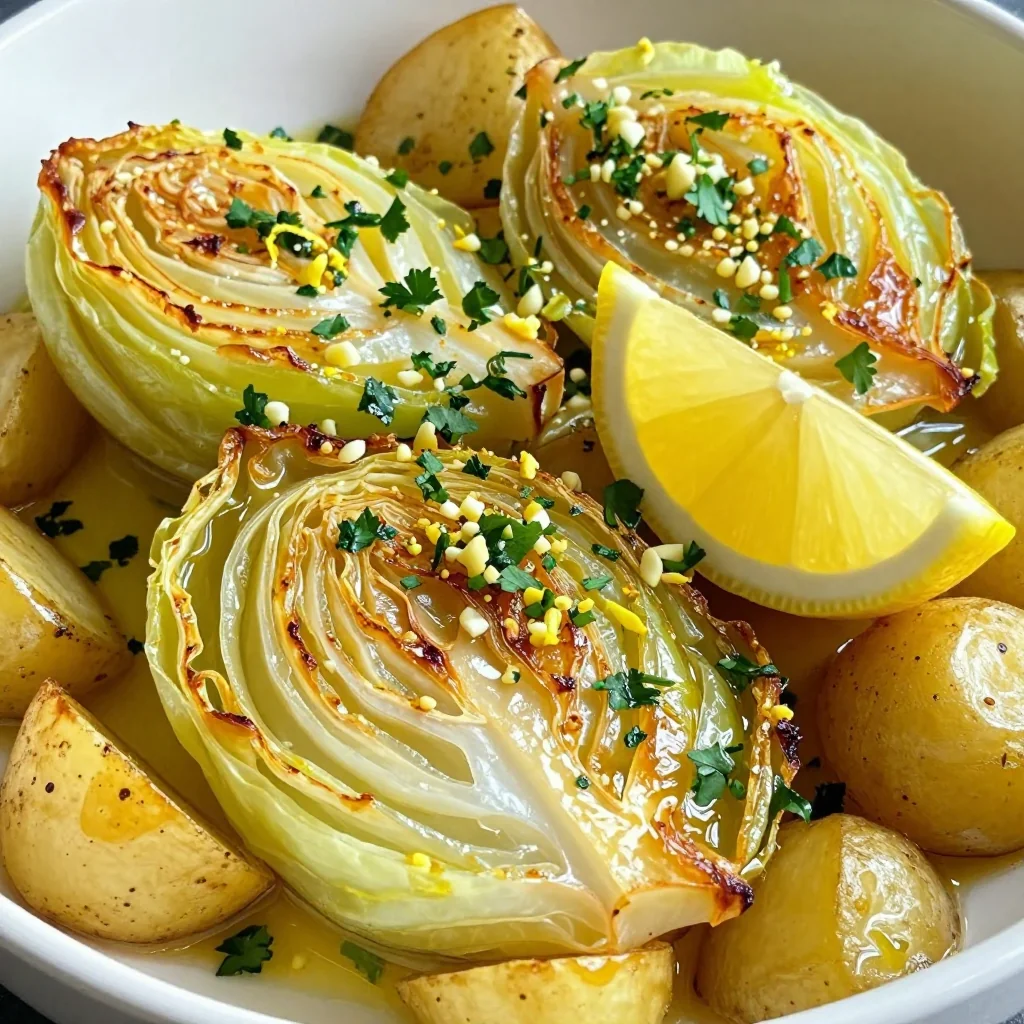
warm lemon and garlic roasted cabbage with parsnips and potatoes
Ingredients
Instructions
- Preheat: Set oven to 425 °F. Line two rimmed sheet pans with parchment.
- Infuse oil: In a small saucepan, warm olive oil, garlic, lemon zest, and pepper flakes over low heat 3 minutes; remove from heat.
- Season veg: Toss potatoes and parsnips with 2 Tbsp infused oil, 1 tsp salt, and pepper. Arrange cut-side down on one pan.
- Prep cabbage: Brush cabbage wedges on both sides with remaining oil, season with salt and pepper; place on second pan.
- Roast: Bake both pans 35–40 min, rotating halfway, until vegetables are tender and caramelized.
- Dress & serve: Stir lemon juice into warm oil. Arrange vegetables on platter, drizzle dressing, sprinkle herbs, and serve with lemon wedges.
Recipe Notes
For extra protein, toss in a drained can of chickpeas during the last 15 minutes of roasting. Leftovers reheat beautifully in a hot oven for 8 minutes—avoid the microwave to keep textures crisp.