Picture this: I’m standing over a sizzling skillet, the kitchen filled with the faint clink of a bottle opening, and the air buzzing with the promise of something dangerously delicious. I’d just dared my roommate to a “sweet‑and‑savory showdown,” and I was determined to win. The stakes? A night of bragging rights and a plate that could make even a hardened meat‑lover weep with joy. I started with a generic bourbon chicken recipe I’d seen a dozen times, but the result was a soggy mess that tasted like a watered‑down glaze. I was ready to throw in the towel—until a sudden flash of inspiration struck, like a bolt of lightning on a stormy night.
Fast forward a few frantic minutes, a bottle of bourbon popped, and I tossed in a dash of brown sugar, soy sauce, and a whisper of garlic. The moment the sauce hit the pan, it sang—a low, caramel‑rich hum that made my heart race. The aroma curled around the room, hugging the countertops, coaxing the neighbors to peek through their curtains. I could hear the gentle hiss as the chicken browned, a sound that felt like applause from the kitchen gods themselves. My taste buds were already doing a happy dance, anticipating that perfect balance of sweet, salty, and a hint of smoky bourbon.
Now, I’m not just talking about any sticky chicken. This version is a game‑changer, a love‑letter to bold flavors that refuses to be bland. Most recipes get this completely wrong—either they drown the chicken in a syrupy swamp or they forget the crucial caramelization that gives that irresistible glossy finish. I’ve cracked the code: a quick cornstarch coating for that initial crunch, a precise bourbon‑infused glaze that clings like velvet, and a final sprinkle of fresh green onions that cut through the richness with a bright snap. I dare you to taste this and not go back for seconds.
And guess what? There’s a secret ingredient that most cooks overlook—a splash of apple cider vinegar that lifts the entire flavor profile, preventing the sauce from turning cloyingly sweet. It adds that subtle tang you didn’t know you were missing. I’m about to walk you through every single step—by the end, you’ll wonder how you ever made it any other way.
What Makes This Version Stand Out
- Flavor Explosion: The bourbon and brown sugar create a caramel‑rich glaze that coats each bite, while soy sauce adds depth and umami. The result is a symphony of sweet, salty, and smoky notes that dance on your palate.
- Texture Triumph: A light dusting of cornstarch gives the chicken a crispy edge that shatters like thin ice before giving way to a juicy interior. No soggy chicken here—just perfect crunch.
- Simplicity at Its Best: You only need a handful of pantry staples and a single skillet. No fancy equipment, no complicated steps—just pure, unapologetic flavor.
- Unique Twist: The splash of apple cider vinegar prevents the sauce from becoming cloying, adding a bright acidity that balances the sweetness and keeps the glaze glossy.
- Crowd‑Pleaser Factor: This dish consistently earns rave reviews at dinner parties. Guests ask for the recipe, and you get to watch them marvel at your culinary prowess.
- Ingredient Quality: Using a good‑quality bourbon makes a world of difference. The subtle vanilla and caramel notes in the spirit elevate the glaze from good to legendary.
- One‑Pan Wonder: The entire process happens in a single skillet, meaning less cleanup and more time to enjoy the meal—and the compliments.
- Make‑Ahead Magic: You can prep the glaze in advance, store it for up to a week, and still achieve that fresh‑cooked taste when you’re ready to serve.
Inside the Ingredient List
The Flavor Base
Bourbon (½ cup): This is the star of the show, providing a caramel‑laden backbone that deepens the sauce. Choose a bourbon with a touch of vanilla and oak for complexity. If you skip it, the glaze loses its signature warmth and becomes a plain sweet‑soy mix.
Soy Sauce (⅓ cup): The umami anchor that balances the sweetness. Opt for a low‑sodium version if you’re watching salt. A misstep here—using a cheap, overly salty soy—can drown the delicate bourbon notes.
Brown Sugar (¼ cup): Gives the glaze its glossy, sticky sheen. Lightly packed brown sugar ensures consistency; too much leads to a burnt, bitter finish.
The Texture Crew
Chicken Thighs (2 lb, boneless, skinless): Dark meat stays juicy during the high‑heat sear, absorbing the glaze without drying out. If you use breast meat, expect a drier texture and a less forgiving cooking window.
Cornstarch (1 tbsp): Forms a thin protective layer that crisps up when seared, creating that coveted crunch. Skipping it results in a soggy coating that never adheres properly.
Vegetable Oil (1 tbsp): A neutral oil with a high smoke point ensures the chicken browns without burning. Olive oil would add an unwanted flavor and smoke.
The Unexpected Star
Apple Cider Vinegar (1 tbsp): This tangy splash lifts the glaze, preventing it from turning cloyingly sweet. It also helps deglaze the pan, pulling up those caramelized bits that add depth.
Garlic (2 tsp, minced) and Ginger (1 tsp, grated): These aromatics give the sauce a subtle heat and freshness, cutting through the richness. Fresh ginger is crucial—powdered ginger lacks the bright bite.
The Final Flourish
Green Onions (2, sliced): Added at the end for a fresh, sharp contrast that brightens the dish. If you omit them, the glaze can feel heavy after the first few bites.
Sesame Oil (1 tsp, optional): A drizzle just before serving adds a nutty aroma that elevates the overall experience. Too much, however, can overpower the bourbon.
Black Pepper (¼ tsp) and Salt to Taste: A pinch of pepper adds subtle heat, while salt enhances all the flavors. Remember, soy sauce already contributes salt, so taste before adding more.
Everything's prepped? Good. Let's get into the real action...
The Method — Step by Step
First, gather all your ingredients and give the chicken a quick pat‑dry with paper towels. This step is crucial because moisture is the enemy of a good sear. Toss the chicken pieces in a bowl with the cornstarch, ensuring each piece is lightly coated. The coating should feel like a whisper of powder, not a thick dust.
Heat the vegetable oil in a large skillet over medium‑high heat. When the oil shimmers, it’s ready—listen for that gentle fizz as you add the chicken. Lay the pieces in a single layer; you should hear a confident sizzle that tells you the pan is hot enough. Let the chicken sear undisturbed for 3‑4 minutes until the edges turn golden and start to pull away from the pan.
Kitchen Hack: If the chicken sticks, give it a minute—once the crust forms, it will release naturally. For extra crunch, finish the sear on high heat for the last 30 seconds.While the chicken browns, whisk together bourbon, soy sauce, brown sugar, ketchup, apple cider vinegar, minced garlic, and grated ginger in a medium bowl. The mixture should look glossy and slightly thick. This is the moment of truth—taste a tiny spoonful; it should be sweet, salty, and have a faint acidity. Adjust with a pinch more brown sugar if you like it sweeter, but remember the bourbon’s natural caramel notes.
Once the chicken is beautifully browned, push it to the edges of the skillet, creating a little well in the center. Pour the prepared glaze into the well, letting it hit the hot pan. It will hiss and steam, deglazing the browned bits—those are flavor gold. Stir everything together, making sure each piece gets an even coat.
Reduce the heat to medium‑low and let the sauce simmer for about 5‑7 minutes. You’ll notice it thickening, clinging to the chicken like a glossy lacquer. Keep an eye on it; if it starts to dry out, splash in a tablespoon of water or extra bourbon. The sauce should be thick enough to coat the back of a spoon but still glossy—this is the sweet spot.
Watch Out: If the heat is too high, the sugar can scorch, turning bitter. Keep the flame moderate and stir frequently.When the glaze reaches the perfect consistency, stir in the sesame oil (if using) and black pepper. The oil adds a nutty aroma that lifts the entire dish, while the pepper gives a subtle bite that keeps the palate from getting numb.
Turn off the heat and sprinkle the sliced green onions over the chicken. The residual warmth will slightly wilt the onions, releasing their fresh flavor without cooking them fully. This final touch adds a burst of color and a crisp, oniony crunch that contrasts the sweet glaze.
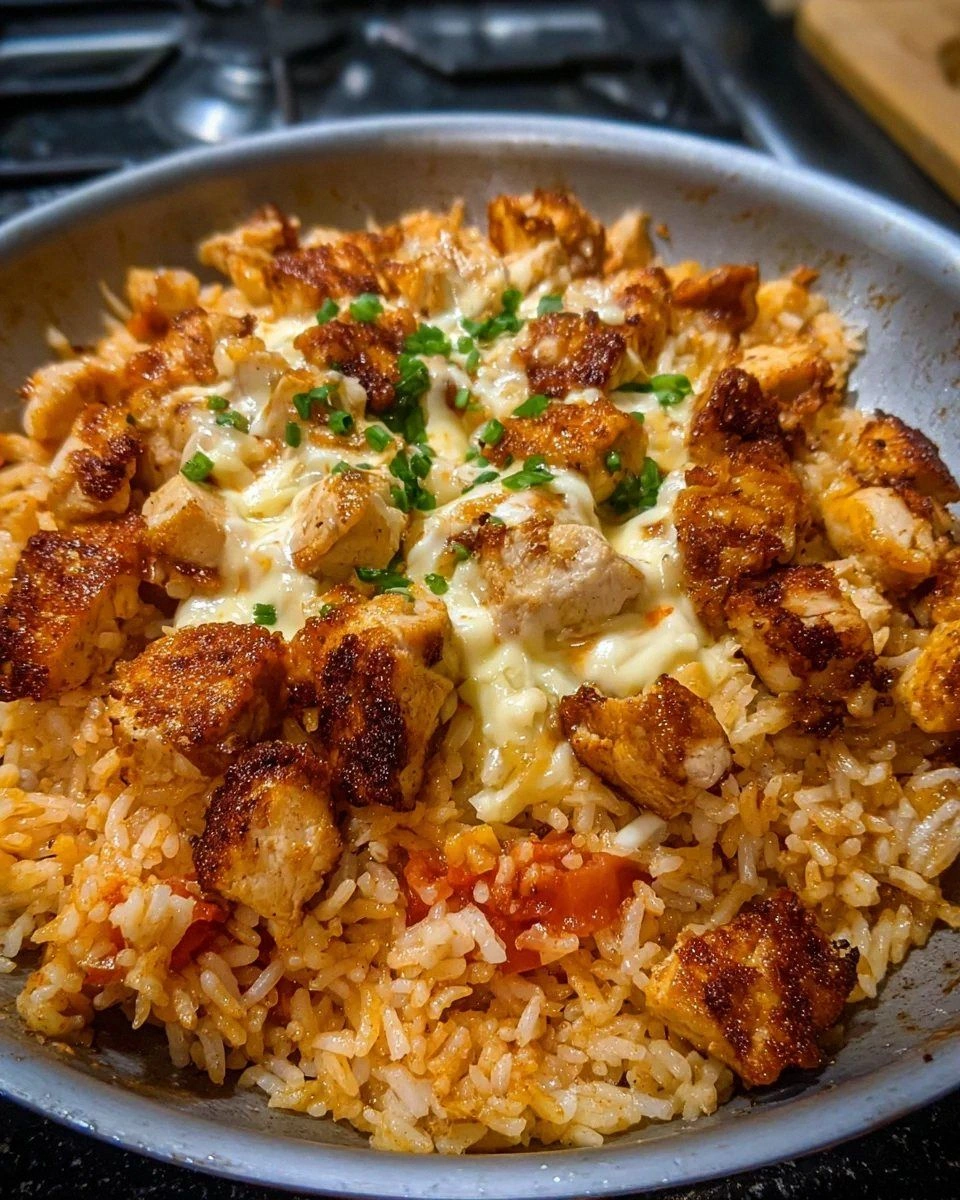
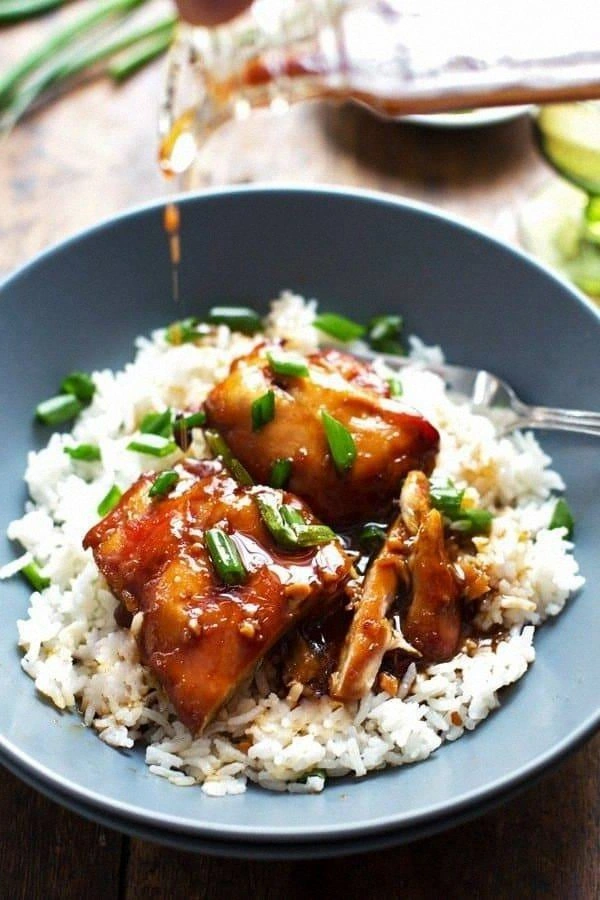
Serve the sticky bourbon chicken over a bed of freshly cooked rice. The rice acts as a neutral canvas, soaking up any extra sauce and balancing the bold flavors. Picture yourself pulling this out of the pan, the whole kitchen smelling incredible, and the first bite melting in your mouth. I dare you to stop at one serving—trust me, you won’t be able to.
That's it — you did it. But hold on, I've got a few more tricks that'll take this to another level...
Insider Tricks for Flawless Results
The Temperature Rule Nobody Follows
Most home cooks crank the heat to “max” hoping for faster cooking, but that only burns the sugars. Keep your skillet at medium‑high for searing, then drop to medium‑low for the glaze. This controlled heat ensures the chicken stays juicy while the sauce thickens without scorching. I once tried blasting it on high, and the result was a bitter, blackened crust—never again.
Why Your Nose Knows Best
Don't rely solely on timers; trust the aromatics. When the garlic and ginger start to perfume the air, you know the base is ready. When the sauce begins to bubble and you smell a caramel scent, it's time to reduce. Your nose is the ultimate kitchen thermometer—use it.
The 5‑Minute Rest That Changes Everything
After the glaze has thickened, remove the pan from heat and let the chicken rest for five minutes. This short pause lets the juices redistribute, preventing them from spilling out when you bite. It also lets the glaze settle into the meat, creating an even deeper flavor infusion.
Swap the Sweet for the Smoky
If you love a smoky edge, replace half the bourbon with a splash of liquid smoke or smoked paprika. The result is a deeper, more complex glaze that pairs wonderfully with the rice. Just a teaspoon of smoked paprika goes a long way—don’t overdo it.
Fresh Herbs Over Dried
Adding fresh cilantro or Thai basil at the end adds a bright, herbaceous finish that cuts through the sweetness. Dried herbs lose their potency in the high‑heat environment and can taste stale. A handful of fresh leaves tossed in right before serving transforms the dish from good to unforgettable.
Creative Twists and Variations
This recipe is a playground. Here are some of my favorite ways to switch things up:
Spicy Bourbon Heat
Add 1‑2 teaspoons of sriracha or a pinch of red pepper flakes to the glaze. The heat balances the sweet bourbon, creating a thrilling contrast. Perfect for those who love a little kick.
Coconut‑Infused Version
Swap half the bourbon for coconut milk and add toasted coconut flakes on top. The creamy coconut mellows the bourbon while adding a tropical twist that pairs beautifully with jasmine rice.
Honey‑Mustard Fusion
Replace the brown sugar with an equal amount of honey and stir in 1 tbsp of Dijon mustard. The mustard adds a tangy depth, while honey gives a smoother sweetness. This variation works well with roasted sweet potatoes on the side.
Vegetarian Swap
Use firm tofu or tempeh instead of chicken. Press the tofu, cube it, and follow the same cornstarch coating and searing steps. The glaze clings just as well, delivering a plant‑based version that even meat‑eaters love.
Asian‑Style Finish
Finish the dish with a drizzle of toasted sesame oil and sprinkle toasted sesame seeds. Add a splash of rice vinegar for extra brightness. Serve over fried rice instead of plain rice for a hearty one‑pan meal.
Storing and Bringing It Back to Life
Fridge Storage
Allow the chicken to cool to room temperature, then transfer to an airtight container. It will keep for up to 3 days. When reheating, add a splash of water or broth to the pan and gently warm over medium heat, stirring until the glaze re‑emerges glossy.
Freezer Friendly
Portion the cooked chicken and glaze into freezer‑safe bags, removing as much air as possible. Freeze for up to 2 months. To reheat, thaw overnight in the fridge, then warm in a skillet with a tablespoon of water, stirring until the sauce thickens again.
Best Reheating Method
For the crispiest leftovers, re‑sear the chicken in a hot skillet for 2‑3 minutes per side after thawing. This restores the initial crunch and revives the caramelized edges. If you prefer a softer texture, simply microwave with a dab of butter and stir.