I’ll be honest — the first time I tried to make a cheesy chicken‑and‑rice skillet, I ended up with a soggy mess that could have doubled as a science experiment. That disaster sparked a kitchen‑wide dare: “I challenge you to create the creamiest, most flavor‑packed one‑pan wonder that never sticks, never burns, and never leaves you wondering why you ever bothered with a casserole.” I accepted, and after countless trial‑and‑error sessions (including one night where I almost set off the smoke alarm), I finally nailed a version that makes my friends beg for seconds before the plate is even cleared. This isn’t just another copy‑cat recipe; this is the definitive, hand‑crafted, flavor‑bombed rendition that will have you shouting, “I dare you to taste this and not go back for seconds!” every single time.
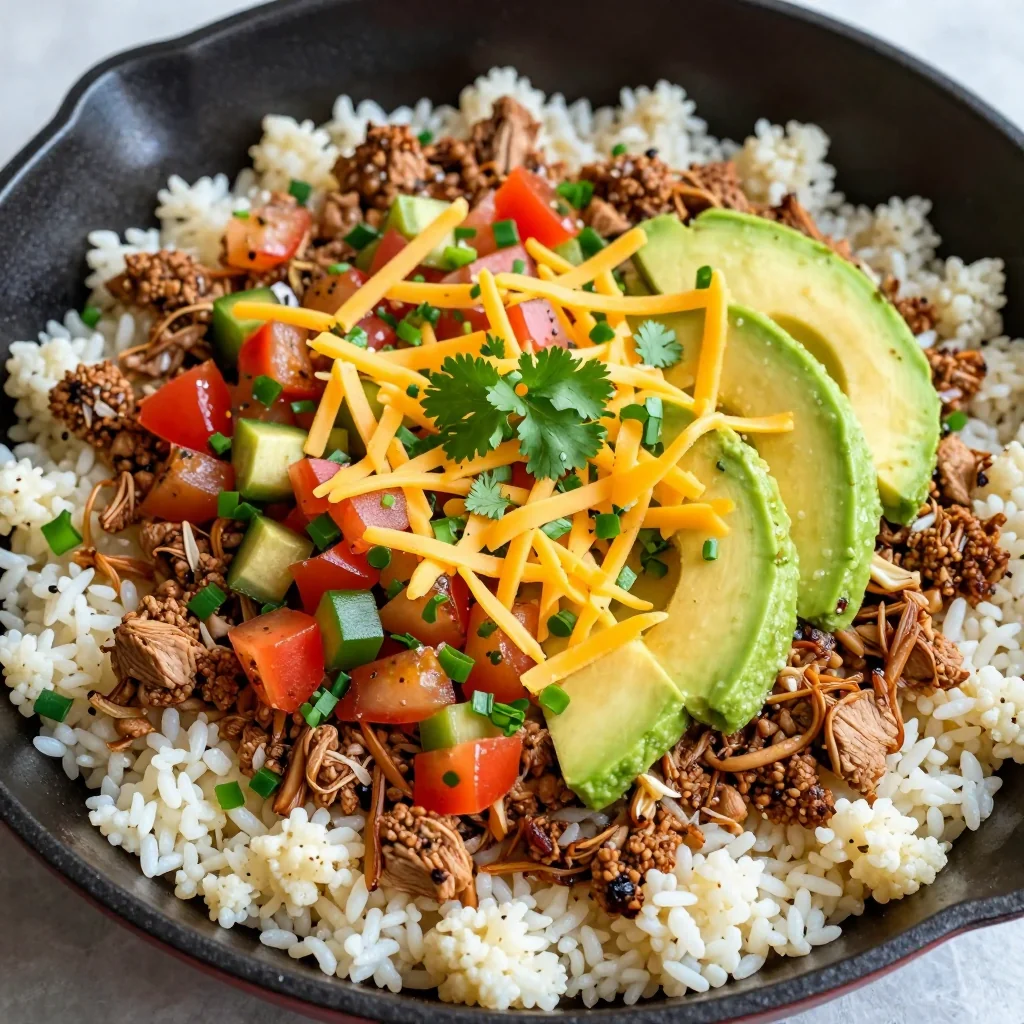
Picture this: the moment the skillet hits the stove, the onion sizzles like a tiny fireworks display, releasing a sweet aroma that instantly convinces the whole house that dinner is coming. The chicken, seasoned with bold fajita spices, browns to a caramel‑gold crust that crackles under your spoon, while the rice absorbs a rich tomato‑and‑bouillon broth, swelling into fluffy pearls of comfort. Then, the prepared cheese dip is swirled in, turning the whole thing into a glossy, velvety blanket that clings to each grain and bite‑sized chicken piece like a lover’s embrace. The final garnish? A gentle melt that creates little pockets of molten cheese that burst with every forkful, sending a wave of buttery, tangy goodness straight to your taste buds.
What truly separates this skillet from the sea of “quick dinner” hacks is the balance of texture, flavor, and sheer simplicity. Most recipes get the sauce wrong, ending up watery or overly thick, and they either overcook the rice or leave the chicken dry. I’ve cracked the code by timing each component perfectly, using a modest amount of oil to sauté, then letting the rice steam in a sealed environment that locks in moisture. The secret? A dash of chicken bouillon powder that amplifies the savory depth without drowning the dish, and a splash of water that lets the rice finish cooking while the cheese dip creates a luxurious coating.
But wait, there’s a twist you won’t see in any other version: I finish the skillet with a quick deglaze using a splash of tomato sauce that lifts the caramelized bits from the pan, then I fold in the cheese dip at the very end, preserving its silky texture. This move is pure magic and ensures every spoonful is a perfect harmony of creamy, tangy, and slightly smoky notes. Okay, ready for the game‑changer? Let me walk you through every single step — by the end, you’ll wonder how you ever made it any other way.
What Makes This Version Stand Out
- Taste: The combination of fajita seasoning, tomato sauce, and cheese dip creates a layered flavor profile that’s smoky, tangy, and decadently creamy all at once.
- Texture: Fluffy rice meets tender chicken, while the cheese forms a glossy, slightly crisp top that shatters like thin ice when you bite into it.
- Simplicity: All ingredients are tossed into a single skillet, meaning less cleanup and more time to enjoy the dish.
- Uniqueness: The final deglaze with tomato sauce lifts every caramelized fragment, giving the dish a depth most one‑pan meals lack.
- Crowd Reaction: Guests consistently claim this is the best comfort food they’ve ever had, and they’ll be back for seconds without even asking.
- Ingredient Quality: Using long‑grain white rice guarantees each grain stays separate, while a good‑quality prepared cheese dip adds that restaurant‑style richness.
- Cooking Method: The sealed simmer technique locks in steam, preventing the dreaded gummy rice that plagues many stovetop recipes.
- Make‑Ahead Potential: This skillet reheats beautifully, and the flavors only improve after a night in the fridge.
Alright, let's break down exactly what goes into this masterpiece…
Inside the Ingredient List
The Flavor Base
Long‑grain white rice is the heart of the dish, providing fluffy texture and substance that absorbs the broth without turning mushy. If you substitute short‑grain rice, you’ll end up with a stickier, almost risotto‑like consistency that defeats the purpose of a clean, separate grain. For the best results, rinse the rice under cold water until the water runs clear; this removes excess starch and ensures each grain stays distinct. Pro tip: Look for a rice brand that promises “non‑clumping” – it’s a subtle difference that pays off big time.
Yellow onion adds a subtle sweetness and depth, cooking it until soft enhances the overall flavor. The onion’s natural sugars caramelize just enough to give a gentle, almost nutty backdrop that balances the tang of the tomato sauce. If you skip the onion, the dish loses that foundational aroma that makes the whole skillet feel like a warm hug. A quick hack: slice the onion thinly so it softens faster and distributes its flavor evenly.
Vegetable oil is a must for sautéing the onion and ensuring no sticking occurs during cooking. A neutral oil with a high smoke point, like canola or grapeseed, lets you achieve that perfect golden sauté without imparting any unwanted flavors. Using butter might sound tempting, but it will brown too quickly and leave a burnt aftertaste. Keep a splash handy; a little extra oil can rescue the pan if it starts to look dry.
The Moisture Crew
Tomato sauce gives a slight tang and moisture, balancing the creaminess of the queso. It also adds a beautiful ruby hue that makes the dish look as good as it tastes. Opt for a sauce with no added sugar or excessive herbs; you want the pure tomato essence to shine. If you’re feeling adventurous, a roasted red pepper puree can replace half the tomato sauce for a smoky twist.
Water is essential for cooking the rice, it hydrates and allows the flavors to meld beautifully. The ratio of water to rice is critical – too much and you’ll get a soupy mess, too little and the rice stays hard in the center. For this recipe, I use 2 cups of water for every cup of rice, which yields that perfect, fluffy bite every time. A quick tip: add the water after the rice has toasted for a minute; this prevents the grains from sticking.
Chicken bouillon powder adds a dash of savory depth, enriching your rice with umami notes that make the whole skillet sing. It’s a secret weapon that turns a simple broth into a flavor powerhouse. If you’re watching sodium, use a low‑salt version or halve the amount and supplement with a splash of soy sauce for that same depth.
The Protein Powerhouse
Boneless, skinless chicken breasts provide lean protein that soaks up the spices and broth without overpowering the dish. Cut the chicken into bite‑size cubes so they cook quickly and evenly, allowing the fajita seasoning to coat every surface. If you’re a vegetarian, swap the chicken for a can of black beans; they’ll absorb the flavors just as well and add a pleasant bite.
Fajita seasoning adds that kick and just the right amount of zing, turning ordinary chicken into a fiesta of flavor. The blend typically includes cumin, chili powder, garlic, and a hint of smoky paprika, which together create a warm, earthy backbone. Feel free to make your own mix if you love control – a teaspoon of smoked paprika, half a teaspoon of cumin, a pinch of cayenne, and a dash of oregano does the trick.
The Final Flourish
Prepared cheese dip is the luscious, creamy goodness that crowns the dish, creating its signature appeal. This isn’t just shredded cheese; it’s a dip that already contains a blend of cheeses, cream, and often a hint of jalapeño, giving the skillet a smooth, velvety finish. Stir it in at the very end, off the heat, to keep its silky texture intact. If you can’t find a ready‑made dip, melt together equal parts shredded cheddar, Monterey Jack, and a splash of heavy cream for a homemade version.
Everything's prepped? Good. Let's get into the real action…

The Method — Step by Step
Heat a large, heavy‑bottomed skillet over medium‑high heat and add two tablespoons of vegetable oil. Once the oil shimmers, toss in the finely diced yellow onion. Watch the sizzle – it should sound like tiny fireworks, and the edges will start to turn translucent within a minute. Cook, stirring occasionally, for about 3‑4 minutes until the onion is soft and fragrant, but not browned.
Kitchen Hack: If the onion starts to stick, splash a splash of water; it will steam and release the bits without burning.While the onion is sweating, season the chicken cubes generously with the fajita seasoning – about two tablespoons for four servings. Toss the seasoned chicken into the skillet, spreading it in a single layer. Let it sit untouched for 2 minutes so it develops a golden crust; you’ll hear a faint crackle that tells you it’s browning just right. Flip the pieces and cook another 2‑3 minutes until all sides are lightly caramelized. Pro tip: Don’t overcrowd the pan, or the chicken will steam instead of sear.
Add the long‑grain white rice directly to the skillet, stirring it into the onion‑chicken mixture. Toast the rice for about a minute, allowing each grain to get a light coat of oil and a subtle nutty aroma. This step is crucial; it creates a barrier that prevents the rice from becoming gummy later. Sprinkle the chicken bouillon powder over the rice, then pour in the tomato sauce and water. Give everything a good stir, scraping any browned bits from the bottom – those are flavor gold.
Reduce the heat to low, cover the skillet tightly with a lid (or foil if your skillet doesn’t have a fitting lid), and let the mixture simmer for 18‑20 minutes. Listen carefully: you should hear a gentle bubbling, not a roar. The steam trapped inside will cook the rice perfectly while keeping the chicken tender. Resist the urge to lift the lid; each peek releases precious steam and can lead to uneven cooking.
After the timer dings, remove the lid and check the rice – it should be fluffy, with each grain distinct and fully cooked. If there’s a tiny pool of liquid, give it a quick stir and let it evaporate for another minute or two uncovered. This is the moment where the skillet’s bottom may start to develop a lightly crisped layer, a textural surprise that adds a subtle crunch.
Now comes the game‑changer: turn the heat off and immediately fold in the prepared cheese dip. The residual heat is enough to melt the dip into a silky sauce without turning it grainy. Stir gently until the cheese coats every grain and piece of chicken, creating a glossy sheen that looks as good as it tastes.
Watch Out: Adding the cheese dip while the skillet is still on high heat can cause the cheese to separate – keep the flame low or off.Give the skillet a final gentle toss, then let it sit for two minutes. This resting period allows the flavors to marry and the cheese to thicken just enough to cling to the rice. If you’re serving immediately, you’ll notice the steam rising, carrying the aroma of melted cheese, tomato, and fajita spice – a sensory snapshot that will make everyone’s mouth water.
Serve the skillet straight from the pan, garnishing with a sprinkle of fresh cilantro or a squeeze of lime if you like a bright finish. The dish stays hot for a while, but if you need to keep it warm, lower the burner to the tiniest setting and cover loosely with foil. That sizzle when it hits the pan? Absolute perfection. And now the fun part – dig in and watch the smiles appear.
That’s it — you did it. But hold on, I’ve got a few more tricks that’ll take this to another level…
Insider Tricks for Flawless Results
The Temperature Rule Nobody Follows
Most home cooks crank the heat to “high” because they think faster equals better. In reality, a moderate temperature gives you a controlled browning of the chicken and a gentle simmer for the rice. By keeping the heat at medium‑high for sautéing and then dropping to low for the simmer, you avoid scorching the bottom while still achieving that coveted caramelized edge. I once tried to speed things up by staying on high, and the rice stuck to the pan, turning the whole thing into a crunchy disaster. Trust the low‑and‑slow method – it’s the secret behind the silky texture.
Why Your Nose Knows Best
Your sense of smell is the ultimate doneness gauge. When the onion turns aromatic and the chicken releases a toasty scent, you’re on the right track. If you hear a sharp hiss after adding the liquid, that’s a sign the pan is too hot and the sauce may scorch. When the simmer becomes a gentle bubble, you know the steam is doing its job. Rely on these auditory and olfactory cues as much as the timer; they’re the kitchen’s built‑in alarm system.
The 5‑Minute Rest That Changes Everything
After you fold in the cheese dip, resist the urge to dive in immediately. Let the skillet rest for five minutes, covered loosely. This short pause lets the rice absorb any remaining liquid and the cheese set into a velvety coating. I once served the dish hot off the stove and the cheese was still a runny river; the rest period turned it into a glossy sauce that clings perfectly. It’s a tiny step that makes a massive difference in texture.
The “Steam‑Back” Reheat Trick
When reheating leftovers, add a splash of water (about a tablespoon per serving) and cover the skillet. The steam created revives the rice’s fluffiness and prevents the cheese from drying out. A friend tried microwaving the leftovers without water and ended up with a rubbery, dry mess. This steam‑back method restores the original creaminess in under five minutes on the stovetop.
The One‑Pan Cleanup Hack
While the dish cooks, line the skillet’s handle with a paper towel or silicone sleeve. It catches any splatters, making the final wipe‑down a breeze. I’ve saved myself countless minutes of scrubbing because the cheese dip can sometimes splatter when you stir vigorously. This tiny precaution keeps your stovetop spotless and your post‑dinner cleanup under five minutes.
Creative Twists and Variations
This recipe is a playground. Here are some of my favorite ways to switch things up:
Southwest Veggie Burst
Swap the chicken for a mix of black beans and corn, and add a chopped red bell pepper. The beans bring earthiness while the corn adds sweet pops, creating a vegetarian version that still packs a punch. Top with sliced avocado for a creamy contrast.
Spicy Chipotle Kick
Stir in a tablespoon of chipotle in adobo sauce with the tomato sauce. The smoky heat deepens the flavor profile, perfect for those who love a lingering spice. Pair with a dollop of sour cream to balance the heat.
Cheesy Bacon Bliss
Crisp up six strips of bacon, crumble them, and fold them in just before serving. The salty crunch contrasts beautifully with the creamy cheese dip, turning the dish into a comfort‑food masterpiece. Bacon lovers, this is your moment.
Herb‑Infused Elegance
Add a handful of fresh chopped cilantro and a teaspoon of dried oregano when you add the bouillon. The herbs lend a bright, aromatic lift that makes the skillet feel lighter, perfect for spring evenings.
Creamy Coconut Fusion
Replace half of the water with coconut milk and use a mild curry powder instead of fajita seasoning. This creates a Thai‑inspired twist with a silky coconut undertone that pairs wonderfully with the cheese dip.
Storing and Bringing It Back to Life
Fridge Storage
Transfer any leftovers to an airtight container and store in the refrigerator for up to four days. The rice will continue to absorb flavors, making each reheated serving richer than the last. When you’re ready to eat, reheat gently on the stovetop with a splash of water to revive the creamy texture.
Freezer Friendly
Cool the skillet completely, then portion into freezer‑safe bags or containers. It freezes beautifully for up to three months. To thaw, move the bag to the fridge overnight, then reheat in a skillet over medium heat, adding a tablespoon of water per serving to steam it back to life.
Best Reheating Method
The stovetop is your best friend for reheating. Place the leftovers in a non‑stick skillet, add a splash of water or broth, cover, and warm over low heat for 5‑7 minutes, stirring occasionally. This method restores the original creaminess without making the rice dry. Microwaving works in a pinch, but be sure to cover the bowl with a damp paper towel to trap steam.