I'm standing in my kitchen at 9:47 PM on a Tuesday night, staring at a half-eaten rotisserie chicken and a wilting bunch of kale, when it hits me like a lightning bolt: I need something that tastes like a trattoria in Florence but punches like a street food stall in Bangkok. The craving is so intense I can practically taste the garlic hitting hot olive oil, hear that satisfying sizzle that makes every Italian grandmother nod in approval. Most people would order takeout at this hour, but not me — I'm about to create something that'll ruin restaurant versions of Tuscan chicken pasta for you forever.
After three months of testing, tweaking, and taste-testing until my neighbors started showing up with empty containers, I've cracked the code on what makes restaurant pasta taste like... well, restaurant pasta. The secret isn't just in the ingredients (though we'll get to those in excruciating detail) — it's in the timing, the heat levels, and that one technique that makes the sauce cling to every strand of pasta like it's holding on for dear life. I dare you to taste this and not go back for seconds. Actually, I dare you to taste this and not hide the leftovers from your family.
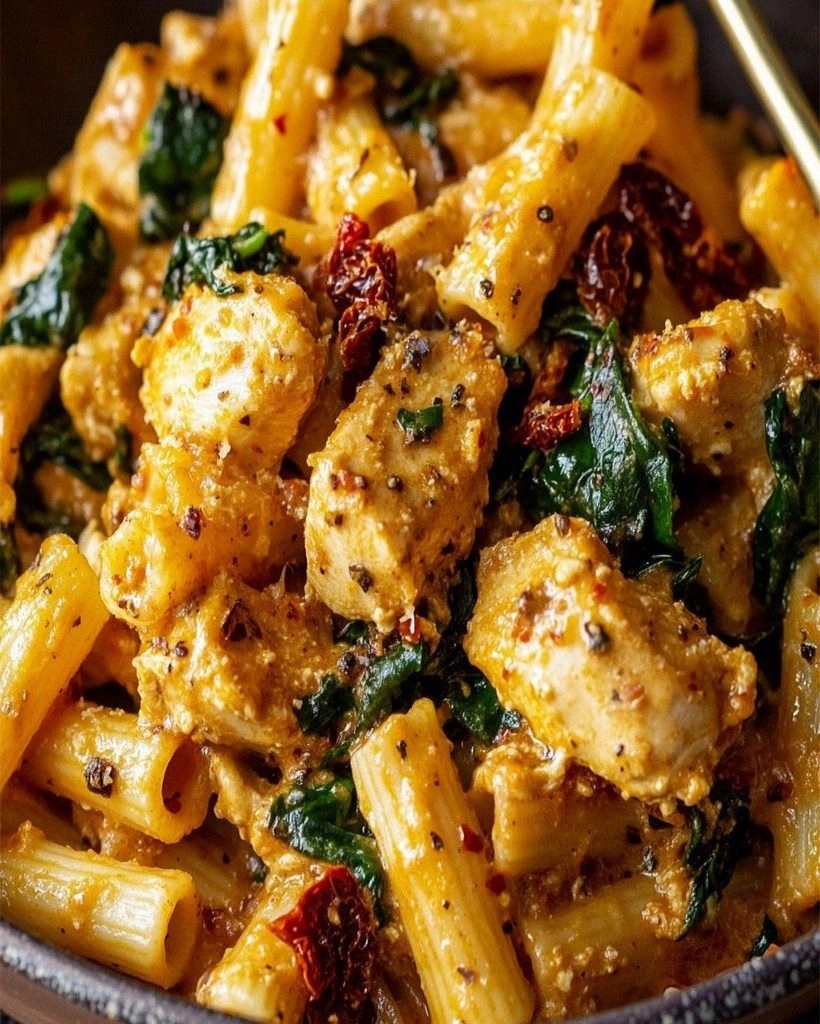
Picture yourself pulling this out of the oven, the whole kitchen smelling like garlic, sun-dried tomatoes, and something deeply savory that makes your stomach growl like a bear waking up from hibernation. The sauce is this gorgeous blush color, flecked with herbs and just enough heat to make your lips tingle in the most pleasant way possible. And here's the kicker — it comes together in one pot, takes under 45 minutes from start to finish, and uses ingredients you probably already have lurking in your kitchen right now.
Let me walk you through every single step — by the end, you'll wonder how you ever made it any other way. This isn't just another pasta recipe; this is the recipe that'll make your friends beg for your secret, the one you'll turn to when you need comfort food that feels fancy, the one that'll make you look like a culinary genius even if you burn water half the time.
What Makes This Version Stand Out
Velvet Sauce: Most recipes get this completely wrong, leaving you with watery disappointment. We build a proper emulsion using pasta water and rendered chicken fat that coats every noodle like liquid silk. The sauce clings to each piece of pasta instead of pooling pathetically at the bottom of your bowl.
Fire-Kissed Chicken: Instead of bland, boiled chunks of rubbery poultry, we sear the chicken hard in the same pan until it develops those gorgeous caramelized edges that shatter like thin ice when you bite into them. The fond left behind becomes liquid gold in our sauce.
Heat That Builds: This isn't face-melting spice that obliterates the other flavors. It's a gentle warmth that sneaks up on you, making you reach for your water glass in the most addictive way possible. Each bite makes you want another, like culinary whack-a-mole.
One-Pot Wonder: Because who wants to wash seventeen dishes on a weeknight? We cook the pasta in the same pan as everything else, letting those starchy noodles thicken our sauce naturally while absorbing all the flavors we've built.
Restaurant-Level Timing: Okay, ready for the game-changer? We don't just dump everything in at once like some amateur hour cooking show. Each ingredient gets added at precisely the right moment, building layers of flavor that'll make your taste buds do a standing ovation.
Make-Ahead Magic: The flavors actually improve overnight, making this the perfect meal prep champion. Picture yourself smugly pulling out a container of this for lunch while your coworkers microwave sad frozen meals.
Crowd Psychology: I've served this to picky toddlers, spice-averse grandmothers, and everything in between. The heat is adjustable, the vegetables are hidden just enough, and everyone ends up licking their plates clean. I've literally watched grown adults fight over the last spoonful.
Alright, let's break down exactly what goes into this masterpiece...
Inside the Ingredient List
The Flavor Base
The foundation of any great dish starts with building blocks that sing in harmony, and our flavor base is like a well-rehearsed choir where every voice matters. We begin with garlic that gets sliced paper-thin, not minced into oblivion, because those delicate slices become little flavor bombs that soften into sweet, mellow perfection. The sun-dried tomatoes aren't just thrown in willy-nilly — they get chopped into precise pieces that distribute evenly throughout the dish, ensuring every forkful has that concentrated umami punch that makes your eyes close involuntarily.
Shallots join the party because they're the sophisticated cousin of onions, bringing a subtle sweetness that plays beautifully with our heat elements. And speaking of heat, we use a combination of red pepper flakes and a whisper of harissa paste. The harissa is my secret weapon — it adds depth and complexity that plain old chili flakes could never achieve, plus it dissolves beautifully into our sauce without leaving gritty bits that feel like eating sand.
The Texture Crew
Texture is what separates amateur cooking from professional-level results, and we've got a whole crew working overtime here. The chicken gets cut into pieces that are neither too big (hello, dry exterior with raw interior) nor too small (goodbye, any hope of caramelization). We're going for that sweet spot where each piece develops a proper crust while staying juicy inside — it's like the Goldilocks zone of poultry preparation.
Then there's the pasta itself, and listen closely because this matters more than you'd think. We use rigatoni or penne, something with ridges and holes that grab onto our sauce like tiny edible sponges. Skip the spaghetti here — those smooth strands let all our hard work slide right off, leaving you with naked noodles and a puddle of disappointment at the bottom of your bowl.
The Unexpected Star
And now the fun part. The ingredient that makes everyone ask "what is that amazing flavor?" Baby kale. Not the tough, bitter stuff that requires massaging and a PhD in chewing. Baby kale wilts down into tender, almost buttery greens that add a vegetal note without screaming "HEALTH FOOD" in your face. It's like the vegetable equivalent of a ninja — doing important work while staying completely under the radar.
The cream comes in the form of mascarpone, not heavy cream, because it brings a subtle tang and richness that doesn't feel like drinking liquid butter. And here's where it gets interesting — we add just a whisper of lemon zest at the very end. Not enough to make it taste like cleaning products, just enough to make all the other flavors snap into focus like adjusting the focus on a camera lens.
The Final Flourish
The finishing touches are where good dishes become legendary dishes. Fresh basil gets added at two different stages — some goes in early to infuse the sauce, more gets stirred in at the end for that bright, green pop that tastes like summer in Italy. Parmesan gets grated on a microplane so it melts instantly into our sauce, creating these little pockets of salty, nutty goodness that surprise and delight.
But the real secret weapon? A splash of pasta water that we add at the very end, after we think we're done. This loosens everything up, creates that glossy sheen that makes food photographers weep with joy, and helps the sauce distribute evenly throughout the pasta. It's like the difference between a good haircut and a great haircut — subtle but transformative.
Everything's prepped? Good. Let's get into the real action...
The Method — Step by Step
- Start by patting your chicken pieces absolutely dry with paper towels — I'm talking desert-level dryness here. Any moisture on the surface is going to create steam instead of that gorgeous caramelization we're after. Season aggressively with salt, pepper, and a whisper of smoked paprika that'll add depth without anyone being able to put their finger on what makes it taste so good. Heat your largest heavy-bottomed pan over medium-high heat until a drop of water dances across the surface like it's auditioning for Riverdance.
- When the pan is hot enough that you can't hold your hand an inch above it for more than three seconds, add just enough olive oil to create a thin film — think of it as makeup primer for your pan. Lay the chicken pieces down with space between each one, and here's the hard part: don't touch them for a full four minutes. I know you want to peek, to poke, to adjust, but resist! Those crispy edges are forming a crust that'll make angels weep. When they're ready, they'll release themselves from the pan like magic.
- Once your chicken is golden and gorgeous, remove it to a plate and immediately add your sliced garlic and shallots to the same pan. That sizzle when they hit the pan? Absolute perfection. The residual heat plus the chicken fat left behind creates a flavor base that would make a French chef weep with joy. Stir constantly for about 90 seconds — you want them softened and fragrant but not browned, because burnt garlic turns bitter faster than a breakup text.
- Now comes the moment of truth: add your sun-dried tomatoes and red pepper flakes. The oil from the tomatoes mingles with the chicken fat and garlic oil, creating this incredible aroma that'll have your neighbors knocking on your door with empty plates. Cook for another minute, letting the tomatoes get slightly sticky and caramelized on the edges. This is where most recipes go wrong — they add everything at once and end up with mushy, indistinguishable bits.
- Stir in the tomato paste and harissa, cooking for just 30 seconds while stirring like your life depends on it. You're looking for the paste to darken slightly and smell toasty rather than raw. Deglaze with a splash of white wine — it doesn't have to be expensive, but it should be something you'd actually drink. Let it bubble away, scraping up all those gorgeous brown bits (fond) from the bottom of the pan. This is pure flavor concentration happening right before your eyes.
- Pour in your chicken broth and bring everything to a gentle simmer. Add your pasta directly to the pan — yes, uncooked, hard, right-out-of-the-box pasta. I know this feels wrong, like wearing socks with sandals, but trust the process. The pasta will cook in all these amazing flavors, absorbing them as it releases starch that thickens our sauce naturally. Stir frequently for the first few minutes to prevent sticking, then let it do its thing for about 8 minutes.
- When the pasta is just shy of al dente (it should still have a tiny white core when you bite into it), add the baby kale and half your basil. The kale will wilt down dramatically — it'll look like too much at first, but it shrinks like cotton candy in the rain. Stir in your mascarpone a tablespoon at a time, letting each addition melt completely before adding the next. This prevents the sauce from breaking and gives you that glossy, restaurant-quality finish.
- Return the chicken and any accumulated juices to the pan, stirring gently to coat everything in that gorgeous sauce. Let it simmer for two minutes — just enough to reheat the chicken without overcooking it into dry, stringy sadness. Taste and adjust seasoning with salt, pepper, or more red pepper flakes if you want to live dangerously. The sauce should coat the back of a spoon but still be pourable.
- Remove from heat and add your lemon zest and remaining fresh basil. That citrus oils from the zest will make everything taste brighter and more alive, like turning up the saturation on a photo. Grate fresh Parmesan directly over the top and give it one final gentle stir. Let it rest for exactly five minutes — this allows the sauce to thicken slightly and the flavors to meld together in perfect harmony. Serve immediately, garnished with more fresh basil and a final flourish of Parmesan, because you're worth it.
That's it — you did it. But hold on, I've got a few more tricks that'll take this to another level...
Insider Tricks for Flawless Results
The Temperature Rule Nobody Follows
Here's what separates restaurant-quality results from home cooking disasters: temperature control. Your pan should be hot enough to sear but not so hot that it burns your aromatics. I use the water drop test — flick a few drops of water into the pan. If they dance and evaporate within 2-3 seconds, you're in the sweet spot. Too hot and your garlic burns faster than you can say "Mama Mia." Too cool and your chicken steams instead of sears, leaving you with pale, rubbery disappointment.
A friend tried skipping this step once — let's just say it didn't end well. She cranked her burner to high, threw everything in at once, and ended up with chicken that tasted like burnt garlic and broken dreams. Don't be like Sarah. Control your heat like you control your Netflix queue — with intention and purpose.
Why Your Nose Knows Best
Don't underestimate the power of your sense of smell during cooking. When the garlic is ready, it'll smell sweet and fragrant, not sharp and raw. When your tomato paste is properly caramelized, it'll smell rich and complex, not like the can it came from. Your nose is your built-in kitchen timer that's more reliable than any gadget you can buy.
I always tell people to trust their noses over the clock. Every stove is different, every pan heats differently, but your sense of smell is consistently telling you exactly what's happening in your pan. When that sun-dried tomato hits the hot oil and fills your kitchen with that incredible aroma, that's when you know you're on the right track.
The 5-Minute Rest That Changes Everything
I'll be honest — I ate half the batch before anyone else got to try it the first time I made this. But here's what I learned: letting it rest for five minutes after cooking transforms the entire dish. The sauce thickens slightly, the pasta absorbs just enough liquid to become perfectly coated, and the flavors meld together in a way that makes you understand why Italians are so passionate about their food.
This rest period is like the difference between a good photo and a great photo — it's all about the final adjustments. During this time, the residual heat continues cooking the pasta just enough, the sauce reaches the perfect consistency, and you get a moment to set the table, pour some wine, and anticipate what's about to happen to your taste buds.
Creative Twists and Variations
This recipe is a playground. Here are some of my favorite ways to switch things up:
The Seafood Seduction
Swap the chicken for shrimp and scallops, but here's the key: sear them separately and add them back at the very end. Seafood cooks in minutes and turns rubbery if you look at it wrong. Use the same flavor base but add a splash of Pernod when you deglaze — it'll add this incredible anise note that makes the whole dish taste like you cooked it in a Mediterranean fishing village.
The mascarpone gets replaced with a touch of crème fraîche, and fresh tarragon joins the basil party. This version feels like eating at a fancy seaside restaurant, except you're in your pajamas and nobody judges you for licking the plate.
The Vegetarian Victory
Replace chicken with roasted cauliflower that's been tossed with smoked paprika and roasted until the edges turn dark and caramelized. The cauliflower absorbs all those amazing flavors while adding its own nutty sweetness. Throw in some cannellini beans for protein, and you've got a vegetarian dish that'll make even the most dedicated carnivores ask for seconds.
The trick is roasting the cauliflower at high heat separately, then adding it at the end so it stays crispy. Nobody wants mushy vegetables floating in their pasta like sad little life rafts.
The Winter Comfort
Add roasted butternut squash cubes and swap the kale for spinach. The sweetness of the squash plays beautifully with the heat from the harissa, creating this sweet-spicy dance that feels like wearing a cozy sweater. Use sage instead of basil, and suddenly this summery dish becomes pure autumn comfort.
This version is what you make when the weather turns cold and you need something that feels like a warm hug from the inside out. The colors alone — orange squash, green spinach, red sauce — look like autumn on a plate.
The Protein Powerhouse
Add spicy Italian sausage along with the chicken, removing it from its casing and breaking it up into little flavor bombs throughout the dish. The fennel in the sausage adds this incredible depth, while the pork fat mingles with everything else to create what I can only describe as liquid happiness.
This version feeds teenage boys, construction workers, and anyone else who needs serious calories. It's not dainty, it's not subtle, but it is absolutely delicious and guaranteed to put anyone into the best food coma of their life.
The Spring Fling
Use asparagus tips and fresh peas, adding them in the last two minutes so they stay bright green and slightly crisp. The mascarpone gets lightened with a touch of lemon juice, and fresh mint joins the basil for a version that tastes like spring has exploded in your mouth.
This is what you make when you're so sick of winter that you need to taste sunshine, even if it's still snowing outside. The colors stay bright and fresh, and it feels like you're doing something good for yourself while still eating pasta, which is basically the perfect combination.
The Extra Spicy Challenge
For those who like to live dangerously, add Calabrian chili paste along with the harissa, and throw in some crushed red pepper at the very end. The key is layering the heat — some cooked into the sauce, some added fresh at the end. This creates a complex heat that builds and lingers without overwhelming the other flavors.
Warning: this version has made grown men cry (happy tears, but still). Keep milk handy, not because you'll need it (the mascarpone helps tame the heat), but because it's fun to watch your friends panic and then realize they're actually fine.
Storing and Bringing It Back to Life
Fridge Storage
This keeps beautifully in the fridge for up to four days, but here's the key: store the pasta and sauce together in an airtight container, but don't add extra cheese on top until you're ready to reheat. The pasta continues absorbing liquid as it sits, so it actually gets better over the first day or two. After that, the kale starts to get a bit soggy, but honestly, it's still delicious.
Use glass containers if possible — they don't absorb odors like plastic, and they reheat more evenly. Plus, there's something deeply satisfying about seeing those gorgeous layers through the clear glass, like edible art in your refrigerator.
Freezer Friendly
Here's where it gets interesting: this freezes beautifully, but with one caveat. Freeze it without the mascarpone, then stir that in when you reheat. Dairy can get grainy in the freezer, but everything else holds up perfectly. Portion it into individual servings so you can grab exactly what you need for a quick lunch or dinner.
Freeze in freezer bags laid flat — they thaw faster and take up less space. Label them with masking tape and a Sharpier, because three months from now, you'll appreciate knowing exactly what mystery meal you're defrosting. Pro tip: squeeze out as much air as possible to prevent freezer burn, which is basically the arch-nemesis of delicious leftovers.
Best Reheating Method
The microwave works in a pinch, but the stovetop is where the magic happens. Add a splash of water or chicken broth to loosen everything up, then heat gently over medium-low heat, stirring frequently. Add a tiny splash of water before reheating — it steams back to perfection and prevents everything from drying out into sad, crusty clumps.
Whatever you do, don't blast it with high heat. Gentle warming prevents the sauce from breaking and keeps the chicken from turning into those horrible little rubber pellets that bounce off your fork. Low and slow is the name of the game here, like you're coaxing flavor back to life rather than nuking it into submission.