Picture this: I’m standing in a cramped kitchen, the stove roaring like a beast, and a bag of instant ramen that just won’t do. The noodles were soggy, the seasoning too bland, and my craving for something truly authentic was screaming louder than the clatter of my pots. I pulled out my trusty skillet, tossed a handful of chili oil, and the room filled with an aroma that could have made the gods swoon. That moment was the spark that lit a fire in my culinary soul—an unquenchable desire to create something that would leave my friends begging for seconds.
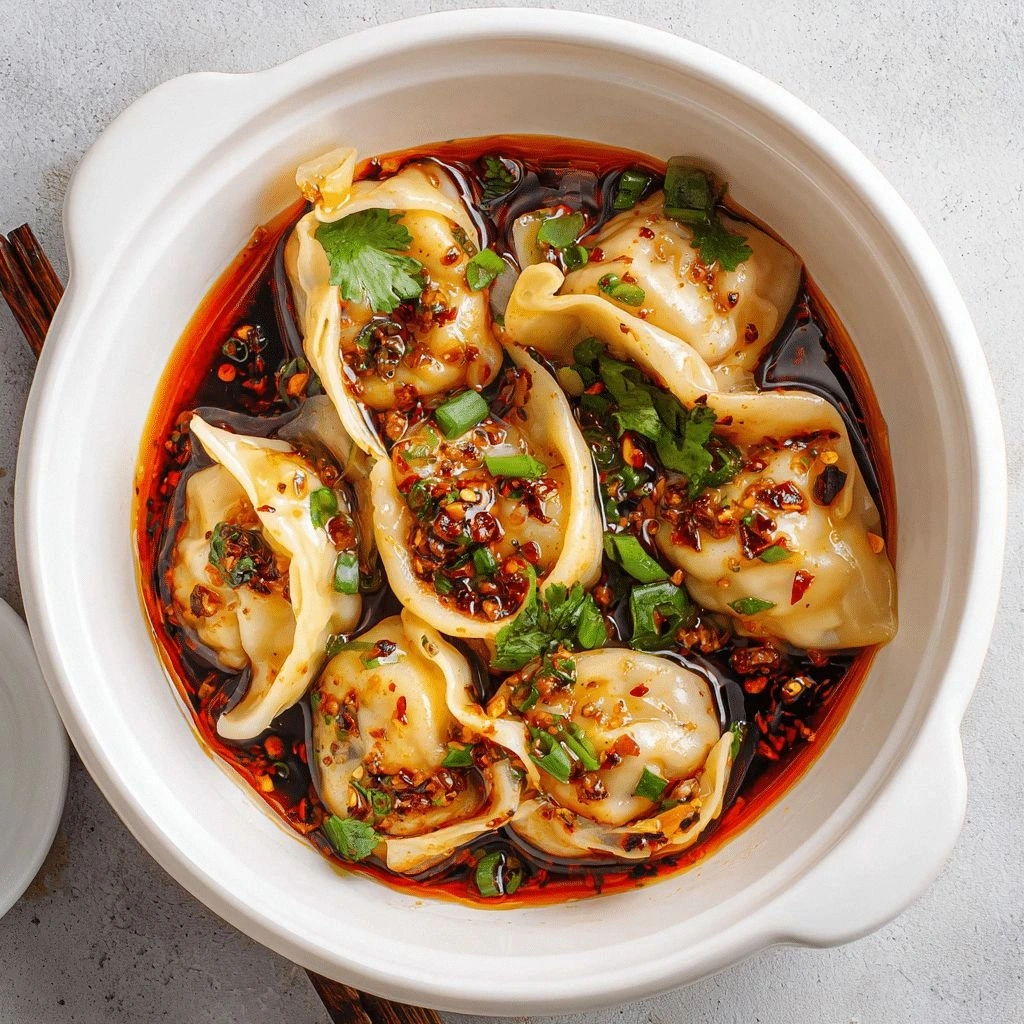
I dared you to taste this and not go back for seconds. The first bite is a shock of heat that dances on your tongue, followed by a deep umami burst that lingers like a secret whispered in the dark. The wonton wrappers are crisp on the outside, yet tender enough to cradle the savory filling without tearing. The chili oil coats the surface like velvet, releasing a subtle peppercorn buzz that tickles every sense. This is hands down the best version you'll ever make at home.
Most recipes get this completely wrong. They either over‑sauté the filling, under‑season the sauce, or forget the essential Sichuan pepper that gives the dish its signature numbing heat. I’ve spent countless hours tweaking proportions until the flavor profile hit that sweet spot where heat meets harmony. The result is a dish that feels both comforting and adventurous, a perfect balance of familiar textures and bold, unexpected flavors.
I’ll be honest—my kitchen smelled like a fireworks display when the chili oil hit the hot oil. The sizzling sound was almost as satisfying as the taste. The aroma carried through the whole house, drawing curious neighbors into the kitchen doorway. Picture yourself pulling this out of the oven, the whole kitchen smelling incredible, and people gathering around just to taste a bite.
If you've ever struggled with this, you're not alone—and I've got the fix. The trick is in the timing, the temperature, and that secret ingredient that turns a simple wonton into a flavor explosion. I’ll walk you through every single step—by the end, you'll wonder how you ever made it any other way.
This isn’t just another recipe; it’s a culinary adventure that invites you to explore the depths of Sichuan cuisine. The combination of fiery chili oil, numbing Sichuan pepper, and the comforting crunch of wontons creates an experience that is both nostalgic and daring. The moment the first bite hits your palate, you’ll realize this dish is a masterpiece that deserves a place in your kitchen arsenal.
What Makes This Version Stand Out
- Taste: The sauce is a symphony of heat, umami, and citrusy brightness. Each spoonful delivers a layered flavor that wakes up the senses. The balance between spicy and savory is meticulously calibrated.
- Texture: The wrappers are crisp yet tender, with a gentle snap that signals quality. Inside, the filling is moist but not soggy, thanks to the precise ratio of meats and aromatics. The chili oil glazes the surface, creating a glossy sheen.
- Simplicity: No exotic gadgets or obscure ingredients are required. Every component is pantry‑friendly, making it easy for beginners to replicate. The process is straightforward, yet the result feels luxurious.
- Uniqueness: The addition of Sichuan peppercorn powder sets this dish apart from typical chili oil recipes. It introduces a numbing element that elevates the overall experience. The subtle hint of rice vinegar balances the heat beautifully.
- Crowd Reaction: Friends who have tried this rave about the bold flavors and crunchy texture. They often comment that it feels like a street‑food snack, but with a gourmet twist. The dish is guaranteed to spark conversation.
- Ingredient Quality: Fresh pork and chicken give the filling depth, while high‑quality chili oil ensures a clean, robust heat. Using fresh scallions and ginger adds bright aromatics that elevate the dish.
- Cooking Method: Frying the wontons until golden, then tossing them in hot chili oil, creates a unique caramelization that deepens flavor. The technique is simple but effective.
- Make‑Ahead Potential: The wontons can be assembled ahead of time and fried later, making this a perfect dish for parties or gatherings. The chili oil can be stored and re‑heated with a splash of water.
Alright, let's break down exactly what goes into this masterpiece.
Inside the Ingredient List
The Flavor Base
Soy sauce, sesame oil, and rice vinegar form the backbone of the sauce. Soy sauce brings depth and saltiness that balances the heat. Sesame oil adds a nutty aroma that complements the chili oil. A splash of rice vinegar cuts through the richness, preventing the dish from becoming too heavy.
The Texture Crew
Ground pork and ground chicken create a juicy, flavorful filling. The pork provides fat for moisture, while the chicken adds lean protein. Water chestnuts add crunch and a subtle sweetness that contrasts with the heat. Scallions and minced garlic give a fresh, aromatic lift.
The Unexpected Star
Sichuan peppercorn powder is the secret that sets this dish apart. It delivers a unique numbing sensation that pairs perfectly with chili oil. The peppercorns are ground just before use to preserve their aromatic oils. When combined with chili oil, they create a complex, multi‑layered flavor.
The Final Flourish
Chili oil is the finishing touch that coats the wontons with a glossy, fiery glaze. It is made with a blend of chili flakes and neutral oil, infused with Sichuan pepper for extra depth. A pinch of sugar balances the heat and enhances the umami profile. The final touch is a drizzle of sesame oil for that subtle nutty finish.
Everything's prepped? Good. Let's get into the real action.
The Method — Step by Step
- Begin by mixing the ground pork and chicken in a large bowl. Add the diced water chestnuts, scallions, minced garlic, and ginger. Stir until the mixture is cohesive and the aromatics are evenly distributed. This step ensures the filling stays moist during frying. The texture should feel slightly sticky but not dry.
- Season the filling with soy sauce, sesame oil, salt, and black pepper. Mix thoroughly so the seasoning permeates every bite. The salt will help balance the heat from the chili oil later. Be careful not to over‑salt; you can always add more later if needed. The filling should smell fragrant and slightly savory.
- Lay out the wonton wrappers on a clean surface. Place a teaspoon of the filling in the center of each wrapper. Fold the wrappers into triangles, pressing the edges to seal. Ensure the seams are tight to prevent leaks during frying. The wrappers should be pliable but not too soft.
- Heat vegetable oil in a large skillet over medium heat. Once the oil shimmers, carefully add the wontons in batches. Fry until golden brown on all sides, about 3–4 minutes per batch. Flip them gently to avoid breaking. The wontons should be crisp on the outside and tender inside.
- In a separate bowl, combine chili oil, Sichuan peppercorn powder, and a splash of rice vinegar. Whisk until the peppercorns are evenly distributed. This sauce should be thick enough to coat the wontons without dripping. The aroma will be a tantalizing mix of heat and citrus.
- Once the wontons are fried, drain them on paper towels to remove excess oil. Transfer them to a large mixing bowl. Pour the chili sauce over the wontons, tossing gently to coat each piece. The sauce should cling to every nook and cranny. Let the wontons rest for a minute to absorb the flavors.
- Add a drizzle of sesame oil over the finished wontons. This final step adds a subtle nutty aroma that ties all the flavors together. Sprinkle a pinch of sugar to balance the heat. The sugar should dissolve into the sauce, creating a glossy sheen.
- Serve immediately with a side of chilled soy sauce for dipping. The contrast of hot and cold will elevate the experience. Garnish with extra scallions if desired. The dish should look vibrant and inviting. Enjoy the first bite as a burst of heat and umami.
That's it — you did it. But hold on, I've got a few more tricks that'll take this to another level. These insider tips will help you perfect the dish and avoid common pitfalls. Trust me, once you master these nuances, you'll be the go-to chef for Sichuan-style snacks.
Insider Tricks for Flawless Results
The Temperature Rule Nobody Follows
The oil temperature should stay around 350°F (175°C). Too hot, and the wrappers will burn before the filling cooks; too cool, and they’ll absorb excess oil. Use a thermometer or the classic wood‑stick test: drop a small piece of wrapper in, and if it sizzles immediately, you’re good. Maintaining consistent heat ensures crisp edges without soggy centers.
Why Your Nose Knows Best
As soon as the chili oil hits the hot pan, a distinct aroma will rise. That scent is a cue that the oil has reached the right temperature and is ready for the wontons. Trust your nose; it’s a reliable indicator of readiness. If you’re unsure, sprinkle a few drops of water on the surface; if it sizzles, you’re set.
The 5‑Minute Rest That Changes Everything
After tossing the fried wontons in sauce, let them rest for five minutes. This allows the flavors to meld and the sauce to seep into the wrappers. The rest period also gives the heat a chance to mellow slightly, making the dish more approachable. A quick pause can elevate a good dish to great.
Keep the Wontons Fresh Until Serving
If you’re preparing ahead, stack the wontons on a parchment‑lined tray and cover loosely with foil. Avoid sealing them tightly; you want a bit of airflow to prevent condensation. When you’re ready to serve, re‑heat in a hot skillet for a minute to restore crispness.
Use Fresh Chili Oil for Intensity
Store-bought chili oil can be bland. Making your own by infusing neutral oil with dried chili flakes and Sichuan peppercorns adds depth and authenticity. The homemade version retains fresh heat and aroma, making each bite unforgettable.
Creative Twists and Variations
This recipe is a playground. Here are some of my favorite ways to switch things up:
Vegetarian Delight
Replace the pork and chicken with diced tofu, mushrooms, and a splash of soy sauce. The tofu provides protein, while mushrooms add umami. The result is a lighter, plant‑based version that still delivers heat. It’s perfect for meat‑free nights.
Seafood Surprise
Swap the ground meats for minced shrimp and scallops. The seafood brings a briny sweetness that contrasts nicely with the chili oil. Add a dash of lemon zest for brightness. The dish becomes a sophisticated, upscale appetizer.
Spicy Kimchi Fusion
Mix in chopped kimchi with the filling for a Korean twist. The fermented flavor adds depth and a subtle tang. Use gochujang instead of chili oil for a different heat profile. This version is a bold, adventurous take.
Sweet and Savory Twist
Incorporate diced pineapple and a touch of brown sugar into the filling. The sweetness balances the heat, creating a caramelized glaze when fried. The pineapple also adds juiciness. It’s a tropical take on the classic.
Herb‑Infused Variation
Add fresh cilantro, mint, and basil to the filling. The herbs bring a fresh, aromatic layer that cuts through the richness. Pair with a lime‑infused chili oil for extra zing. This version is bright and refreshing.
Mushroom & Truffle Edition
Replace the ground meats with finely chopped porcini and shiitake mushrooms. Drizzle a touch of truffle oil after frying. The earthy flavors elevate the dish to a gourmet level. It’s a decadent treat for special occasions.
Storing and Bringing It Back to Life
Fridge Storage
Store fried wontons in an airtight container in the refrigerator for up to 3 days. Keep them in a single layer to prevent sticking. When ready to serve, re‑heat in a hot skillet for 1–2 minutes until crisp again. The flavor profile remains intact, but the texture will be slightly softer.
Freezer Friendly
For longer storage, freeze the fried wontons in a single layer on a parchment sheet. Once frozen, transfer them to a freezer bag. They can stay in the freezer for up to 2 months. Thaw at room temperature before reheating in a skillet.
Best Reheating Method
Reheat by placing the wontons in a hot skillet with a splash of water. The water creates steam that helps restore crispness. After 1–2 minutes, remove the water and let the wontons finish crisping. This method preserves the original texture better than a microwave.