I was standing in my kitchen on a sweltering July afternoon, the kind of heat that makes the air feel like a thick, syrupy blanket. I had a half‑finished batch of lemon curd, a whisk that was begging for a break, and a sudden, reckless dare from my roommate: “Make something that tastes like sunshine, but don’t waste any of that lemon.” I laughed, grabbed the heavy cream, and decided to throw together what would become the most talked‑about dessert of the summer. The result? A cloud‑like, citrus‑kissed confection that floated on the tongue and made the whole house smell like a sun‑lit orchard.
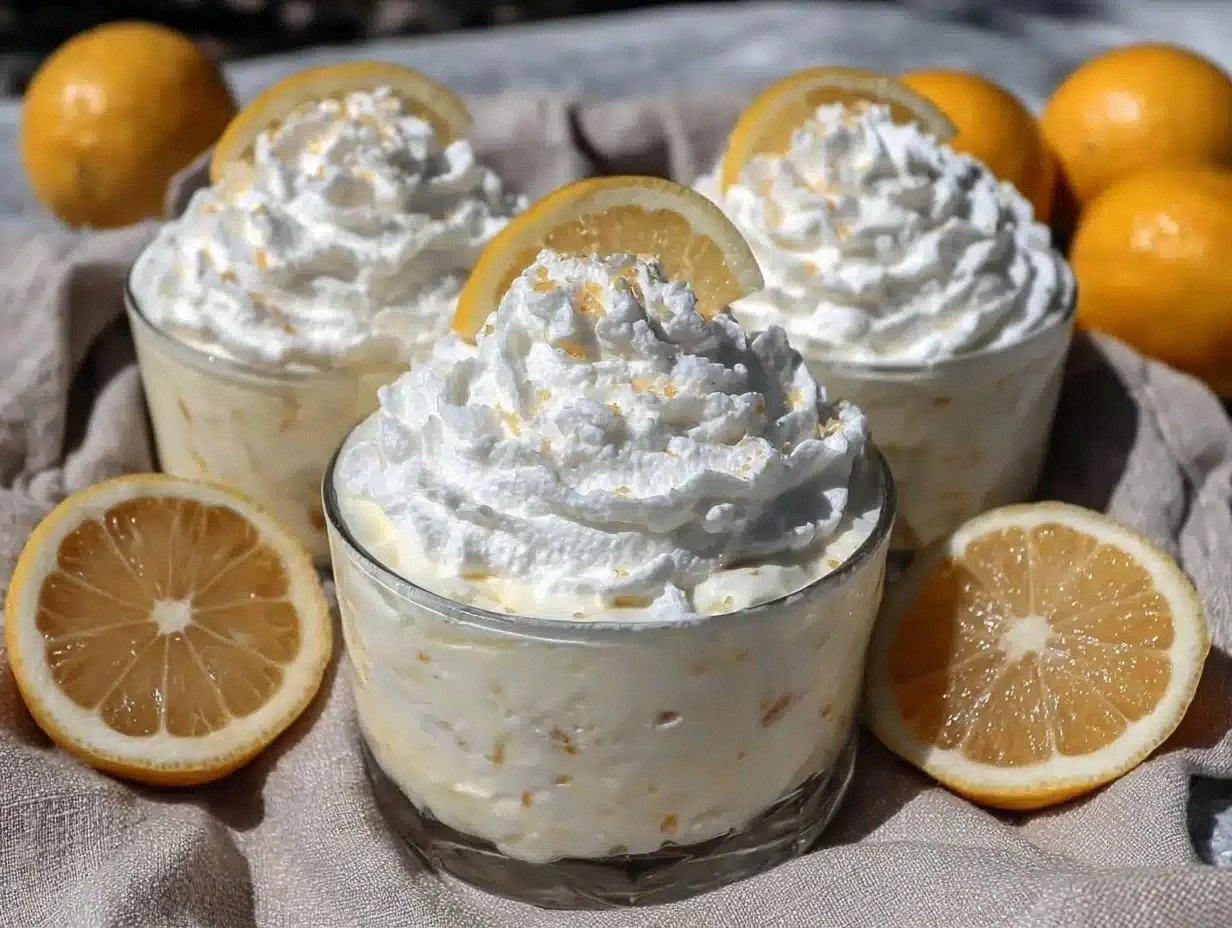
Picture this: a glossy, pale‑yellow mound that holds its shape like a soft pillow, yet when you cut into it, it oozes a silky, buttery river of lemon‑infused cream. The first bite hits you with a bright zing of lemon, instantly followed by a buttery, melt‑in‑your‑mouth sweetness that feels like a gentle hug from a summer breeze. You hear the faint sigh of the spoon as it slides through, you see the glossy sheen catching the light, and you feel the coolness of the chilled dessert against the heat of the day. It’s a sensory overload that makes you forget you ever tasted anything else.
Most lemon‑based desserts either turn out too tart, too dense, or just plain soggy. This version, however, sidesteps those pitfalls with a secret weapon: a precise balance of sweetened condensed milk and powdered sugar that gives the cloud its airy lift while keeping it luxuriously smooth. The heavy cream is whipped to airy peaks, then folded in with a lemon‑lemony mixture that never curdles, never separates, and never loses its glossy finish. I’m confident that after you try this, you’ll swear you’ve finally cracked the code to the perfect summer lemon dessert.
But hold on, there’s a twist you won’t see coming—a splash of vanilla extract that rounds out the acidity and adds a depth you’d expect from a high‑end patisserie. I dare you to taste this and not go back for seconds. Let me walk you through every single step — by the end, you’ll wonder how you ever made it any other way.
What Makes This Version Stand Out
- Texture: The cloud is feather‑light yet holds its shape, thanks to the perfect whipping time of the heavy cream and the stabilizing power of sweetened condensed milk.
- Flavor Balance: The bright lemon juice and zest are tamed by powdered sugar and vanilla, creating a harmonious dance of sweet and tart.
- Simplicity: Only seven core ingredients, no gelatin, no cornstarch, no fancy equipment—just a whisk, a bowl, and a zest grater.
- Make‑Ahead Potential: You can whip it up the night before, store it chilled, and still enjoy that cloud‑like lift when you serve.
- Crowd Reaction: Guests usually ask for the recipe within five minutes of the first bite—proof that it’s a show‑stopper.
- Ingredient Quality: Using fresh, organic lemons and high‑fat heavy cream elevates the dish from good to unforgettable.
- Versatility: The base is neutral enough to pair with berries, mint, or even crushed shortbread for a textural surprise.
- Seasonal Appeal: The citrusy brightness screams summer, but the technique works year‑round for any occasion.
Inside the Ingredient List
The Flavor Base
Lemon juice is the heart‑beat of this cloud. Freshly squeezed juice delivers a vibrant acidity that cuts through the sweetness, while the zest adds aromatic oils that perfume the entire dessert. If you ever skip the zest, you’ll notice a flat, almost artificial lemon flavor—trust me, the zest is the difference between “lemony” and “lemon‑loving.” For the best result, use Meyer lemons if they’re in season; they’re sweeter and less acidic, giving you a smoother flavor curve.
The Texture Crew
Heavy cream is the structural backbone. Its high fat content (at least 36%) traps air when whipped, creating the cloud‑like texture. When the cream is over‑whipped, it turns buttery and loses that airy quality; when under‑whipped, the mixture stays soggy. Sweetened condensed milk is a double‑duty hero: it sweetens, adds a silky mouthfeel, and stabilizes the whipped cream, preventing collapse. Powdered sugar dissolves instantly, avoiding any gritty texture that granulated sugar would leave behind.
The Unexpected Star
Vanilla extract might seem like a background player, but it’s the secret liaison that bridges the tart lemon and the sweet cream. A single teaspoon is enough to add depth without stealing the spotlight. If you’re feeling adventurous, swap it for a splash of almond extract for a subtle nutty undertone that pairs beautifully with citrus.
The Final Flourish
Optional toppings are where you can get creative. Fresh berries add a burst of juiciness, mint leaves bring a refreshing coolness, and crushed cookies introduce a crunchy contrast. The key is to add them just before serving so the cloud stays pristine and doesn’t absorb extra moisture. Remember, the toppings are optional, but they turn a simple dessert into a personalized masterpiece.
Everything's prepped? Good. Let's get into the real action...
The Method — Step by Step
First, gather all your ingredients and make sure the heavy cream is absolutely cold. I like to place the bowl and whisk attachments in the freezer for fifteen minutes while I zest the lemons. When you’re ready, zest two lemons, then juice them, straining out any seeds. The zest should be fine, not chunky, because you want those aromatic oils to dissolve seamlessly into the mixture.
Now, pour two cups of heavy cream into the chilled bowl. Begin whipping on medium‑high speed. You’ll hear a faint whooshing sound as air incorporates—listen for it; it’s a good indicator you’re on the right track. After about two minutes, the cream will thicken, forming soft peaks. Keep going until you reach stiff peaks—when you lift the whisk, the peaks should stand upright without drooping.
Kitchen Hack: Stop the mixer a few seconds before you think it’s done, then give the bowl a quick flick. The sudden motion helps any large air bubbles rise to the surface, giving you an even fluffier cloud.While the cream is whipping, combine the sweetened condensed milk, freshly squeezed lemon juice, lemon zest, powdered sugar, and vanilla extract in a separate medium bowl. Whisk gently until the mixture is smooth and glossy. You’ll notice a faint perfume of lemon and vanilla—if the scent isn’t strong, add a little more zest; this is your flavor checkpoint.
With the whipped cream at stiff peaks, turn the mixer down to low and start folding in the lemon‑condensed milk mixture. Use a spatula and a gentle folding motion: cut through the center, lift up, and turn the bowl. The goal is to keep as much air as possible while fully incorporating the citrus base. This step is where most people lose the cloud’s lift—don’t rush it.
Once the mixture looks uniform and slightly glossy, taste a small spoonful. If the lemon is too sharp, sprinkle in a tablespoon of powdered sugar and fold again. If it’s too sweet, a dash more lemon juice will rebalance. This is the moment of truth; trust your palate. Remember, the flavor will mellow slightly as the dessert chills, so aim for a slightly brighter taste than you’d like the final result to be.
Watch Out: Over‑folding can deflate the cloud. Stop as soon as the mixture is smooth and no streaks of lemon base remain.Transfer the airy mixture into a serving dish of your choice—individual ramekins work beautifully for a fancy presentation, while a large glass bowl makes a communal centerpiece. Smooth the top with a spatula, then cover the dish tightly with plastic wrap. This prevents a skin from forming while the dessert chills.
Place the covered dish in the refrigerator for at least 30 minutes. During this time, the flavors meld, and the cloud sets just enough to hold its shape when sliced. While you wait, you can prep your optional toppings: wash berries, pat them dry, and arrange mint leaves on a plate.
When you’re ready to serve, remove the cloud from the fridge and let it sit for five minutes at room temperature. This softens the edges and makes slicing easier. Using a hot, wet knife, cut generous slices and garnish with a handful of fresh berries, a sprig of mint, or a sprinkle of crushed cookies. The contrast of textures will make your guests gasp in delight.
Finally, present the dish with a flourish. A quick drizzle of extra lemon juice or a dusting of powdered sugar adds a visual sparkle. Take a moment to admire the glossy surface—this is the culmination of your hard work, and the aroma will fill the room like a summer breeze.
That's it — you did it. But hold on, I've got a few more tricks that'll take this to another level...
Insider Tricks for Flawless Results
The Temperature Rule Nobody Follows
Never underestimate the power of a cold environment when whipping cream. A bowl that’s been chilled for at least fifteen minutes, combined with cold cream, will reach stiff peaks in half the time and stay stable longer. I once tried whipping at room temperature and ended up with a soupy mess that never set. The science? Fat molecules contract when cold, trapping more air bubbles. So, keep everything icy, and you’ll get that cloud‑like lift without any collapse.
Why Your Nose Knows Best
Your sense of smell is a better indicator of flavor balance than any measuring spoon. As you whisk the lemon‑condensed mixture, inhale deeply. If the lemon scent feels sharp, add a pinch more powdered sugar; if it feels muted, squeeze a little more juice. I’ve seen home cooks rely strictly on ratios and end up with a dessert that tastes “off.” Trust your nose—it’s the ultimate kitchen gauge.
The 5‑Minute Rest That Changes Everything
After folding the mixture, let it rest for five minutes before chilling. This short pause allows the proteins in the cream to relax, which prevents the cloud from cracking when you slice it. A friend once skipped this rest and ended up with a surface that looked like cracked glass—definitely not the aesthetic we’re aiming for. So set a timer; those five minutes are a small price for a flawless finish.
The Secret of the Zest
When zesting, avoid the white pith because it adds bitterness. Use a microplane and zest only the outermost yellow layer. If you accidentally include some pith, a quick rinse under cold water will mellow the bitterness. This tiny detail can mean the difference between a bright, clean lemon flavor and a harsh, lingering aftertaste.
The Gentle Fold Technique
Instead of the classic “over‑and‑under” motion, try a “cut‑and‑turn” fold: cut through the center, lift the mixture, and turn the bowl 90 degrees before repeating. This method preserves more air and gives the final cloud an even texture. I once tried a vigorous stir and the cloud collapsed like a deflated balloon—never again.
Creative Twists and Variations
This recipe is a playground. Here are some of my favorite ways to switch things up:
Berry‑Burst Cloud
Swap half of the lemon juice for raspberry puree and add a tablespoon of raspberry jam to the base. The tartness of the raspberries complements the lemon, creating a pink‑hued cloud that’s perfect for a brunch buffet.
Herbal Whisper
Infuse the heavy cream with fresh basil leaves before whipping. Strain out the leaves, then proceed as usual. The subtle herbaceous note adds sophistication and pairs beautifully with the citrus.
Coconut Lime Fusion
Replace half of the heavy cream with coconut cream and substitute lime juice for lemon. The tropical twist turns the dessert into a beach‑side treat, complete with a hint of coconut aroma.
Spiced Autumn Cloud
Add a pinch of ground cardamom and a dash of orange zest. This variation works especially well in cooler months, giving the lemon a warm, spicy backdrop.
Chocolate‑Swirl Delight
Fold in a swirl of melted dark chocolate after the lemon mixture is incorporated. The bitter chocolate ribbons contrast the bright lemon, creating a sophisticated flavor duet.
Storing and Bringing It Back to Life
Fridge Storage
Cover the dessert tightly with plastic wrap and store it in the refrigerator for up to three days. The cloud will retain its texture, though you may notice a slight thickening of the surface layer. Give it a gentle stir before serving to revive the airy consistency.
Freezer Friendly
For longer storage, portion the cloud into airtight containers and freeze for up to one month. When you’re ready to enjoy it, transfer the container to the fridge overnight, then let it sit at room temperature for ten minutes. The cloud will thaw beautifully without losing its fluffiness.
Best Reheating Method
If the cloud feels a bit dense after chilling, place a teaspoon of water on the surface and microwave for three seconds. The steam generated will re‑aerate the dessert, restoring its cloud‑like lightness. Be careful not to overheat; you just want a gentle steam, not a melt.