I still remember the night I tried to rescue a pot of sauce that had been left in the stove for too long. The pan was a thick, blackened mess, the tomatoes had turned into a dark, almost black sludge, and the smell that escaped was a sad, burnt whisper of what could have been a glorious dinner. I stared at it, half hoping it would miraculously transform into something edible, half convinced I’d finally hit the culinary wall. Then I remembered the recipe that had been humming in my head for weeks—a Ragu that promised depth, comfort, and the kind of richness that makes every bite feel like a hug from the inside.
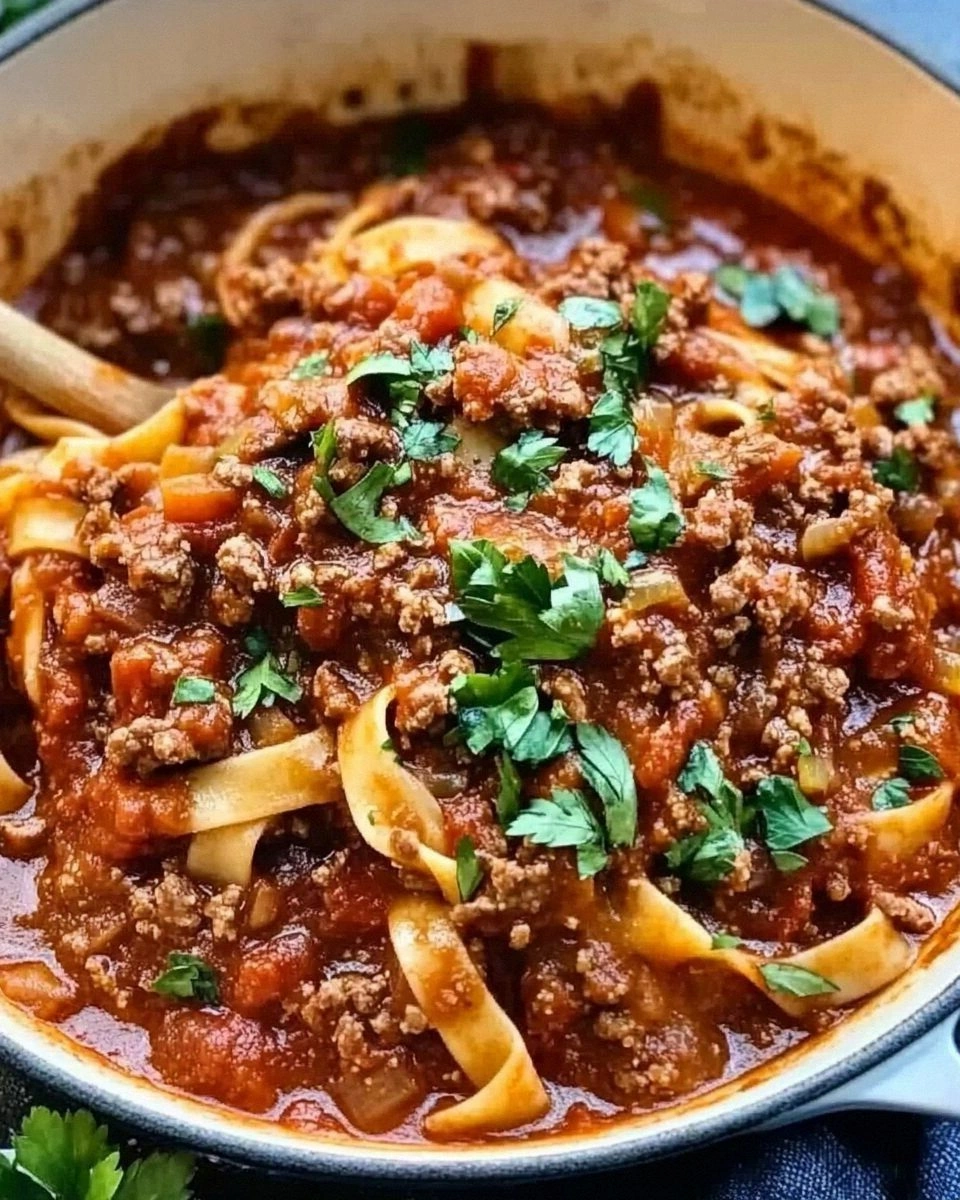
Picture this: a simmering pot that smells like a forest after rain, the sound of gentle bubbles dancing like fireflies, a splash of red wine that tingles your palate before it even touches your tongue, and the texture of meat so tender it practically dissolves in your mouth. The sauce should feel like velvet on your pasta, the tomato base thick enough to cling to every strand, and the herbs whispering their aromatic secrets from the depths of the pot. This is the sensory symphony that makes Ragu more than just a sauce—it’s an experience.
What makes this version stand out is that it’s not just a recipe; it’s a story of patience, precision, and a dash of daring. I dared to add a splash of milk to mellow the acidity, a pinch of sugar to balance the tomatoes, and a slow, low simmer that turns every ingredient into a single, harmonious note. I’ll be honest—my first attempt was a disaster, and I ate half the batch before anyone else got a taste. But the second round? A triumph that has my friends begging for seconds and thirds. This is hands down the best version you'll ever make at home.
I dare you to taste this and not go back for seconds. Imagine pulling a steaming pot of sauce out of the oven, the whole kitchen smelling incredible, and then watching your guests’ eyes widen as they take their first bite. Picture the way the sauce clings to the pasta, how the herbs pop with each forkful, and how the subtle sweetness of the milk balances the tartness of the tomatoes. This is pure culinary alchemy, and I’m about to walk you through every single step. By the end, you’ll wonder how you ever made it any other way.
What Makes This Version Stand Out
Flavor Depth: By layering meats—beef, pork, and pancetta—and letting them brown slowly, the sauce develops a complex umami profile that feels both hearty and refined.
Texture Perfection: The slow simmer breaks down the collagen in the meats, producing a silky consistency that coats the pasta like velvet.
Balanced Acidity: A splash of milk and a hint of sugar neutralize the tomato’s acidity without masking its natural brightness.
Herb Harmony: Using dried oregano, basil, and thyme in precise amounts ensures a fragrant bouquet that doesn’t overpower the meat.
Make‑Ahead Friendly: The sauce actually improves after a day; the flavors meld and deepen, making it perfect for meal prep or a week‑long dinner plan.
Crowd Appeal: Whether you’re cooking for a family dinner or a dinner party, this Ragu has the richness and depth that impresses even the most discerning palates.
Ingredient Quality: Using high‑quality meats and fresh herbs elevates the dish, turning an ordinary meal into a memorable one.
Time Efficiency: While it requires patience, the method is straightforward, and you can set the pot and forget about it for most of the cooking time.
Alright, let's break down exactly what goes into this masterpiece…
Inside the Ingredient List
The Flavor Base
Ground beef, ground pork, and pancetta form the backbone of this sauce. Each brings its own character: beef offers robust umami, pork adds a subtle sweetness, and pancetta contributes a smoky, savory depth. Together, they create a layered flavor profile that feels both comforting and sophisticated. If you skip any, the sauce will feel thin and lacking that rich, meaty punch. For a vegetarian twist, replace the meats with a hearty mix of lentils and mushrooms, but be prepared to adjust the cooking time.
The Texture Crew
Onion, carrot, celery, and garlic are the classic mirepoix that builds the sauce’s foundation. They release their sugars slowly, creating a natural sweetness that balances the acidity of the tomatoes. If you omit any, the sauce’s body will suffer; the texture will feel flat and the flavors less complex. A quick tip: dice the vegetables finely so they cook evenly and dissolve into the sauce, creating that silky base you’re after.
The Unexpected Star
Red wine is the secret ingredient that elevates this Ragu from ordinary to extraordinary. It adds depth, acidity, and a subtle fruitiness that cuts through the richness of the meats. A good rule of thumb: use a dry red wine you’d enjoy drinking. If you’re avoiding alcohol, replace the wine with an equal amount of beef broth and a splash of balsamic vinegar for a similar acidity boost.
The Final Flourish
Milk, tomato paste, crushed tomatoes, and herbs bring the sauce together. The milk softens the acidity of the tomatoes and creates a silky mouthfeel. Tomato paste intensifies the tomato flavor, while crushed tomatoes provide body and color. Fresh herbs like oregano, basil, and thyme release their aromatics during the long simmer, infusing the sauce with a fragrant bouquet. A pinch of salt and pepper, added at the end, brightens all the flavors without overpowering them.
Everything's prepped? Good. Let's get into the real action…
The Method — Step by Step
- Brown the Meats: In a large Dutch oven, heat 2 tablespoons of olive oil over medium‑high heat. Add the ground beef, pork, and pancetta. Break them apart with a wooden spoon and cook until they’re a deep mahogany brown, about 8–10 minutes. This step locks in flavor and sets the stage for a rich sauce. Watch the pan carefully—once the meat starts to brown, keep stirring to avoid sticking.
- Introduce the Mirepoix: Reduce the heat to medium. Add the diced onion, carrot, celery, and minced garlic. Cook until the vegetables soften and the onions become translucent, about 6 minutes. The aromatics should smell like a warm, comforting kitchen, and the vegetables should be tender but still hold shape.
- Deglaze with Wine: Pour in 1 cup of dry red wine, stirring to scrape up the browned bits from the bottom of the pot. Let the wine reduce by half, about 3–4 minutes. This step extracts maximum flavor from the browned meats and adds depth to the sauce. The aroma should become richer, almost smoky.
- Add Tomato Paste: Stir in 2 tablespoons of tomato paste until it’s fully incorporated. Cook for an additional minute, letting the paste caramelize slightly. This step intensifies the tomato flavor and thickens the base. The sauce should start to look glossy.
- Crushed Tomatoes & Herbs: Add 2 cups of crushed tomatoes, 1 bay leaf, 1 teaspoon each of oregano and basil, and 1/2 teaspoon of thyme. Stir well, ensuring the herbs are evenly distributed. The sauce should start to bubble gently. This is the moment of truth—watch the colors deepen.
- Simmer Low and Slow: Reduce the heat to low, cover the pot, and let the sauce simmer for 45 minutes. Stir occasionally to prevent sticking. The sauce should thicken slightly, and the flavors will meld into a harmonious whole. This low simmer is where the magic happens.
- Introduce Milk: After the initial simmer, stir in 1 cup of whole milk. The milk softens the acidity of the tomatoes and creates a silky mouthfeel. Let the sauce simmer for another 20 minutes, uncovered, to allow the milk to integrate fully. The sauce should have a velvety texture and a slightly caramelized edge.
- Finish with Butter: Remove the bay leaf, then stir in 2 tablespoons of unsalted butter. This adds a glossy sheen and a subtle richness that elevates the sauce. Taste and adjust seasoning with salt and pepper to taste. The sauce should feel balanced, with no single flavor dominating.
That's it — you did it. But hold on, I've got a few more tricks that'll take this to another level…
Insider Tricks for Flawless Results
The Temperature Rule Nobody Follows
Many cooks think that a high simmer is the secret to a great sauce. In reality, a low, gentle simmer preserves the integrity of the meat and allows flavors to marry. I once cooked at a rolling boil and ended up with a sauce that was watery and uneven. The trick is to let the sauce bubble just enough to keep it moving, but not so much that it evaporates too quickly. A thermometer reading of 185–190°F is ideal for the final stage.
Why Your Nose Knows Best
Before you taste the sauce, give it a sniff. The aroma will tell you if something’s off. If the smell leans too much toward burnt or acidic, let it simmer longer. If it’s too sweet, a splash of vinegar or a pinch of salt can balance it. Your nose is the most reliable judge of flavor harmony.
The 5‑Minute Rest That Changes Everything
After you finish cooking, let the sauce rest for 5 minutes before serving. This allows the flavors to settle and the sauce to thicken slightly as it cools. A friend once served his sauce immediately, and it felt thin and watery. The rest period is a small price for a richer, more cohesive sauce.
Using Fresh Herbs for a Burst of Brightness
If you have fresh oregano, basil, or thyme on hand, add them at the end of cooking. Fresh herbs release bright, bright flavors that dried herbs can’t match. Just a handful of fresh leaves tossed in the last 2 minutes of simmer will elevate the sauce to gourmet status.
Stirring Techniques for Evenness
Stirring the sauce every 10–15 minutes during the long simmer prevents the bottom from scorching and keeps the texture uniform. Use a wooden spoon or a silicone spatula to scrape the bottom. This simple habit ensures that every bite is as flavorful as the first.
Serving Pairings That Wow
Pair this Ragu with al dente pasta, polenta, or even roasted vegetables. The sauce’s thickness and richness complement hearty carbs perfectly. For a lighter option, serve over a bed of sautéed spinach or a crisp salad to balance the richness.
Creative Twists and Variations
This recipe is a playground. Here are some of my favorite ways to switch things up:
Spicy Italian Twist
Add 1–2 crushed red pepper flakes during the mirepoix stage. The heat will cut through the richness and add a lively kick. This variation pairs well with a robust red wine.
Moroccan Fusion
Replace the bay leaf with a cinnamon stick and add 1 tablespoon of ground cumin. Stir in a splash of apricot jam for subtle sweetness. The sauce will have an exotic, aromatic profile that’s perfect for couscous.
Seafood Ragu
Swap the meats for a mix of shrimp, scallops, and mussels. Brown the seafood briefly, then proceed with the tomato base. The result is a luxurious, ocean‑infused sauce that’s surprisingly light.
Vegetarian Delight
Use lentils, finely chopped mushrooms, and a splash of soy sauce as a meat substitute. The lentils provide protein, while the mushrooms add umami. This version is hearty and satisfying for vegans.
Low‑Carb Variation
Serve over cauliflower rice or zucchini noodles. Keep the sauce unchanged; the low‑carb base will absorb the flavors beautifully. This is a great option for keto or low‑carb diners.
Cheese‑Infused Finale
Stir in 1 cup of grated Parmigiano‑Reggiano at the end, just before serving. The cheese melts into the sauce, creating a creamy, nutty finish that elevates every bite.
Storing and Bringing It Back to Life
Fridge Storage
Cool the sauce to room temperature, then transfer it to an airtight container. Store in the refrigerator for up to 5 days. The sauce will thicken slightly as it cools; reheat gently on the stove or in a microwave, stirring occasionally.
Freezer Friendly
Divide the sauce into freezer‑safe portions and freeze for up to 3 months. Thaw overnight in the refrigerator before reheating. Add a splash of milk or cream to restore the original silky texture.
Best Reheating Method
Reheat the sauce over low heat, adding a small splash of water or broth to maintain moisture. Stir until the sauce reaches the desired consistency. This gentle method prevents the sauce from drying out or separating.