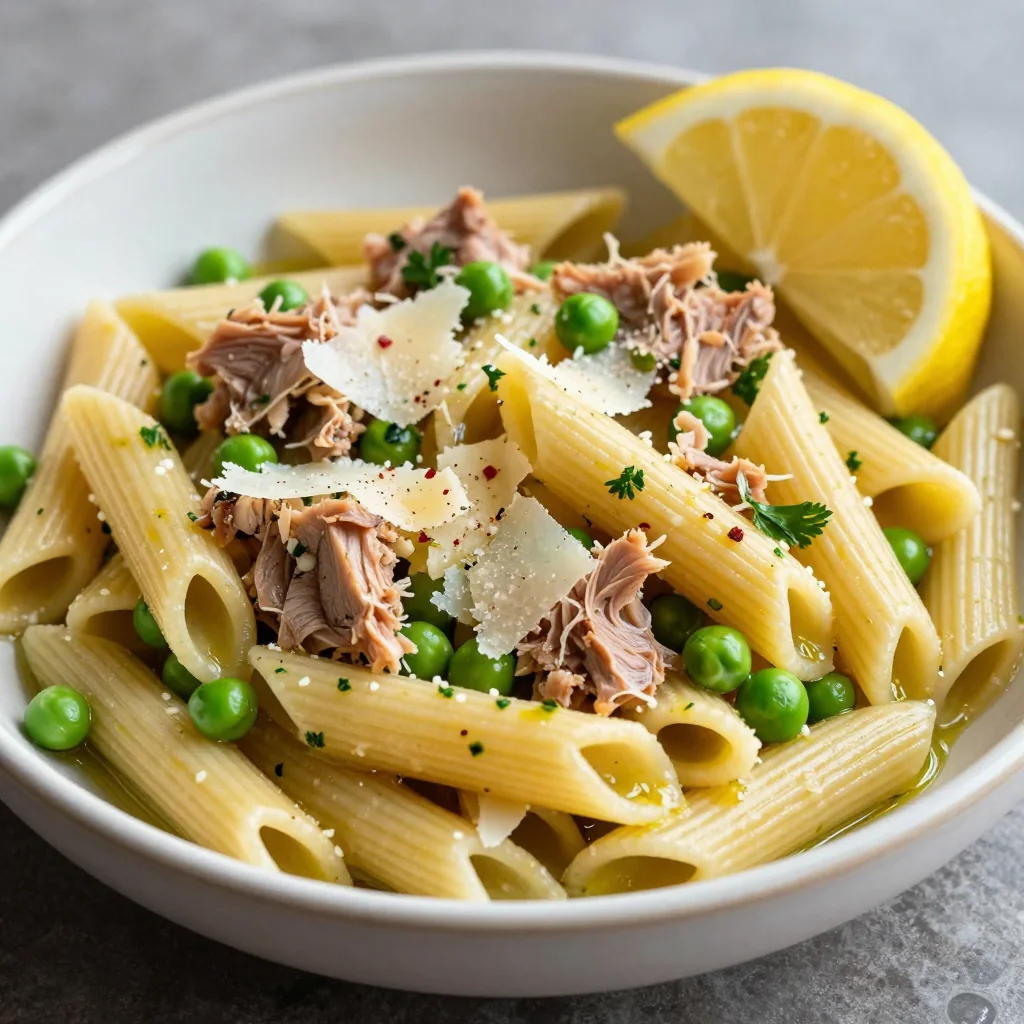
Love this? Pin it for later! 📌
Why This Recipe Works
- Lightning-Fast: From pantry to plate in under 20 minutes, perfect for those "what's for dinner?" moments
- Budget-Friendly: Uses affordable pantry staples that cost less than a coffee shop latte
- Nutrition Powerhouse: Packed with 25g of protein and colorful vegetables for a complete meal
- One-Pot Wonder: Minimal dishes mean more time for family, homework, or Netflix
- Kid-Approved: Mild flavors that even picky eaters enjoy (no "weird" ingredients!)
- Customizable: Swap ingredients based on what you have on hand
- Meal-Prep Friendly: Tastes great cold for tomorrow's lunchbox
Ingredients You'll Need
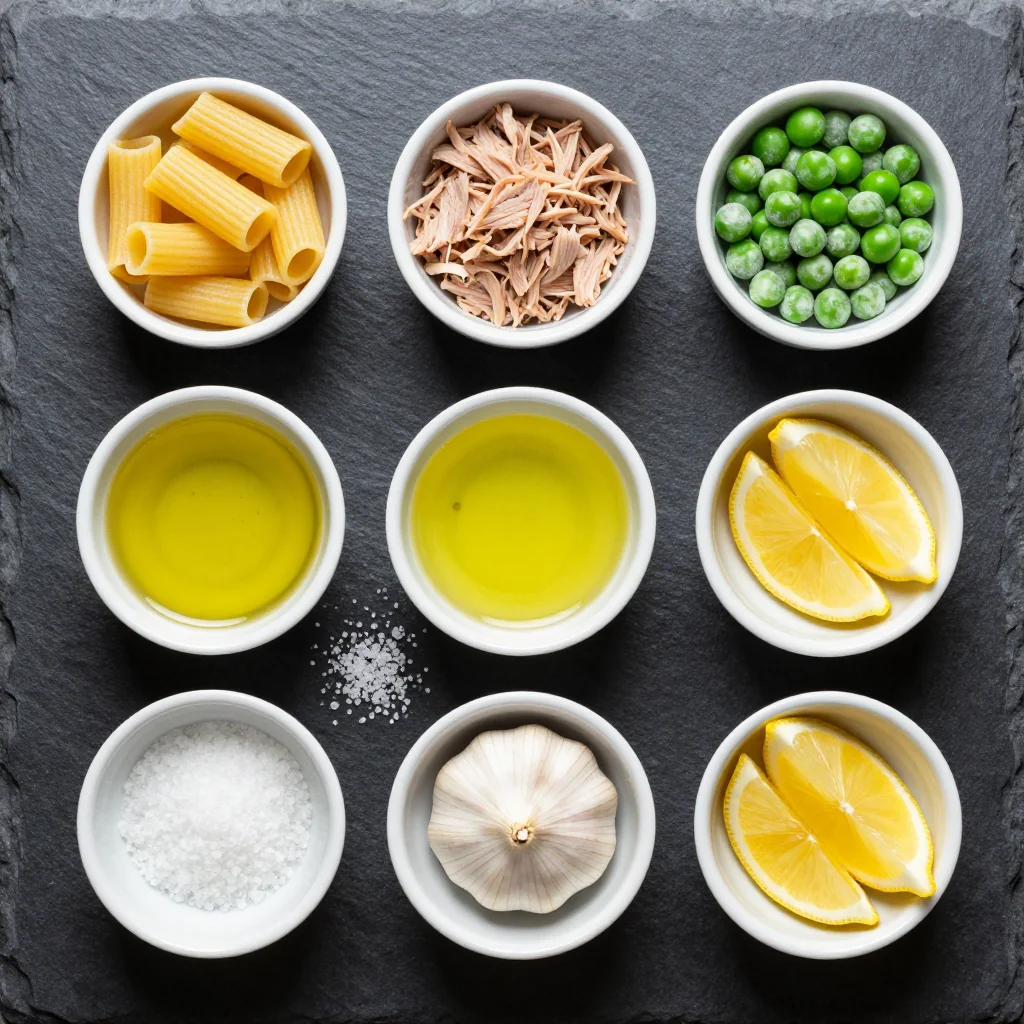
The beauty of this recipe lies in its flexibility. While I've listed my preferred ingredients below, I've included substitution notes for each component so you can shop your pantry first. Quality matters even with humble ingredients—here's what to look for:
The Pasta Foundation
12 ounces short pasta - I adore rotini because the spirals catch every bit of the buttery sauce, but penne, farfalle, or even elbow macaroni work beautifully. Whole wheat pasta adds nuttiness and extra fiber, while gluten-free varieties made from chickpeas or brown rice provide additional protein. When selecting pasta, look for brands with a rougher texture—these hold sauce better than ultra-smooth varieties.
The Star Protein
2 cans (5 ounces each) solid white tuna in water - Always choose tuna packed in water for this recipe; oil-packed varieties can make the dish feel heavy. Solid white albacore provides the best texture, but chunk light works in a pinch and costs significantly less. When shopping, look for "pole and line caught" on the label for sustainability. Drain thoroughly, but don't rinse—you want to keep those natural oils that carry flavor.
The Color Pop
1½ cups frozen peas - Frozen peas are actually fresher than "fresh" ones in most grocery stores because they're flash-frozen within hours of harvest. Petite peas have the sweetest flavor and most tender texture. No need to thaw—they'll cook perfectly in the residual heat of the pasta. In summer, fresh peas are a treat, but you'll need to blanch them for 2 minutes first.
The Flavor Builders
4 tablespoons butter - European-style butter with higher fat content creates the silkiest sauce, but any butter works. For a dairy-free version, substitute with high-quality olive oil or vegan butter.
4 cloves garlic, minced - Fresh garlic transforms this from bland to grand. Look for plump, firm bulbs with no green sprouts. Pre-minced jarred garlic works in emergencies, but fresh is worth the 30 seconds of effort.
½ cup grated Parmesan cheese - Buy a wedge and grate it yourself for the best melting and flavor. Pre-grated versions contain anti-caking agents that can make your sauce grainy. Pecorino Romano or Grana Padano are excellent substitutes.
The Finishing Touches
¼ cup fresh lemon juice - The acid brightens all the flavors and makes the tuna taste fresh, not fishy. Bottled lemon juice works, but fresh is infinitely better.
¼ teaspoon red pepper flakes - Optional but recommended for grown-up palates. Start with less and add more to taste.
¼ cup fresh parsley - Flat-leaf (Italian) parsley has more flavor than curly. In winter, substitute with 2 tablespoons dried, but add it with the garlic so it can bloom.
How to Make Pantry Pasta with Tuna and Peas for Quick Dinners
Start Your Pasta Water
Fill your largest pot with 4 quarts of water and add 2 tablespoons of kosher salt. The water should taste like the sea—this is your only chance to season the pasta itself. Bring to a rolling boil over high heat. While waiting, gather your ingredients and prep your garlic and lemon. Pro tip: Placing a wooden spoon across the top of the pot prevents boil-overs.
Cook the Pasta to Perfection
Add your pasta to the boiling water and cook according to package directions minus 1 minute for al dente. Stir frequently during the first 2 minutes to prevent sticking. Reserve 1½ cups of the starchy pasta water before draining—this liquid gold creates our silky sauce. The starch in the water helps bind everything together, creating a restaurant-quality finish that clings to every noodle.
Create Your Flavor Base
While the pasta cooks, melt butter in a large skillet over medium heat. When it begins to foam, add the minced garlic and red pepper flakes. Cook for just 30-45 seconds—you want the garlic fragrant but not browned, as it will continue cooking. The moment you smell that heavenly garlic aroma, it's time for the next step. Burnt garlic turns bitter and will ruin your dish.
Build the Sauce
Add 1 cup of the reserved pasta water to the skillet. Bring to a simmer and let it reduce by one-third. This creates a light sauce that will coat the pasta without being heavy. Whisk in half the Parmesan cheese until melted and smooth. The sauce should be thin enough to coat a spoon but thick enough to cling to pasta. Add more pasta water if needed—it's your insurance policy against dry pasta.
Combine and Heat Through
Add the drained pasta, frozen peas, and flaked tuna to the skillet. Gently fold everything together using tongs or two forks, being careful not to break the tuna into tiny pieces. The peas will cook perfectly in the residual heat. Add lemon juice and the remaining Parmesan, tossing until everything is coated in the glossy sauce. If it looks dry, add more pasta water a tablespoon at a time.
Final Seasoning and Serve
Taste and season with salt and freshly ground black pepper. The tuna and Parmesan add saltiness, so you might not need much. Add more lemon juice for brightness or red pepper flakes for heat. Remove from heat, sprinkle with fresh parsley, and serve immediately in warmed bowls. A final drizzle of good olive oil and extra Parmesan never hurt anyone.
Expert Tips
Pasta Water is Liquid Gold
Never forget to save your pasta water! The starch transforms into a silky sauce that restaurant chefs pay big money for. If you forget, mix 1 teaspoon cornstarch with 1 cup warm water as a backup.
Temperature Matters
Don't rinse your pasta! The starch helps sauce cling. Also, add frozen peas directly to hot pasta—they'll cook perfectly without becoming mushy. Room temperature ingredients incorporate more smoothly.
Make it Your Own
Keep a "flavor kit" in your pantry: lemon, garlic, red pepper flakes, and Parmesan. These four ingredients can rescue almost any boring meal. Buy whole lemons and grate your own cheese for maximum impact.
Time-Saving Tricks
Prep garlic while water boils, chop parsley while pasta cooks, and set your table while everything simmers. This mise en place approach turns a 20-minute meal into a 15-minute one.
Level Up Your Tuna
Invest in good quality tuna—it's the star of the show. Look for "hand-packed" or "jarred" varieties. The difference in flavor and texture is remarkable and worth the extra dollar or two.
Food Safety First
Always use separate cutting boards for raw proteins and vegetables. Even though we're using canned tuna, maintaining good kitchen hygiene prevents cross-contamination and keeps your family safe.
Variations to Try
Mediterranean Style
Swap peas for chopped artichoke hearts and Kalamata olives. Add sun-dried tomatoes and use oregano instead of parsley. Finish with crumbled feta for a Greek-inspired version that transports you to Santorini.
Spicy Arrabbiata
Double the red pepper flakes and add a spoonful of Calabrian chili paste. Include crushed tomatoes for a saucier version. Top with fresh basil instead of parsley for an Italian restaurant-quality meal.
Creamy Comfort
Add ¼ cup cream cheese or mascarpone with the Parmesan for an ultra-creamy version. This is especially popular with kids who prefer milder flavors. A squeeze of lemon keeps it from feeling too heavy.
Spring Garden
Use asparagus tips and fresh spinach instead of peas. Add lemon zest and fresh dill for a bright, springtime version. This variation celebrates the first vegetables of spring.
Pantry Clean-Out
No peas? Use corn. No tuna? Try canned salmon or chicken. Add any veggies lurking in your freezer—green beans, carrots, or mixed vegetables all work. This is the ultimate clean-out recipe.
Luxe Version
Use high-quality imported tuna in olive oil, fresh peas when in season, and finish with white truffle oil. Add a poached egg on top for extra richness. This transforms humble ingredients into a dinner party-worthy dish.
Storage Tips
Refrigerator Storage
Store cooled leftovers in an airtight container in the refrigerator for up to 3 days. The pasta will absorb the sauce as it sits, so add a splash of water or milk when reheating. For best texture, store the sauce and pasta separately if possible, combining when ready to eat.
Freezer Instructions
While pasta doesn't freeze beautifully, this dish works if you undercook the pasta initially. Freeze in single-serving portions for up to 2 months. Thaw overnight in the refrigerator and reheat gently with added liquid. The peas may lose some texture but the flavor remains excellent.
Reheating Methods
Microwave with a damp paper towel over the bowl, stirring every 30 seconds. Or reheat in a skillet with a splash of water over medium-low heat. Avoid high heat, which can make the tuna rubbery and the sauce break. Add fresh herbs after reheating for the best flavor.
Frequently Asked Questions
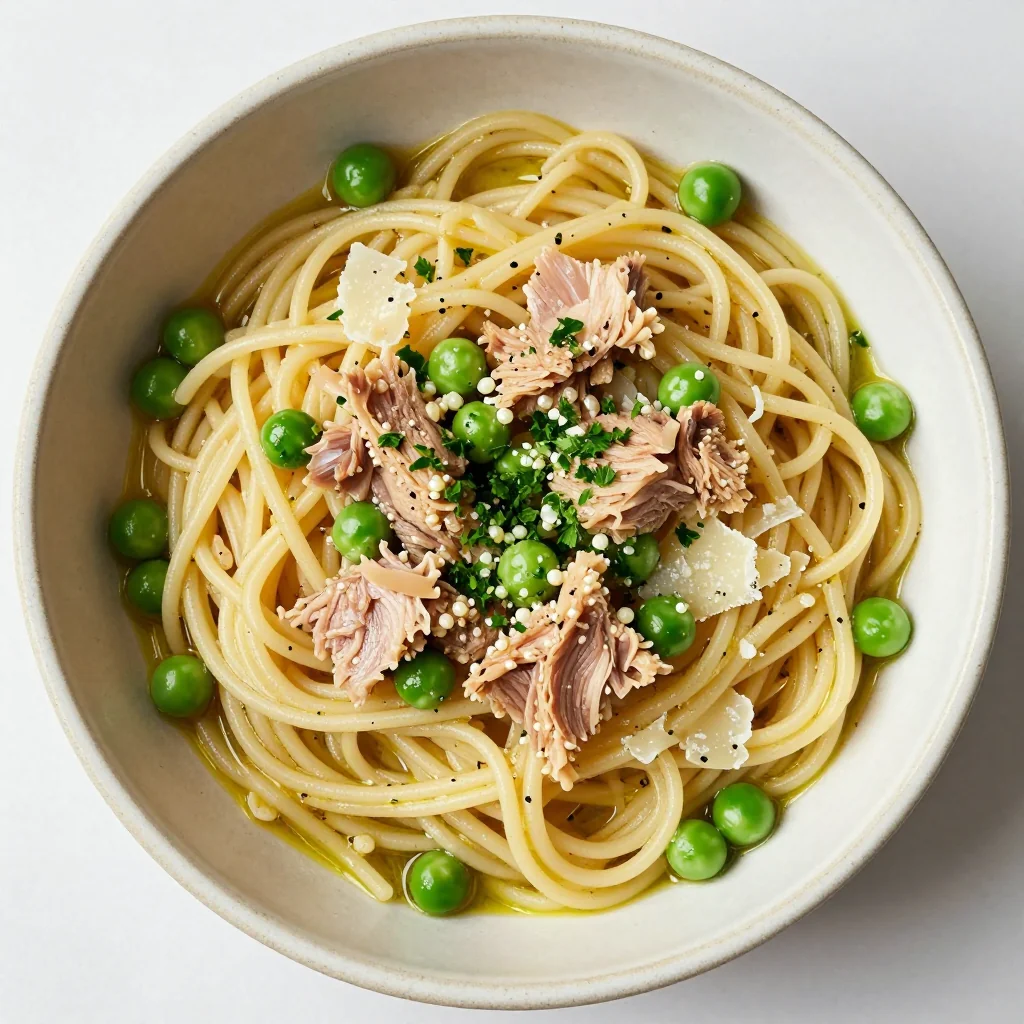
Pantry Pasta with Tuna and Peas for Quick Dinners
Ingredients
Instructions
- Cook pasta: Boil pasta in salted water according to package directions. Reserve 1½ cups pasta water before draining.
- Make sauce base: Melt butter in large skillet over medium heat. Add garlic and red pepper flakes; cook 30 seconds.
- Build sauce: Add 1 cup pasta water to skillet; simmer until reduced by one-third. Whisk in half the Parmesan.
- Combine: Add drained pasta, frozen peas, and flaked tuna to skillet. Toss to combine.
- Finish: Add lemon juice and remaining Parmesan. Toss until creamy, adding pasta water if needed.
- Season and serve: Add parsley, season with salt and pepper, and serve immediately with extra Parmesan.
Recipe Notes
For best results, use high-quality tuna packed in water. The pasta water is crucial for creating a silky sauce—don't forget to save it! This recipe doubles easily for larger families or meal prep.