It all started on a rainy Tuesday when I tried to bake a classic lemon poppyseed muffin, only to end up with a dry, crumbly mess that tasted like a lemon‑scented dusting of flour. I stared at the oven rack, the scent of burnt sugar in the air, and whispered, “This can’t be the end.” The next day, fueled by a stubborn craving for bright citrus and the need to prove that protein‑packed treats could still be fluffy, I set out to rewrite the recipe from scratch. I’m not just talking about a tweak here or a substitution there; I’m talking about a complete overhaul that turns a kitchen disaster into a showstopper.
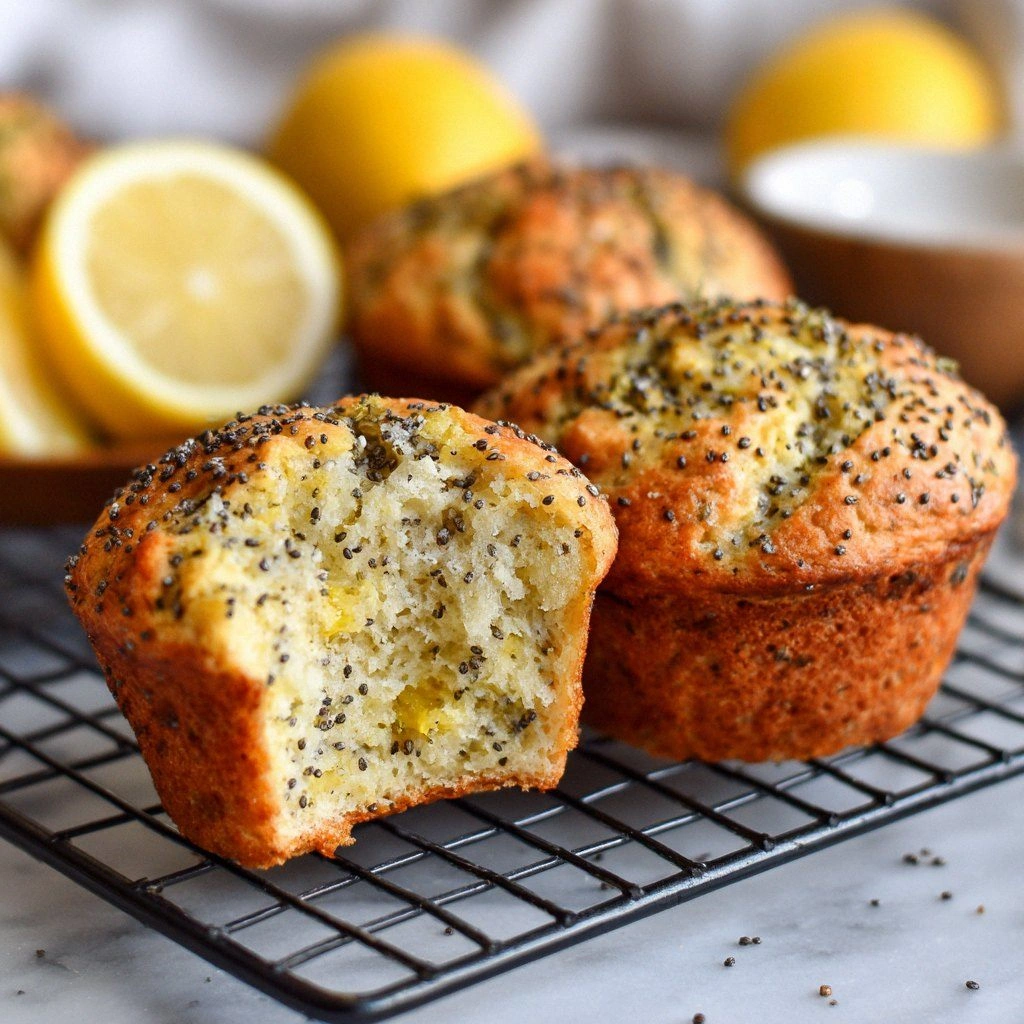
Picture this: the kitchen lights flicker, the timer buzzes, and the first batch of batter pours into a lined tin, the lemon zest swirling like tiny golden snowflakes. The aroma that hits you as it bakes is a citrusy perfume that could make a florist jealous, with poppy seeds glinting like tiny jewels on the surface. When you pull the muffins out, they’re golden on top, and the edges lift just enough to show a hint of the airy interior. The first bite is a burst of tart lemon balanced by a sweet, nutty poppy seed crunch, followed by a moist, protein‑rich center that feels like a hug from the inside out.
I dare you to taste this and not go back for seconds. This isn’t just another “healthy” muffin; it’s a powerhouse of flavor and nutrition that will have you asking, “How did I live without this?” The secret? A blend of high‑quality protein powder, oat flour, and a splash of Greek yogurt that locks in moisture, plus a pop of citrus that lifts every bite. The result is a muffin that feels indulgent yet guilt‑free, a true game‑changer for anyone who loves the classic but hates the compromise.
By the time you finish reading this post, you’ll know exactly how to transform your baking routine, how to avoid the pitfalls that trip up most recipes, and why this version stands out from every other lemon poppyseed muffin you’ve ever made. Let me walk you through every single step — by the end, you’ll wonder how you ever made it any other way.
What Makes This Version Stand Out
- Flavor: The dual burst of lemon zest and fresh lemon juice creates a citrus profile that’s bright, not acidic, with a subtle poppy seed crunch that echoes the classic texture but with a modern twist.
- Texture: By combining oat flour with whey protein and Greek yogurt, the muffins achieve a soft, airy crumb that holds moisture for hours, unlike the crumbly, dry results of many protein muffins.
- Protein Power: Each muffin delivers 25 grams of protein, making it a perfect post‑workout snack or a breakfast that keeps you full until lunch.
- Ingredient Quality: Using unflavored whey protein and natural sweeteners keeps the flavor profile clean and authentic, avoiding the artificial taste that can ruin a simple lemon recipe.
- Make‑ahead Potential: The batter can be frozen in a silicone muffin tray and baked fresh when needed, making it an ideal meal‑prep staple.
- Versatility: The base recipe is a canvas; swapping in almond flour or adding dried fruit turns it into a dessert or a snack for any occasion.
- Speed: The entire process takes under an hour, from prep to finish, so you can have a protein‑rich treat in no time.
- Clean Baking: No eggshells, no messy pans—just a simple line of muffins that look as good as they taste.
Alright, let's break down exactly what goes into this masterpiece...
Inside the Ingredient List
The Flavor Base
At the heart of this recipe is the citrusy duo that defines lemon poppyseed muffins: fresh lemon zest and lemon juice. The zest carries the essential oils that give the muffins a bright, aromatic punch, while the juice provides moisture and a subtle tartness that balances the sweetness. If you skip the zest, the muffins lose that vibrant zing, becoming a bland, sweet protein cake. For those who love a more pronounced lemon flavor, you can double the zest or add a tablespoon of lemon extract—just be careful not to overpower the delicate poppy seed crunch.
The Texture Crew
Protein powder and oat flour form the backbone of the batter. Whey protein ensures a dense yet tender crumb, while oat flour adds a natural sweetness and a slight chew that mimics traditional wheat flour without the gluten. The Greek yogurt is the secret moisture binder; it adds creaminess and keeps the muffins from drying out. If you’re gluten‑sensitive, you can replace oat flour with almond flour and adjust the liquid slightly—just remember that almond flour absorbs less liquid, so you might need a tablespoon more milk.
The Unexpected Star
Poppy seeds aren’t just a garnish; they’re a texture enhancer that provides a pleasant, nutty crunch. Their tiny, slightly bitter flavor contrasts beautifully with the sweet lemon, creating a multi‑dimensional bite. If you’re allergic to poppy seeds or just want a different crunch, try adding toasted walnuts or sunflower seeds—just stir them in at the last minute to keep their texture.
The Final Flourish
The finishing touches—baking powder, baking soda, salt, vanilla extract, and a splash of coconut oil—work together to lift the batter and give it a golden crust. Baking powder and soda provide the leavening that makes the muffins rise, while salt balances the sweetness. Coconut oil adds a subtle tropical hint and helps keep the crumb moist. If you prefer a lower fat content, swap the oil for unsweetened applesauce; the muffins will still rise nicely but will be slightly denser.
Everything's prepped? Good. Let's get into the real action...
The Method — Step by Step
- Preheat the oven to 375°F (190°C). Line a 12‑cup muffin tin with paper liners or spray with non‑stick spray. As the oven preheats, you’ll notice a faint citrus aroma from the lemon zest—this is the first hint that something delicious is about to happen. Make sure your oven rack is in the middle position to ensure even baking.
- Whisk the dry ingredients. In a large bowl, combine 2 cups oat flour, 1 cup whey protein powder, 1 tablespoon baking powder, ½ teaspoon baking soda, and ¼ teaspoon salt. Stir until the mixture is uniform; this step prevents clumps of leavening agents that could cause uneven rise. The dry mix should feel light and airy—think of a fine sifted sugar.
- Blend the wet ingredients. In a separate bowl, whisk together 1 cup Greek yogurt, ½ cup honey (or maple syrup), 2 eggs, ¼ cup melted coconut oil, ¼ cup milk, zest of 2 lemons, 3 tablespoons lemon juice, 2 tablespoons poppy seeds, and 1 teaspoon vanilla extract. The wet mixture should be smooth, with no lumps of yogurt or protein powder. As you whisk, notice the batter thickening; this indicates the proteins are binding properly.
- Combine wet and dry. Pour the wet mixture into the dry ingredients and stir with a rubber spatula until just combined. Be careful not to overmix; a few streaks are fine. Overmixing can cause the muffins to be dense and tough. The batter should be thick but pourable—if it’s too thick, add a tablespoon of milk to loosen it.
- Fill the muffin cups. Spoon the batter into the prepared cups, filling each about ¾ full. This gives the muffins room to rise without overflowing. Tap the tin gently on the counter to release any air bubbles; this helps the muffins bake evenly.
- Bake for 18–22 minutes. Place the tin in the preheated oven and bake until the tops are golden brown and a toothpick inserted in the center comes out clean. The exact time may vary based on your oven, so start checking at 18 minutes. The muffins should smell toasty, with a faint citrus fragrance drifting through the kitchen.
- Cool on a rack. Remove the muffins from the oven and let them cool in the tin for 5 minutes. Then transfer them to a wire rack to cool completely. Cooling is essential; it allows the muffins to set and prevents a soggy bottom.
- Enjoy or store. Serve immediately, or let them cool fully and store in an airtight container at room temperature for up to 3 days. For longer storage, freeze the muffins and reheat in the oven at 350°F (175°C) for 5 minutes.
That’s it—you did it. But hold on, I’ve got a few more tricks that will take this to another level.
Insider Tricks for Flawless Results
The Temperature Rule Nobody Follows
Many bakers assume that higher temperatures always produce better browning, but for protein muffins, a moderate 375°F is key. If you bake at 400°F, the exterior will brown too quickly, leaving the interior undercooked. Keep the oven rack in the middle to ensure even heat distribution. If your oven runs hot, lower the temperature by 25°F to avoid over‑browning.
Why Your Nose Knows Best
Before you even touch the batter, let your nose guide you. If the batter smells like a faint citrus perfume, you’re on the right track. If you detect a burnt sugar note early on, the oven might be too hot or the batter too thick. Trust your senses; they’re your best quality control.
The 5‑Minute Rest That Changes Everything
After removing the muffins from the oven, let them rest for exactly 5 minutes before transferring to the rack. This rest period allows the muffins to set, preventing them from cracking or falling apart. It also lets the steam inside the muffins redistribute, creating a more uniform crumb.
Using Fresh Lemon Zest
Fresh zest carries more essential oils than bottled zest, giving the muffins a brighter flavor. Use a microplane for a fine zest that dissolves evenly into the batter. If you’re short on lemons, a teaspoon of lemon zest from a frozen bag can work, but fresh is best.
Choosing the Right Protein Powder
Unflavored whey protein is the gold standard for this recipe because it blends seamlessly without adding off‑flavors. If you’re vegan, pea protein works well, but you may need to add a touch more liquid to compensate for its drier texture. Always read the label for added sugars or flavorings that could alter the taste.
Creative Twists and Variations
This recipe is a playground. Here are some of my favorite ways to switch things up:
Chocolate‑Lemon Fusion
Replace the poppy seeds with ¼ cup of mini dark chocolate chips and add ½ teaspoon of cocoa powder to the dry mix. The chocolate brings a deep, bittersweet contrast to the bright lemon, making it a dessert‑style muffin.
Almond‑Glazed Delight
Swap oat flour for almond flour and add 2 tablespoons of almond butter to the wet mix. Top with a light almond glaze (almond butter, powdered sugar, a splash of milk) for a nutty, buttery experience.
Berry‑Burst Variation
Fold in ½ cup of fresh blueberries or raspberries after the batter is combined. The berries burst with juice during baking, adding a juicy, tart counterpoint to the lemon.
Spiced Morning Muffin
Add ½ teaspoon of ground ginger and a pinch of cinnamon to the dry mix. The warm spices pair beautifully with lemon, creating a comforting, aromatic treat.
Cheese‑Infused Twist
Mix in ¼ cup of shredded sharp cheddar cheese into the batter. The cheese melts into pockets of savory richness that contrast the sweet lemon, making it a perfect brunch companion.
Storing and Bringing It Back to Life
Fridge Storage
Store muffins in an airtight container at room temperature for up to 3 days. If you’re in a hurry, pop them in the microwave for 10–15 seconds to soften the crumb. The muffins stay fresh and moist when stored properly.
Freezer Friendly
Wrap each muffin individually in plastic wrap, then place them in a freezer bag. They’ll keep for up to 3 months. When ready to eat, let them thaw at room temperature for 30 minutes, then warm in the oven at 350°F for 5 minutes.
Best Reheating Method
Reheat the muffins in a preheated oven at 350°F (175°C) for 5 minutes. Add a tiny splash of water to the bottom of the pan before reheating; this steams the muffins back to perfection, restoring that soft, airy interior.