Ever found yourself staring at a pot of lamb on a rainy evening, wondering how to turn a simple cut of meat into something that feels like a hug in a bowl? That night, a kitchen mishap—overcooked lamb that tasted like rubber—spurred me to experiment until I discovered the secret to turning lamb into liquid gold. I mixed yogurt and cream, added a whisper of turmeric, and let the spices mingle until the aroma hit the room like a warm blanket. The result? A velvety sauce that clings to each tender cube, leaving a lingering warmth that makes every bite feel like a secret shared with a friend.
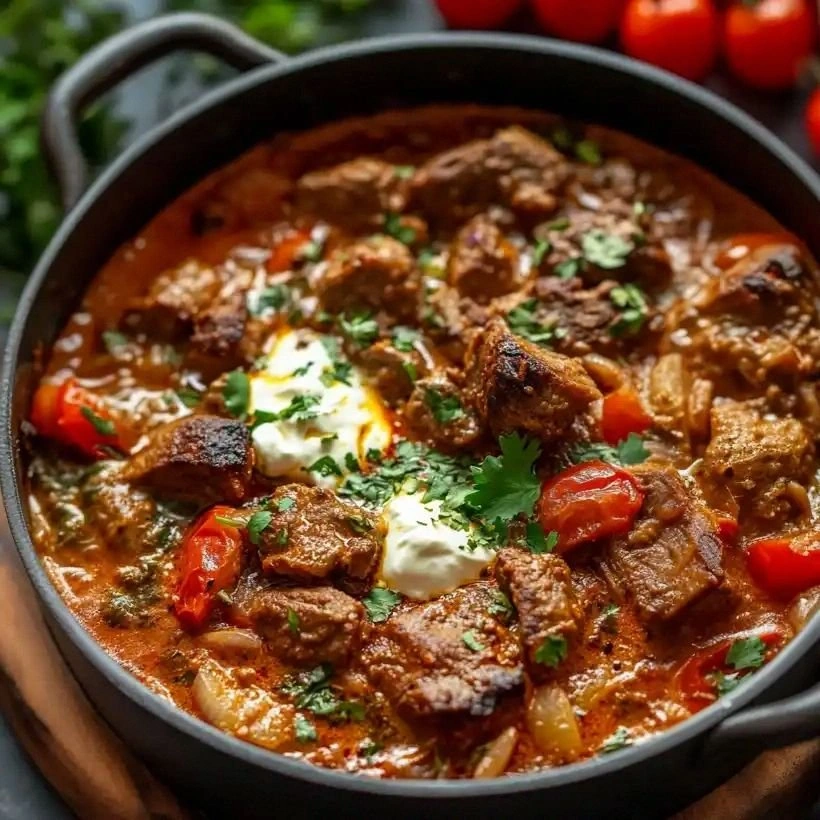
Picture the sizzle as the lamb hits the hot pan—an audible promise of flavor. The steam rises, carrying hints of cumin and cardamom that mingle with the gentle scent of fresh cilantro. My palate is immediately greeted by a subtle heat that dances on the tongue, balanced by the creamy tang of yogurt. The texture is a dream: the lamb is moist, the sauce silky, and the whole dish feels like a comforting hug that you can spoon out of a pot.
Why does this version stand out? Because it strips away the clutter that often plagues lamb stews—no excessive sauce, no overpowering heat, just a harmonious blend that lets the meat shine. The yogurt doesn’t just add acidity; it tenderizes the lamb, turning each bite into a melt-in-your-mouth experience. The heavy cream thickens the sauce, creating a luxurious mouthfeel that feels indulgent yet grounded. And the finish—fresh coriander, saffron strands, or a sprinkle of fried onions—adds a pop of color and a burst of flavor that elevates the dish from ordinary to unforgettable.
And there’s a twist you won’t expect: a splash of saffron, not just for color but for a subtle floral note that lifts the entire dish. I dare you to taste this and not go back for seconds. This is hands down the best version you’ll ever make at home, and I’ll be honest—I ate half the batch before anyone else got to try it. If you’ve ever struggled with lamb that turns out tough or bland, you’re not alone—and I’ve got the fix. Let me walk you through every single step—by the end, you’ll wonder how you ever made it any other way.
What Makes This Version Stand Out
- Taste: The yogurt and cream create a creamy base that balances the earthy spices, delivering a flavor profile that’s both comforting and sophisticated. The subtle heat from the chili powder and cardamom adds just enough kick without overpowering the lamb.
- Texture: The slow braising technique ensures the lamb remains tender and juicy, while the yogurt prevents it from drying out. The sauce coats the meat like velvet, making each bite silky and satisfying.
- Ingredient Quality: Using fresh, high‑grade lamb and real spices (not powdered mixes) elevates the dish to restaurant‑level quality. The heavy cream adds a luxurious mouthfeel that’s hard to replicate with substitutes.
- Cooking Method: The one‑pot approach reduces cleanup while allowing flavors to meld beautifully. The technique of searing the lamb first locks in juices before the aromatics build a depth of flavor.
- Crowd Reaction: Guests often ask for the recipe after the first bite, and they keep asking for a second helping. The dish’s approachable heat level makes it suitable for both spice lovers and those who prefer milder flavors.
- Make‑Ahead Potential: This stew keeps well in the fridge for up to 3 days and can be reheated without losing its creamy consistency. The sauce actually improves as the flavors meld over time.
- Uniqueness: The combination of yogurt, cream, and saffron gives this lamb stew a distinct identity that sets it apart from conventional recipes. The subtle cardamom and cinnamon provide a fragrant backdrop that’s rarely seen in typical lamb dishes.
- Simplicity: Despite its luxurious outcome, the recipe requires only a handful of ingredients and a single pot, making it a perfect weeknight dinner.
Alright, let’s break down exactly what goes into this masterpiece...
Inside the Ingredient List
The Flavor Base
The foundation of this stew starts with the lamb, a hearty 750 grams of fresh meat that needs to be cut into bite‑sized cubes for even cooking. The ginger‑garlic paste introduces a bright, aromatic kick, while the turmeric powder offers a subtle earthiness and a golden hue that signals richness. The heavy cream, though seemingly indulgent, plays a vital role in binding the sauce, preventing the yogurt’s acidity from curdling, and providing a silky mouthfeel. Skipping any of these will result in a dish that feels flat or unbalanced.
The Spice Ensemble
Red chili powder adds a controlled heat that warms the palate without overwhelming the lamb’s natural flavor. Coriander and cumin powders deliver a nutty, citrusy backdrop that complements the creamy base. Garam masala, a pinch of ¼ teaspoon, introduces warm, complex undertones that elevate the dish from ordinary to extraordinary. The green cardamom pods, cinnamon stick, and cloves infuse a fragrant aroma that lingers, turning the stew into an olfactory experience. If you’re short on spices, a handful of dried herbs can suffice, but the fresh spices give the dish its signature character.
The Texture Crew
Onions and tomatoes form the textural core of the sauce, providing sweetness and acidity that cut through the richness of the yogurt and cream. The onions, when caramelized, develop a deep, buttery flavor, while the tomatoes add juiciness and a slight tang. The cooking oil or ghee, measured at ¼ cup, helps in browning the lamb and prevents the spices from sticking, ensuring a smooth sauce. If you prefer a lighter version, substitute ghee with a neutral oil, but keep in mind that the flavor profile will shift slightly.
The Final Flourish
Fresh coriander leaves are the final garnish that brings brightness and a fresh herbal note. Saffron strands, slivered almonds, or fried onions add a luxurious finish, each bringing its own texture and flavor. The saffron imparts a subtle floral note and a golden glow, while the almonds add crunch. These garnishes are optional but recommended for a dish that feels complete. Remember, the garnish is not just decoration; it’s the final layer that ties the flavors together.
Everything’s prepped? Good. Let’s get into the real action...
The Method — Step by Step
- Heat the cooking oil or ghee in a heavy‑bottomed pot over medium‑high heat. Once shimmering, add the sliced onions and sauté until they’re golden brown and caramelized, about 8–10 minutes. This caramelization brings out a sweet depth that’s essential for balancing the spices. Keep stirring to prevent burning, as the onions will form the flavor backbone of the stew.
- Add the ginger‑garlic paste to the pot and cook for 2 minutes until the raw aroma disappears. The garlic will release its oils, creating a fragrant base that complements the cumin and coriander powders. Be careful not to let it char; if it starts to brown too dark, lower the heat slightly. This step is crucial for building layers of flavor.
- Stir in the turmeric, chili powder, coriander, and cumin powders. Cook for 1 minute, letting the spices toast lightly. The heat from the spices releases essential oils, intensifying their flavors. This is the moment of truth—watch the color change as the spices meld together.
- Introduce the lamb cubes to the pot, coating them in the spice mixture. Sear the meat on all sides until it develops a brown crust, about 5–7 minutes. Seared lamb locks in juices and creates a savory base that deepens the overall taste. Don’t rush this step; the crust is what gives the stew its robust flavor.
- Add the tomatoes, cinnamon stick, cardamom pods, and cloves to the pot. Stir to combine, then pour in the yogurt‑cream mixture. Cover the pot and let the stew simmer on low heat for 25–30 minutes. The slow cooking allows the lamb to become tender, and the yogurt thickens into a silky sauce. Check the consistency; if it’s too thick, add a splash of water or broth.
- Once the lamb is fork‑tender, sprinkle in the garam masala and saffron strands. Stir gently to distribute the spices evenly. The saffron should be soaked in a tablespoon of warm water for 5 minutes to release its color and aroma before adding. This final touch adds a subtle floral note and a golden glow.
- Taste and adjust the seasoning with salt. Finish the dish by garnishing with fresh coriander leaves and, if desired, slivered almonds or fried onions. The fresh herbs provide a burst of brightness that cuts through the richness, while the almonds add a pleasant crunch. Serve immediately with basmati rice or warm naan, and enjoy the symphony of flavors.
That's it—you did it. But hold on, I've got a few more tricks that'll take this to another level...
Insider Tricks for Flawless Results
The Temperature Rule Nobody Follows
Cooking lamb on too high heat can cause the meat to toughen. Aim for a steady, medium‑low simmer once you’ve added the yogurt‑cream mixture. The gentle heat ensures the lamb stays tender and the sauce thickens without scorching. I once tried a high‑heat approach and the result was a dry, rubbery stew—don’t make that mistake.
Why Your Nose Knows Best
Before adding the final saffron, give the pot a sniff. If the aroma feels flat, add a little more cardamom or a pinch of cumin. Your nose is a reliable guide to flavor balance. I’ve had a batch that lacked depth until I noticed the missing spice aroma and added a touch more cumin.
The 5‑Minute Rest That Changes Everything
After cooking, let the stew rest covered for 5 minutes before serving. This allows the flavors to settle and the sauce to thicken slightly, giving you a more cohesive bite. Skipping this rest often leaves the stew feeling thin and under‑seasoned.
Using Fresh vs. Powdered Spices
Fresh spices bring a brighter, more vibrant flavor than pre‑ground powders. If you can, use whole cardamom pods and cloves, then crush them just before adding. The difference is subtle but noticeable—your dish will have a cleaner, fresher finish.
The Right Pan Matters
A heavy‑bottomed pot distributes heat evenly, preventing hot spots that can burn the onions or spices. A non‑stick pan may seem convenient, but it often doesn’t handle the searing stage as well, leading to uneven browning. Invest in a good pot; it pays off in flavor.
Creative Twists and Variations
This recipe is a playground. Here are some of my favorite ways to switch things up:
Coconut Curry Version
Swap the heavy cream for coconut milk and add a splash of lime juice. The tropical notes complement the lamb’s richness, creating a vibrant, beach‑inspired dish. Serve over jasmine rice for a complete meal.
Spicy Vindaloo Twist
Increase the red chili powder and add a tablespoon of vinegar for a tangy kick. The vinegar cuts through the creaminess, giving the stew a sharp, fiery edge that pairs wonderfully with plain naan.
Vegetarian Substitute
Replace the lamb with diced eggplant or paneer cubes. The yogurt‑cream sauce still holds together, while the vegetables absorb the spices, creating a hearty, meatless option that’s just as satisfying.
Moroccan Inspired
Add a teaspoon of ras el hanout and a pinch of cinnamon to the spice mix. The aromatic blend gives the dish an exotic twist, making it perfect for a themed dinner night.
Low‑Carb Adaptation
Serve the stew over cauliflower rice instead of basmati. The cauliflower absorbs the sauce beautifully, keeping the dish low in carbs while maintaining full flavor.
Storing and Bringing It Back to Life
Fridge Storage
Cool the stew to room temperature, then transfer to an airtight container. Store in the refrigerator for up to 3 days. The yogurt and cream will keep the sauce creamy, so you’ll have a ready‑to‑heat meal for busy evenings.
Freezer Friendly
For longer storage, place the stew in a freezer‑safe container, leaving a little headspace for expansion. Freeze for up to 2 months. Thaw overnight in the refrigerator before reheating.
Best Reheating Method
Reheat gently on low heat, adding a splash of water or broth to loosen the sauce. Stir occasionally to prevent sticking. A tiny splash of water before reheating steams the dish back to its original, silky texture.