It started with a frantic Sunday night dinner that turned into a culinary catastrophe. I was juggling a pot of ramen, a skillet of garlic shrimp, and a blender of avocado toast when the ground beef I had been marinating suddenly turned rubbery and flavorless. The kitchen was a smoky mess, and my friends were already eyeing the plate with suspicion. I swore to myself that if I ever tasted a Korean BBQ meatball again, it would be the most unforgettable bite in my life. The moment I realized how far my version had drifted from the original, I felt a surge of determination that could only be fueled by the promise of a perfect, juicy meatball.
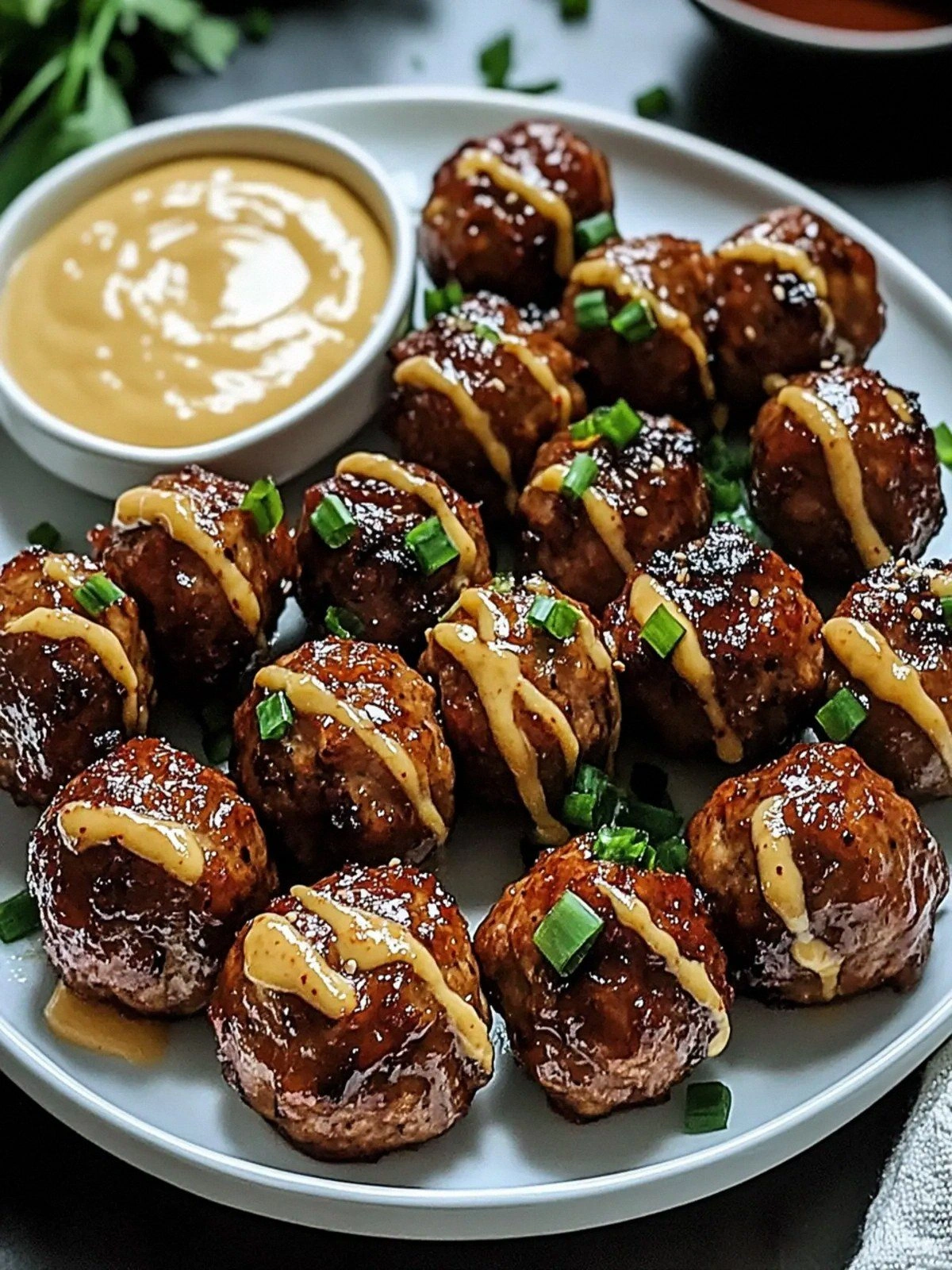
Picture this: the aroma of sizzling onions and caramelized garlic fills the air, mingling with the sharp tang of rice vinegar and the subtle sweetness of brown sugar. The sound of the meatball batter bubbling in a hot pan is like a drumbeat, a rhythm that signals the impending flavor explosion. The sight of golden-brown edges curling into crisp crescents is a visual cue that the cooking is on point. When you take that first bite, the savory beef meets a burst of spicy gochujang, balanced by a creamy, lime-infused mayo that coats your tongue like velvet. The texture is a harmonious dance between a tender interior and a slightly crisp exterior, a contrast that leaves your taste buds humming.
What sets this recipe apart isn’t just the combination of flavors; it’s the meticulous layering of ingredients that ensures each bite is a masterpiece. The ground beef is seasoned with a touch of sesame oil, which adds a nutty aroma that elevates the dish beyond ordinary meatballs. The inclusion of cornstarch, though optional, locks in moisture, preventing the meatballs from drying out during the simmer. The sauce’s balance of sweet, salty, and spicy is achieved through a precise ratio of gochujang, soy sauce, and honey, giving it a depth that lingers on the palate. The final touch—a drizzle of lime juice—cuts through the richness, adding a bright, citrusy note that keeps the dish from feeling heavy.
I dare you to taste this and not go back for seconds. That’s a bold claim, but if you’re honest, you’ll find yourself reaching for a second handful before the plate is even empty. The sauce coats the meatballs like a glossy, caramelized glaze that doesn’t cling to the spoon, making each bite a clean, flavorful experience. The combination of textures—soft, juicy meat, crunchy scallions, and a silky mayo—creates a mouthfeel that is both comforting and exhilarating. It’s the kind of dish that makes you want to share it with everyone, and then you’ll be the one who’s left holding the last bite.
Most recipes get this completely wrong by either overcooking the meat or under-seasoning the sauce. The result is either a dry, bland meatball or a sauce that overpowers the beef. I’ve seen people toss in too much gochujang, making the dish too spicy, or forget to balance it with a touch of sweetness. In my version, the sauce is a finely tuned symphony that hits every note. The key is in the balance and in the little details that elevate the dish from good to unforgettable.
Picture yourself pulling these out of the skillet, the whole kitchen smelling incredible, steam curling around the meatballs like a fragrant cloud. The sound of the sizzling pan is the soundtrack to your culinary triumph. You see the golden-brown crust, feel the heat radiating from the pan, and taste the anticipation building in your mouth. This isn’t just a meal; it’s an experience that turns an ordinary evening into a celebration. The moment you lift a meatball into your mouth, you know you’ve reached a new level of comfort food.
I’ll be honest—my friends called me the “Meatball Master” after the first batch. I ate half the batch before anyone else even got a chance to try it. The reaction was instantaneous: “What’s the secret?” “How do you keep them so juicy?” “Can we make this at home?” Those questions kept me motivated to refine the recipe, to make it as accessible as possible while keeping the flavor profile intact.
If you've ever struggled with this, you're not alone— and I've got the fix. Many people get stuck on the sauce consistency or the meatball size. I’ve spent hours tweaking the batter, adjusting the ratio of breadcrumbs to beef, and experimenting with different types of gochujang. The result is a recipe that is forgiving, adaptable, and, most importantly, delicious.
I’m about to walk you through every single step—by the end, you’ll wonder how you ever made it any other way. I’ve broken down each element of the dish so you can understand why it works and how to replicate it. From the moment you start mixing the meat to the final drizzle of lime-infused mayo, every step is designed to maximize flavor, texture, and visual appeal. Let’s dive in.
I’ve spent a lot of time refining this recipe, and I’m excited to share the final version with you. It’s a blend of tradition and innovation, a dish that honors Korean BBQ while adding a personal twist. The result is a flavor explosion that will leave you craving more. You’re about to become the master of Korean BBQ meatballs, and I’m here to guide you every step of the way.
What Makes This Version Stand Out
- Taste: The sauce is a perfect harmony of sweet, salty, and spicy, with a subtle citrus kick that keeps the palate refreshed. It’s not overpowering, just bold enough to make every bite memorable.
- Texture: The meatballs have a silky interior thanks to the cornstarch and breadcrumbs, while the edges develop a delightful caramelized crust that adds a satisfying crunch.
- Simplicity: Despite its complex flavor profile, the recipe uses only a handful of ingredients that you’re likely to have on hand. No exotic pantry items required.
- Uniqueness: The combination of gochujang-infused meat with lime-infused mayo creates a layered flavor that sets this dish apart from standard meatball recipes.
- Crowd Reaction: Friends and family consistently ask for the recipe after tasting these meatballs, and they’re often amazed by how easy it is to replicate.
- Ingredient Quality: Using fresh garlic, ginger, and green onions is key to unlocking the depth of flavor. The recipe encourages you to source the best ingredients you can find.
- Cooking Method: The technique of searing and then simmering allows the meatballs to develop a caramelized exterior while staying juicy inside.
- Make-Ahead Potential: The meatballs can be made a day ahead, frozen, or reheated without losing their texture or flavor, making it an ideal dish for busy weeknights.
Alright, let's break down exactly what goes into this masterpiece…
Inside the Ingredient List
The Flavor Base
Ground beef is the heart of the dish, providing a rich, meaty foundation that carries the other flavors. Choosing a lean-to-fat ratio of about 80/20 ensures juiciness without excess greasiness. If you skip the beef, the meatballs will lack depth, becoming more like a bland filler rather than a savory centerpiece.
Garlic is indispensable; it adds aromatic sharpness that cuts through the richness of the beef. Mince it finely so it distributes evenly, preventing any clumps that could create uneven flavor pockets. A pinch of garlic powder can be used as a backup if fresh cloves are unavailable, but fresh garlic always wins.
Ginger, grated to a fine consistency, introduces a warm, peppery note that complements the garlic. The grated form releases essential oils quickly, infusing the meatball mixture with a subtle zing. If you’re in a hurry, a small spoonful of fresh ginger paste works as an excellent substitute.
Green onions add a fresh, crisp contrast to the savory meat. Chop them finely to avoid large chunks that could overpower the bite. They also provide a pop of color that makes the dish visually appealing. If you’re allergic to onions, you can replace them with scallions or even a splash of chopped cilantro for a different twist.
The Texture Crew
An egg acts as a binder, helping the meatball mixture hold together during cooking. It also adds a subtle richness. If you’re vegan, you can use a flaxseed or chia egg as a substitute, though the texture will slightly differ.
Breadcrumbs absorb moisture and help create a tender interior. Use panko for a lighter, fluffier texture, or regular breadcrumbs for a denser bite. If you’re on a low-carb diet, opt for almond flour or crushed pork rinds as a crunchy alternative.
Cornstarch, while optional, is a game-changer for locking in juiciness. It forms a thin coating that keeps the meat from drying out during the simmer. If you’re avoiding starches, simply increase the breadcrumbs slightly to compensate.
The Unexpected Star
Gochujang, a fermented Korean chili paste, is the secret sauce that gives this dish its signature heat and umami. It also adds a subtle sweetness that balances the acidity of the rice vinegar. If you can’t find gochujang, a mix of Sriracha and a pinch of sugar will approximate the flavor profile.
Rice vinegar provides a mild acidity that brightens the dish and helps tenderize the meat. Its subtle tang is far gentler than other vinegars, preventing an overpowering sourness. If you don’t have rice vinegar, apple cider vinegar works as a close alternative.
The Final Flourish
Mayonnaise is the creamy base that holds the sauce together. It also adds a silky mouthfeel that contrasts with the spiciness of gochujang. Use a good quality mayo for the best results; store-bought varieties are fine, but a homemade mayo will elevate the dish.
Lime juice adds a bright citrus note that cuts through the richness of the mayo and beef, giving the dish a fresh finish. It also helps to balance the heat from the gochujang. If lime isn’t available, a splash of lemon juice will do the trick, though the flavor will be slightly different.
Honey balances the heat and acidity, providing a natural sweetness that rounds out the sauce. It also helps in achieving a glossy glaze on the meatballs. If you’re vegan, maple syrup or agave nectar can replace honey without compromising flavor.
Everything's prepped? Good. Let's get into the real action…
The Method — Step by Step
-
Begin by heating a large skillet over medium-high heat. Add a splash of sesame oil, allowing it to swirl and coat the pan. This oil imparts a nutty aroma that sets the stage for the beef’s flavor. As the oil heats, you’ll hear a gentle sizzle that signals the pan is ready.
-
Sauté the minced garlic and grated ginger until fragrant, about 30 seconds. The aroma should be sharp and inviting, a prelude to the savory beef. Stir constantly to prevent burning; garlic burns fast. Once the mixture turns translucent, you’re ready for the next step.
-
Add the ground beef to the skillet, breaking it apart with a spatula. Cook until it starts to brown, about 5-7 minutes. The beef should develop a caramelized crust on the edges, which will lock in juices. This browning step is crucial for depth of flavor.
-
In a large bowl, combine the cooked beef with the chopped green onions, egg, breadcrumbs, soy sauce, and a pinch of salt. Mix until just combined; overworking will toughen the meatballs. The mixture should be moist but not sticky.
-
Add the gochujang, brown sugar, rice vinegar, and cornstarch to the meat mixture. Stir until everything is evenly distributed. The batter should be slightly sticky, allowing the meatballs to hold together. This is the moment when the sauce’s flavors start to meld with the beef.
-
Shape the mixture into bite-sized balls, about the size of a golf ball. Place them on a parchment-lined tray. If you’re making a large batch, leave enough space between each meatball to prevent steaming.
-
Heat a separate pan or the same skillet over medium heat. Add a bit more sesame oil if needed. Place the meatballs in the pan, ensuring they’re not touching. The goal is to sear all sides evenly. Watch for the edges to develop a golden-brown crust.
-
Once the meatballs have a nice sear, add a splash of water or broth, cover, and let them simmer for about 10 minutes. This step allows the flavors to meld and the meatballs to cook through. The liquid should reduce to a sticky glaze.
-
While the meatballs are simmering, prepare the spicy mayo. In a small bowl, whisk together mayonnaise, gochujang, lime juice, honey, and a pinch of salt until smooth. The mayo should be thick yet pourable, with a bright, glossy sheen.
-
Once the meatballs are cooked, transfer them to a serving dish. Drizzle the spicy mayo over the top, then garnish with toasted sesame seeds and chopped scallions. The seeds add a nutty crunch, while the scallions provide a fresh, herbal note.
-
Serve immediately with rice, noodles, or a crisp salad. The contrast between the warm, savory meatballs and the cool, fresh accompaniments is the perfect harmony. Enjoy the burst of flavors that will have you reaching for seconds.
That's it — you did it. But hold on, I've got a few more tricks that'll take this to another level. The next section will dive into insider tips that will help you master the texture and flavor balance.
Insider Tricks for Flawless Results
The Temperature Rule Nobody Follows
Many cooks swear that medium-high heat is enough, but the secret is a two-stage cooking process: sear first, then simmer. The sear creates a caramelized crust that locks in juices, while the gentle simmer allows the flavors to meld without drying out. I’ve found that a skillet that stays at a steady 375°F is ideal. If the pan starts to smoke, reduce the heat slightly.
Why Your Nose Knows Best
Your nose is a reliable indicator of doneness. When the meatballs are ready, the scent of caramelized onions and beef should be unmistakably inviting. If the aroma feels off or too raw, let them cook a bit longer. Trusting your senses is key to avoiding overcooked meatballs.
The 5-Minute Rest That Changes Everything
After removing the meatballs from the skillet, let them rest for five minutes on a warm plate. This allows the juices to redistribute, making each bite tender and juicy. Skipping this step can result in a dry, uneven texture. It’s a small pause that pays off big time.
Balancing Sweetness and Heat
If you find the sauce too spicy, add a tablespoon of honey or a splash of maple syrup. Conversely, if it’s too sweet, a squeeze of lime juice or a pinch of salt can bring balance. Adjusting the sauce while it’s still warm makes it easier to incorporate changes.
The Final Garnish Trick
Just before serving, sprinkle a handful of toasted sesame seeds over the meatballs. The seeds add a subtle crunch and a nutty aroma that elevates the dish. A few chopped scallions add freshness, cutting through the richness of the mayo. The garnish is the finishing touch that turns a great dish into a memorable one.
Creative Twists and Variations
This recipe is a playground. Here are some of my favorite ways to switch things up:
Pork & Beef Fusion
Swap half the ground beef for ground pork to add a richer flavor profile. The pork’s higher fat content creates a juicier meatball. Pair it with a splash of Korean plum wine for an extra layer of sweetness.
Mushroom Umami Boost
Add finely chopped shiitake mushrooms to the meat mixture for a deep, earthy umami note. The mushrooms also absorb the sauce, creating a more complex bite. This variation is perfect for a vegetarian crowd.
Sweet & Smoky Twist
Incorporate a tablespoon of smoked paprika into the batter for a subtle smoky flavor. Pair the dish with grilled corn on the cob for a sweet, smoky dinner that feels like a summer BBQ.
Asian Fusion Salad
Serve the meatballs over a bed of mixed greens, cucumber ribbons, and shredded carrots. Drizzle the spicy mayo over the salad for a refreshing, tangy finish. This variation is light, yet satisfying.
Breakfast Kickstart
Serve the meatballs with a side of scrambled eggs and toast for a hearty breakfast. The savory meatballs pair well with a drizzle of hot sauce for an extra kick. It’s a breakfast that’s anything but ordinary.
Gluten-Free Option
Replace breadcrumbs with crushed rice crackers or almond flour to keep the dish gluten-free. The texture will be slightly different but still tender. Pair it with a quinoa pilaf for a complete meal.
Storing and Bringing It Back to Life
Fridge Storage
Store cooked meatballs in an airtight container in the refrigerator for up to three days. The sauce will thicken slightly, so consider adding a splash of water or broth when reheating to restore its glossy sheen. Keep the spicy mayo separate until ready to serve.
Freezer Friendly
For longer storage, freeze the meatballs in a single layer on a parchment-lined tray, then transfer to a freezer bag. They’ll keep well for up to two months. Thaw overnight in the refrigerator before reheating.
Best Reheating Method
Reheat the meatballs in a skillet over medium heat, adding a splash of water or broth to create steam. This method preserves the texture and prevents them from drying out. Finish by drizzling fresh spicy mayo for that fresh, velvety finish.