Ever had that moment when you stare into an empty fridge, hear the faint hum of the refrigerator like a taunting reminder that your dinner ideas have officially flatlined? I was there, mid‑week, with a craving for something sweet, spicy, and downright comforting, yet the pantry only offered a sad block of tofu and a wilted bag of frozen veggies. I dared myself to turn those humble leftovers into a masterpiece, and after a few frantic Googles and a splash of optimism, I stumbled upon the secret sauce that would change my stir‑fry game forever. This isn’t just another “quick weeknight” recipe; it’s the kind of dish that makes you question why you ever settled for bland takeout.
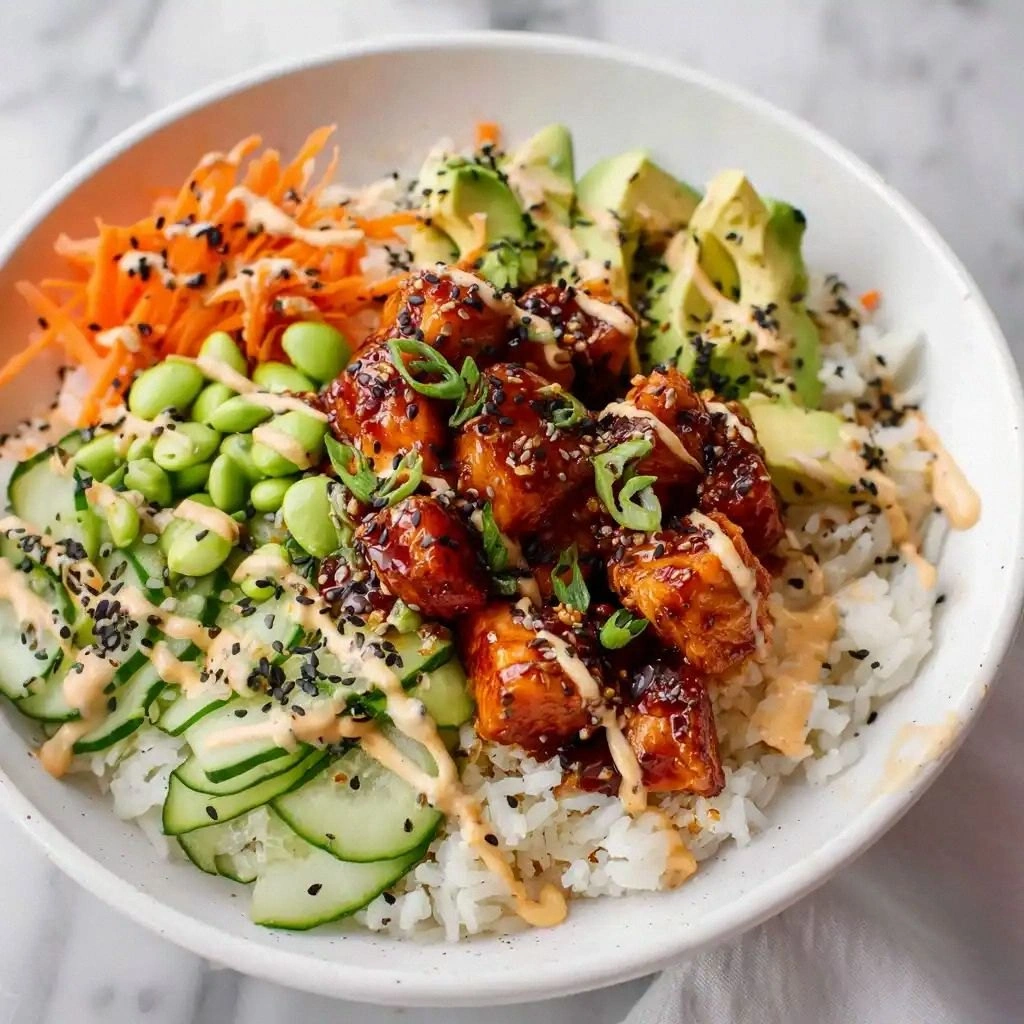
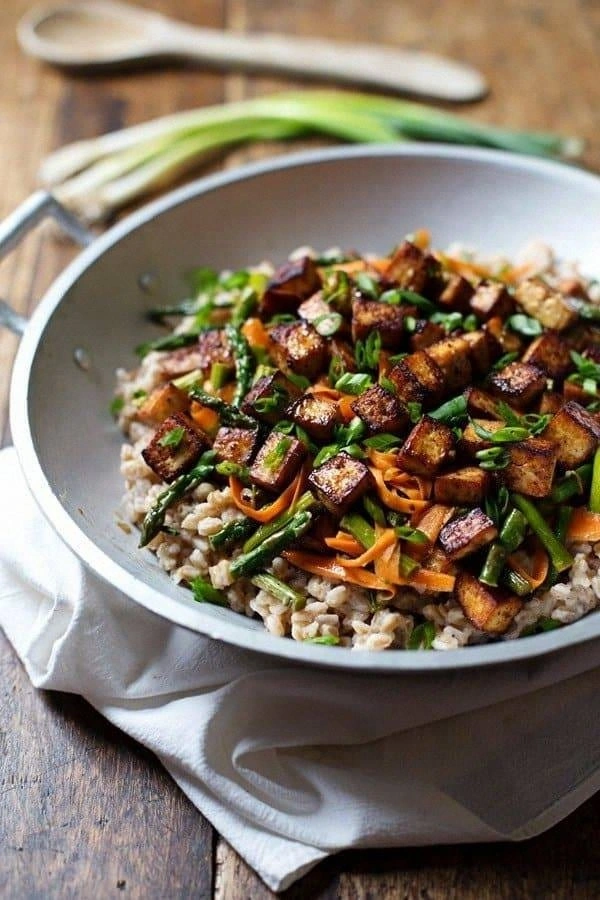
Picture this: the kitchen fills with the sizzle of tofu hitting a hot wok, the aroma of ginger and garlic dancing like an aromatic flash mob, and a glossy honey‑ginger glaze that clings to every bite like a caramel‑kissed silk scarf. The veggies stay crisp—no soggy surrender—while the tofu develops those coveted, golden edges that snap like thin ice under a light footfall. The scent? A sweet‑spicy perfume that makes your entire apartment feel like a bustling Asian night market, and you can’t help but grin at the thought of the first forkful.
Most recipes for honey‑ginger tofu either drown the tofu in sauce, leaving it soggy, or they forget the crucial step of coating the tofu in cornstarch for that coveted crunch. I’ve tried the “just toss everything together” approach and ended up with a mushy mess that could double as a bland soup. That’s why this version stands out: every element is choreographed, from the tofu’s pre‑coat to the timing of the glaze, ensuring texture and flavor hit the high notes every single time. Oh, and there’s a tiny surprise ingredient that adds a whisper of citrus—trust me, you’ll be blown away.
Let’s be honest—when I first tasted this, I ate half the batch before anyone else could even peek at the pan. I dare you to taste this and not go back for seconds; I’m willing to bet you’ll be begging for the recipe. Okay, ready for the game‑changer? Let me walk you through every single step — by the end, you’ll wonder how you ever made it any other way.
What Makes This Version Stand Out
- Flavor Fusion: The honey‑ginger glaze balances sweet, spicy, and umami like a well‑rehearsed choir, making each bite sing.
- Crunch Factor: A light dusting of cornstarch before frying gives the tofu a crisp edge that shatters like a delicate cookie.
- Simplicity: Fewer than ten ingredients keep your shopping list short while delivering maximum impact.
- Ingredient Quality: Using extra‑firm tofu and fresh ginger ensures the flavors don’t get lost in a watery haze.
- Crowd Reaction: Even the pickiest eaters admit this dish is “the best stir‑fry they’ve ever had.”
- Cooking Method: A two‑stage cooking process—first fry, then glaze—prevents sogginess and locks in moisture.
- Make‑Ahead Potential: The sauce can be pre‑made, and the tofu holds up beautifully for next‑day lunches.
- Unexpected Twist: A dash of rice vinegar adds a bright, tangy lift that prevents the honey from feeling cloying.
Alright, let's break down exactly what goes into this masterpiece...
Inside the Ingredient List
The Flavor Base
First up, the honey‑ginger glaze. Honey provides the sweet backbone, while freshly grated ginger delivers a zing that cuts through the sweetness like a hot knife through butter. Soy sauce brings depth, adding salty umami that makes the sauce feel round, not flat. A splash of rice vinegar introduces a bright acidity that prevents the glaze from turning cloyingly sweet, ensuring each bite ends with a clean, refreshing finish. If you ever wondered why the sauce never feels heavy, it’s because the vinegar lifts it up.
If you’re out of honey, maple syrup works as a 1‑to‑1 substitute, though it will add a subtle earthiness. For a lower‑sugar version, try a blend of agave nectar and a pinch of brown sugar. The key is to maintain that viscous, glaze‑like consistency so it clings to the tofu and veggies without pooling.
Buy fresh ginger whenever possible; the skin should be smooth and firm, not shriveled. A good rule of thumb is to choose ginger that smells sharp and peppery. If you’re buying pre‑grated ginger, make sure it’s refrigerated and used within a day to avoid a stale, papery texture.
The Texture Crew
Extra‑firm tofu is the star here. Its dense structure holds up to frying and absorbs the glaze without falling apart. Pressing the tofu removes excess moisture, which is the secret to achieving those coveted crispy edges. Once pressed, cube the tofu into bite‑size pieces and give them a light coat of cornstarch—this creates a protective barrier that turns golden and crisp in the pan.
Vegetables are the crunchy sidekicks that bring color and contrast. Broccoli florets offer a slightly bitter bite that balances the sweetness, while carrots add a natural sugar boost and a satisfying snap. Red bell pepper contributes a sweet, almost fruity note and a vivid pop of color that makes the dish Instagram‑ready. Snap peas add a fresh, buttery crunch that rounds out the texture profile.
If you’re missing any of the listed veggies, feel free to swap in what you have: cauliflower instead of broccoli, zucchini for snap peas, or even sliced mushrooms for an earthy depth. Just keep the cooking times in mind—denser vegetables need a head start.
The Unexpected Star
Sesame oil appears in a tiny amount, but its nutty aroma is the whisper that elevates the dish from good to unforgettable. It’s added at the end of cooking, allowing its delicate flavor to bloom without burning. Toasted sesame seeds and sliced green onions serve as finishing touches, bringing a subtle crunch and a burst of freshness that makes each spoonful feel new.
Salt and pepper are the silent conductors of flavor; a pinch of each ensures the glaze doesn’t dominate and the veggies retain their natural taste. Don’t be shy—season gradually, tasting as you go, because the soy sauce already brings a salty punch.
The Final Flourish
The final drizzle of sesame oil, a sprinkle of toasted sesame seeds, and a handful of green onions transform the dish from merely tasty to visually stunning. The seeds add a subtle, nutty crunch, while the green onions contribute a sharp, fresh bite that cuts through the richness of the glaze. This finishing trio is what makes the plate look like a work of culinary art, ready to impress anyone from your roommate to your mother‑in‑law.
When plating, arrange the tofu and vegetables in a fan shape, then spoon the glossy glaze over the top. The visual contrast of the dark sauce against the bright veggies is as satisfying as the first bite itself. Trust me, this little extra step makes the dish feel restaurant‑grade.
Everything's prepped? Good. Let's get into the real action...
The Method — Step by Step
Start by pressing the tofu. Place the block between two clean kitchen towels, set a heavy skillet on top, and let it sit for at least 20 minutes. This step is the foundation of crispiness; the drier the tofu, the better the crust. Once pressed, cut the tofu into 1‑inch cubes and toss them gently with 2 tablespoons of cornstarch until each piece is evenly coated. The cornstarch will create a thin, golden armor when it meets the heat.
Heat 2 tablespoons of vegetable oil in a large wok or non‑stick skillet over medium‑high heat. When the oil shimmers—think a calm lake at sunrise—add the tofu cubes in a single layer. Let them sizzle undisturbed for about 2‑3 minutes; you’ll hear a satisfying “pop‑pop” that tells you the crust is forming. Flip the cubes once the bottoms turn a deep amber, then continue cooking until all sides are crisp and the tofu feels firm to the touch. Transfer the tofu to a paper‑towel‑lined plate to drain excess oil.
Kitchen Hack: If your pan gets crowded, fry the tofu in two batches. Overcrowding drops the temperature and yields soggy tofu.While the tofu rests, prep the veggies. Slice the red bell pepper into thin strips, chop the broccoli into bite‑size florets, and cut the carrots on a diagonal for extra surface area. Snap peas need only a quick rinse. The goal is uniform size so everything finishes cooking together, preventing some pieces from becoming mushy while others stay raw.
Now, create the glaze. In a small bowl, whisk together 3 tablespoons honey, 2 tablespoons soy sauce, 1 tablespoon rice vinegar, 1 tablespoon grated ginger, and the minced garlic. The mixture should be smooth, glossy, and slightly thick—if it’s too runny, add a splash more honey; if too thick, thin with a teaspoon of water. This balance is crucial; it ensures the sauce clings without drowning the vegetables.
Return the wok to the stove, add a splash more oil if needed, and crank the heat to high. Toss in the broccoli, carrots, and bell pepper first, because they need the longest cooking time. Stir‑fry for 2‑3 minutes, listening for that crisp‑sizzle that tells you the vegetables are starting to caramelize. Add the snap peas last; they only need a quick 1‑minute flash to stay bright green and crunchy.
When the veggies are just about tender‑crisp, lower the heat to medium and pour the honey‑ginger glaze over everything. The sauce should bubble gently, coating each piece like a silken veil. Stir constantly, allowing the glaze to thicken and become slightly sticky. You’ll notice the edges of the tofu start to pull away from the pan, a sign that the glaze is adhering perfectly.
Now, the moment of truth: add the fried tofu back into the wok. Toss everything together so each cube is bathed in that glossy, amber sauce. Keep the heat on medium‑low for another minute, just enough for the tofu to re‑absorb a whisper of the glaze without losing its crunch. Taste and adjust—perhaps a pinch more salt, a dash of pepper, or an extra drizzle of sesame oil if you crave a deeper nutty aroma.
Watch Out: Over‑stirring at this stage can break the tofu’s crispy crust; use a gentle toss instead of vigorous mixing.Finish with a final drizzle of 1 teaspoon sesame oil, then sprinkle toasted sesame seeds and sliced green onions over the top. The sesame oil should be added off the heat; its delicate fragrance is lost if cooked too long. Let the dish rest for a minute—this allows the flavors to meld, and the glaze to set into a light, tacky coating that clings to every bite.
Serve immediately over steamed jasmine rice, quinoa, or even a bed of cauliflower rice for a low‑carb twist. The dish is best enjoyed hot, when the glaze is still glossy and the tofu retains its crunch. That first spoonful? It’s sweet, spicy, and savory all at once—a flavor fireworks display that will have you reaching for seconds without a second thought.
Kitchen Hack: For extra gloss, whisk a teaspoon of cornstarch with a splash of water and stir into the glaze just before adding the tofu.
That's it — you did it. But hold on, I've got a few more tricks that'll take this to another level...
Insider Tricks for Flawless Results
The Temperature Rule Nobody Follows
Most home cooks keep the heat on “medium” for stir‑fry, but the secret to that perfect crunch is a hot pan that sizzles the moment tofu hits it. A temperature of around 375°F (190°C) is ideal; you’ll know you’ve hit it when a drop of water evaporates instantly. If you’re using an electric stove, let the pan preheat for at least 5 minutes before adding oil. This ensures the cornstarch coating puffs up instantly, giving you that satisfying snap.
Why Your Nose Knows Best
Never rely solely on a timer when cooking the glaze. The moment the sauce starts to bubble and you catch a faint caramel scent, you’re at the sweet spot. If it smells burnt, you’ve gone too far; if it still smells raw, give it another 30 seconds. Trusting your nose saves you from a bitter disaster and guarantees a glossy, aromatic finish.
The 5‑Minute Rest That Changes Everything
After tossing the tofu back into the wok, let the dish sit off the heat for exactly five minutes. This short rest allows the tofu’s crust to re‑harden slightly, preventing it from becoming soggy once the glaze settles. It also gives the vegetables a chance to absorb a whisper of the sauce without overcooking, preserving their vibrant color and crunch.
Friend’s Fail: Skipping the Cornstarch
I once tried a “healthier” version that omitted cornstarch. The tofu turned out limp, like a sponge soaked in sauce. The lesson? Cornstarch isn’t just a thickener; it’s the armor that protects the tofu’s texture. Keep it in the recipe, and you’ll never look back.
Oil Choice Matters
While vegetable oil works fine, using a high‑smoke‑point oil like grapeseed or avocado oil gives you a cleaner flavor and a higher heat tolerance. This means less burnt after‑taste and a more consistent crust. If you’re on a budget, canola oil is a solid stand‑in without compromising the crunch.
Creative Twists and Variations
This recipe is a playground. Here are some of my favorite ways to switch things up:
Spicy Sriracha Splash
Add a tablespoon of Sriracha to the glaze for a fiery kick. The heat pairs beautifully with the honey, creating a sweet‑heat balance that will make your taste buds do a happy dance. Perfect for those who love a little extra punch.
Coconut Curry Fusion
Swap the soy sauce for 2 tablespoons coconut milk and a teaspoon of curry powder. The result is a creamy, aromatic version that feels like a tropical vacation on a plate. Garnish with fresh cilantro for a burst of herbaceous freshness.
Peanut Butter Drizzle
Stir in a tablespoon of smooth peanut butter into the glaze for a nutty, velvety texture. This variation works especially well with added sliced almonds for extra crunch. The peanut undertone adds depth without overwhelming the honey‑ginger base.
Veggie‑Only Version
Omit the tofu and double the veggies, adding a handful of cashews for protein. The sauce clings to the vegetables just as well, creating a hearty, plant‑centric dish that’s perfect for vegans or anyone craving a lighter bite.
Breakfast Remix
Serve the stir‑fry over a fluffy bed of scrambled eggs or a warm grain bowl of quinoa. The sweet‑savory combo pairs wonderfully with a soft‑boiled egg, turning dinner into a brunch‑worthy delight.
Smoky BBQ Twist
Replace half the honey with a smoky BBQ sauce and add a pinch of smoked paprika. The smoky notes mingle with the ginger, creating a complex flavor profile that feels like a backyard grill session, even if you’re cooking in a tiny apartment kitchen.
Storing and Bringing It Back to Life
Fridge Storage
Transfer leftovers to an airtight container and store in the refrigerator for up to 3 days. The tofu will stay relatively crisp if you keep the sauce separate and combine just before reheating.
Freezer Friendly
Cool the cooked dish completely, then portion into freezer‑safe bags. Freeze for up to 2 months. When ready to eat, thaw overnight in the fridge and reheat in a hot skillet with a splash of water to revive the glaze’s sheen.
Best Reheating Method
For the ultimate texture, reheat in a non‑stick pan over medium heat, adding a teaspoon of water or broth. Cover for 2‑3 minutes, then uncover and stir until the glaze glistens again. The added moisture creates steam, reviving the crisp tofu crust without making it soggy.