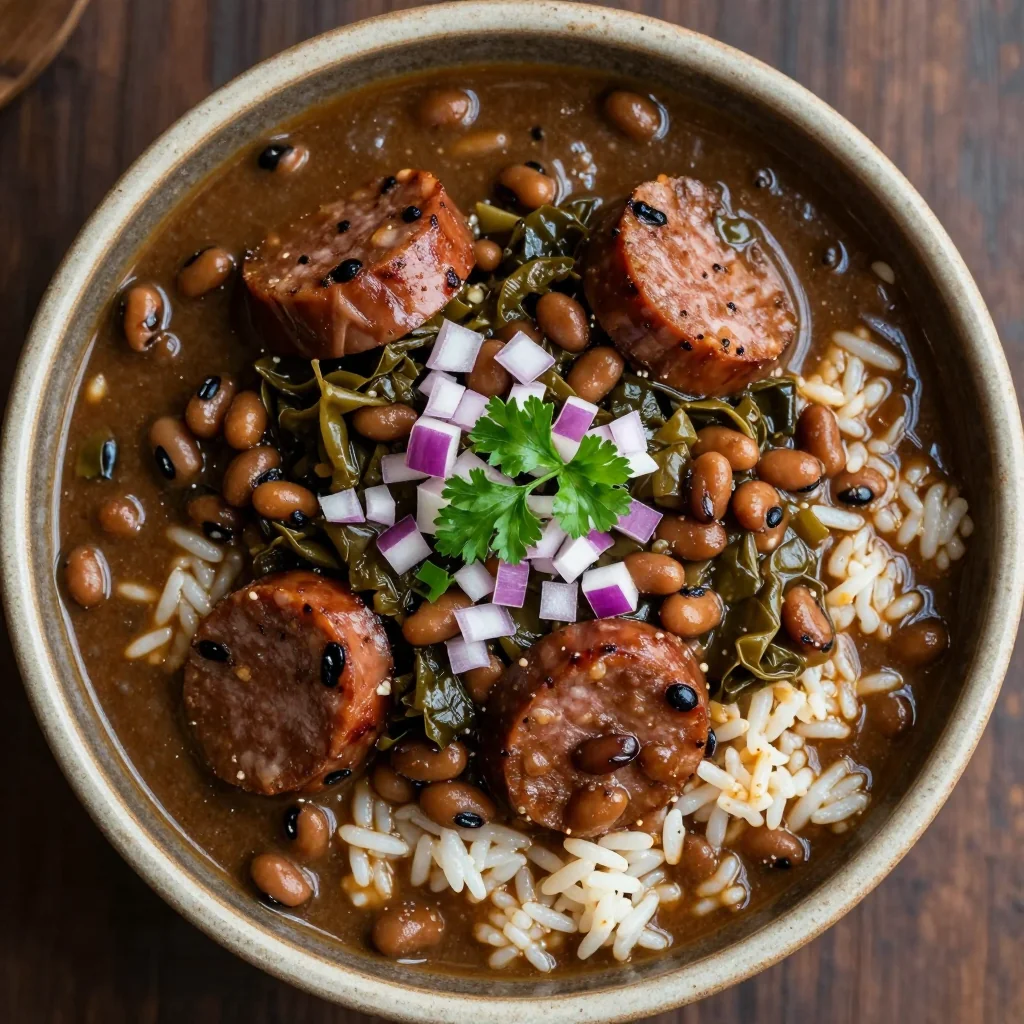
I’ve spent the last three months obsessing over the perfect low‑carb comfort food, and the moment I sliced the first eggplant, I knew I’d stumbled onto something legendary. Picture this: a slice of golden‑brown eggplant, its surface caramelized to a crisp that shatters like thin ice, the scent of fresh herbs dancing in the air, and the sound of a bubbling marinara that smells like a summer afternoon in Italy. That’s the sensory symphony that launches this dish, and it’s not just about the flavor—it’s a full‑bodied experience that turns a simple dinner into a celebration.
I’ve always been a bit of a kitchen daredevil. Last winter, after a disastrous attempt at lasagna that ended up with a soggy, cheese‑blown mess, my friend dared me to create a version that would make everyone forget the original. I laughed, but the challenge stuck. I pulled out fresh eggplant, ricotta, and a handful of herbs, and the result was a layered masterpiece that sings with texture and depth. The moment I tasted the first bite, I was hooked. This isn’t just another lasagna—it’s a game‑changer that will have you whispering, “I dare you to taste this and not go back for seconds.”
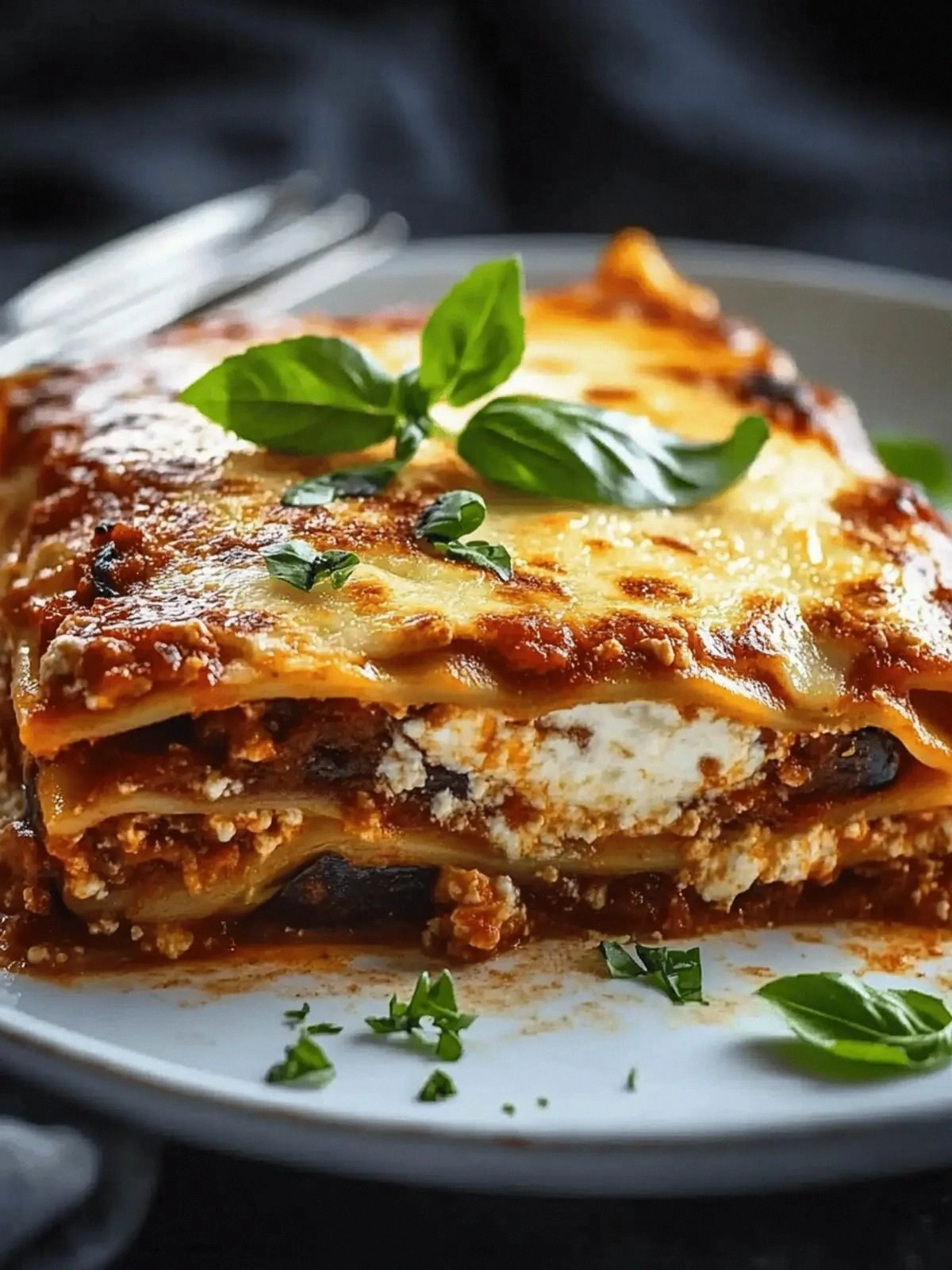
What makes this version stand out is that it’s built around the humble eggplant, not the pasta. The eggplant slices replace the noodles, creating a lighter, nutrient‑dense base that still feels indulgent. The ricotta and mozzarella blend into a silky, creamy filling that coats each layer like velvet, while the marinara adds a bright, acidic counterpoint that cuts through the richness. Fresh herbs give it a bright, herbal punch, and the final Parmesan crust offers a crunchy, savory finish that lingers on the palate. The result is a dish that feels luxurious, yet feels like a healthy, family‑friendly meal you can serve any night.
I’ll be honest—when I first plated this, I almost forgot to take a photo. The golden crust, the layered eggplant, the swirls of cheese—everything looked so good that I almost ate it before I could even share it. But I held back, and the moment you pull this out of the oven, the whole kitchen smells incredible, the steam rising like a gentle fog, and the anticipation of that first bite is almost unbearable. This is hands down the best version you’ll ever make at home, and I can’t wait to walk you through every single step so you can recreate that same wow factor.
What Makes This Version Stand Out
- Taste: The combination of creamy ricotta, sharp mozzarella, and tangy marinara creates a flavor profile that balances richness with acidity, ensuring each bite is both comforting and bright.
- Texture: Eggplant’s naturally spongy interior absorbs the sauce, while the cheese layers provide a luscious melt that contrasts with a crisp Parmesan crust.
- Simplicity: With only nine core ingredients, you can assemble this dish in under 45 minutes without any complicated techniques.
- Uniqueness: Replacing pasta with eggplant gives the dish a low‑carb twist that feels fresh yet familiar, making it perfect for health‑conscious diners.
- Crowd Reaction: Friends who’ve tried the classic version rave about how this version feels lighter yet still indulgent; it’s a hit at family gatherings.
- Ingredient Quality: Using fresh, seasonal produce—especially the eggplant—maximizes flavor and ensures the dish feels vibrant and alive.
- Cooking Method: The oven roasting of eggplant slices before layering locks in moisture and caramelization, giving depth that stovetop methods can’t match.
- Make‑ahead Potential: Assemble the lasagna a day in advance, refrigerate, and bake when ready—ideal for busy weeknights.
Inside the Ingredient List
The Flavor Base
Marinara sauce is the heart of this lasagna, providing acidity that cuts through the richness of the cheeses and the eggplant’s natural sweetness. A good marinara—preferably homemade or a high‑quality store brand—should be free of added sugars to keep the dish truly low‑carb. If you’re short on time, a jar of no‑salt‑added marinara works well, but be sure to taste and adjust seasoning as needed. Skipping the sauce would leave the dish dry and bland, so don’t even think about it.
The fresh herbs—oregano and basil—inject bright, aromatic notes that lift the entire dish. Fresh herbs are preferable over dried because they offer a more vibrant flavor profile. If you can’t find fresh basil, a small pinch of dried works, but the aroma won’t be as intense. Herbs also act as a natural preservative, helping the lasagna stay fresher longer.
The Texture Crew
The eggplant slices provide the structural backbone, absorbing the marinara and cheeses while maintaining a tender yet firm bite. They’re sliced thinly to ensure even cooking and quick absorption of flavors. If you prefer a softer texture, slice them slightly thicker, but be mindful that they may take a bit longer to cook through.
Ricotta cheese adds a creamy, slightly tangy base that balances the richness of mozzarella. It also helps bind the layers together, preventing the lasagna from falling apart when you cut it. A small amount of grated Parmesan mixed into the ricotta enhances flavor and adds a subtle nutty undertone. If you’re lactose intolerant, you can substitute with a dairy‑free ricotta alternative, but the texture will be slightly different.
The Unexpected Star
Olive oil is the unsung hero that keeps the eggplant slices from sticking and adds a silky finish to the dish. Drizzle a thin layer over each slice before roasting, and the result is a golden, caramelized surface that adds depth. Too much oil will make the dish greasy, so a light coating is key. If you’re watching calories, use a high‑quality extra‑virgin olive oil for maximum flavor.
The Final Flourish
Seasoning is everything. Sea salt and black pepper bring out the natural flavors of the ingredients and create a harmonious balance. Don’t be shy—taste as you go. If you’re using pre‑salted cheeses, reduce the amount of added salt accordingly. The final Parmesan crust, when toasted, delivers a satisfying crunch that contrasts beautifully with the creamy interior.
Everything’s prepped? Good. Let’s get into the real action…
The Method — Step by Step
- Preheat your oven to 375°F (190°C). While it warms, slice the eggplant into ¼‑inch rounds. Sprinkle each side lightly with sea salt, let rest for 15 minutes, then rinse and pat dry. This step removes bitterness and ensures the slices hold their shape during baking.
- Heat a large skillet over medium‑high heat and drizzle a tablespoon of olive oil. Add the eggplant slices in a single layer, cooking each side for 2–3 minutes until golden brown. Flip carefully—this caramelizes the surface and locks in moisture. The aroma that fills your kitchen is a promise of the flavors to come.
- In a mixing bowl, combine ricotta, mozzarella, Parmesan, fresh herbs, sea salt, and black pepper. Stir until fully blended. The cheese mixture should be smooth and slightly thick, ready to spread between layers.
- Spread a thin layer of marinara sauce on the bottom of a 9×13 inch baking dish. This creates a moist base that prevents the eggplant from drying out. The sauce’s acidity will brighten the dish, so don’t skip this step.
- Arrange a layer of roasted eggplant slices over the sauce. Spoon a generous amount of the cheese mixture on top, spreading it evenly. The cheese should cover the eggplant without overflowing. The next layer of sauce goes on top of the cheese, followed by another round of eggplant. Repeat until you’ve used all the ingredients, finishing with a top layer of sauce.
- Sprinkle the remaining mozzarella and a generous dusting of Parmesan over the final sauce layer. This creates a golden, bubbly crust that’s the visual and textural highlight of the dish.
- Cover the dish loosely with aluminum foil and bake for 20 minutes. Then remove the foil and bake for an additional 10–12 minutes, or until the top is golden and bubbly. The foil keeps moisture trapped, ensuring a tender interior.
- Let the lasagna rest for 10 minutes after removing it from the oven. This allows the flavors to settle and makes slicing easier. The steam will still be rising, so use a heat‑resistant glove or towel.
- Slice with a sharp knife, serve hot, and watch as guests reach for seconds. The combination of creamy layers, crisp eggplant, and savory crust will leave them begging for more.
That’s it — you did it. But hold on, I’ve got a few more tricks that will take this to another level. These insider tips will help you avoid common pitfalls and elevate the dish to a culinary masterpiece.
Insider Tricks for Flawless Results
The Temperature Rule Nobody Follows
Many people bake at 350°F, but this dish thrives at 375°F. The higher temperature ensures a crisp Parmesan crust while keeping the interior moist. If you’re using a convection oven, reduce the temperature by 25°F to avoid over‑browning.
Why Your Nose Knows Best
Before you take the lasagna out of the oven, trust your nose. A faint, sweet tomato aroma indicates the marinara has cooked through, while a stronger, buttery smell signals the cheeses are melting into a luscious sauce. If the scent feels off, let it bake a few more minutes.
The 5‑Minute Rest That Changes Everything
Letting the lasagna rest for exactly five minutes after baking allows the cheese to set, making slicing cleaner and preventing a gooey mess. It also lets the flavors meld, creating a richer taste experience. Don’t skip this step—it’s the difference between good and great.
The Eggplant Salt Soak
Soaking the eggplant in salt water for 20 minutes before slicing reduces bitterness and removes excess moisture. After soaking, pat dry thoroughly—this step is crucial for achieving that firm, caramelized texture.
The Cheese Ratio Secret
Using a 2:1 ratio of mozzarella to ricotta balances creaminess with structure. If you prefer a lighter version, reduce mozzarella to 1 cup; the ricotta will still provide enough body. This tweak keeps the dish low‑carb while maintaining a satisfying mouthfeel.
Creative Twists and Variations
This recipe is a playground. Here are some of my favorite ways to switch things up:
Mediterranean Medley
Add chopped sun‑dried tomatoes and kalamata olives to the marinara for a briny, tangy kick. The olives introduce a subtle saltiness that pairs beautifully with the eggplant’s earthiness.
Spicy Sriracha Surprise
Stir a tablespoon of Sriracha into the marinara for a fiery twist. The heat balances the richness and adds a pop of color to the sauce.
Pesto Power
Replace half of the marinara with basil pesto. The pesto’s fresh, herbaceous flavor elevates the dish, making it feel like a gourmet meal.
Spinach & Feta Fusion
Layer sautéed spinach between eggplant slices and sprinkle crumbled feta over the top. The spinach adds a burst of green, while the feta introduces a tangy, salty note.
Vegan Version
Swap the ricotta and mozzarella for a plant‑based ricotta alternative and vegan mozzarella. Use nutritional yeast in place of Parmesan for a cheesy flavor without dairy.
Breakfast Boost
Top the finished lasagna with a fried or poached egg before serving. The runny yolk adds richness and makes it a hearty breakfast or brunch option.
Storing and Bringing It Back to Life
Fridge Storage
Store leftovers in an airtight container for up to 4 days. The eggplant layers will stay moist, and the cheese will retain its creamy texture. Keep the lasagna in the refrigerator to preserve freshness.
Freezer Friendly
Wrap the assembled lasagna tightly in plastic wrap, then place in a freezer‑safe container. It can be frozen for up to 3 months. Thaw overnight in the fridge before reheating.
Best Reheating Method
Reheat in a preheated oven at 350°F for 20 minutes. Add a splash of water to the dish before covering with foil; this steams the lasagna back to a silky, moist finish. Avoid microwaving, as it can make the cheese rubbery.