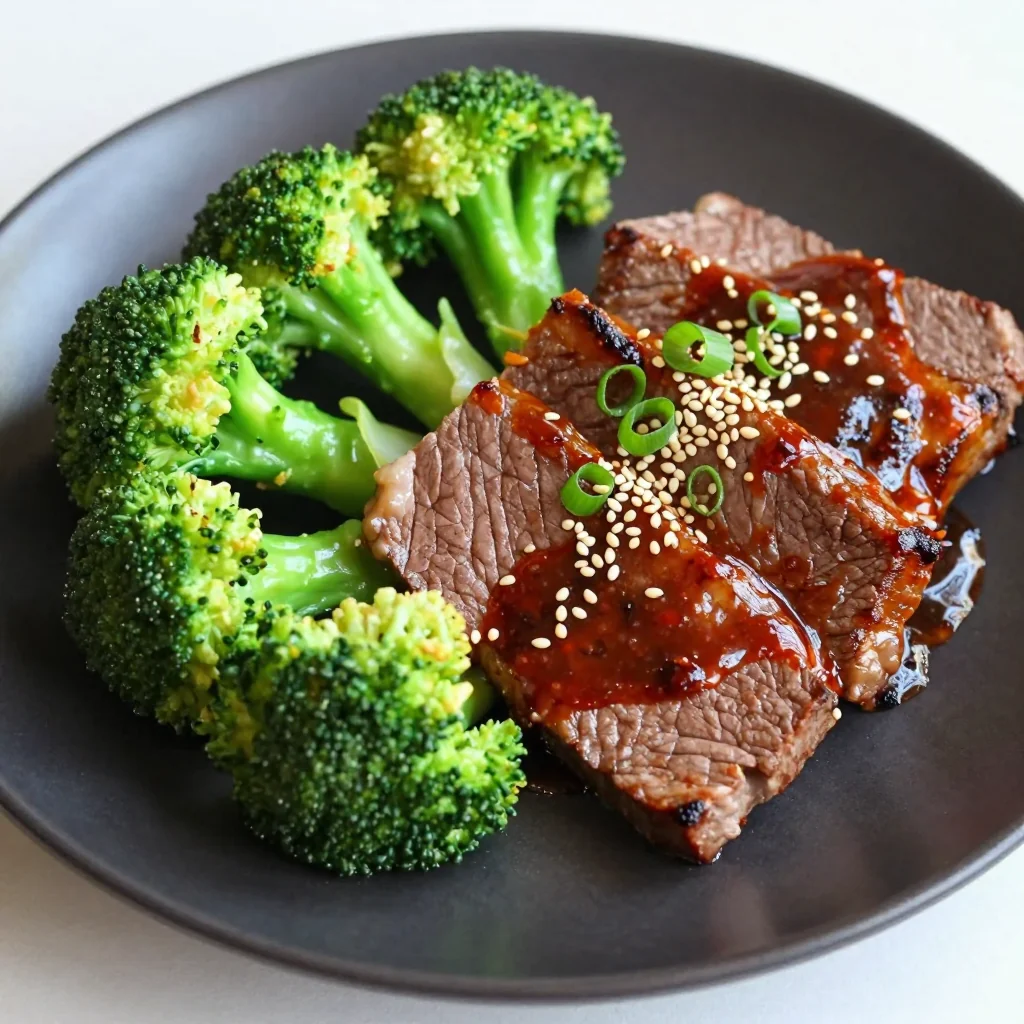
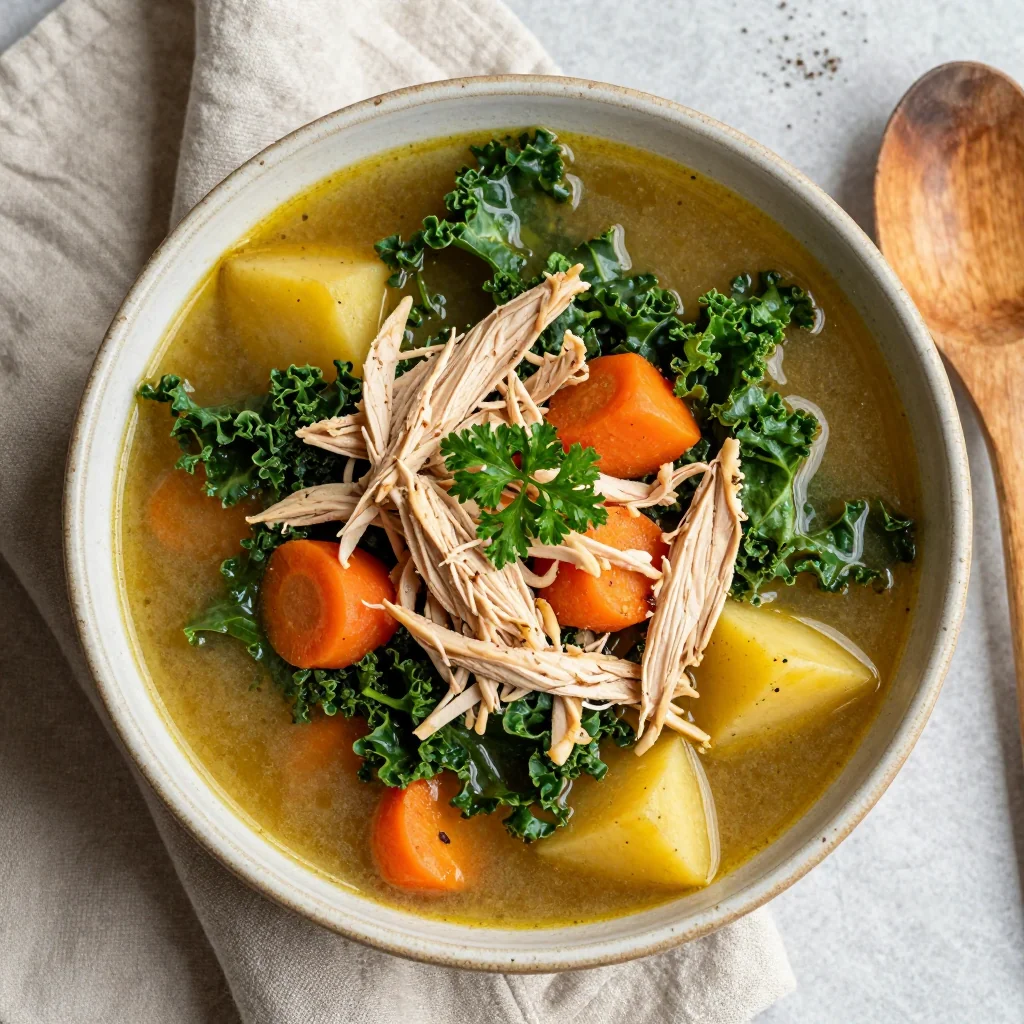
Picture this: a storm‑battered kitchen, the rain hissing against the windows, and you, standing over a pot that’s about to transform a humble cut of beef into a symphony of flavors. I was halfway through a disastrous attempt at a classic beef stew—too watery, too bland, and the broth had the personality of a lukewarm bath. I swore I’d never again let the humble pot be a disappointment. That night, armed with a new recipe, I set out to rewrite the rules of comfort food.
From the first splash of olive oil, the kitchen filled with the scent of caramelized onions that promised depth. The gentle hiss of garlic and the pop of carrots slicing through the heat were like applause from the stove. As the beef browned, the aroma turned from simple to something that could almost be described as a savory hug. The sound of the pot clinking against the counter was a metronome for a meal that was going to be a masterpiece. By the time the stew simmered, the whole room smelled of roasted vegetables, rich broth, and a hint of wine—an invitation that made the air taste like anticipation.
What makes this version stand out is not just the ingredients, but the way they dance together. I’ve spent months tweaking the ratios, and the result is a stew that is thick enough to coat your spoon like velvet, yet light enough to let the vegetables shine. It’s a game changer because it eliminates the common pitfalls—overcooked beef, under‑seasoned broth, and a lack of texture. I dare you to taste this and not go back for seconds, because the first bite will make you question every other stew you’ve ever made. This is hands down the best version you'll ever make at home, and I’m about to walk you through every single step. By the end, you'll wonder how you ever made it any other way.
What Makes This Version Stand Out
- Flavor Depth: The slow caramelization of onions and garlic builds a base that is richer than any pre‑made stock can offer. The addition of red wine and tomato paste creates a subtle acidity that balances the beef’s richness.
- Texture Balance: Tender beef cubes, crisp carrots, and creamy potatoes coexist without any one component overpowering the others. The stew’s consistency is achieved with a light flour slurry rather than a heavy roux.
- Simplicity: All the steps can be completed in one pot, saving you from juggling multiple pans and reducing cleanup time.
- Ingredient Quality: Using a good cut of chuck and fresh vegetables is the secret; the stew will never taste like it’s been made with cheap substitutes.
- Crowd Reaction: Friends who have tasted this version say it’s the first time they’ve had a stew that could stand on its own at a dinner table.
- Make‑Ahead Potential: The stew actually improves after a day or two, making it perfect for meal prep or a lazy weekday dinner.
Alright, let's break down exactly what goes into this masterpiece. And before you start chopping, here’s a quick kitchen hack to keep the process smooth.
Inside the Ingredient List
The Flavor Base
Olive Oil: A generous splash of olive oil creates a slick surface that prevents the beef from sticking and encourages a beautiful brown crust. Skipping this step will result in a mushy exterior and a less complex flavor profile. If you prefer a leaner version, use a neutral oil like grapeseed; the olive oil adds a subtle fruity undertone.
The Texture Crew
Beef Chuck: This cut is prized for its marbling, which melts into the stew, imparting a silky mouthfeel. Choosing a cut with too little fat will leave the dish dry. Look for a piece with a good amount of connective tissue; it will break down into tender strands during the long simmer.
Carrots & Potatoes: Carrots bring natural sweetness while potatoes add body. Cutting them into uniform cubes ensures even cooking. If you’re short on time, pre‑cut frozen veggies can be a lifesaver, but fresh is always better for flavor.
The Unexpected Star
Red Wine: A splash of dry red wine deglazes the pan, lifting those caramelized bits that carry flavor. The acidity cuts through the richness, creating a balanced broth. If you’re avoiding alcohol, a splash of beef broth with a teaspoon of vinegar can mimic the effect.
The Final Flourish
All‑Purpose Flour: Used as a slurry to thicken the stew without heavy roux. It gives a subtle coating to the vegetables, making each bite feel substantial. If you’re gluten‑free, swap for cornstarch or arrowroot powder.
Everything's prepped? Good. Let's get into the real action.
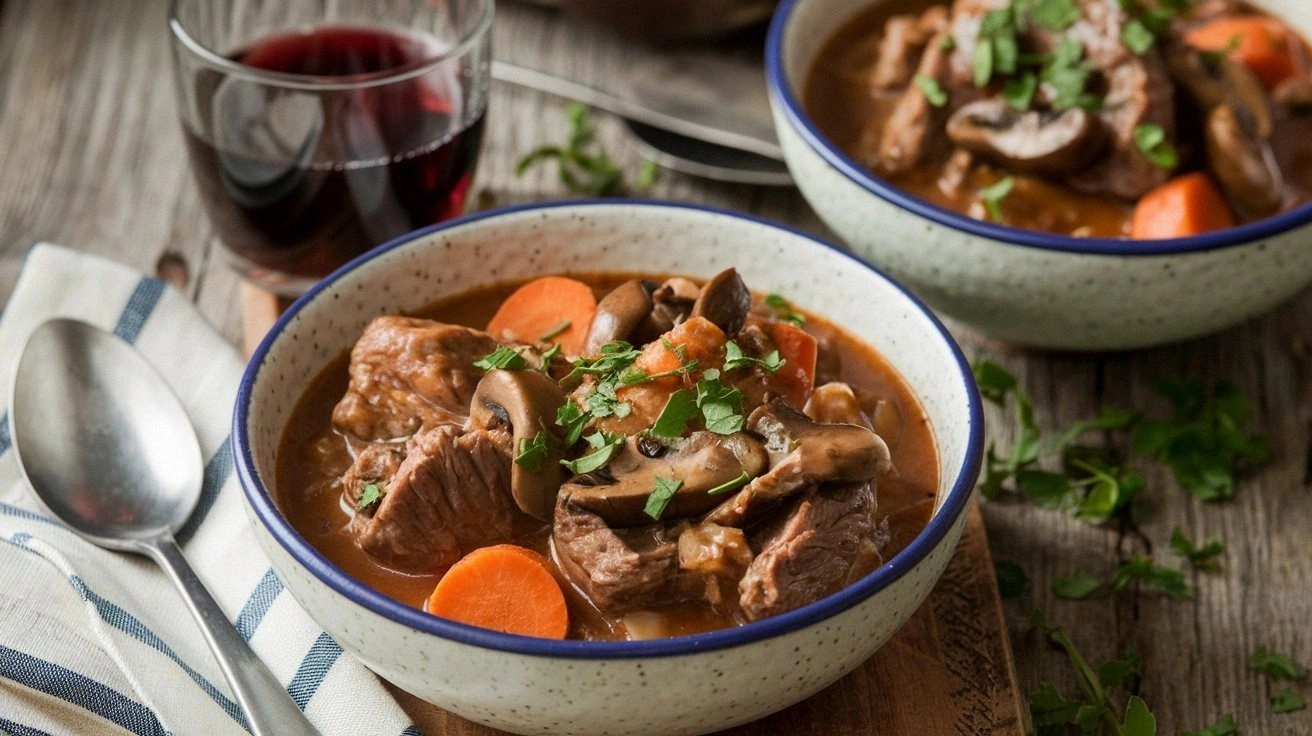
The Method — Step by Step
- Heat the cast‑iron skillet over medium‑high heat and add 2 tablespoons of olive oil. Once the oil shimmers, add the beef cubes in a single layer, allowing them to brown without crowding. This step is crucial; a proper sear develops a complex flavor that will carry through the stew. If you see any steam, lower the heat slightly to avoid burning.
- Transfer the browned beef to a large stockpot and set aside. In the same skillet, reduce the heat to medium and add the diced onion. Sauté until translucent, about 3‑4 minutes, scraping up the browned bits that are the flavor foundation.
- Add the minced garlic to the onions and cook for 30 seconds until fragrant—watch out, the garlic can burn quickly. Then pour in the red wine to deglaze the pan, scraping the bottom to loosen the caramelized bits. Let the wine reduce by half; this concentrates the flavor and removes the harsh alcohol taste.
- Return the beef to the pot, then add the carrots, potatoes, celery, and tomato paste. Stir to coat the vegetables in the aromatic base. Add the beef broth and bring to a gentle boil. Once boiling, reduce to a low simmer and cover the pot. Let the stew cook for 90 minutes, stirring occasionally.
- During the simmer, taste the broth. Add salt and pepper to taste—remember, you can always add more, but you can’t take it out. If the stew looks too thin, add a splash of water to keep the flavors concentrated. Keep an eye on the pot; you want a steady, gentle simmer, not a rolling boil.
- After 90 minutes, the beef should be fall‑apart tender, and the vegetables fully cooked. At this point, create a slurry by mixing 2 tablespoons of flour with ¼ cup of cold water. Whisk until smooth, then slowly pour into the pot, stirring constantly to avoid lumps. The stew will thicken almost immediately.
- Let the stew simmer for an additional 10 minutes, allowing the flour to cook out and the flavors to meld. Add the dried thyme and bay leaves, and stir gently. If you prefer a thicker stew, you can add an extra tablespoon of flour slurry.
- Remove the bay leaves and stir in 1 tablespoon of Worcestershire sauce for a savory umami boost. Finish with a handful of chopped fresh parsley for color and brightness. Taste again, adjust seasoning if needed, and then remove from heat.
- Let the stew rest for 5 minutes before serving. This short rest allows the flavors to settle and the stew to thicken slightly, giving each spoonful that satisfying mouthfeel. Serve hot over mashed potatoes, crusty bread, or a bowl of steaming rice.
That's it—you did it. But hold on, I've got a few more tricks that'll take this to another level.
Insider Tricks for Flawless Results
The Temperature Rule Nobody Follows
Many cooks think a high simmer is the key to a great stew, but that actually breaks down the vegetables before the beef is tender. Keep the heat low and steady; a gentle simmer allows the collagen in the beef to melt into gelatin, enriching the broth. I’ve seen a pot on a high flame turn into a soggy mess—don’t repeat that.
Why Your Nose Knows Best
Stir the stew occasionally and pause to sniff the broth. A rich, earthy aroma signals that the beef has released its flavors. If the scent is flat, you’re missing the depth that comes from properly browned meat and deglazed aromatics.
The 5-Minute Rest That Changes Everything
After you remove the stew from heat, let it sit for 5 minutes. This short rest allows the gelatin to set, giving the stew a glossy sheen and a thicker body. Skipping this step can leave your stew looking watery.
Add a Splash of Acid at the End
Just before serving, squeeze a bit of lemon juice or add a splash of vinegar. The acid brightens the stew, cutting through the richness and adding a fresh note that lifts the overall flavor profile.
The Right Flour for Thickening
If you’re not a fan of flour, use cornstarch or arrowroot powder instead. Whisk the thickener with a small amount of cold water to create a slurry, then stir it into the stew. This method prevents lumps and gives a silky finish.
Creative Twists and Variations
This recipe is a playground. Here are some of my favorite ways to switch things up:
Maple‑Glazed Carrots
Swap the regular carrots for baby carrots glazed with a mixture of maple syrup and butter. The sweetness pairs beautifully with the savory beef, creating a dish that feels like a holiday dinner.
Mushroom Medley
Add sliced cremini or shiitake mushrooms in the last 20 minutes of simmering. The earthy umami enhances the beef’s flavor and adds a new textural element.
Spicy Kick
Introduce a pinch of crushed red pepper flakes or a dash of hot sauce. The heat balances the richness and adds a lively contrast.
Cheesy Twist
Stir in a handful of shredded Gruyère or cheddar just before serving. The melted cheese coats the stew, giving it a creamy, indulgent finish.
Herb‑Infused Variant
Replace dried thyme with fresh rosemary and add a sprig of sage. The aromatic herbs lend a fragrant, forest‑like aroma that transforms the dish into a rustic stew.
Vegetarian Alternative
Use seared tofu cubes and vegetable broth in place of beef. Keep the same seasoning and thickening technique for a hearty plant‑based stew that satisfies the soul.
Storing and Bringing It Back to Life
Fridge Storage
Cool the stew completely before transferring it to airtight containers. Store in the refrigerator for up to 4 days. The gelatin will firm up as it chills, giving the stew a more luxurious texture when reheated.
Freezer Friendly
For longer storage, freeze the stew in freezer‑safe containers for up to 3 months. When ready to eat, thaw overnight in the refrigerator and gently reheat on low, adding a splash of water if the broth has thickened too much.
Best Reheating Method
Reheat the stew slowly over low heat, stirring occasionally. Before finishing, add a tiny splash of water or broth to re‑hydrate the thickened mixture. Finish with fresh parsley to brighten the dish.