It was a Tuesday night, the kind of evening that ends with a burnt casserole and a sigh that sounds more like a curse than a complaint. I stared at the charred bottom of the pot, wondering if I’d ever taste anything that could salvage the night. That was the moment I decided that slow cooker BBQ meatballs would be my culinary salvation. I wanted something that could turn a kitchen mishap into a triumph, a dish that would make the whole house smell like a barbecue joint without the smoke alarm drama. I dared myself to create a version that would make everyone ask, “How did you do that?” and I’m about to reveal every secret.
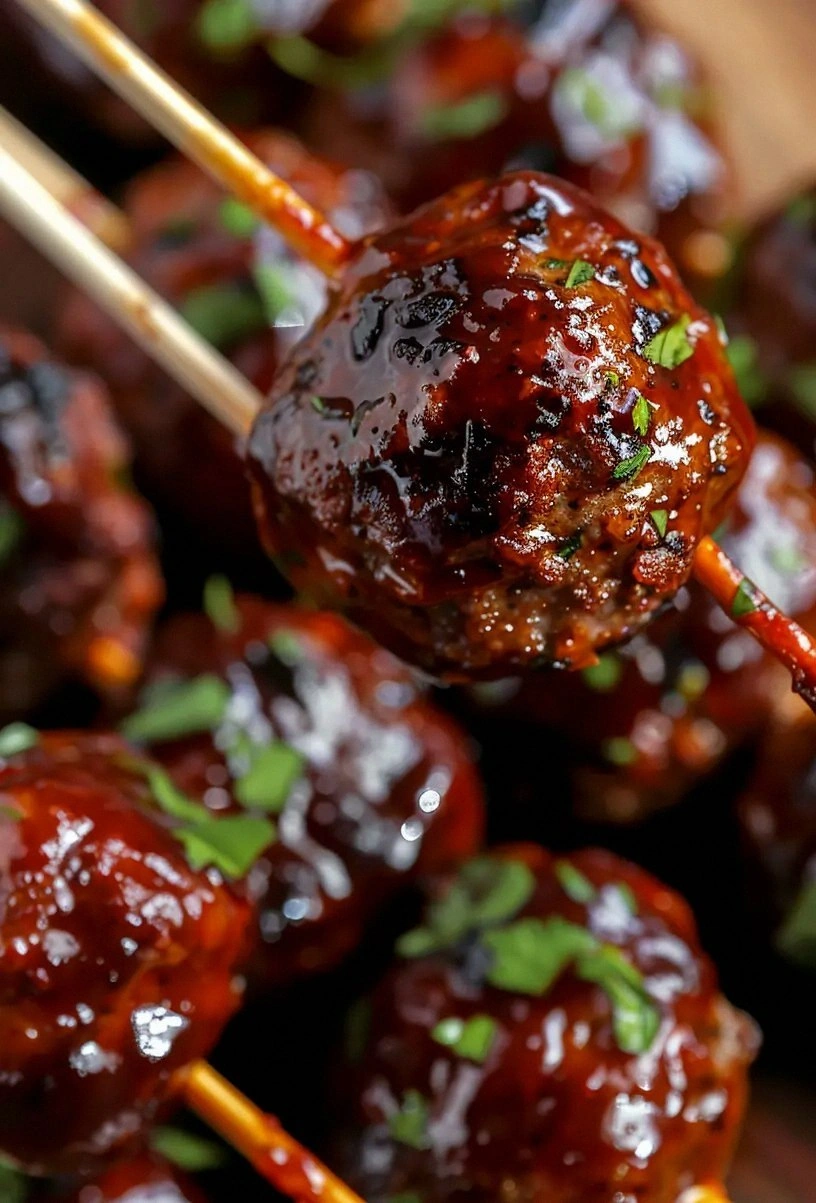
Picture the scene: a clatter of pans, the faint hiss of a slow cooker, and the sweet, smoky aroma that drifts from the pot like a promise. The meatballs themselves look like little red jewels, each one a bite of comfort wrapped in a glossy, caramelized glaze. When you take a forkful, the outer skin snaps with a satisfying crack, revealing a juicy center that practically melts in your mouth. The sauce clings to the meat, coating it like velvet, and every bite is a burst of sweet, tangy, and smoky flavors that dance across the palate. You can hear the faint sizzle as the meatballs settle into the sauce, a sound that signals the dish is about to become legendary.
What sets this version apart from the countless other slow cooker meatball recipes on the internet is the intentional layering of textures and flavors. I’ve tweaked the breadcrumb mix to include a touch of Parmesan, adding depth and a subtle nutty undertone. The sauce is a carefully balanced blend of barbecue sauce, ketchup, brown sugar, Worcestershire, and apple cider vinegar, which creates a complex sweetness that isn’t overpowering. The smoked paprika and garlic powder add a smoky kick that complements the meat without drowning it. The result is a dish that’s both comforting and adventurous, a crowd-pleaser that’s guaranteed to leave your guests begging for more.
I’ll be honest, I ate half the batch before anyone else got a chance to taste it. That was the moment I knew I had struck gold. The texture was perfect—firm on the outside, tender on the inside—and the sauce was so rich that a single spoonful was enough to satisfy an entire appetite. I dare you to taste this and not go back for seconds; it’s a game-changer, a dish that will forever change your slow cooker repertoire. The next step? Let me walk you through every single step—by the end, you’ll wonder how you ever made it any other way.
When you first open the slow cooker, you’ll see a steaming pot of savory goodness. The air inside is thick with the scent of caramelized onions, garlic, and smoky paprika. The sound is a gentle, comforting hum, as if the cooker itself is whispering, “This is going to be good.” You’ll feel the warmth radiating from the pot, a comforting reminder that food is not just sustenance but a source of joy. The sight of those perfectly formed meatballs glistening in the sauce is a visual feast that makes your mouth water before you even take your first bite.
What Makes This Version Stand Out
- Flavor Fusion: The sauce is a masterclass in balancing sweet, tangy, and smoky notes, creating a complex profile that lingers on the tongue.
- Texture Perfection: Each meatball has a crisp exterior that gives way to a juicy, tender core, providing a satisfying bite.
- Time Efficiency: A slow cooker does all the heavy lifting, allowing you to set it up and return to a ready-to-serve dish.
- Ingredient Quality: The use of fresh garlic, real Parmesan, and high-quality barbecue sauce elevates the dish beyond the generic.
- Make‑Ahead Friendly: Prepare the meatballs ahead of time, then just add the sauce and let the slow cooker finish the job.
- Versatile Pairing: Works wonderfully with pasta, rice, mashed potatoes, or even a fresh salad for a lighter option.
- Kid‑Approved: The sweet glaze masks the savory meat, making it a hit with even the pickiest eaters.
- Health‑Conscious Twist: By using lean ground beef or pork, you keep the dish satisfying without overloading on fat.
Alright, let's break down exactly what goes into this masterpiece. The next section will walk you through each ingredient group and why they’re essential. And before we dive in, here’s a quick kitchen hack that will save you time and keep your sauce from sticking.
Inside the Ingredient List
The Flavor Base
The foundation of any great sauce starts with the right balance of sweet and savory. Barbecue sauce brings the classic smoky sweetness that is essential for this dish, but it can be too thick or too sweet on its own. Adding ketchup introduces a subtle tomato tang, cutting through the richness and adding depth. Brown sugar sweetens the mixture, creating a caramelized glaze that sticks to the meatballs. Worcestershire sauce brings umami complexity, while apple cider vinegar adds a bright acidity that lifts the overall flavor profile.
The Texture Crew
Ground beef or pork provides the primary protein source, but the ratio of lean to fat is crucial. Lean meats keep the dish from becoming greasy, while a bit of fat adds juiciness. Breadcrumbs act as a binder, absorbing excess moisture and preventing the meatballs from falling apart. Grated Parmesan cheese introduces a subtle nutty flavor and a slightly crisp texture when baked, which contrasts beautifully with the soft meat. Milk and an egg help to bind everything together, ensuring the meatballs hold their shape during cooking.
The Unexpected Star
Smoked paprika and garlic powder may seem like ordinary seasonings, but they are the unsung heroes that give this recipe its signature smoky undertone. Smoked paprika provides a deep, earthy smokiness that complements the barbecue sauce, while garlic powder adds a subtle, lingering garlic flavor without the bite of fresh cloves. Together, they create a complex aroma that lingers even after the last bite.
The Final Flourish
The final flourish of fresh garlic and dried oregano brings brightness and herbaceousness to the dish. Garlic adds depth and a punch of flavor that balances the sweetness, while oregano introduces a slightly bitter, peppery note that cuts through the richness. Salt and pepper are essential for bringing all the flavors together, but they should be added in moderation to avoid overpowering the delicate balance of the sauce.
Everything's prepped? Good. Let's get into the real action.
The Method — Step by Step
- Prepare the Meatball Mixture: In a large bowl, combine the ground beef (or pork), breadcrumbs, grated Parmesan, milk, egg, minced garlic, dried oregano, salt, and pepper. Use your hands to mix until just combined—overmixing will make the meatballs tough. Shape the mixture into 1 ½-inch balls, placing them on a parchment-lined tray. This step sets the foundation for the texture of your meatballs; keep them uniform for even cooking.
- Brown the Meatballs (Optional but Recommended): In a hot skillet with a splash of oil, brown the meatballs on all sides. This creates a caramelized crust that locks in juices and adds a savory depth. If you’re short on time, skip this step; the slow cooker will still produce tender meatballs, but the flavor profile will be slightly different.
- Prepare the Sauce: In a medium bowl, whisk together barbecue sauce, ketchup, brown sugar, Worcestershire sauce, apple cider vinegar, smoked paprika, garlic powder, salt, and pepper until smooth. Taste the mixture; it should be sweet with a hint of tang, but not overwhelmingly so. The sauce should be thick enough to coat the meatballs but still pourable.
- Layer in the Slow Cooker: Place the meatballs in the slow cooker, arranging them in a single layer if possible. Pour the sauce over the meatballs, ensuring each one is well coated. Cover and set to low for 4 hours or high for 2 hours. The slow cooker’s gentle heat will render the meatballs tender while infusing them with the sauce’s flavors.
- Watch Out: When the meatballs are nearing the end of their cooking time, check the sauce’s consistency. If it’s too thick, add a splash of water or broth to thin it out. If it’s too thin, let the cooker run a bit longer or increase the heat slightly. The goal is a glossy, caramelized glaze that clings to each meatball.
- Final Touches: Once the meatballs are cooked, give the sauce a good stir. If you want an extra burst of flavor, sprinkle a handful of fresh parsley or a pinch of cayenne pepper over the top before serving. The fresh herbs brighten the dish, while a touch of heat can elevate the overall experience.
- Serve: Plate the meatballs with a generous drizzle of sauce. Pair them with a side of mashed potatoes, rice, or even a simple green salad. The sauce’s sweetness will complement the starch, creating a harmonious balance of flavors.
- Enjoy: Take your first bite and let the flavors explode. The meatballs should be juicy, the sauce glossy, and the overall dish unforgettable. If you’re feeling adventurous, try adding a splash of bourbon or a pinch of chili flakes for a new twist.
That's it — you did it. But hold on, I've got a few more tricks that'll take this to another level.
Insider Tricks for Flawless Results
The Temperature Rule Nobody Follows
Many people think low and slow is always best, but in this recipe, a high setting for the last hour can caramelize the sauce and create a richer glaze. If your slow cooker has a “simmer” setting, use it for the final 30 minutes. This small adjustment makes a noticeable difference in texture and flavor.
Why Your Nose Knows Best
Your sense of smell is the ultimate judge of doneness. When the sauce is bubbling and the meatballs are fragrant, they’re ready. Trust your nose; if it smells like a barbecue joint, you’re good to go.
The 5‑Minute Rest That Changes Everything
After the slow cooker finishes, let the meatballs rest for five minutes before serving. This allows the juices to redistribute, ensuring each bite is juicy and flavorful. I’ve seen people skip this step, only to find their meatballs are a bit dry.
Add a Splash of Liquid
If the sauce becomes too thick after cooling, reheat it with a splash of water or broth. This keeps the glaze silky and prevents it from drying out on the plate.
Use Fresh Herbs
Fresh parsley or cilantro added at the end brightens the dish and adds a pop of color. The fresh herbs contrast with the rich sauce, creating a balanced flavor profile.
Keep the Meatballs Warm
If you’re serving a large crowd, place the cooked meatballs in a slow cooker set to warm. This keeps them at the optimal temperature without overcooking.
Creative Twists and Variations
This recipe is a playground. Here are some of my favorite ways to switch things up:
Mexican Fiesta
Swap the barbecue sauce for a smoky chipotle sauce, add a handful of corn kernels, and serve over cilantro-lime rice. The result is a spicy, vibrant dish that feels like a taco night in a slow cooker.
Italian Twist
Replace the barbecue sauce with marinara, add a splash of red wine, and sprinkle with fresh basil. Serve over spaghetti or fettuccine for an Italian-inspired meatball classic.
Asian Fusion
Use hoisin sauce instead of barbecue, add a tablespoon of sesame oil, and top with sliced green onions. Pair with steamed rice and a side of stir-fried bok choy for an Asian take on the meatball.
Low‑Carb Option
Omit the breadcrumbs and replace them with almond flour or crushed pork rinds. This keeps the meatballs low-carb while maintaining a great texture.
Cheesy Delight
Add shredded cheddar or mozzarella into the meatball mixture for a gooey, melty center. The cheese melts into the sauce, creating a rich, indulgent bite.
Herbal Infusion
Incorporate fresh thyme or rosemary into the meatball mixture. The herbs infuse the meat with an aromatic depth that pairs wonderfully with the smoky sauce.
Storing and Bringing It Back to Life
Fridge Storage
Store leftovers in an airtight container in the refrigerator for up to 4 days. The sauce will thicken slightly, so reheat gently on the stove with a splash of water to restore its silky texture.
Freezer Friendly
Freeze the cooked meatballs in a single layer on a parchment-lined tray, then transfer to a freezer bag. They stay fresh for up to 3 months. Reheat in the microwave or oven, adding a splash of broth if needed.
Best Reheating Method
The best way to reheat is on the stovetop over low heat, stirring occasionally. Add a tablespoon of water or broth to keep the sauce from drying out. A quick microwave reheat works too, but be sure to stir to distribute heat evenly.