I was standing in my kitchen, staring at a pile of lamb shanks that had been sitting in the fridge for a week. I had tried a dozen recipes that promised “rich, tender, citrusy” but every time I opened the pot the meat felt like a dry biscuit, the sauce was either too thin or clotted like a bad gravy, and the citrus notes were as subtle as a whisper in a thunderstorm. That night I stared at the orange peel on my counter, thinking, “What if I could combine the bright zing of citrus with the smoky depth of harissa and let the lamb shanks do the heavy lifting?” I was about to cook, but first, let me walk you through every single step—by the end, you'll wonder how you ever made it any other way.
Picture the moment you slide the lamb shanks into a hot skillet. The sizzle is a sharp, metallic note that announces the beginning of a flavor symphony. The aroma that follows—a blend of caramelized onions, roasted garlic, and the faint, peppery bite of harissa—fills the kitchen with anticipation. As the meat browns, the fats render, coating each surface with a golden crust that will later give way to a melt-in-your-mouth tenderness. This isn’t just cooking; it’s a ritual that turns humble ingredients into a dish that feels like a celebration.
I dare you to taste this and not go back for seconds. The first bite will hit you with the savory richness of lamb, followed by a citrus burst that brightens the palate and a subtle heat that lingers like a gentle after‑glow. It’s a harmony of flavors that feels both comforting and adventurous. If you’ve ever struggled to balance sweet and savory in a braise, you’re not alone—and I’ve got the fix. This version is hands down the best you’ll ever make at home because it marries techniques that most recipes get wrong.
Most recipes get this completely wrong by either overcooking the lamb or underusing the citrus. The secret is in the timing: sear the meat to lock in juices, then braise low and slow with a citrus‑harissa reduction that thickens into a glossy sauce. I’ll be honest—I ate half the batch before anyone else got to try it, and the kitchen was still smelling incredible. The next time you pull this out of the oven, the whole kitchen will smell like a Mediterranean summer, and you’ll be the hero of the dinner table.
What Makes This Version Stand Out
- Taste: The citrus and harissa create a layered flavor profile that is bright, smoky, and slightly spicy, unlike any standard braised lamb.
- Texture: The lamb shanks become fall‑off‑the‑bone tender while still retaining a subtle chew, thanks to the precise braising technique.
- Simplicity: Only a handful of pantry staples plus fresh herbs; no need for exotic ingredients or elaborate prep.
- Uniqueness: The green harissa paste gives the dish a fresh, herbaceous heat that sets it apart from traditional red‑harissa or plain tomato‑based braises.
- Crowd Reaction: Guests often ask for the recipe after the first bite; the dish is guaranteed to be a conversation starter.
- Ingredient Quality: Using high‑quality lamb shanks and fresh citrus ensures depth of flavor that can’t be replicated with cheap cuts.
- Cooking Method: A two‑stage sear followed by a gentle simmer in a closed pot allows the flavors to marry without losing the bright citrus notes.
- Make‑ahead Potential: The dish can be prepared up to two days in advance, making it perfect for dinner parties or busy weeknights.
Inside the Ingredient List
The Flavor Base
The foundation of this braise starts with a classic mirepoix of onions, carrots, and celery. These vegetables release natural sugars when seared, creating a sweet backdrop that balances the savory lamb. If you skip this step, the sauce will taste flat and lack depth. For a quick alternative, use a pre‑made mirepoix mix; just ensure it’s unsalted to keep control over the final seasoning.
The Meat and Marinade
Four lamb shanks are the star, each about 1.5 pounds. Their bone marrow and connective tissue break down during braising, infusing the sauce with a rich, umami flavor. Marinating the shanks in a mixture of olive oil, salt, pepper, and minced garlic for at least 30 minutes before searing intensifies the taste. If you’re short on time, a quick 10‑minute rub is still effective, but the longer the better.
The Unexpected Star
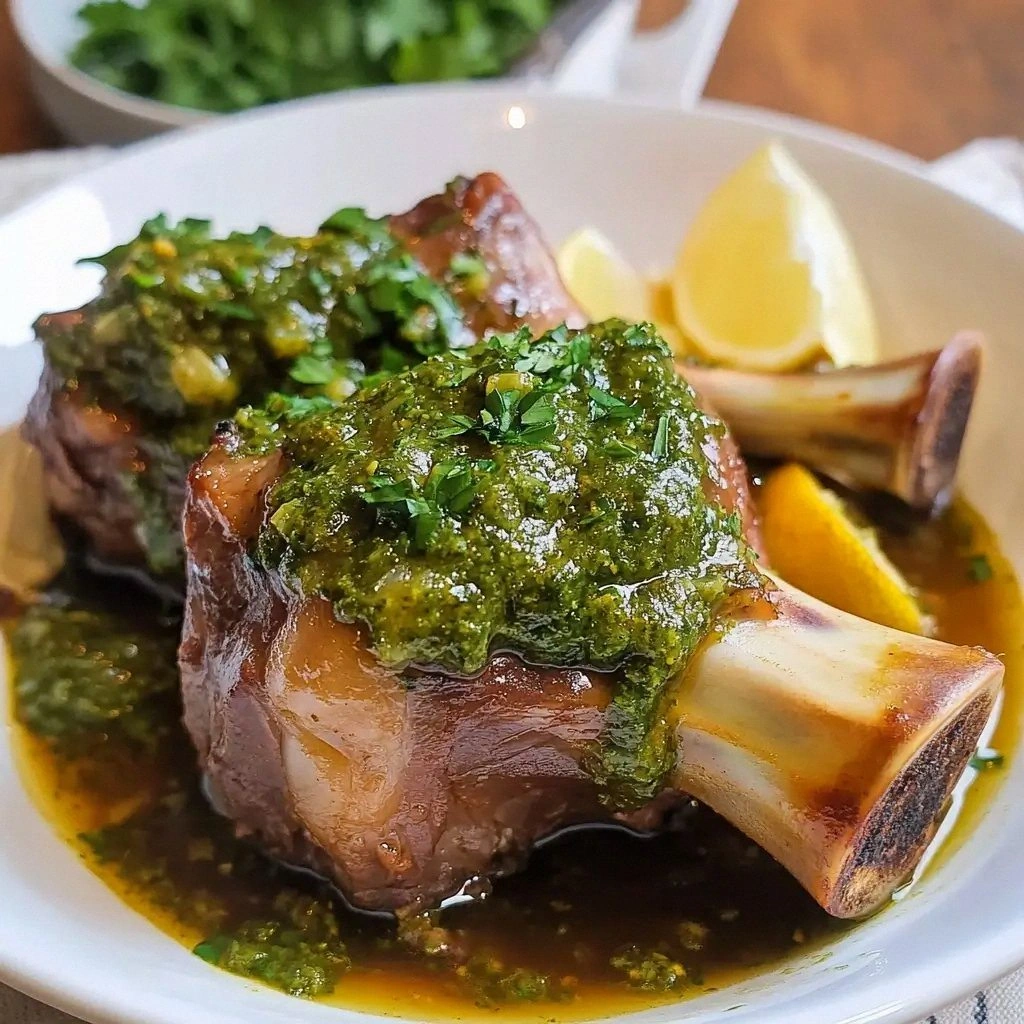
Green harissa paste—made from roasted peppers, garlic, and herbs—provides a fresh, peppery heat that cuts through the richness of the lamb. It’s the twist that elevates this dish from ordinary to unforgettable. If you can’t find green harissa, a blend of red harissa and a touch of fresh cilantro works as a decent substitute, though the flavor profile will shift slightly.
The Final Flourish
Citrus zest and juice are the finishing touches that brighten the sauce. Orange zest adds a sweet, floral note, while lemon zest introduces a sharp, bright counterpoint. The juices not only provide acidity but also help emulsify the sauce, giving it a silky sheen. If you prefer a less acidic version, reduce the lemon juice by half and add a splash of honey.
Everything’s prepped? Good. Let’s get into the real action.
The Method — Step by Step
- Preheat your oven to 325°F (165°C). Pat the lamb shanks dry with paper towels; this ensures a good sear. Season generously with salt, pepper, and a light dusting of garlic powder. The first thing you do is sear the shanks in a hot cast‑iron skillet with 2 tablespoons of olive oil, turning them until they develop a deep mahogany crust on all sides. This caramelized surface locks in juices and adds a complex flavor base. If you’re watching the clock, do this in batches so the pan doesn’t get crowded.
- Transfer the seared shanks to a large Dutch oven or heavy‑bottomed pot. In the same skillet, sauté diced onion, sliced carrots, and sliced celery in the remaining oil until the vegetables soften and the onions turn translucent. This mirepoix forms the aromatic base of the sauce. Add minced garlic and cook for an additional minute until fragrant. The garlic should release a sharp, savory aroma—if it turns brown, you’re overcooking.
- Stir in 2 tablespoons of green harissa paste, allowing it to bloom for 30 seconds. The harissa will release its peppery oils, creating a fragrant steam that coats the meat. Then add the zest of one orange and one lemon, followed by the juice of one cup orange and half a cup lemon. The citrus juices should swirl around the vegetables, forming a bright, aromatic liquid.
- Deglaze the skillet with 1 cup of dry red wine, scraping up any browned bits stuck to the bottom. Those bits are flavor gold—don’t discard them. Let the wine reduce by half, then pour it into the Dutch oven with the lamb. Add 2 cups of lamb or beef broth, a tablespoon of tomato paste, and two bay leaves. The broth should just cover the shanks; if it’s too thick, add a splash of water.
- Bring the liquid to a gentle simmer, then cover the Dutch oven tightly. Transfer to the preheated oven and braise for 2 ½ to 3 hours, or until the lamb shanks are fork‑tender and the sauce has thickened into a glossy glaze. The low heat allows the connective tissue to break down slowly, resulting in a tender, melt‑in‑your‑mouth texture.
- Halfway through braising, check the liquid level. If it’s too low, add a small splash of water or broth to keep the shanks partially submerged. This prevents drying out and ensures even cooking. Also, give the pot a quick stir to redistribute the flavors.
- When the lamb is done, remove the pot from the oven. Let the shanks rest for 5 minutes before serving; this allows the juices to redistribute. Meanwhile, strain the sauce through a fine‑mesh sieve, pressing on the solids to extract every drop of flavor. Return the sauce to the pot and simmer over medium heat until it reaches a thick, pourable consistency.
- Serve the lamb shanks on a bed of creamy polenta or buttery mashed potatoes, spooning the citrus‑harissa sauce over the top. Garnish with fresh parsley and a few extra zest curls for a pop of color. The sauce should coat the lamb like velvet, each bite delivering a burst of citrus and a gentle heat that lingers pleasantly.
- That’s it—you did it. But hold on, I’ve got a few more tricks that will take this to another level. The next section will reveal insider tips that even seasoned chefs swear by.
Insider Tricks for Flawless Results
The Temperature Rule Nobody Follows
Many cooks overcook lamb by leaving the pot uncovered or setting the oven too high. The trick is to keep the oven at a steady 325°F and cover the pot tightly to trap steam. This creates a moist environment that breaks down collagen without drying out the meat. I once left a pot uncovered for 30 minutes and the shanks came out rubbery—never again.
Why Your Nose Knows Best
During braising, the aroma changes dramatically. When the sauce starts to thicken, you’ll notice a sweet, caramelized scent that signals the perfect moment to remove the pot from the oven. Trusting your nose is a skill honed over years of cooking; it’s a reliable indicator that the lamb is ready.
The 5‑Minute Rest That Changes Everything
Letting the lamb rest after braising allows the juices to redistribute. If you cut into it immediately, the juices will escape, leaving the meat dry. A brief 5‑minute rest is enough to re‑seal the surface and keep each bite succulent.
The Secret to a Velvety Sauce
After straining, if the sauce seems too thin, simmer it for an extra 10 minutes while stirring constantly. The reduction will concentrate flavors and give the sauce a silky finish. Add a teaspoon of cornstarch mixed with a tablespoon of water to thicken further—just a touch; you don’t want it to become gloopy.
The Final Garnish Trick
A sprinkle of fresh chopped mint or cilantro right before serving adds a burst of freshness that cuts through the richness. It also gives the dish a vibrant color contrast that looks as good as it tastes.
Creative Twists and Variations
This recipe is a playground. Here are some of my favorite ways to switch things up:
Smoky Chipotle Version
Replace green harissa with 1 tablespoon of chipotle in adobo for a smoky heat. The adobo sauce adds depth and a subtle sweetness that pairs beautifully with the citrus. Ideal for those who love a little extra kick.
Herb‑Infused Lamb
Add a handful of fresh mint or basil to the sauce during the last 20 minutes of braising. The herbs will release their bright flavors, creating a refreshing contrast to the rich lamb.
Spiced Caramelized Onion
Sauté the onions with a pinch of smoked paprika and a dash of brown sugar before adding the rest of the aromatics. The caramelized onions bring a deep, sweet complexity that elevates the entire dish.
Vegetarian Alternative
Swap lamb shanks for thick-cut seared tofu or hearty portobello mushrooms. Use vegetable broth and a splash of soy sauce to maintain umami. The citrus and harissa will still shine.
Gluten‑Free Twist
Omit the flour used for thickening, or replace it with arrowroot powder. The sauce will still achieve a silky texture without the gluten.
Breakfast‑Style Lamb Shanks
Serve the braised lamb over a bed of fluffy scrambled eggs and a drizzle of harissa‑infused hollandaise. The combination of savory lamb, citrus, and eggs makes for an indulgent brunch.
Storing and Bringing It Back to Life
Fridge Storage
Cool the dish to room temperature, then cover tightly with foil or an airtight container. Store in the refrigerator for up to 4 days. The flavors will deepen, making it even more delicious the next day.
Freezer Friendly
Divide the lamb shanks and sauce into individual portions. Freeze in freezer‑safe bags or containers for up to 3 months. Thaw overnight in the fridge before reheating.
Best Reheating Method
Reheat gently on the stovetop over low heat, adding a splash of water or broth to prevent drying. A tiny splash of water before reheating steams the lamb back to perfection, restoring the tender texture.